


Vegan Skincare: A 2026 Guide to Plant-Based Beauty
Table of Contents
- What Makes Skincare Truly Vegan and Cruelty-Free
- Key Plant-Based Ingredients That Deliver Real Results
- Benefits of Organic Skincare for Your Skin
- How to Transition to Vegan Skincare Without Overwhelming Your Routine
- COSMOS-Certified Organic Skincare: What the Certification Really Means
- Vegan Skincare for Different Skin Types
- Common Animal-Derived Ingredients to Avoid
- Building Your Vegan Skincare Ritual
Last Updated: August 25, 2026
What Makes Skincare Truly Vegan and Cruelty-Free
Vegan skincare means formulas free from animal-derived ingredients and not tested on animals. A product can be cruelty-free without being vegan (containing beeswax or lanolin), or vegan but tested on animals in the past. True ethical beauty requires both standards working together.
Many consumers assume "natural" or "organic" automatically means animal-free. It doesn't. Honey, beeswax, carmine (crushed beetles), squalane from shark liver oil, and collagen from animal bones are all "natural" ingredients found in mainstream skincare. When you choose vegan skincare, you're rejecting the entire supply chain that exploits animals for beauty ingredients whilst avoiding the environmental damage that animal agriculture creates.
Cruelty-free certification verifies that neither the brand nor its suppliers test finished products or raw materials on animals. COSMOS-certified organic goes further, confirming that ingredients come from sustainable farming without synthetic pesticides, and that production meets strict environmental standards. When both standards align, as they do with Harmony Harvest's range, you're choosing skincare that respects animals, the environment, and your skin's long-term health.
Key Plant-Based Ingredients That Deliver Real Results
Plant-based skincare works because botanicals contain concentrated compounds evolved to protect plants from environmental stress. Hyaluronic acid naturally occurs in plants and holds up to 1000 times its weight in water, making it one of the most effective hydrating agents available (peer-reviewed research). Fruit enzymes gently exfoliate without harshness, whilst essential oils and botanical extracts deliver antioxidants that defend skin against oxidative damage from pollution and UV exposure.
Plant-based actives work synergistically. Where synthetic retinol forces skin adaptation through irritation, plant-based alternatives like rosehip seed oil (rich in vitamin A precursors) and bakuchiol achieve similar results through gentler mechanisms. This matters especially for sensitive skin, where harsh actives can damage the skin barrier rather than repair it.
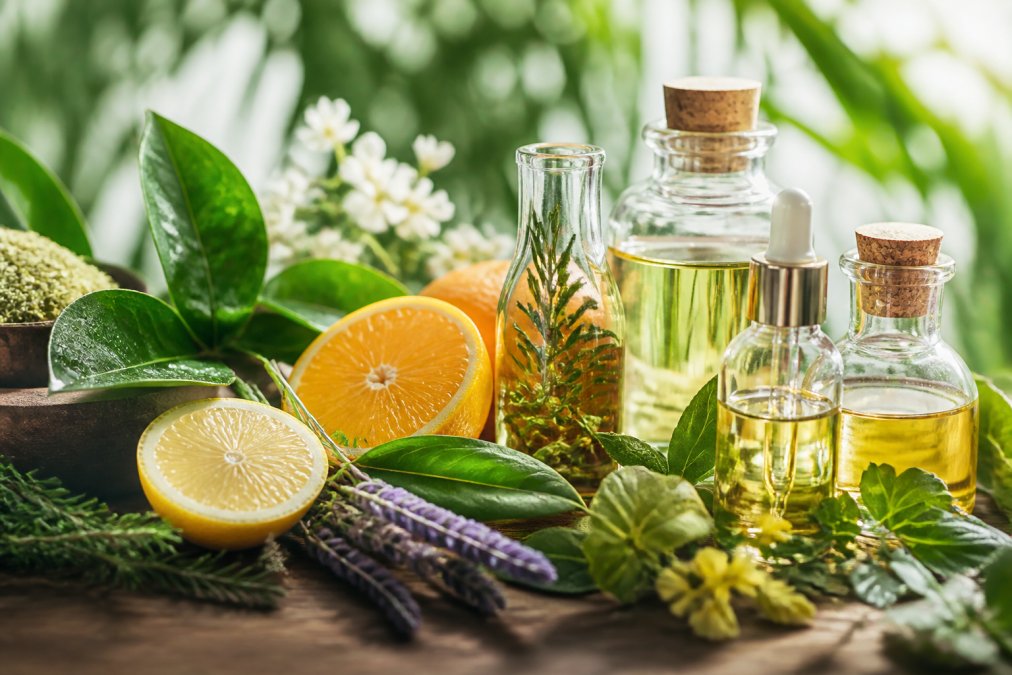
Hydrating botanicals and their skin-barrier benefits
Hydration is about maintaining the lipid barrier that keeps moisture locked in. Glycerin from vegetable sources draws water into the skin, whilst plant oils like jojoba, argan, and rosehip seed oil mimic the skin's natural sebum composition, allowing deep absorption. These ingredients strengthen the skin barrier, which is the foundation of healthy skin at any age.
Hyaluronic acid derived from plant fermentation works best when paired with occlusive oils. Apply hyaluronic acid serum to damp skin, then seal it with a plant oil or lightweight moisturiser. Botanical extracts like chamomile, calendula, and green tea add soothing and anti-inflammatory benefits. For anyone recovering from harsh actives or dealing with sensitivity, these botanicals are essential.
Anti-ageing actives from nature
Bakuchiol, derived from the babchi plant, activates the same skin receptors as retinol without irritation, peeling, or sun sensitivity (peer-reviewed research). Peptides from plant sources stimulate collagen production by signalling to skin cells that repair is needed. Resveratrol from grape seed and vitamin C from kakadu plum provide antioxidant protection that prevents collagen breakdown.
These actives work best with consistent sun protection. Results take 8-12 weeks to see visible improvement in fine lines, but gains are sustainable without dependency on increasingly strong doses (peer-reviewed research). Niacinamide (vitamin B3) from plant fermentation strengthens skin barrier function whilst reducing pore appearance and regulating oil production, making it a cornerstone ingredient in versatile vegan skincare formulas.
Benefits of Organic Skincare for Your Skin
Organic skincare eliminates synthetic pesticides, artificial preservatives, and petroleum-derived ingredients that can accumulate in skin over time. When exposed to synthetic surfactants and harsh preservatives, the skin barrier becomes reactive and inflamed, triggering sensitivity. Organic skincare reduces this inflammatory load, allowing the barrier to stabilise.
Organic certification (especially COSMOS-certified organic) ensures that farming practices protect soil health and biodiversity. Soil quality directly affects nutrient density in plants. A botanical grown in depleted, pesticide-heavy soil contains fewer active compounds than one grown in healthy, biodiverse soil. When Harmony Harvest sources Australian botanicals through organic farming, you're getting ingredients with higher concentrations of the compounds that actually benefit your skin.
Long-term use of organic skincare also means reduced bioaccumulation of synthetic chemicals. Over years, conventional skincare ingredients can accumulate in fatty tissues. Switching to organic skincare reduces this burden and allows your skin to function optimally.
How to Transition to Vegan Skincare Without Overwhelming Your Routine
Most people fail at transitioning to vegan skincare because they replace their entire routine at once. Your skin has adapted to its current products, so switching everything overnight triggers adjustment reactions.
Start with one product swap: typically the cleanser or moisturiser. Use it exclusively for 2-3 weeks whilst keeping everything else the same. Once your skin stabilises, introduce a second product. Replace products in this sequence: cleanser → moisturiser → targeted treatments (serums, masks, oils) → sunscreen.
Expect a 4-6 week adjustment period. Your skin may be slightly drier or oilier as it rebalances. This is normal and temporary. If you're coming from prescription-strength actives like retinoids, the transition requires extra patience. Plant-based alternatives will seem less effective during the first 8 weeks because they're working with your skin's natural response, not suppressing it. Stick with the transition for at least 12 weeks before deciding whether vegan skincare works for you.
COSMOS-Certified Organic Skincare: What the Certification Really Means
COSMOS-certified organic is the gold standard for transparent, ethical skincare production. The certification requires that at least 95% of the formula consists of natural or naturally derived ingredients. The remaining 5% can be approved synthetic preservatives or processing aids, but only those on a strict approved list. identifying greenwashing.
The certification process includes farm audits to verify that botanical ingredients are grown without synthetic pesticides, GMOs, or artificial fertilisers. It tracks the entire supply chain from soil to finished product, ensuring that no animal testing occurs and that packaging is recyclable or compostable where possible. A COSMOS-certified product has been independently verified, not self-declared by the brand.
Harmony Harvest's COSMOS-certified organic range means every product has passed rigorous verification. You're not relying on marketing claims; you're relying on third-party auditing. When you see "COSMOS-certified organic" on a skincare label, you can trust that the formula contains minimal synthetic ingredients, that farming practices were sustainable, and that no animal testing was involved.
Vegan Skincare for Different Skin Types
Plant-based skincare works across all skin types, but specific ingredients and formulations need to match your skin's particular needs.
Sensitive and reactive skin
Sensitive skin needs gentle hydration without inflammatory triggers. The ideal vegan formula includes soothing botanicals (chamomile, calendula, oat extract) paired with barrier-strengthening ingredients like plant-derived ceramides and hyaluronic acid. Avoid essential oils, fragrance, and high concentrations of active ingredients.
Many people with sensitive skin have damaged their barrier through years of harsh conventional products. Recovery requires consistent use of gentle, hydrating formulas without irritating actives. Once the barrier has stabilised (typically 6-8 weeks), you can introduce gentler actives like bakuchiol or niacinamide. Patch test new products on a small area behind your ear for 3-5 days before using on your face.
Oily and acne-prone skin
Oily skin benefits from lightweight, non-comedogenic plant oils and mattifying botanicals. Jojoba oil regulates sebum production because it closely mimics skin's natural sebum. Niacinamide reduces pore appearance and sebum production. Salicylic acid derived from willow bark gently exfoliates without harshness.
Acne-prone skin often improves on vegan skincare because plant-based formulas don't contain pore-clogging silicones or heavy synthetic emollients. Avoid heavy plant oils that can trigger breakouts; lightweight options like rosehip seed oil, grapeseed oil, and plant-derived squalane work well. Most people see improvement in breakout frequency and severity within 8-12 weeks of consistent use.
Dry and mature skin
Dry skin needs occlusive plant oils paired with humectants to lock in hydration. Argan oil, rosehip seed oil, and avocado oil are rich enough to provide lasting moisture without feeling greasy. Layer these over hyaluronic acid serum applied to damp skin. Mature skin benefits from the same approach plus anti-ageing actives like bakuchiol, peptides, and antioxidant-rich plant extracts.
Before introducing any actives, spend 2-3 weeks using only gentle cleansing and rich moisturising. Once hydration improves, you can layer in anti-ageing treatments. Mature skin benefits from consistent use of plant-based retinol alternatives and collagen-boosting peptides, which provide visible improvement in fine lines and skin texture over 12 weeks.
Common Animal-Derived Ingredients to Avoid
Understanding what to avoid is as important as knowing what to choose. Carmine (also called cochineal or E120) is a red pigment made from crushed beetles, appearing in blushes, lipsticks, and tinted moisturisers. Squalane derived from shark liver oil (though plant-derived versions now exist) was historically the standard moisturising ingredient. Lanolin from sheep's wool, beeswax from honeycomb, and honey are common in moisturisers and lip balms. Collagen and keratin from animal bones and hooves appear in anti-ageing serums and hair treatments.
Glycerin can be plant-derived or animal-derived; look for brands that explicitly state "plant-derived glycerin" or "vegetable glycerin." Stearic acid, cetyl alcohol, and cetearyl alcohol can be plant or animal-derived. Retinyl palmitate is sometimes derived from fish; plant-based retinol alternatives like bakuchiol and rosehip seed oil avoid this concern entirely.
The easiest approach: buy from brands explicitly committed to vegan formulation, like Harmony Harvest. Brands that invest in COSMOS-certified organic formulation have already verified their ingredient sources through third-party auditing.
Building Your Vegan Skincare Ritual
A complete vegan skincare routine doesn't need to be complicated. The essentials are cleanse, hydrate, treat, and protect, four steps that form the foundation of skin health.
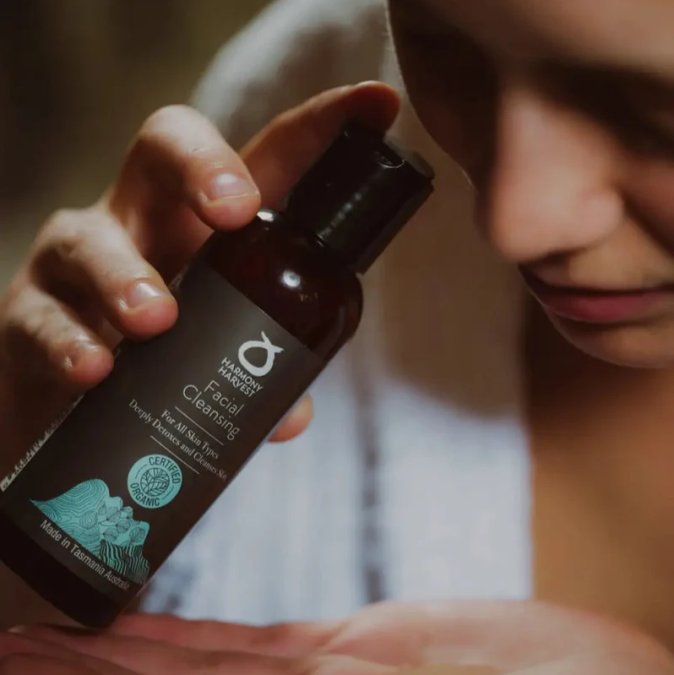
Morning ritual (3-5 minutes):
- Cleanse: Use a gentle plant-based cleanser suited to your skin type. Oil cleansers work well for all skin types.
- Hydrate: Apply hyaluronic acid serum or hydrating toner to damp skin.
- Protect: Use a lightweight plant-based moisturiser and broad-spectrum sunscreen. Sun protection is the single most important anti-ageing step.
Evening ritual (5-10 minutes):
- Cleanse: Double cleanse if you've worn makeup or sunscreen. Oil cleanser first, then water-based cleanser.
- Treat: Apply targeted serums or treatments suited to your skin concerns.
- Hydrate: Apply hydrating serum or toner, then seal with a richer moisturiser or facial oil.
- Optional: Use a face mask 1-2 times weekly for extra hydration or targeted treatment.
Consistency matters more than complexity. Using the same products every day for 12 weeks will deliver better results than switching products weekly. Vegan skincare works through cumulative benefit; your skin gradually strengthens and stabilises as you maintain the routine. You can achieve excellent results with just four products: a cleanser, hydrating serum, moisturiser, and sunscreen.
Transitioning to vegan skincare is an investment in your skin's long-term health and in aligning your beauty routine with your values. When you choose COSMOS-certified organic formulations like those from Harmony Harvest, you're removing the guesswork. Third-party certification verifies that your skincare is genuinely vegan, ethically produced, and formulated with ingredients that actually support skin health.
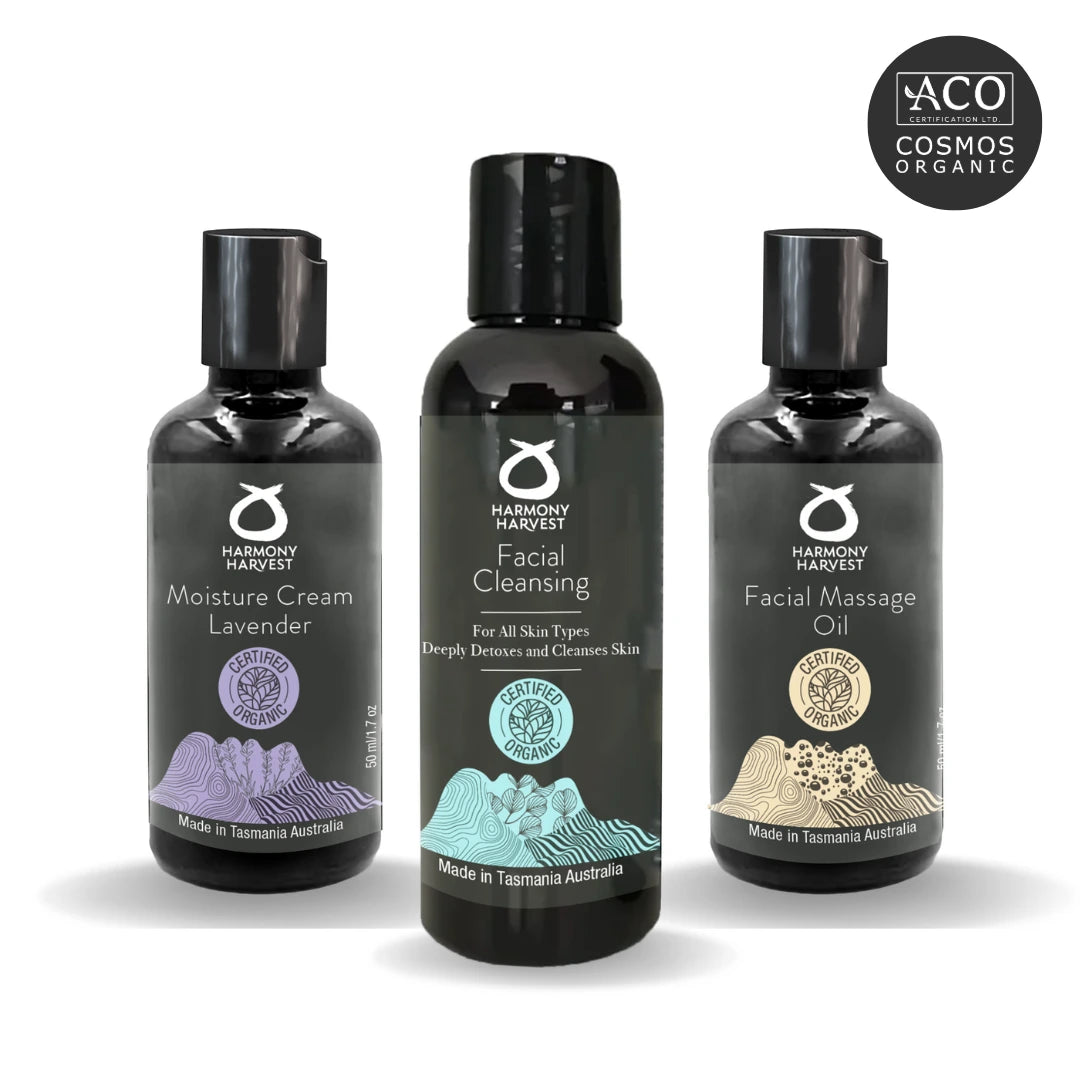
If you're ready to experience the difference that plant-based, COSMOS-certified organic skincare can make, the 30 Day Organic Vegan Skincare set is designed specifically for this transition. It includes all four essentials, cleanser, hydrating serum, moisturiser, and targeted treatment, formulated to work together seamlessly. Explore Harmony Harvest's complete Facial Care collection, where every product is COSMOS-certified organic, vegan, and cruelty-free.
Frequently Asked Questions
How can I tell if a skincare product is truly vegan and cruelty-free?
Look for certified vegan logos from organisations like The Vegan Society, and check the ingredient list for animal-derived substances such as beeswax, lanolin, carmine, and squalane from animal sources. COSMOS-certified organic products guarantee no animal testing and exclude animal-derived ingredients entirely. Read labels carefully—terms like 'natural' or 'plant-based' alone don't guarantee vegan status. Transparency about sourcing and third-party certification is your best assurance against greenwashing.
What are the primary benefits of switching to vegan skincare?
Vegan skincare eliminates synthetic chemicals and harsh detergents that can damage your skin barrier, making it ideal for sensitive skin. Plant-based ingredients like hyaluronic acid, botanical extracts, and essential oils provide deep hydration, support natural collagen production, and deliver anti-ageing benefits without irritation. Many people report clearer skin, reduced redness, and a more radiant complexion within weeks. Additionally, choosing vegan skincare aligns with ethical values—no animal testing or exploitation.
Are COSMOS-certified organic products better for sensitive skin?
Yes. COSMOS certification ensures products exclude synthetic pesticides, heavy metals, and harmful chemicals that commonly trigger sensitivity. The rigorous standards mean every ingredient is scrutinised for safety and purity. For those with eczema-prone, reactive, or barrier-compromised skin, COSMOS-certified formulas reduce the risk of irritation. The certification also guarantees no animal testing, making these products both safer and more ethical for vulnerable skin types.
How long does it take to see results from vegan skincare?
Most people notice improvements in hydration and skin texture within 2–4 weeks of consistent use. Anti-ageing benefits—such as reduced fine lines, improved firmness, and a brighter complexion—typically emerge over 6–8 weeks as your skin barrier strengthens and cell turnover improves. Results depend on your starting skin condition, product consistency, and individual skin chemistry. A structured routine with cleansing, hydration, and targeted serums accelerates visible change.
Best Sellers
Read more

Non-toxic Hair Loss Shampoo: Natural Care Without Parabens
Non-toxic hair loss shampoo free from parabens and sulfates. Discover COSMOS-certified organic formulas that support scalp health and hair growth.
Read more
COSMOS Organic Certification: A 2026 Guide
Understand COSMOS organic certification: standards, benefits, and how to identify truly certified products. Learn what makes COSMOS different. Discover.
Read more