



How to Fix Your Skin Barrier: A Science-Backed Guide
Table of Contents
- What Is the Skin Barrier and Why It Matters
- Damaged Skin Barrier Symptoms Australia: What to Look For
- Common Causes of Barrier Damage
- How to Fix Your Skin Barrier: Step-by-Step Approach
- Best Ingredients for Skin Barrier Repair Australia: What Science Shows
- How Long to Repair Skin Barrier Australia: Timeline and Expectations
- Building a Compromised Skin Barrier Routine That Works
- Ingredients to Avoid When Your Barrier Is Compromised
Last Updated: July 30, 2026
What Is the Skin Barrier and Why It Matters
Your skin barrier is a protective layer made up of lipids, ceramides, cholesterol, and fatty acids in the stratum corneum, your skin's outermost layer. It controls what enters your skin and what moisture escapes through transepidermal water loss (TEWL). When functioning properly, it keeps irritants out and hydration in. A healthy barrier maintains pH balance, supports your skin microbiome, and prevents irritation from environmental stressors. Without it, even gentle products can trigger redness and sensitivity.
Think of your skin barrier like the weatherproofing on a house: when it's intact, water stays inside and rain stays out. Your skin works the same way. The barrier regenerates roughly every two to four weeks under normal conditions, but harsh cleansers, over-exfoliation, and extreme conditions stretch that timeline. Many people spend months trying to understand why their skin feels reactive, never realising their barrier is compromised.
Damaged Skin Barrier Symptoms Australia: What to Look For
A compromised skin barrier shows itself in specific, unmistakable ways. If your skin feels tight after cleansing, looks red or blotchy without an obvious cause, or stings when you apply products, your barrier needs attention.
Common signs of barrier damage
The most obvious indicator is persistent tightness and dryness that doesn't respond to hydration. Your skin may feel uncomfortable even immediately after applying moisturiser. Flaking, peeling, and rough texture follow, especially around the cheeks and forehead. You might suddenly find your favourite cleanser causes stinging or burning.

Redness and inflammation often appear as a diffuse blush across the face rather than localised breakouts. You may also experience increased sensitivity to temperature changes, wind, or sun exposure. Another telling sign is increased breakouts or congestion, even if you've never had acne-prone skin. A weakened barrier allows bacteria and irritants to penetrate more easily, triggering inflammation. Some people also notice their skin feels itchy or develops a sandpapery texture.
Common Causes of Barrier Damage
Over-cleansing with hot water and stripping cleansers is the single most common culprit. Many people wash their face multiple times daily with products containing sulfates or alcohol, which dissolve the lipid-rich matrix holding the barrier together.
Over-exfoliation is equally damaging. Using physical scrubs, chemical exfoliants, or retinoids too frequently removes protective layers faster than your skin can rebuild them. Environmental factors matter too: harsh winters, low humidity, and sun exposure all accelerate TEWL and weaken barrier integrity.
Certain skincare ingredients damage the barrier when used incorrectly. Retinoids, benzoyl peroxide, and alpha-hydroxy acids are powerful but can irritate if your skin isn't accustomed to them. Fragrance and essential oils, despite their natural reputation, are common irritants. Underlying skin conditions like eczema, hormonal changes, stress, and poor sleep also play a role, as your skin repairs itself during rest.
How to Fix Your Skin Barrier: Step-by-Step Approach
Repairing a compromised skin barrier requires patience and consistency. The process typically takes two to four weeks to see noticeable improvement, though complete restoration can take longer. The key is simplification and nourishment.
Step 1: Simplify your skincare routine immediately
Strip your routine down to essentials: a gentle cleanser, hydrating toner or essence, and a barrier repair cream. Remove everything else temporarily, serums, actives, exfoliants, masks, oils. Your skin needs to focus its energy on rebuilding, not processing multiple ingredients.
Many people resist this step because they worry they'll lose progress on other skin concerns. In reality, you'll see faster improvement by pausing everything and letting your barrier heal. Once it's strong again, you can reintroduce other products one at a time, spacing them out by at least two weeks.
Step 2: Cleanse gently with a non-stripping cleanser
Switch to a gentle cleanser that doesn't foam or strip. Look for cream or milk cleansers, or oil cleansers that rinse clean. Avoid anything containing sulfates, alcohol, or fragrance. Use lukewarm, not hot, water. Cleanse once daily, preferably in the evening. If you need to rinse your face in the morning, use only water or a hydrating micellar water. Pat your skin dry gently rather than rubbing.
Step 3: Layer hydration with humectants and occlusives
Humectants like hyaluronic acid draw water into your skin, while occlusives seal that moisture in. You need both working together.
After cleansing, apply a hydrating toner or essence while your skin is still slightly damp. Follow with a barrier repair cream rich in ceramides and fatty acids. Apply it to damp skin, this technique helps your skin absorb hydration more efficiently.
At night, consider adding an occlusive layer on top of your moisturiser. A plant-based oil or balm creates a seal that prevents overnight moisture loss. Layering matters: hydration + nourishment + seal.
Step 4: Avoid common barrier-damaging ingredients
While your barrier is healing, stay away from actives entirely. No retinoids, no vitamin C serums, no acids, no benzoyl peroxide. Avoid fragrance, essential oils, and denatured alcohol. Skip physical exfoliants and limit chemical exfoliants to zero.
Best Ingredients for Skin Barrier Repair Australia: What Science Shows
Certain ingredients actively support barrier function.
Ceramides and fatty acids
Ceramides are lipid molecules naturally present in your skin barrier. When applied topically, they fill gaps in the stratum corneum and restore barrier integrity. Ceramide NP, Ceramide AP, and Ceramide EOP are the most researched forms. Fatty acids, particularly linoleic acid and oleic acid, support the barrier's structure and reduce TEWL. Many plant-based oils contain these naturally.
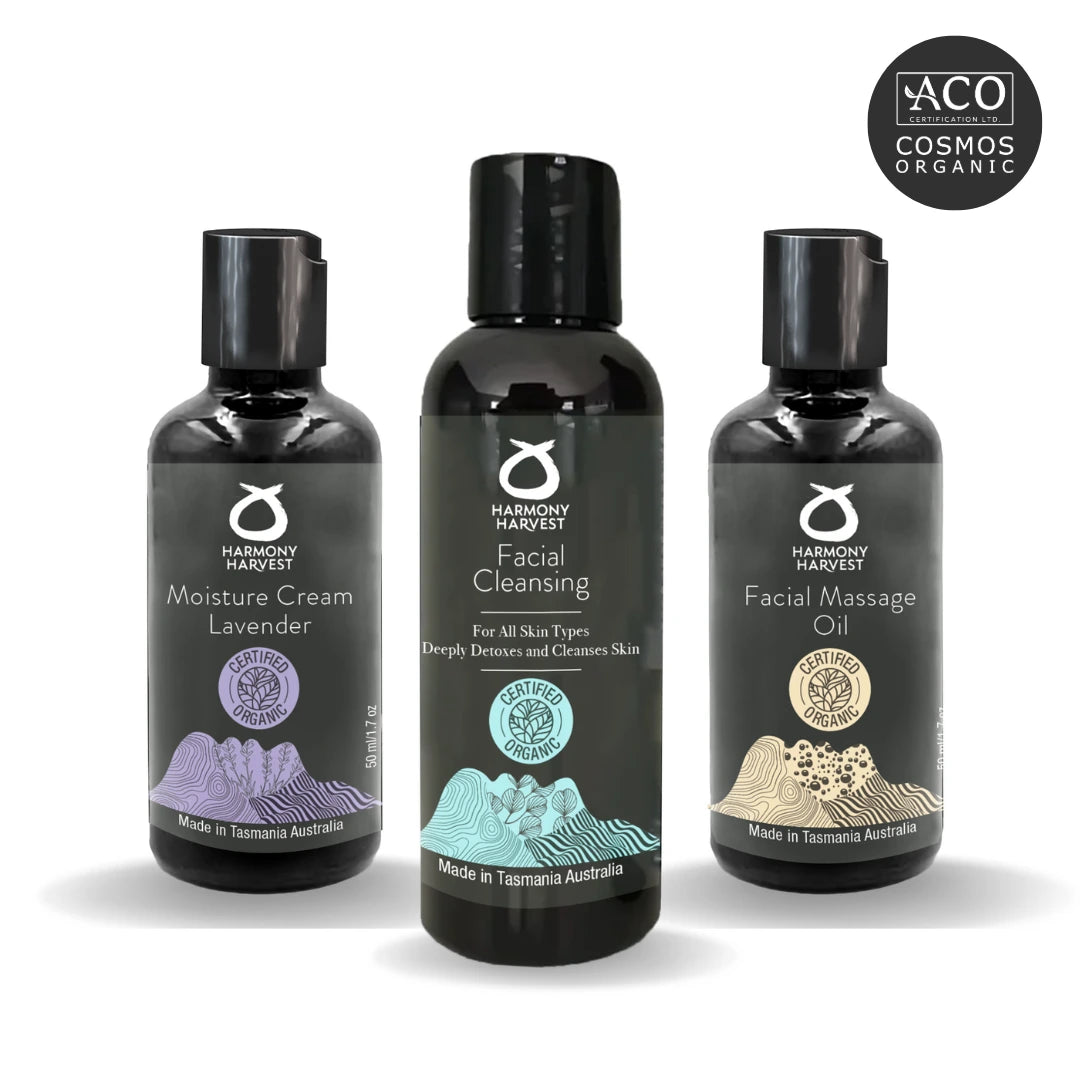
Harmony Harvest offers COSMOS-certified organic plant extracts rich in these lipids, supporting your barrier's natural regeneration without synthetic ingredients.
Hyaluronic acid and humectants
Hyaluronic acid is a humectant that binds water molecules and draws them into your skin. This makes it essential during barrier repair, when your water-holding capacity is compromised. Glycerin is another powerful humectant, often more effective at lower molecular weights. Layering multiple humectants amplifies their effect.
Plant-based occlusives and soothing botanicals
Plant oils like jojoba, rosehip, and squalane create an occlusive layer that seals in moisture. Squalane is particularly effective because it mimics your skin's natural sebum. Soothing botanicals like centella asiatica, chamomile, and allantoin reduce inflammation and calm irritation. Centella asiatica has become popular in barrier repair products because it's clinically shown to support skin healing.
How Long to Repair Skin Barrier Australia: Timeline and Expectations
Most people see visible improvement within two to three weeks of consistent, simplified skincare. Your skin will feel less tight, and flaking should decrease. However, complete barrier restoration typically takes four to eight weeks, depending on severity.
Your skin's natural regeneration cycle is roughly 28 days, so it takes at least one full cycle to see meaningful change. Two cycles (eight weeks) is more realistic for a fully restored, resilient barrier. Stick with your simplified routine for at least six weeks before slowly reintroducing other products.
| Timeline | What to Expect | Actions |
|---|---|---|
| Week 1-2 | Reduced tightness, less stinging | Continue simplified routine, observe changes |
| Week 3-4 | Visible reduction in flaking, improved texture | Maintain consistency, resist urge to add products |
| Week 5-8 | Barrier feels noticeably stronger, sensitivity decreases | Begin patch-testing new products one at a time |
| Week 8+ | Barrier largely restored, can reintroduce actives slowly | Reintroduce one product every 2 weeks |
Building a Compromised Skin Barrier Routine That Works
Your repair routine needs to be simple enough to follow every single day without exception.
Morning routine essentials
Rinse with lukewarm water or use a hydrating micellar water. Pat skin dry gently. Apply a hydrating toner or essence to damp skin. Follow with a lightweight barrier repair cream or moisturiser. If your skin is very dry, add a few drops of plant-based oil before the cream. Finish with a mineral sunscreen (SPF 30+) to protect your healing barrier from UV damage.
Evening routine for deep repair
Cleanse with a gentle, non-foaming cleanser. Massage gently for 30-60 seconds, then rinse thoroughly with lukewarm water. Pat dry. Apply hydrating toner to damp skin. Follow with your barrier repair cream while skin is still slightly damp. Finish with an occlusive layer: either a richer cream, a plant-based oil, or a barrier balm. This final step seals everything in and prevents overnight moisture loss.
Ingredients to Avoid When Your Barrier Is Compromised
During barrier repair, your skin is hypersensitive. Avoid all active ingredients: retinoids, vitamin C, niacinamide at high concentrations, alpha-hydroxy acids, beta-hydroxy acids, and benzoyl peroxide.
Fragrance and essential oils are irritants, even though they're natural. Alcohol denat strips the barrier and should be avoided entirely. Sulfates in cleansers are harsh surfactants that dissolve the lipid layer. Avoid physical exfoliants entirely, and stay away from chemical exfoliants during repair.
Repairing a compromised skin barrier requires patience, but the results are worth it. A strong barrier is the foundation of healthy, resilient skin that responds well to active ingredients and tolerates environmental stressors. The Harmony Harvest Facial Care collection is specifically formulated to support barrier repair with COSMOS-certified organic, vegan plant-based ingredients like ceramides, hyaluronic acid, and soothing botanicals, all without synthetic detergents or harsh chemicals. Explore the Facial Care collection today and experience the difference that truly nourishing, COSMOS-certified organic, vegan, cruelty-free skincare can make for your barrier health.
Frequently Asked Questions
What are the main signs of a damaged skin barrier?
A compromised skin barrier often shows redness, persistent tightness, flaking, and increased sensitivity to products you've used before. You may experience heightened irritation, micro-tears, and transepidermal water loss (TEWL), which manifests as dehydration that moisturisers alone can't fix. Some people notice their skin feels raw or stings when applying skincare. These symptoms signal that your stratum corneum, the skin's outermost protective layer, needs repair.
How long does it take to fix a skin barrier?
Most people see noticeable improvement within 2-4 weeks of consistent, gentle care. Full barrier restoration typically takes 4-8 weeks, though individual timelines vary based on damage severity and adherence to a repair routine. Patience is essential; rushing with active ingredients or exfoliants will extend healing. Focus on simplifying your routine, using ceramides and occlusives, and avoiding irritants during this window.
What are the best ingredients for skin barrier repair?
Ceramides, cholesterol, and fatty acids are the gold standard for rebuilding the lipid-rich structure of your barrier. Hyaluronic acid provides hydration and humectant support, while plant-based occlusives like plant oils seal in moisture and reduce transepidermal water loss. Soothing botanicals help calm inflammation. Look for COSMOS-certified organic formulas that combine these elements without synthetic detergents or harsh actives that can further damage your compromised barrier.
Can I still use active ingredients like retinoids while repairing my skin barrier?
No, you should pause retinoids, vitamin C, acids, and exfoliants entirely while your barrier heals. These actives increase skin sensitivity and transepidermal water loss, directly opposing repair. Once your barrier shows signs of recovery (reduced redness, improved hydration, no tightness), you can gradually reintroduce gentler actives. This typically takes 4-8 weeks. Prioritise barrier repair first; anti-aging benefits will follow once your foundation is strong.
This article was written using GrandRanker
Best Sellers
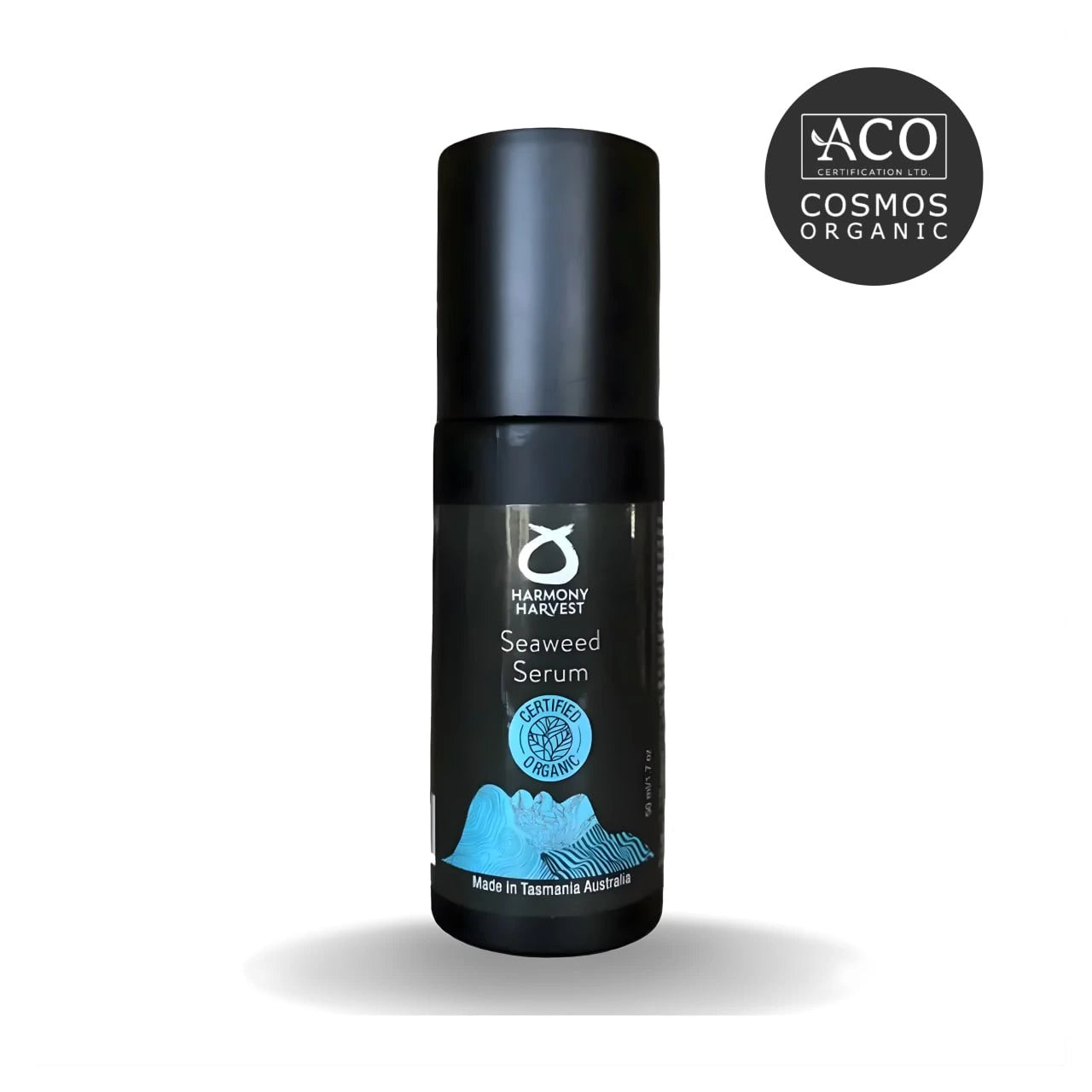
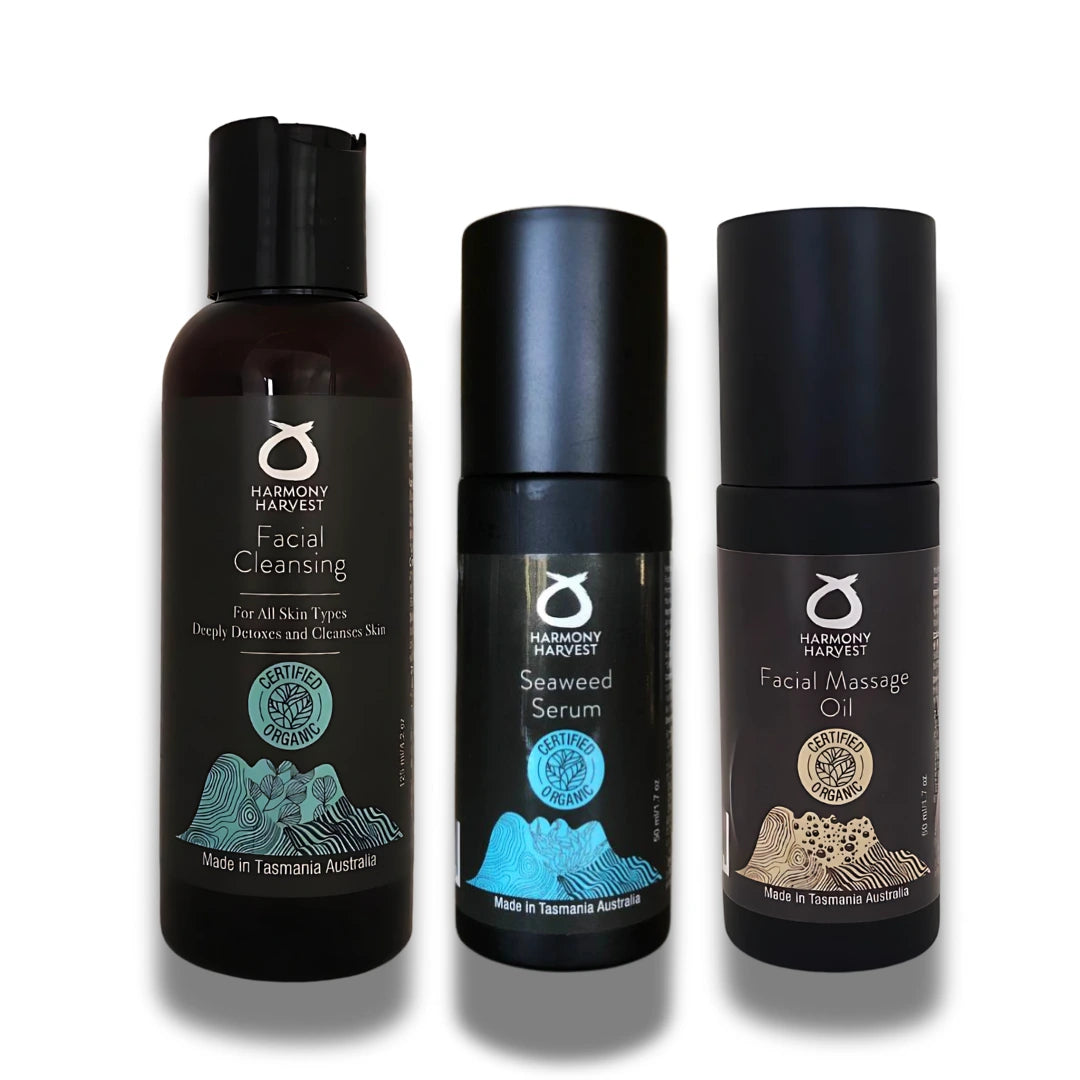

Read more

Dry Scalp: Causes, Symptoms & Treatment Guide
Discover what causes dry scalp, how to treat it, and the best routine to restore scalp health. Learn the difference from dandruff and find relief.
Read more
Is Organic Vegan Skincare Worth It for Mature Skin?
Is organic vegan skincare worth it for mature skin: Organic vegan skincare for mature skin: discover whether COSMOS-certified formulas deliver real.
Read more