


Is Organic Vegan Skincare Worth It for Mature Skin?
Table of Contents
- Is Organic Vegan Skincare Worth It for Mature Skin? The Real Answer
- COSMOS-Certified Organic Skincare Benefits for Ageing Skin
- Vegan Skincare for Wrinkles: What the Evidence Shows
- Ingredients to Avoid in Mature Skincare and Why
- Building a Routine That Actually Works: Transitioning from Conventional to Organic
- Natural Skincare for Mature Skin Reviews: What Australians Are Finding
- Cost vs. Long-Term Skin Health: Is the Investment Worth It?
- Common Myths About Organic Vegan Skincare for Mature Skin
Last Updated: July 31, 2026
Is Organic Vegan Skincare Worth It for Mature Skin? The Real Answer
The question of whether is organic vegan skincare worth it for mature skin deserves a straightforward answer: it depends on what you're comparing it to and what your skin actually needs. Mature skin faces specific challenges, collagen loss, compromised moisture barriers, increased sensitivity to synthetic actives, that COSMOS-certified organic, plant-based formulas are genuinely equipped to address. The real value lies in understanding the difference between certified organic skincare and greenwashing, then matching that knowledge to your skin's actual needs.
COSMOS-Certified Organic Skincare Benefits for Ageing Skin
When you see "COSMOS-certified organic" on a skincare label, you're looking at a product that has met rigorous third-party standards. Unlike vague claims of "natural" or "organic," COSMOS certification means independent auditors have verified ingredient sourcing, manufacturing processes, and absence of synthetic chemicals. For mature skin, this matters because your barrier function is already compromised; you cannot afford to guess whether a product contains hidden synthetics or pesticide residues.
COSMOS-certified organic products formulated with plant-based ingredients like rosehip oil, kakadu plum, and botanical extracts deliver concentrated antioxidants and essential fatty acids that support collagen production and skin elasticity. Rosehip oil contains vitamins A and C, which stimulate fibroblasts responsible for collagen synthesis. Kakadu plum has the highest natural vitamin C concentration of any plant, making it exceptionally effective for brightening age spots and supporting cell turnover.
How certified organic differs from greenwashing
Many brands slap "organic" or "natural" labels on products containing only 1-2% certified organic ingredients, with the rest made up of synthetic preservatives, emulsifiers, and fragrance compounds. COSMOS certification eliminates this ambiguity. To earn COSMOS status, at least 95% of the product must contain certified organic ingredients. The certification also bans synthetic fragrances, synthetic dyes, PEGs, silicones, and parabens, ingredients that trigger sensitivity in mature, reactive skin.
Greenwashing alternatives hide behind vague language like "made with organic ingredients" while being 80% synthetic. These products often cost less upfront but deliver less long-term value because they don't address the root causes of mature skin concerns: barrier repair, antioxidant protection, and sustained hydration.
Collagen production and skin elasticity gains
As we age, collagen production declines by roughly 1% per year after age 30, leading to loss of firmness and fine lines. Organic skincare uses plant-based alternatives, botanical retinol equivalents, plant-derived peptides, and phytoestrogens, that work through similar mechanisms to conventional retinoids but with gentler, more sustained results.
Kakadu plum's vitamin C supports collagen cross-linking, improving skin firmness. Rosehip seed oil contains linoleic acid, which strengthens the lipid barrier and allows deeper penetration of other actives. Carrot seed oil contains carotenoids that protect collagen from free radical damage.
Vegan Skincare for Wrinkles: What the Evidence Shows
Some of the most potent anti-wrinkle ingredients are plant-derived. Vegan skincare for wrinkles has evolved dramatically, with plant-based alternatives now so effective that major dermatologist-recommended lines have reformulated to include botanical retinol alternatives and plant-derived peptides.
Plant-based retinol alternatives and their efficacy
Bakuchiol, derived from the babchi plant, is the most common plant-based retinol alternative. Unlike synthetic retinol, bakuchiol does not increase photosensitivity, making it suitable for sensitive and mature skin. Clinical studies comparing bakuchiol to retinol show comparable improvements in fine lines, skin elasticity, and brightness, with no irritation or peeling. For mature skin with a compromised barrier, this is crucial.
Other plant-based retinol alternatives include carrot seed oil (rich in carotenoids that convert to vitamin A in the skin) and sea fennel extract (which stimulates collagen without irritation). These ingredients work best in combination, layering bakuchiol with carrot seed oil and sea fennel extract delivers multi-pathway anti-ageing support without harsh side effects.
Hyaluronic acid, vitamin C, and antioxidant power
Plant-derived hyaluronic acid (fermented from bacteria) delivers identical hydration benefits to animal-sourced versions. For mature skin, hydration is non-negotiable. A vegan hyaluronic acid serum can hold up to 1000 times its weight in water, plumping fine lines and restoring a dewy appearance.
Kakadu plum contains 50 times more vitamin C than an orange. When stabilised in a vegan formula, kakadu plum vitamin C brightens age spots, stimulates collagen production, and provides antioxidant protection against UV damage and pollution. The antioxidant arsenal in vegan skincare extends beyond vitamin C: green tea extract, resveratrol from grapes, ferulic acid, and tocopherols (vitamin E) neutralise free radicals that accelerate ageing.
Ingredients to Avoid in Mature Skincare and Why
Mature skin is more reactive and less forgiving of harsh ingredients. Many conventional products contain compounds that compromise barrier function and accelerate visible ageing.
Synthetic fragrances, petrochemicals, and barrier damage
Synthetic fragrances are not regulated as strictly as active ingredients, meaning brands can include dozens of fragrance compounds under a single term. Many are irritating, allergenic, or sensitising, particularly for mature skin with a weakened barrier. Petrochemicals like mineral oil, petrolatum, and paraffin form an occlusive layer that can trap bacteria and prevent proper transpiration. Plant-based alternatives like jojoba oil, coconut oil, and shea butter provide occlusion without barrier-trapping side effects.
PEGs (polyethylene glycols) and silicones are penetration enhancers that can disrupt the lipid barrier, increase transepidermal water loss, and leave skin feeling dry despite hydrating claims. Over time, this accelerates visible ageing by compromising barrier function.
Harsh actives that compromise sensitive, mature skin
Conventional skincare often relies on aggressive actives, high-concentration AHAs, BHAs, and strong synthetic retinoids, that forcibly exfoliate and turn over skin cells. For mature skin, this is counterproductive. Harsh exfoliants strip the protective lipid layer, triggering a reactive cycle: skin becomes drier, you use more product, the barrier becomes further compromised, and sensitivity increases.
Sodium lauryl sulfate (SLS) and harsh surfactants similarly strip natural oils, leaving skin tight and uncomfortable. Organic, plant-based skincare focuses on supporting your skin's natural renewal process through hydration, antioxidant protection, and barrier repair rather than forcing rapid cell turnover.
Building a Routine That Actually Works: Transitioning from Conventional to Organic
Many women switch to organic skincare expecting identical results immediately, become frustrated when results take longer, and revert to old products. Understanding the transition period makes the difference between success and failure.
Starting slow and monitoring ingredient interactions
Your skin has adapted to whatever you've been using. When you switch to organic, plant-based alternatives, your skin enters a transition phase, typically 4-8 weeks, where it recalibrates. You may experience temporary dryness, mild flaking, or slight sensitivity as your barrier repairs. This is not a sign that organic skincare isn't working; it's a sign that your barrier is healing.
The safest approach is to introduce organic products one at a time, waiting 1-2 weeks between additions. Start with a gentle organic cleanser, then add a hydrating toner or essence, then a nourishing serum, then a moisturiser. Bakuchiol should not be used on the same evening as vitamin C serums, as the combination can be over-stimulating. Hyaluronic acid works best when applied to damp skin, followed immediately by an occlusive moisturiser to lock in hydration.
Minimal steps, maximum results
Mature skin does not need a 10-step routine. The most effective routines are deceptively simple: cleanser, hydrating essence or toner, targeted serum, moisturiser, and SPF during the day. At night, you might swap the SPF for a richer night cream or facial oil.
This minimalist approach reduces the risk of irritation from ingredient interactions, is more affordable, and is easier to sustain. The key is choosing concentrated, multifunctional products. A COSMOS-certified organic serum formulated with bakuchiol, hyaluronic acid, and kakadu plum vitamin C delivers anti-wrinkle, hydrating, and brightening benefits in a single step.
| Step | Product Type | Frequency | Key Benefit |
|---|---|---|---|
| 1 | Gentle organic cleanser | Twice daily | Removes impurities without stripping barrier |
| 2 | Hydrating toner or essence | Twice daily | Preps skin for serum absorption |
| 3 | Targeted serum (bakuchiol + vitamin C) | Evening | Stimulates collagen, brightens |
| 4 | Nourishing moisturiser | Twice daily | Locks in hydration, repairs barrier |
| 5 | SPF 30+ (daytime only) | Morning | Prevents further UV damage |
Cost vs. Long-Term Skin Health: Is the Investment Worth It?
COSMOS-certified organic skincare costs more upfront than drugstore alternatives. The question is whether long-term benefits justify the initial investment.
Durability of results and barrier repair benefits
Conventional skincare often delivers fast initial results through aggressive actives, but those results plateau or reverse once you stop using the products. Organic, plant-based skincare rebuilds your barrier function, addresses the root causes of ageing, and creates lasting improvements that persist even if you reduce usage. Over a 12-month period, you may spend more upfront, but you'll use less product because it's more concentrated, and you'll need fewer additional treatments because the core routine is so effective.
Ethical sourcing and sustainability as added value
When you invest in COSMOS-certified organic skincare, you're also investing in ethical supply chains and environmental sustainability. COSMOS certification requires that ingredients are sourced responsibly, manufacturing processes minimise environmental impact, and workers are treated fairly. For many Australian consumers, this alignment between personal values and product choice is itself valuable. Additionally, COSMOS-certified organic products are typically packaged in recyclable or compostable materials, reducing your environmental footprint.
Common Myths About Organic Vegan Skincare for Mature Skin
The most persistent myth is that organic skincare cannot deliver anti-ageing results equivalent to conventional products. Plant-based retinol alternatives like bakuchiol, plant-derived vitamin C from kakadu plum, and botanical peptides deliver measurable anti-wrinkle benefits. The timeline is sometimes longer, but results are comparable and often superior because they're built on barrier health.
A second myth is that "natural" and "organic" are synonymous. Natural ingredients can be pesticide-laden and poorly regulated. Organic certification, particularly COSMOS certification, guarantees rigorous standards. The third myth is that vegan skincare cannot provide adequate hydration and nourishment. Plant-based oils like jojoba, rosehip, and coconut deliver superior hydration. Plant-derived hyaluronic acid hydrates as effectively as animal-sourced versions.
Finally, many women believe that transitioning to organic skincare requires abandoning all conventional products at once. A gradual transition, replacing one product at a time, is far more successful.
The question of whether is organic vegan skincare worth it for mature skin ultimately depends on your priorities. If you value barrier health, long-term skin resilience, and alignment between your skincare and your values, the investment is absolutely worthwhile.
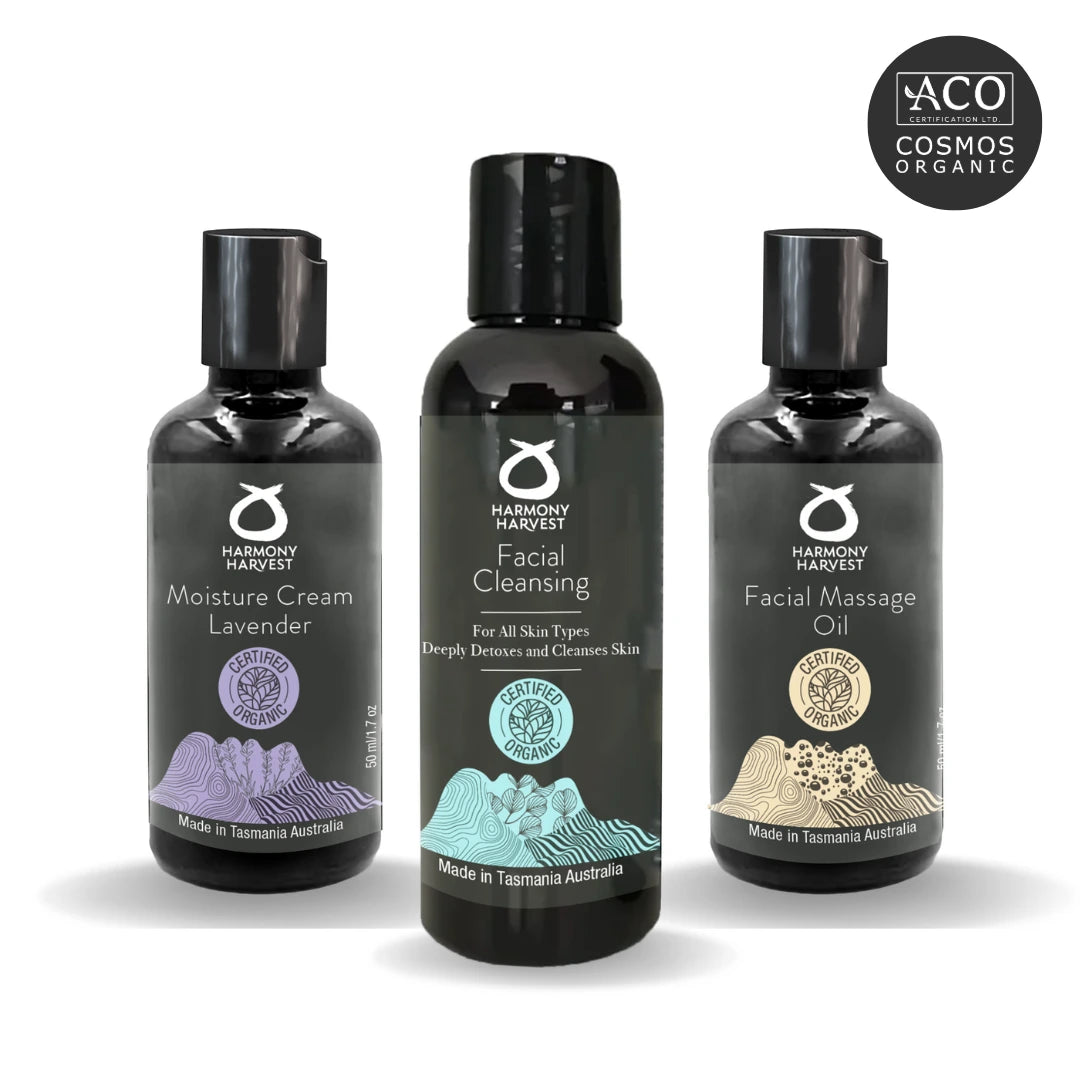
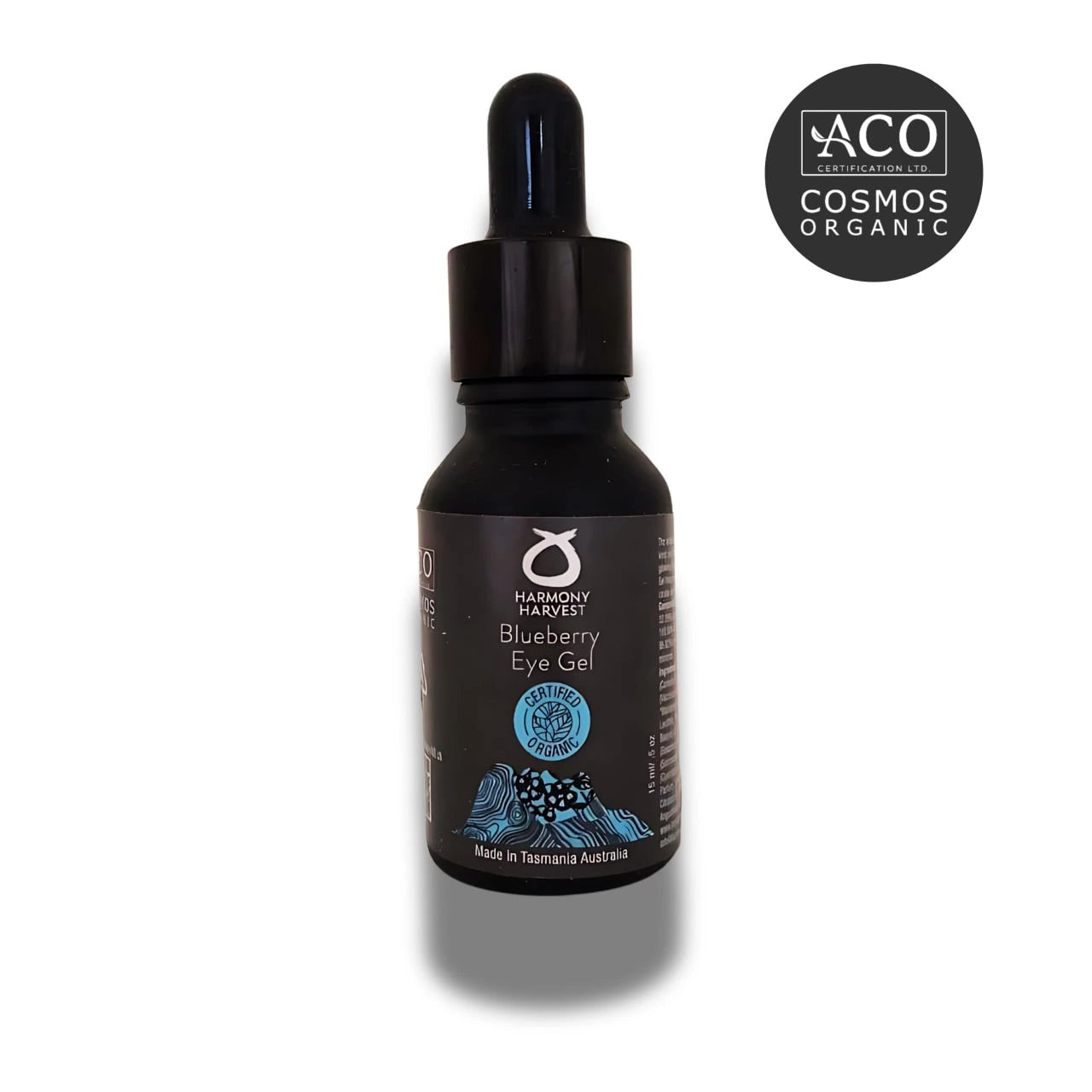
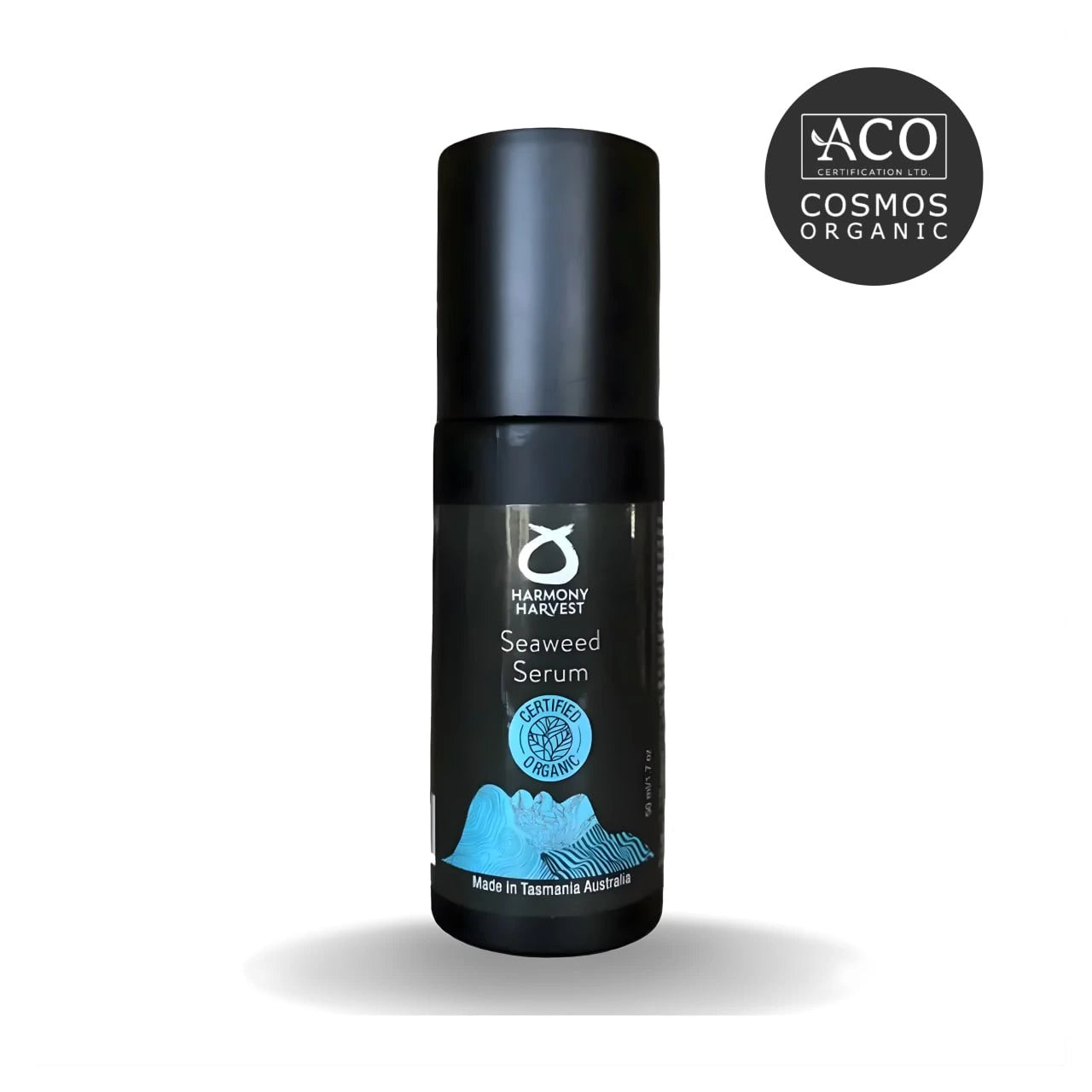
For most women over 40, the answer is clear: COSMOS-certified organic skincare delivers measurable anti-ageing benefits, supports barrier repair, and reduces reactive sensitivity, all whilst aligning with ethical and environmental values. Harmony Harvest's range of COSMOS-certified organic, vegan skincare products is specifically formulated to address the unique needs of mature skin, combining Australian botanicals with proven plant-based actives to stimulate collagen production, enhance skin elasticity, and restore a radiant glow.
Explore the Facial Care collection to discover COSMOS-certified organic, vegan formulas designed for mature skin. Every product is crafted to support your skin barrier, deliver visible anti-ageing results, and reflect your commitment to clean, ethical, cruelty-free beauty.
Frequently Asked Questions
What makes COSMOS-certified organic skincare different from products just labelled 'natural' or 'organic'?
COSMOS certification is an independent, third-party standard that verifies a product contains at least 95% organic ingredients (for finished products) and excludes synthetic chemicals, petrochemicals, and harmful additives. Products labelled merely 'natural' or 'organic' may lack this rigorous verification and could contain greenwashing claims. COSMOS-certified products guarantee transparency and meet strict environmental and ethical sourcing requirements, making them genuinely trustworthy for mature skin seeking clean, effective formulations without synthetic fragrances or toxins.
Can vegan skincare for wrinkles actually deliver anti-ageing results without retinol or peptides?
Yes, plant-based alternatives can be effective for mature skin. Vegan skincare harnesses botanical extracts, essential oils, and plant-derived actives like rosehip oil, carrot seed oil, and kakadu plum (rich in vitamin C) to stimulate collagen production, improve skin elasticity, and address fine lines naturally. These ingredients work by supporting the skin barrier, providing deep hydration, and delivering antioxidants that protect against environmental stressors. Results may develop gradually, but many users find vegan formulas deliver visible improvements in skin texture and radiance without the irritation synthetic actives can cause.
Is organic vegan skincare worth the premium price for mature skin?
The value depends on your skin's needs and priorities. COSMOS-certified organic products invest in pure, pesticide-free botanical ingredients, ethical sourcing, and sustainable packaging, costs that reflect true quality. For mature skin prone to sensitivity, barrier damage, or reactive conditions, organic vegan formulas often prevent costly dermatology visits by supporting long-term skin health. However, results require consistency; expect to use products for 6-8 weeks before visible improvements in hydration, elasticity, and fine lines appear. If sustainability and ingredient purity matter to you, the investment aligns with both skin health and values.
What ingredients should I avoid in mature skincare, and why?
Avoid synthetic fragrances, parabens, petrochemicals, sulfates, and harsh actives like high-concentration retinoids if your mature skin is sensitive or compromised. These can damage the moisture barrier, trigger irritation, and worsen dryness or redness. Also skip products with phthalates, triclosan, and synthetic dyes, which accumulate in skin and disrupt natural cell turnover. Instead, seek formulas free from these toxins, particularly COSMOS-certified organic options, that use gentle plant-based alternatives to support barrier repair and provide restorative hydration without irritation.
How do I transition from conventional skincare to organic vegan products without causing irritation?
Start by replacing one product at a time, typically a moisturiser first, and use it consistently for 2-3 weeks before introducing another. This approach lets you monitor how your skin responds and identify any ingredient interactions. Begin with a minimal routine: a gentle cleanser, hydrating serum, and nourishing moisturiser. Avoid layering too many active ingredients initially; plant-based formulas work synergistically, so less is often more. If your skin feels sensitive during transition, slow down and allow your barrier to adjust. Most users find organic vegan skincare gentler than conventional alternatives once the adjustment phase passes.
This article was written using GrandRanker
Best Sellers
Read more
How to Fix Your Skin Barrier: A Science-Backed Guide
Fix skin barrier: Learn how to fix your skin barrier with proven steps, key ingredients, and a repair routine. Discover what damages it and how long.
Read more
How to Build a Reactive Skin Routine for Beginners
Learn how to build a reactive skin routine for beginners. Discover patch testing, barrier repair, and minimalist steps to soothe sensitive skin.
Read more