



How to Build a Reactive Skin Routine for Beginners
Table of Contents
- Understanding Reactive Skin Symptoms and Triggers
- The Three Essential Steps: Cleanse, Treat, Moisturise
- Best Ingredients for Reactive Skin and Barrier Repair
- Patch Testing Skincare Australia: Your Safety-First Protocol
- Building a Minimalist Skincare Routine for Reactive Skin
- Morning vs. Evening Routines for Reactive Skin
- How to Introduce New Products Without Triggering Flare-Ups
- Common Mistakes to Avoid When Building Your Routine
How to Build a Reactive Skin Routine for Beginners
Last Updated: July 31, 2026
Reactive skin flares up easily when exposed to products most people tolerate without issue. The key is simplicity: fewer products, gentler ingredients, and a methodical approach to introducing anything new. At Harmony Harvest, we offer COSMOS-certified organic, vegan skincare solutions designed to support skin health and help restore the skin barrier whilst avoiding painful flare-ups.
Understanding Reactive Skin Symptoms and Triggers
Reactive skin shows persistent redness (especially around cheeks and nose), tightness, burning sensations, or small bumps after using new products. The root cause is almost always a compromised skin barrier, your skin's outer layer becomes hypersensitive to ingredients that would normally pass unnoticed.
Common triggers include fragrance (synthetic and natural), alcohol, essential oils, sulfates, and some plant extracts. Environmental factors like cold weather, harsh water, frequent washing, and over-exfoliation accelerate barrier damage. The irony is that people with reactive skin often use more products to "fix" the problem, which compounds the damage.
The Three Essential Steps: Cleanse, Treat, Moisturise
Every reactive skin routine rests on three foundations: cleansing, targeted treatment, and deep moisturising.
Step 1: Gentle cleansing without stripping
Your cleanser is the first thing your skin encounters each morning and evening. If it strips your skin or disrupts your pH balance, you're starting each day with fresh damage.
The best cleansers for reactive skin are milk-based or oil-based formulas without surfactants. Avoid foaming cleansers, the foam comes from harsh detergents that dissolve your skin's natural lipid barrier. Look for non-comedogenic, hypoallergenic options free from fragrance, sulfates, and alcohol.
A proper cleanse takes 30-45 seconds: wet your face with lukewarm water, apply a small amount of cleanser, massage gently for 15-20 seconds, and rinse thoroughly. Pat dry, don't rub. If your skin feels tight after cleansing, your cleanser is too harsh.
Step 2: Targeted treatment for inflammation
After cleansing, your skin is primed to absorb active ingredients. For reactive skin, "active" means purposeful, calming inflammation and supporting barrier repair.
The best ingredients are ceramides, hyaluronic acid, and centella asiatica (cica). Ceramides rebuild your lipid barrier. Hyaluronic acid draws moisture into the skin and holds it there. Centella soothes redness and supports collagen production without triggering sensitivity.
Serums are the ideal delivery vehicle. Apply 2-3 drops to damp skin, press gently, and wait 60 seconds before moving to the next step.
Step 3: Restoring hydration and the skin barrier
Moisturising is essential for reactive skin. Your compromised barrier cannot retain water on its own, so you must seal in hydration with an occlusive layer.
The best moisturisers contain humectants (like glycerin) and occlusives (like oils and butters). Look for products with minimal ingredient lists, ideally under 15 ingredients. Apply moisturiser to damp skin, pressing it in rather than rubbing. If your skin still feels tight after 5 minutes, add a drop of facial oil over the moisturiser.
Best Ingredients for Reactive Skin and Barrier Repair
Not all "natural" ingredients are safe for reactive skin. Understanding which ingredients support barrier repair and which to avoid is foundational.
Calming botanicals and antioxidants
Centella asiatica (tiger grass) is the gold standard for reactive skin. Research consistently shows it reduces redness, supports collagen synthesis, and strengthens the skin barrier without irritating. Oat extract is another proven soother, containing compounds that reduce inflammation. Niacinamide (vitamin B3) and vitamin E support barrier function and reduce inflammation.
Ceramides and lipid-barrier support
Ceramides are lipid molecules that naturally occur in your skin barrier. When damaged, ceramide levels drop. Topical ceramides (specifically ceramides 1, 3, and 6-II) restore what's been lost. Look for products listing ceramides in the first five ingredients. Squalane and jojoba oil mimic your skin's natural sebum and absorb quickly without leaving a greasy feel. The combination of ceramides, hyaluronic acid, and a plant oil is most effective for barrier repair, the approach Harmony Harvest uses across its COSMOS-certified organic facial care range.
Ingredients to avoid with reactive skin
Fragrance (both synthetic and essential oils) is the number one trigger. Avoid any product listing "fragrance," "parfum," or essential oils. Denat alcohol should be avoided entirely. Exfoliating acids (AHAs and BHAs) and physical exfoliants are off-limits whilst your barrier is compromised. Retinoids are too strong until your barrier has fully recovered, typically 8-12 weeks into a stabilising routine.
Patch Testing Skincare Australia: Your Safety-First Protocol
Patch testing is the single most important step to prevent flare-ups when introducing new products. A proper patch test takes 48-72 hours and involves applying the product to a small, inconspicuous area before committing to full-face use.
Why patch testing matters for reactive skin
When your skin is reactive, even a single irritant can trigger a flare-up lasting days or weeks. Patch testing isolates the risk. Those 72 hours save you from months of recovery.
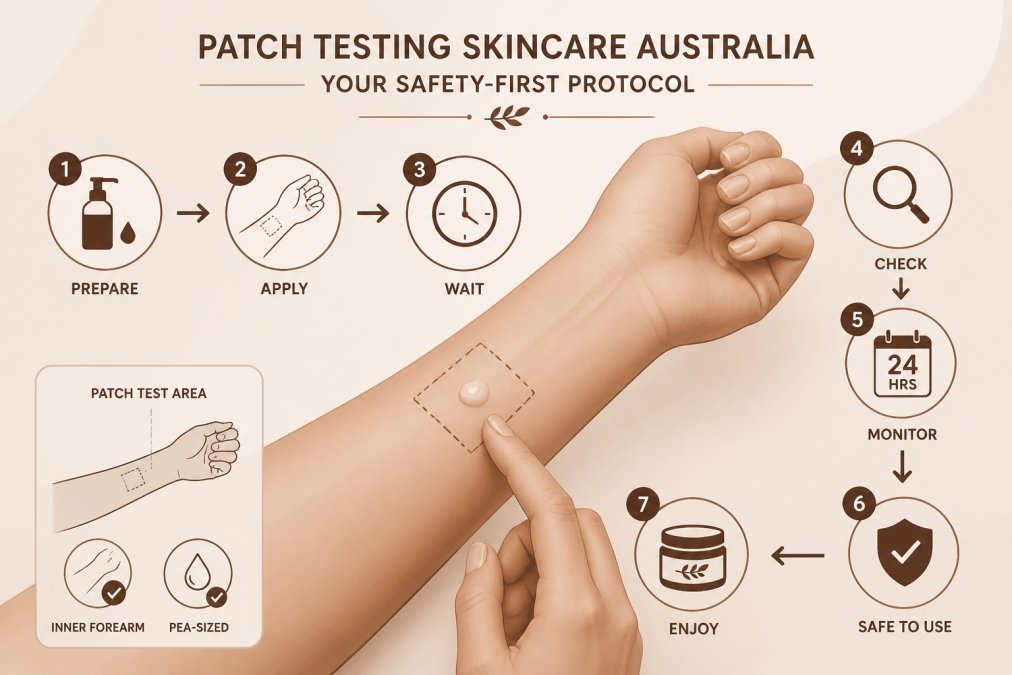
How to conduct a proper patch test
Choose a small area on your inner forearm or behind your ear. Apply a small dab of the new product (about the size of a grain of rice) and leave it uncovered. Observe immediately, then after 15 minutes, 1 hour, 24 hours, and 48 hours. Look for redness, swelling, itching, or burning. If any appear, wash the area immediately and discontinue the product. If no reaction occurs after 48 hours, the product is likely safe for your face, but introduce it slowly anyway.
When introducing the new product to your full routine, use it just once every other day for the first week. If no reaction occurs, move to daily use.
Building a Minimalist Skincare Routine for Reactive Skin
The instinct when your skin is struggling is to add more products. The opposite is true. A minimalist approach is the fastest path to recovery.
Why less is more when skin is reactive
Every product you apply is a variable. Every ingredient is a potential trigger. A five-step routine means five sources of potential irritation. A two-step routine means two.
A truly minimal routine for reactive skin consists of:
- A gentle cleanser
- A hydrating serum or essence with barrier-supporting ingredients
- A moisturiser with ceramides and occlusives
That's it. No exfoliants, no active treatments, no targeted serums. Your only goal is barrier repair.
Morning and evening essentials
Your morning routine should take under 2 minutes: cleanse with lukewarm water and your gentle cleanser, apply your hydrating serum whilst skin is still damp, and follow with moisturiser. If you'll be in the sun, add a mineral sunscreen (SPF 30 minimum) as the final step.
Your evening routine is identical, except you can skip the sunscreen. Consistency matters more than complexity. Your skin learns to expect the same sequence and ingredients, which reduces stress and reactivity.
Morning vs. Evening Routines for Reactive Skin
Whilst the core steps remain the same, your morning and evening priorities differ slightly.
Daytime priorities: protection and calming
Your morning routine has two jobs: protect your skin from environmental stressors and keep inflammation low throughout the day. After your basic three-step routine, apply a mineral sunscreen with zinc oxide or titanium dioxide. These physical blockers reflect UV rays without penetrating or triggering sensitivity. Look for SPF 30 minimum, though SPF 50 is better for daily use.
If you wear makeup, choose mineral-based foundations and powders. Avoid anything with fragrance or silicones, which can trap heat and irritants against your skin.
Night-time focus: repair and recovery
Your evening routine is when barrier repair happens. After your basic three-step routine, consider adding a facial oil. Plant oils like rosehip, jojoba, or squalane provide additional lipids that support barrier function. Apply 2-3 drops over your moisturiser whilst skin is still slightly damp.
How to Introduce New Products Without Triggering Flare-Ups
Once your barrier has stabilised, typically after 8-12 weeks of consistent, minimal routine use, you can begin reintroducing other products. But the process must be deliberate and slow.
The two-week introduction rule
Introduce only one new product every two weeks. This timeline gives you enough time to see whether a reaction develops and enough time between introductions to isolate which product caused a problem.
Before introducing anything, patch test for 48-72 hours. If no reaction occurs, add the product to your routine, using it just once every other day for the first week. In week two, use it daily. Only after two weeks of daily use should you introduce the next new product.
Layering products safely
When you have multiple products, the order of application matters. Apply products from thinnest to thickest consistency:
- Cleanser
- Toner or essence (if using)
- Serums
- Moisturiser
- Facial oil or occlusive (if using)
- Sunscreen (morning only)
Wait 30-60 seconds between each step to allow absorption.
Product Type |
Consistency |
Wait Time |
Purpose |
|---|---|---|---|
Cleanser |
Liquid/Milk |
, |
Remove impurities |
Serum |
Lightweight |
30-60 seconds |
Hydrate and treat |
Moisturiser |
Medium |
30-60 seconds |
Seal hydration |
Facial Oil |
Thick |
30-60 seconds |
Occlusive barrier |
Sunscreen |
Variable |
, |
UV protection |
Common Mistakes to Avoid When Building Your Routine
The first mistake is introducing too many products at once. Start with three products and stick with them for at least four weeks before adding anything else. The second mistake is over-cleansing. Cleanse twice daily with lukewarm water and be gentle.
The third mistake is skipping moisturiser because you think it will make your skin greasy. Use a lightweight moisturiser if you're concerned about heaviness, but don't skip this step. The fourth mistake is using the wrong sunscreen. Many chemical sunscreens contain ingredients that irritate reactive skin. Stick with mineral sunscreens with zinc oxide or titanium dioxide.
The fifth mistake is giving up too soon. Barrier repair takes time. Most people see noticeable improvement within 4-6 weeks, but full recovery takes 8-12 weeks.
Frequently Asked Questions
What is the difference between reactive skin and sensitive skin?
Reactive skin flares up unpredictably in response to specific triggers—products, weather, stress, or hormones—and can improve quickly once the trigger is removed. Sensitive skin is a persistent condition where the skin barrier is naturally fragile and requires ongoing gentle care. Reactive skin responds well to a minimalist skincare routine focused on barrier repair and calming ingredients, whereas sensitive skin benefits from consistent, hypoallergenic products year-round. Both benefit from patch testing before introducing new products.
Why is patch testing skincare important for reactive skin?
Patch testing prevents full-face reactions by introducing one new product to a small, hidden area first—typically behind the ear or on the inner arm. This allows you to observe how your reactive skin responds over 24–48 hours before committing to the product. For reactive skin, this safety-first protocol is essential because even gentle formulas can occasionally trigger inflammation in individuals with compromised skin barriers. Always patch test new serums, moisturisers, and active ingredients before applying them to your entire face.
What are the best ingredients for reactive skin and barrier repair?
Look for ceramides, hyaluronic acid, and plant-based antioxidants like green tea and calendula—these support the lipid barrier and reduce inflammation. Avoid fragrance, essential oils, retinoids, and exfoliants until your skin barrier has healed. COSMOS-certified organic products formulated with Australian botanicals offer clean, plant-based alternatives without synthetic detergents or irritating actives. Ingredients like centella asiatica and panthenol are particularly effective for calming reactivity and restoring skin health without triggering further sensitivity.
Can I keep a minimalist skincare routine if I have reactive skin?
Yes—in fact, a minimalist routine is often ideal for reactive skin. Start with just three steps: a gentle cleanser, a hydrating moisturiser with ceramides, and SPF during the day. Once your barrier is stable, you can slowly introduce one calming treatment (like a soothing serum) in the evening. Avoid layering multiple active ingredients or exfoliants, as this overwhelms reactive skin. The key is consistency with fewer, well-chosen products rather than a complex routine with many steps.
Best Sellers
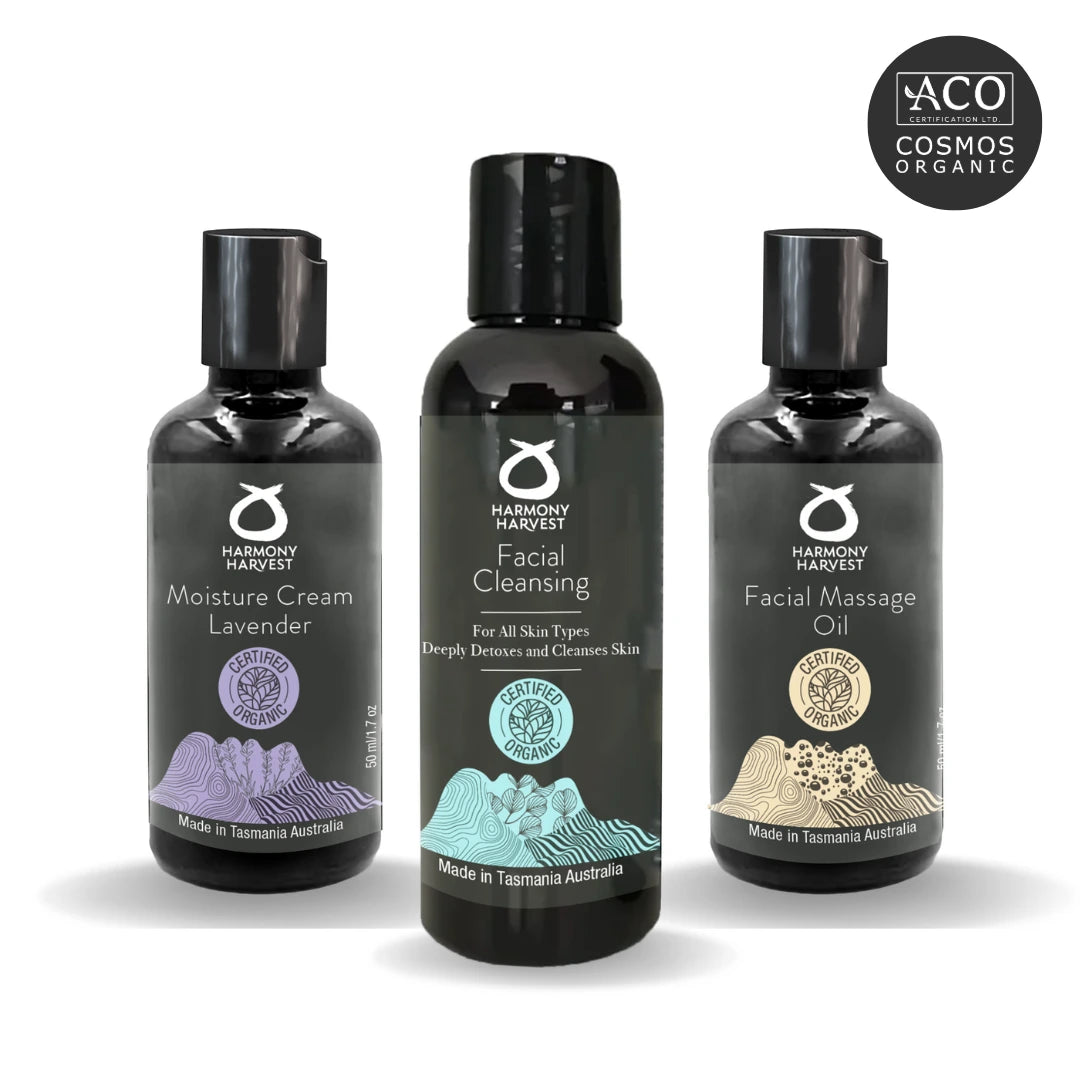
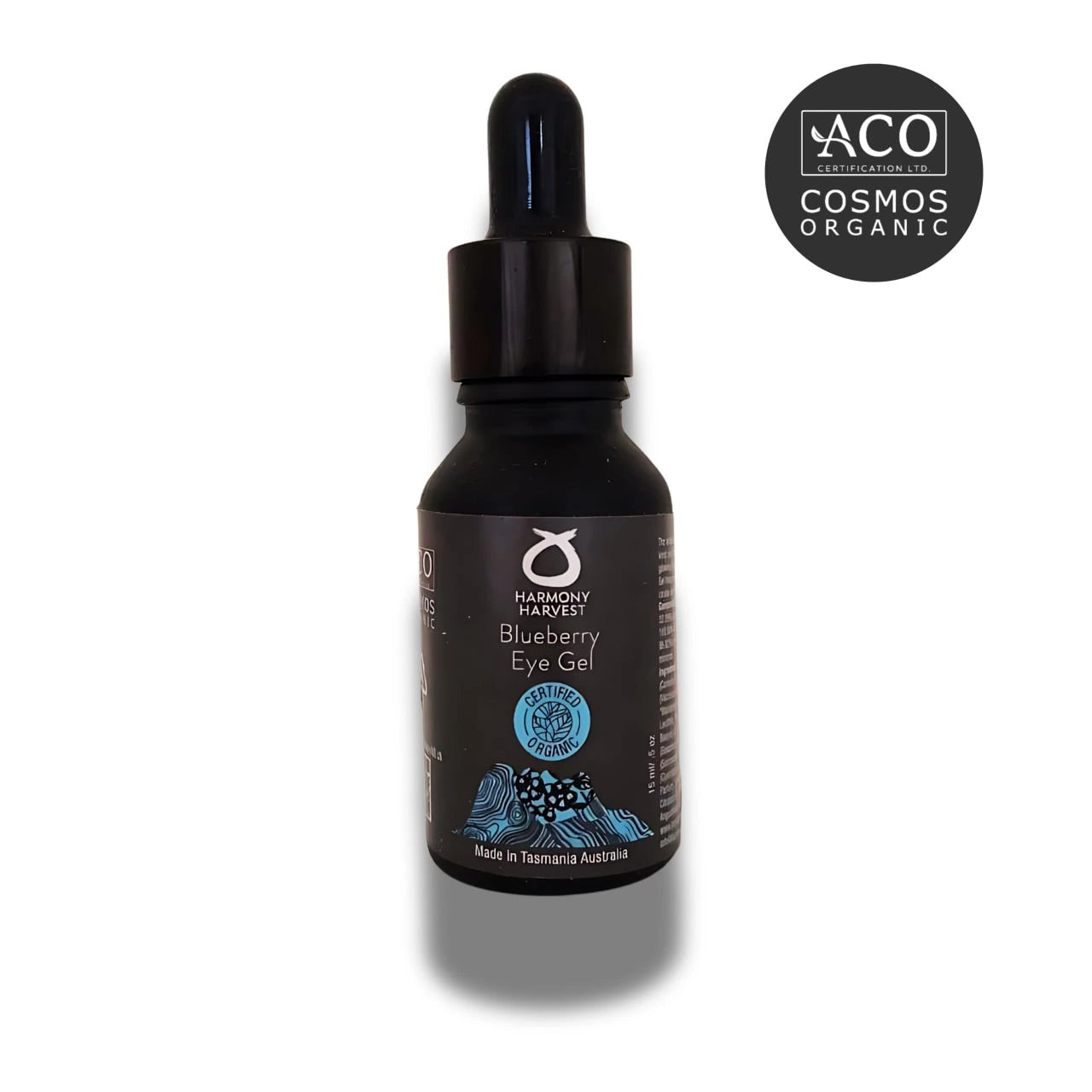

Read more
Is Organic Vegan Skincare Worth It for Mature Skin?
Is organic vegan skincare worth it for mature skin: Organic vegan skincare for mature skin: discover whether COSMOS-certified formulas deliver real.
Read more
Refillable Skincare for Sensitive Skin: Is It Worth It?
Refillable skincare sensitive skin: Discover if refillable skincare is worth it for sensitive skin. Learn about safety, cost savings, and environmental.
Read more