


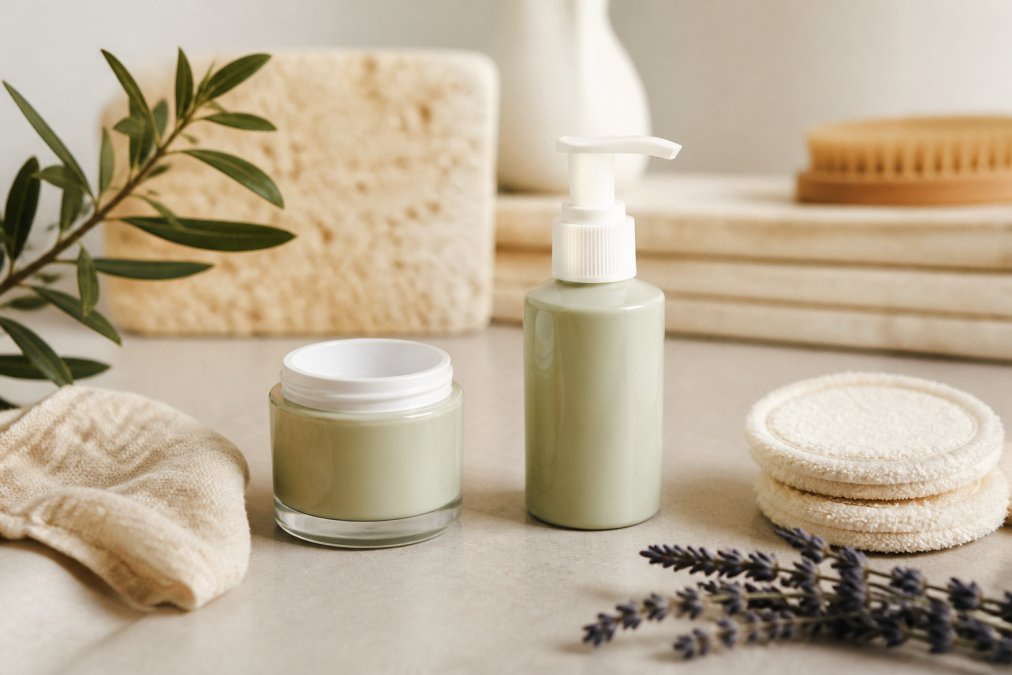
Refillable Skincare for Sensitive Skin: Is It Worth It?
Table of Contents
- Is Refillable Skincare Worth It for Sensitive Skin?
- How Refillable Systems Work and Why Hygiene Matters
- Ingredients to Avoid for Sensitive Skin
- Vegan Skincare for Sensitive Skin in Australia
- Benefits of Refillable Beauty for Sensitive Skin
- Best Refillable Skincare Australia: What to Look For
- Troubleshooting Reactions: When Refillable Skincare Doesn't Work
- Is Refillable Skincare Right for Your Sensitive Skin?
Last Updated: July 31, 2026
Is Refillable Skincare Worth It for Sensitive Skin?
The question of whether is refillable skincare worth it for sensitive skin has become increasingly relevant as Australians seek sustainable beauty solutions without compromising skin health. Many people with sensitive skin hesitate about switching to refillable systems, fearing irritation or contamination risks. The truth is more nuanced: refillable skincare can be excellent for sensitive skin, but only when you understand how to use these systems safely and select products formulated with genuine care for reactive skin barriers.
The Core Question: Safety, Cost, and Sustainability
When evaluating refillable skincare for sensitive skin, three interconnected concerns emerge: hygiene safety, long-term cost-effectiveness, and genuine environmental benefit. A refillable system only wins environmentally if you refill it multiple times; a single-use purchase negates that advantage entirely.
For sensitive skin, the hygiene concern is legitimate. Refillable containers must be cleaned thoroughly between refills to prevent microbial contamination, which can trigger inflammation, redness, or barrier damage. However, this risk is entirely manageable with proper sanitation protocols. The cost equation also matters: refill pods typically cost less per ounce than purchasing new bottles repeatedly. Over time, most people find refillable systems save money while reducing landfill contribution.
How Refillable Systems Work and Why Hygiene Matters
Most refillable systems use a two-part design: an outer vessel (typically glass or sturdy plastic) that you keep indefinitely, and inner cartridges or refill pods containing the actual product. When you refill, you either pour the new product directly into the vessel or insert a new cartridge, depending on the system design.
The critical point for sensitive skin is this: any bacteria, mould, or residual product left inside the outer vessel can contaminate your fresh refill. For people with compromised skin barriers, eczema, rosacea, or reactive dermatitis, this microbial contamination can trigger flare-ups and stall healing. Quality refillable systems minimise this risk through smart design: wide openings and smooth interiors that are easy to clean thoroughly.
Container Design and Microbial Safety
Glass is superior for sensitive skin because it's non-porous, doesn't harbour bacteria in microscopic scratches, and can withstand hot-water sanitisation without degrading. Plastic containers develop microscopic scratches over time that trap bacteria and are harder to sterilise completely. For sensitive skin, glass refillable containers are worth the slight weight and fragility trade-off.
The container opening size matters too. Wide-mouth vessels allow thorough access to the entire interior during cleaning. Narrow-neck bottles create dead zones where moisture and product residue accumulate, perfect breeding grounds for mould.
Preservative systems in the refill product also influence safety. Natural preservative systems, common in COSMOS-certified organic skincare, work differently than synthetic alternatives. They're gentler on reactive skin but require stricter hygiene practices because they're less aggressive at preventing microbial growth. Harmony Harvest's COSMOS-certified organic formulations use plant-based preservation systems, which is why proper cleaning becomes part of your skincare ritual.
How to Properly Clean and Sanitise Refillable Containers

Sanitation is where refillable skincare separates committed users from those who'll abandon the system. Here's the protocol that works for sensitive skin:
Immediate rinse (within 24 hours of finishing the product): Don't let residual product dry inside the vessel. Rinse with lukewarm water, using your fingers or a soft cloth to remove all visible product.
Deep clean (before each refill): Fill the container halfway with warm water and add a small amount of mild, fragrance-free dish soap. Use a long-handled soft brush or cloth to scrub the entire interior, paying special attention to corners and the base. Rinse thoroughly with clean water at least three times.
Dry completely: Stand the container upside down on a clean cloth for at least 2 hours, or use a lint-free cloth to dry the interior manually. Never store a damp container.
Optional sterilisation (for highly reactive skin): Fill the container with boiling water and let it sit for 10 minutes, then drain and dry completely. Don't do this more than weekly.
Storage: Keep refillable containers in a cool, dry place away from direct sunlight. A bathroom cabinet is ideal, provided it's not directly above a shower.
Ingredients to Avoid for Sensitive Skin
Choosing the right refillable product matters as much as maintaining the container. Sensitive skin reacts to specific ingredient categories, and refillable systems don't change this, they just make ingredient selection more consequential because you're committing to regular use.
Fragrance is the primary culprit. Even "natural" fragrance oils trigger reactions in reactive skin. Essential oils like lavender, citrus, and rose are common in "clean beauty" skincare but are potent allergens. Look for explicitly fragrance-free or unscented products.
Surfactants and cleansing agents can strip the skin barrier. Sodium lauryl sulfate (SLS) is the notorious one, but even gentler surfactants can be too harsh if your barrier is compromised. Creamy, oil-based cleansers are safer for sensitive skin than foaming formulas.
Alcohol denat (denatured alcohol) appears in many skincare products as a preservative or texture enhancer. It's drying and irritating for reactive skin. Check ingredient lists for "alcohol" in the first five ingredients.
Exfoliating acids (glycolic, lactic, salicylic) are inappropriate for sensitive skin, especially if your barrier is already compromised. If you need gentle exfoliation, look for enzymatic exfoliants derived from fruit or papaya, used sparingly.
Common Triggers and Allergens
Beyond major categories, specific ingredients commonly trigger sensitive skin reactions. Phenoxyethanol and methylisothiazolinone (MIT) are preservatives increasingly restricted because of allergy reports. Lanolin, often promoted as natural and moisturising, is a common allergen. Parabens trigger reactions in roughly 1-2% of the population.
Plant extracts can be problematic too. Chamomile, calendula, and aloe are soothing for some skin types but irritating for others. The assumption that "plant-based" equals "safe for sensitive skin" is precisely where many people go wrong. Harmony Harvest formulates with Australian botanicals chosen specifically for their low-allergen profiles and barrier-repair properties.
The safest approach: patch-test any new product on your inner arm or behind your ear for 48 hours before applying to your face.
Why COSMOS-Certified Organic Matters
COSMOS-certified organic skincare carries real meaning for sensitive skin. This certification requires that products contain no synthetic pesticides, no synthetic fragrances, and no harsh chemical preservatives. Certified organic standards also prohibit ingredients linked to skin sensitisation.
The distinction matters: "natural" and "organic" are unregulated marketing terms in Australia. Any brand can claim them. COSMOS certification is independently verified, audited annually, and backed by strict formulation standards. When you choose COSMOS-certified organic refillable skincare, you're getting transparent accountability.
Harmony Harvest's entire range is COSMOS-certified organic, which means every refillable product meets these rigorous standards. For sensitive skin, this peace of mind is worth seeking out.
Vegan Skincare for Sensitive Skin in Australia
Vegan skincare aligns naturally with sensitive skin needs because plant-based formulations typically exclude animal-derived ingredients that commonly trigger reactions. However, "vegan" and "safe for sensitive skin" aren't synonymous, vegan products can still contain irritating plant oils or synthetic preservatives.
Harmony Harvest's COSMOS-certified organic and vegan range demonstrates this maturity: every product is formulated without animal derivatives, without synthetic detergents, and with specific attention to barrier repair and redness reduction.
Plant-Based Alternatives to Synthetic Actives
Sensitive skin often reacts to synthetic actives like retinoids or high-dose niacinamide. Plant-based alternatives offer gentler pathways to anti-aging benefits. Bakuchiol, derived from the babchi plant, mimics retinoid benefits without the irritation. Plant squalane provides deep hydration without occlusive heaviness. Peptides derived from plant sources support skin barrier function without triggering sensitivity.
Antioxidants from Australian botanicals like kakadu plum (highest vitamin C content of any fruit globally), native pepperberry, and Davidson plum provide anti-aging and anti-inflammatory benefits without synthetic fragrance or preservatives. Over 8-12 weeks, barrier repair can become visible as redness reduces, texture smooths, and skin feels more resilient.
Benefits of Refillable Beauty for Sensitive Skin
Choosing refillable skincare specifically formulated for sensitive skin delivers interconnected benefits that extend beyond environmental impact.
Environmental Impact and Waste Reduction
Single-use plastic skincare bottles contribute significantly to Australian landfills. A typical person using conventional skincare generates empty bottles per year. Refillable systems reduce this to one vessel lasting indefinitely, with only recyclable refill pods added to waste streams. Over three years of regular refills, a single refillable system can save packaging waste and reduce associated carbon emissions compared to single-use alternatives.
Cost-Effectiveness of Refills Over Time
The financial case for refillable skincare strengthens over time. Refill pods cost significantly less per ounce than purchasing new bottles. Most people find savings after an initial investment.
Best Refillable Skincare Australia: What to Look For
Evaluating refillable skincare options requires assessing container quality, formulation integrity, and brand transparency. Not all refillable systems are created equal, and for sensitive skin, the differences are consequential.
Material Compatibility and Formulation Integrity
The outer vessel material must be compatible with the product's formulation. Glass eliminates the risk of chemical leaching entirely. For sensitive skin, glass refillable containers are a safe choice.
Formulation integrity depends on preservative systems and packaging design. Natural preservative systems are more vulnerable to contamination if the container isn't sealed perfectly. This is why refillable systems with tight-sealing lids are essential for sensitive skin products.
The refill pod design matters too. Refills that pour cleanly without dripping reduce contamination risk. Refills that insert as sealed cartridges are safest because they minimise contact between the new product and the outer vessel's interior.
The 30-Day Organic Vegan Skincare Set: A Gentle Starting Point
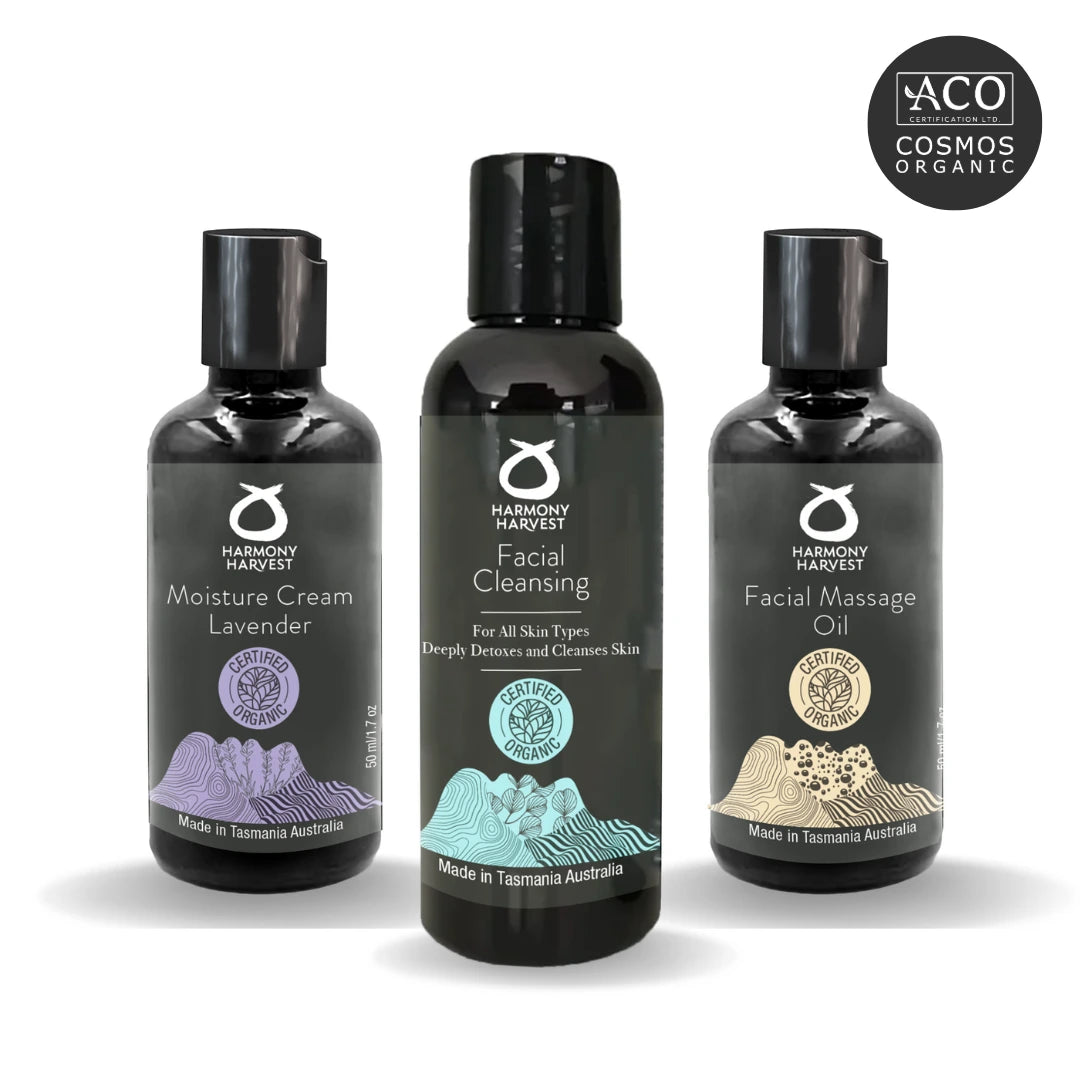
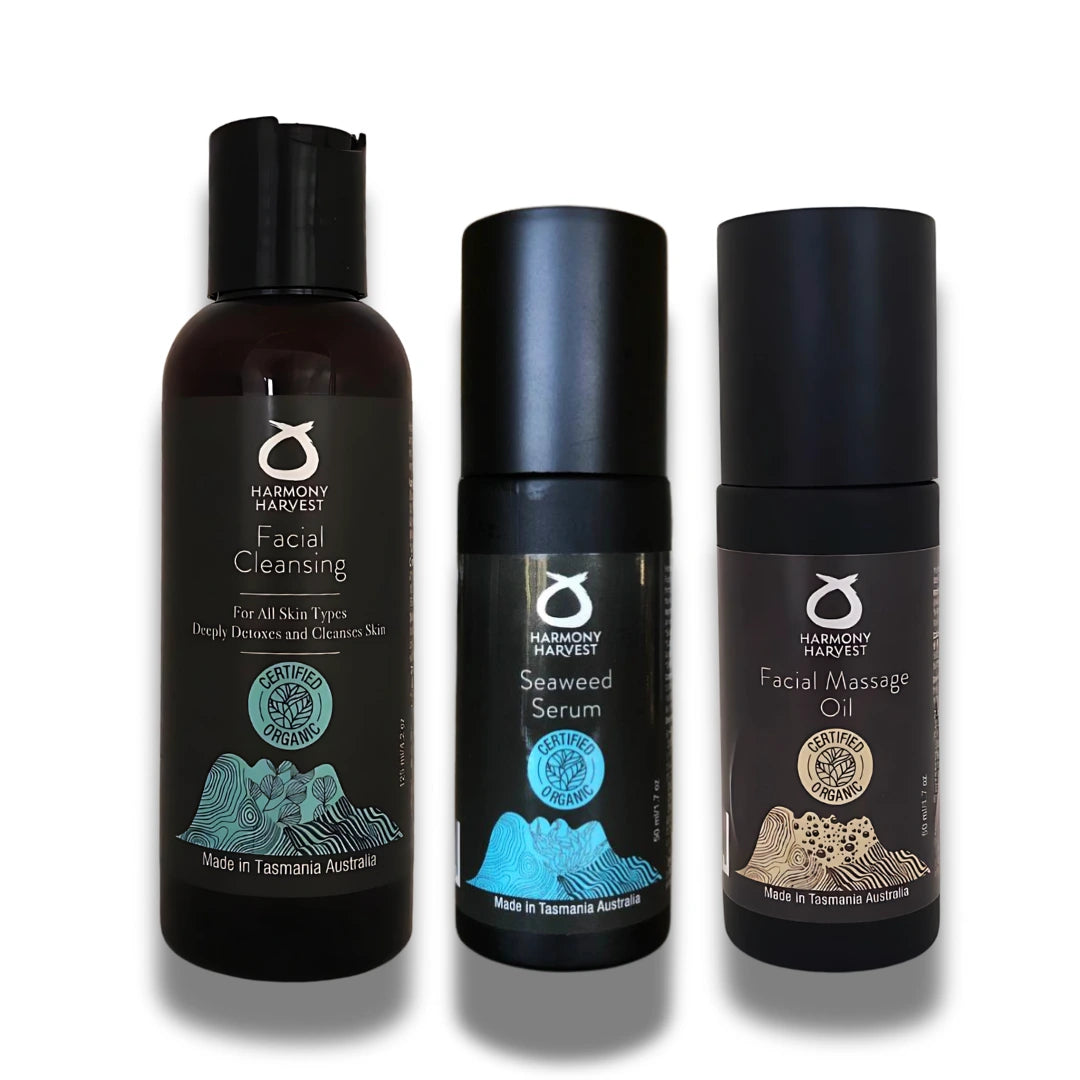
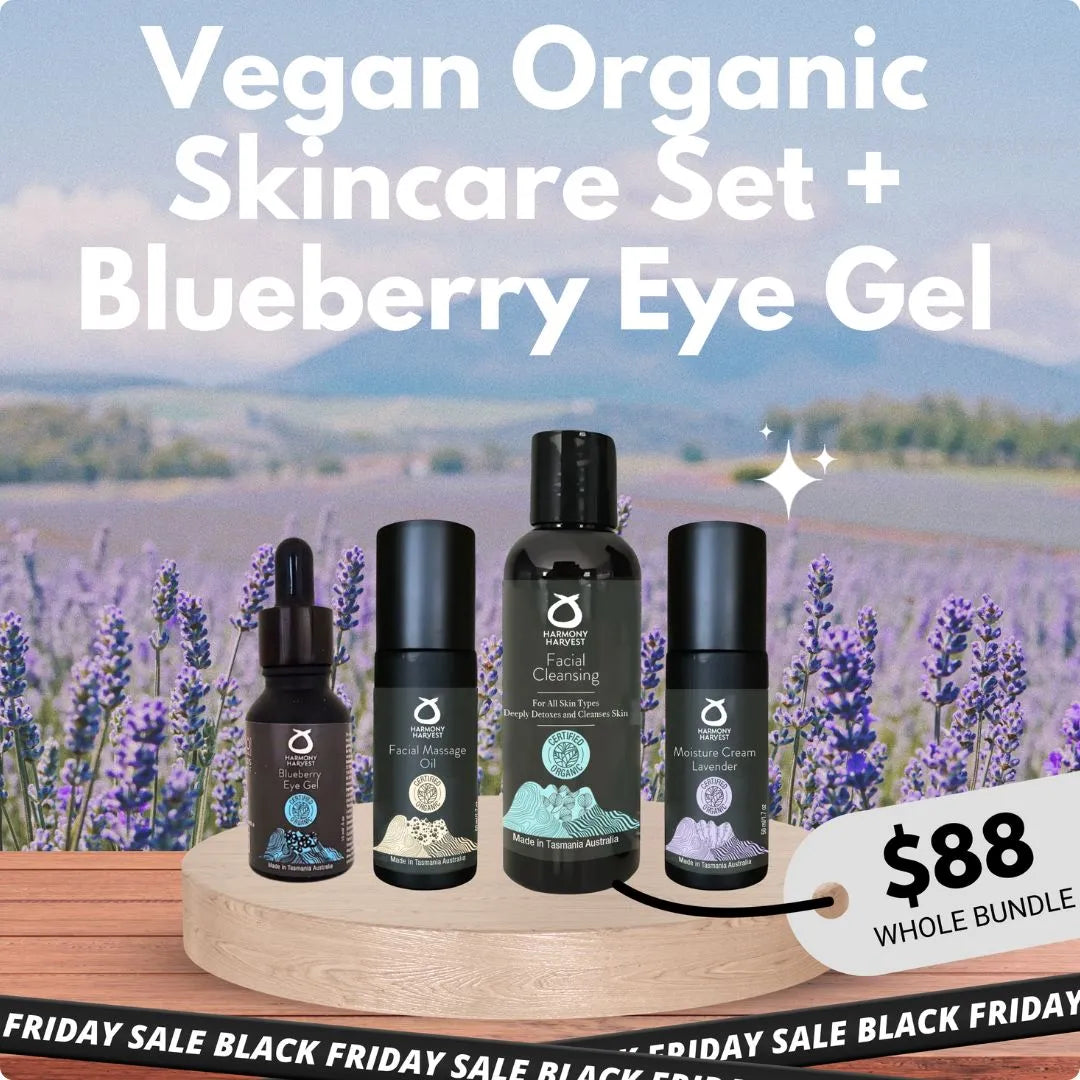
For people new to refillable skincare and managing sensitive skin, Harmony Harvest's 30-Day Organic Vegan Skincare Set offers a structured introduction without overwhelming complexity. This COSMOS-certified organic and vegan set includes three core products: a gentle facial cleanser, a nourishing facial massage oil, and a moisture cream, everything needed for a simplified, effective routine.
The set's genius lies in its simplicity. Rather than introducing many products simultaneously (a common mistake that triggers reactions in sensitive skin), this focused approach lets you assess how your skin responds to each product individually. The money-back guarantee removes financial risk if your skin doesn't respond well.
Each product is formulated with Australian botanicals chosen specifically for barrier repair and redness reduction. The cleanser removes impurities without stripping oils. The massage oil provides deep hydration and stimulates natural collagen production. The moisture cream seals in hydration and supports skin barrier function.
Starting with this set, then gradually adding other Harmony Harvest products as your skin stabilises, is the safest path for sensitive skin transitioning to refillable skincare. Once you've completed the initial set, you can purchase refills of whichever products your skin loves most, reducing packaging waste while maintaining the simplicity that keeps sensitive skin stable.
Troubleshooting Reactions: When Refillable Skincare Doesn't Work
Despite careful selection, some people experience reactions to refillable skincare products. Understanding why helps you course-correct without abandoning the approach entirely.
Reaction timing matters. If irritation appears within 24-48 hours of starting a new product, the issue is likely the formulation itself. If irritation appears after 1-2 weeks of consistent use, the culprit might be microbial contamination in the refillable container. If redness or texture changes appear gradually over weeks, your skin barrier might be sensitised by cumulative exposure to an ingredient.
Patch-testing is non-negotiable. Apply the new product to a small area (inner arm or behind your ear) for 48 hours before using it on your face.
Sanitation failures are fixable. If you suspect container contamination, deep-clean using the protocol outlined earlier, then let the vessel dry completely for 48 hours before refilling.
Formulation sensitivity requires elimination testing. If a product triggers reactions, stop using it for two weeks and let your skin baseline return to normal. Then reintroduce it once weekly to identify whether the reaction was genuine sensitivity.
Barrier damage recovery takes time. If your skin barrier is severely compromised, it might need 4-8 weeks of extremely gentle care before it tolerates any active ingredients. During this period, use only a cleanser, a barrier-repair moisturiser, and sunscreen.
Is Refillable Skincare Right for Your Sensitive Skin?
The answer depends on three personal factors: your commitment to proper sanitation, your willingness to invest in quality containers, and your skin's specific sensitivities.
Choose refillable skincare if: You're willing to follow strict cleaning protocols, you refill products regularly, you value ingredient transparency and COSMOS-certified organic formulations, and you're patient with gradual results.
Reconsider refillable skincare if: You're unwilling to commit to thorough container sanitation, you prefer convenience over sustainability, your skin is so severely reactive that any change triggers flare-ups, or you need prescription-strength actives.
Hybrid approach: Start with Harmony Harvest's 30-Day Organic Vegan Skincare Set to assess whether your skin tolerates the formulations. If your skin responds well over 30 days, transition one product at a time to refillable versions. This staged approach minimises risk while allowing you to experience the environmental and financial benefits of refillable skincare without overwhelming your sensitive skin.
The worth of refillable skincare for sensitive skin ultimately comes down to this: if you're willing to invest in proper sanitation and choose formulations specifically designed for reactive skin, refillable systems deliver superior environmental outcomes, long-term cost savings, and the peace of mind that comes from knowing exactly what's touching your skin.
If you're ready to experience the benefits of refillable, COSMOS-certified organic skincare specifically formulated for sensitive skin, explore Harmony Harvest's 30-Day Organic Vegan Skincare Set. This thoughtfully curated collection delivers barrier repair, redness reduction, and deep hydration without harsh chemicals or synthetic detergents, all in refillable packaging that reduces your environmental impact. Discover the full Facial Care collection to find which products resonate with your skin's unique needs, knowing that every item is COSMOS-certified organic, vegan, and cruelty-free.
Frequently Asked Questions
Are refillable skincare products safe for sensitive skin?
Yes, refillable skincare can be safe for sensitive skin when containers are properly cleaned and sanitised before each refill. The key is preventing microbial contamination through careful hygiene practices. Choose refillable systems with sealed, airtight designs and glass or food-grade containers. Ensure refill products are formulated without common irritants like synthetic fragrances, harsh detergents, or allergens. COSMOS-certified organic formulations are particularly beneficial because they exclude synthetic chemicals that often trigger sensitivity.
What ingredients should sensitive skin avoid in refillable skincare?
Sensitive skin should avoid synthetic fragrances, sulphates, parabens, phenoxyethanol, and essential oils in high concentrations. Also steer clear of alcohol denat, synthetic dyes, and common irritants like benzoyl peroxide or salicylic acid unless specifically recommended by a dermatologist. Look for fragrance-free, hypoallergenic formulations that prioritise plant-based, gentle actives. COSMOS-certified organic products are screened to exclude many of these irritants, making them a safer choice for barrier repair and reducing redness.
How does refillable skincare benefit the environment in Australia?
Refillable skincare significantly reduces single-use plastic waste and the carbon footprint associated with packaging production and landfill contribution. By reusing the same outer vessel, you eliminate the need for new containers with each purchase, supporting a circular economy. Glass and durable refillable containers last years, whereas conventional packaging often ends up in landfill within months. This sustainable beauty approach aligns with Australia's growing commitment to waste reduction and environmental responsibility.
Is vegan skincare good for sensitive skin?
Vegan skincare can be excellent for sensitive skin because it avoids animal-derived ingredients that sometimes trigger reactions. Plant-based formulations often contain fewer synthetic additives and harsh preservatives. However, not all vegan products are hypoallergenic—check ingredient lists carefully. COSMOS-certified organic vegan products offer the highest standard of safety, combining plant-based purity with rigorous organic certification. This means you get clean, toxin-free formulations designed to support barrier repair without irritation.
What makes refillable skincare worth the investment for sensitive skin?
Refillable skincare is worth it for sensitive skin because it combines safety, sustainability, and long-term savings. You reduce exposure to irritants through careful product selection, minimise packaging waste, and often save money per ounce over time with refills. The ability to reuse trusted containers means less disruption to your skin barrier—consistency is crucial for sensitive skin. Starting with a comprehensive set like the 30-Day Organic Vegan Skincare range allows you to experience the full benefits of COSMOS-certified organic formulations without committing to multiple single products.
Best Sellers
Read more

How to Build a Reactive Skin Routine for Beginners
Learn how to build a reactive skin routine for beginners. Discover patch testing, barrier repair, and minimalist steps to soothe sensitive skin.
Read more
Gentle Shampoo for Irritated Scalp: Complete Guide
Find the right gentle shampoo for irritated scalp. Learn what causes scalp irritation, ingredients to avoid, and how to soothe your scalp naturally.
Read more