


Gentle Shampoo for Irritated Scalp: Complete Guide
Table of Contents
- What Causes Scalp Irritation
- Why a Gentle Shampoo for Irritated Scalp Matters
- Key Ingredients to Look For in a Gentle Shampoo
- Ingredients to Avoid for Sensitive Scalp
- Natural Remedies for Itchy Scalp Beyond Shampoo
- How to Choose the Right Gentle Shampoo for Your Scalp Type
- Environmental Factors That Worsen Scalp Irritation
- Building a Scalp-Friendly Hair Care Routine
Gentle Shampoo for Irritated Scalp: Complete Guide
Last Updated: August 3, 2026
What Causes Scalp Irritation
Your scalp is far more delicate than most people realise. It's home to a complex ecosystem of microorganisms that maintain balance when conditions are right, but falter when disrupted.
Common culprits include harsh chemical cleansers, allergic reactions to fragrances or preservatives, and inflammatory skin conditions like seborrheic dermatitis. Heat styling, frequent washing, and chlorinated water strip away the scalp's natural protective oils, leaving it vulnerable to irritation and flaking.
Many conventional shampoos worsen the problem. Their aggressive surfactants damage the scalp barrier, the delicate layer of oils and healthy cells that keeps irritants out. Once compromised, itching, redness, and sensitivity intensify, creating a difficult cycle to break.
At Harmony Harvest, we understand that scalp health forms the foundation of beautiful hair. Our COSMOS-certified organic formulations work with your scalp's natural chemistry instead of against it, restoring balance rather than stripping away natural oils.
Why a Gentle Shampoo for Irritated Scalp Matters
How harsh cleansers damage the scalp barrier
The scalp barrier functions like a protective shield, regulating moisture and blocking irritants. Conventional shampoos containing sulfates, particularly sodium lauryl sulfate (SLS), act as degreasers, stripping sebum so effectively that your scalp overcompensates by producing even more oil, triggering a feedback loop of greasiness and irritation.
Parabens accumulate in scalp tissue and can trigger inflammatory responses in sensitive individuals. Silicones trap moisture underneath, creating an environment where bacteria and fungi thrive. Synthetic fragrances are perhaps the worst offenders, they're a cocktail of undisclosed chemicals that frequently cause contact dermatitis, a delayed allergic reaction appearing 24-48 hours after exposure.
Damage isn't always immediate. Many people use harsh shampoos for months before their scalp barrier becomes so compromised that visible symptoms emerge.
The role of pH balance in scalp health
Your scalp maintains a slightly acidic pH of around 4.5-5.5, crucial because it inhibits harmful bacteria and fungi while supporting beneficial microbes. Most conventional shampoos have a pH of 7 or higher, disrupting the scalp's natural defences.
When pH climbs above 5.5, the scalp barrier weakens, water loss increases, and pathogenic organisms multiply. A properly formulated gentle shampoo maintains the scalp's natural acidity, supporting the microbiome and reducing irritation without additional active ingredients.
Key Ingredients to Look For in a Gentle Shampoo
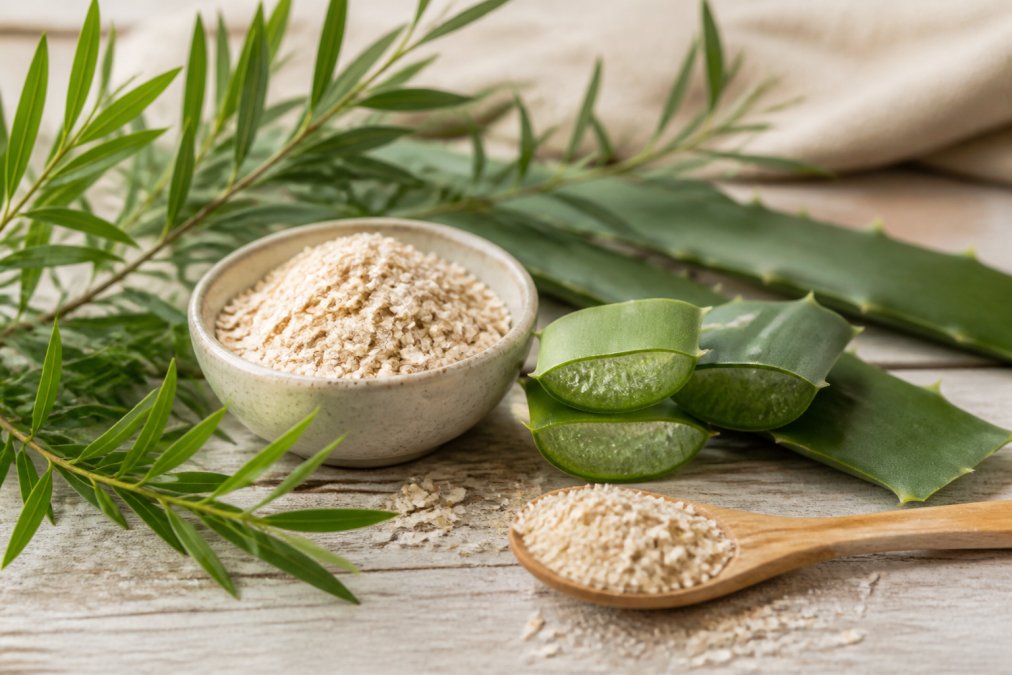
Soothing agents: aloe vera, tea tree oil, and colloidal oatmeal
Aloe vera is one of nature's most effective anti-inflammatory agents. It contains polysaccharides that penetrate the scalp, reduce redness, and calm irritation within hours.
Tea tree oil has been used for centuries in traditional medicine, and modern research supports its effectiveness. The active compound, cineole, reduces bacterial overgrowth without the toxicity of chemical antimicrobials. Even 1-2% concentration in a shampoo provides noticeable relief for itchy, inflamed scalps.
Colloidal oatmeal is finely ground oat kernels suspended in liquid. When applied to the scalp, they form a protective barrier while releasing beta-glucans, compounds that reduce inflammation and restore moisture. People with eczema-prone or psoriatic scalps often see dramatic improvement within a week.
Natural extracts that support scalp microbiome health
The scalp microbiome, the community of bacteria, fungi, and microorganisms living on your head, plays a far larger role in scalp health than most people understand. When balanced, it produces natural antimicrobial compounds and maintains pH stability.
Chamomile extract supports beneficial bacteria while gently inhibiting problematic species. Rosehip oil, rich in vitamins A and C, nourishes the scalp without clogging pores. Jojoba oil mimics the scalp's natural sebum so closely that it regulates oil production.
These plant extracts work synergistically, creating conditions where the scalp's own defences function properly. This is the philosophy behind COSMOS-certified organic formulations: support the body's natural processes rather than overriding them with synthetic actives.
Ingredients to Avoid for Sensitive Scalp
Sulfates, parabens, and silicones explained
Sulfates are surfactants that create lather and remove oil. Sodium lauryl sulfate (SLS) and sodium laureth sulfate (SLES) are chosen by manufacturers because they're cheap and effective, but too effective. They strip the scalp of all oils, including beneficial ones.
Parabens are preservatives that prevent bacterial and fungal growth. While regulatory bodies consider them safe at approved concentrations, they accumulate in scalp tissue and can trigger delayed allergic reactions. For sensitive scalps, even trace amounts can cause flaring.
Silicones coat the hair shaft to create smoothness. On the scalp, they trap moisture and create an occlusive barrier that suffocates the skin. Over weeks of use, silicone buildup leads to scalp congestion, itching, and a greasy appearance.
Why fragrance can trigger irritation
Fragrance in shampoos is almost never a single ingredient, it's a blend of dozens of chemical compounds, many undisclosed because formulations are proprietary. Synthetic fragrances penetrate deeply into the scalp, triggering contact dermatitis in sensitive individuals.
Natural essential oils used as fragrances can be problematic too. Lavender, lemongrass, and tea tree oil are antimicrobial but potent irritants at high concentrations. A fragrance-free or minimally scented shampoo removes this variable entirely.
Natural Remedies for Itchy Scalp Beyond Shampoo
Scalp massage techniques and their benefits
Scalp massage is one of the most underrated tools for managing irritation. When you massage your scalp with gentle, circular motions using your fingertips, you increase blood flow to hair follicles and stimulate the lymphatic system. Improved circulation delivers more oxygen and nutrients to the scalp, accelerating healing.
Use the pads of your fingers to apply gentle pressure in small circles, moving systematically across the scalp from front to back. Spend 3-5 minutes daily, ideally in the evening. The pressure should feel pleasant, never painful.
Scalp massage also helps distribute natural oils more evenly. Many people with irritated scalps have uneven oil distribution; massage encourages sebaceous glands to distribute oils uniformly, reducing both dry patches and greasy areas.
How to integrate scalp treatments into your routine
A scalp treatment differs from shampoo. While shampoo cleanses, a treatment nourishes and heals. Use a gentle shampoo 2-3 times weekly, then apply a scalp treatment on alternate days or as needed.
Apply the treatment directly to damp scalp, focusing on tight, itchy, or flaky areas. Leave it on for 10-15 minutes; you can cover your head with a warm towel to enhance penetration. Rinse thoroughly with lukewarm water.
Frequency depends on your scalp's condition. Severely irritated scalps benefit from treatments 3-4 times weekly initially, then tapering to once weekly as symptoms improve.
How to Choose the Right Gentle Shampoo for Your Scalp Type
Dry scalp versus dandruff: recognising the difference
Dry scalp feels tight, itchy, and flaky with small, white flakes. The scalp produces insufficient sebum, leaving it dehydrated. Dandruff is caused by overgrowth of Malassezia, a yeast naturally present on all scalps. Dandruff flakes are larger, yellowish, and often accompanied by an oily scalp.
Dry scalp responds well to shampoos with hydrating ingredients like aloe vera, glycerin, and plant oils. Dandruff requires ingredients that gently inhibit yeast overgrowth without stripping the scalp, such as tea tree oil.
To determine which you have, examine your scalp 24 hours after shampooing. Fine, white flakes indicate dry scalp; larger, yellowish flakes suggest dandruff.
Matching ingredients to your specific scalp condition
For dry scalp, prioritise shampoos with colloidal oatmeal, aloe vera, and plant oils. These restore hydration without stimulating further oil production. Avoid high concentrations of tea tree oil, which can be drying.
For dandruff-prone scalp, choose shampoos with tea tree oil or chamomile. If dandruff doesn't improve after 3-4 weeks, consult a dermatologist; you might have seborrheic dermatitis, which requires a different approach.
For sensitive scalp with redness and inflammation, focus on soothing ingredients: aloe vera, colloidal oatmeal, and chamomile. Ensure the shampoo is fragrance-free and free from sulfates and parabens.
| Scalp Condition | Key Ingredients | Ingredients to Avoid | Recommended Frequency |
|---|---|---|---|
| Dry scalp | Aloe vera, colloidal oatmeal, plant oils | Tea tree oil (high %), sulfates | 2-3 times weekly |
| Dandruff-prone | Tea tree oil, chamomile | Heavy oils, silicones | 2-3 times weekly |
| Sensitive/inflamed | Aloe vera, chamomile, fragrance-free formula | Fragrance, parabens, sulfates | 2-3 times weekly |
| Combination (oily + dry) | Chamomile, jojoba oil, pH-balanced formula | Silicones, heavy oils | 3-4 times weekly |
Environmental Factors That Worsen Scalp Irritation
Water quality plays a larger role than most people realise. Hard water deposits calcium and magnesium on the scalp, creating buildup that traps bacteria and irritates the skin. If you live in a hard water area, consider installing a shower filter or using a chelating shampoo once monthly.
Temperature extremes also trigger irritation. Hot water strips protective oils; cold water can shock the system. The ideal water temperature is lukewarm (around 35-37°C). Finish with a cool rinse to seal the scalp's cuticle.
Humidity and seasonal changes affect scalp health. In winter, heating systems dry the air; in summer, heat and humidity trigger increased sebum production. Adjust your routine seasonally.
Stress is a significant but often overlooked factor. Chronic stress elevates cortisol, triggering inflammation throughout the body, including the scalp. Regular scalp massage, adequate sleep, and stress management help stabilise the scalp environment.
Building a Scalp-Friendly Hair Care Routine
Frequency, water temperature, and application technique
Most people over-wash their hair. Shampooing daily strips the scalp, triggering compensatory overproduction. For irritated scalps, limit washing to 2-3 times weekly initially.
Always use lukewarm water (around 35-37°C) for shampooing. Finish every wash with a 15-20 second cool rinse to seal the scalp's cuticle and reduce water loss.
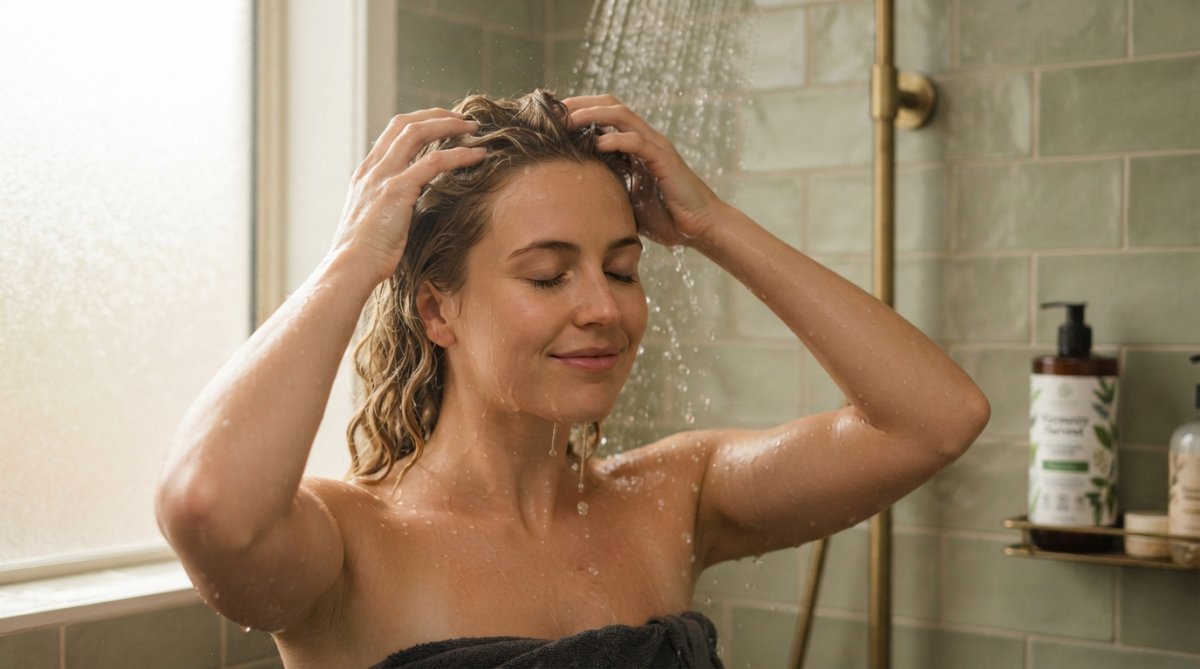
Wet your hair thoroughly, then apply shampoo to the scalp (not the ends). Use your fingertips to massage the shampoo into the scalp with gentle, circular motions for 60-90 seconds. Rinse thoroughly; incomplete rinsing leaves residue that irritates the scalp.
When to seek professional advice
If your scalp irritation persists beyond 4-6 weeks of consistent use of a gentle shampoo, or if it worsens, consult a dermatologist. Conditions like seborrheic dermatitis, psoriasis, and contact dermatitis require professional diagnosis.
If you develop signs of infection, pustules, weeping, or significant warmth, seek medical attention promptly. A dermatologist can also perform patch testing to identify specific ingredient sensitivities.
Scalp irritation doesn't have to be permanent. The key is choosing a gentle shampoo that supports your scalp's natural healing processes rather than working against them.
Harmony Harvest's Hair Care collection features COSMOS-certified organic, vegan formulations crafted from pure Australian botanicals. Each product is designed to restore scalp balance through nourishing plant extracts like aloe vera, colloidal oatmeal, and tea tree oil, without sulfates, parabens, synthetic fragrances, or silicones.
Explore the Harmony Harvest Hair Care collection and discover formulations specifically designed for sensitive, irritated scalps. Every product is COSMOS-certified organic, vegan, and cruelty-free, because healing your scalp shouldn't come at the cost of your values.
Frequently Asked Questions
What is the best gentle shampoo for an irritated scalp?
The best gentle shampoo for irritated scalp depends on your specific condition. Look for fragrance-free, sulfate-free formulas with soothing ingredients like colloidal oatmeal, aloe vera, or tea tree oil. Choose a pH-balanced option that supports your scalp barrier. Products from Harmony Harvest's Hair Care collection are COSMOS-certified organic and vegan, formulated to cleanse gently without harsh detergents. Always patch test first if your scalp is extremely reactive.
What ingredients should I avoid if I have a sensitive scalp?
Avoid sulfates (SLS/SLES), parabens, silicones, and synthetic fragrances, as these commonly trigger irritation and scalp barrier damage. Also steer clear of harsh alcohols and heavy oils that can build up on sensitive skin. Check labels for 'fragrance-free' rather than 'unscented', as the latter may still contain masking fragrances. Look instead for gentle, naturally derived cleansers and plant-based soothing agents that respect your scalp's microbiome.
How can I soothe an extremely irritated scalp at home?
Start with a gentle shampoo for irritated scalp, then apply cool water rinses to reduce inflammation. Use a soft-bristled brush or fingertips only when massaging. Apply natural remedies like diluted tea tree oil or aloe vera gel between washes. Reduce washing frequency to 2-3 times weekly, use lukewarm water, and avoid tight hairstyles. If irritation persists beyond two weeks or worsens, consult a dermatologist to rule out seborrheic dermatitis or contact dermatitis.
Is there a difference between dry scalp and dandruff?
Yes. Dry scalp produces small, fine flakes from dehydration and feels tight and uncomfortable. Dandruff involves larger, oily flakes from scalp microbiome imbalance and often causes itching. Dry scalp benefits from hydrating, gentle shampoos with moisture-retention ingredients. Dandruff may require anti-inflammatory ingredients like colloidal oatmeal or tea tree oil. A gentle shampoo for irritated scalp can address both, but if one persists, seek professional diagnosis to ensure you're treating the right condition.
This article was written using GrandRanker
Best Sellers

Read more
Refillable Skincare for Sensitive Skin: Is It Worth It?
Refillable skincare sensitive skin: Discover if refillable skincare is worth it for sensitive skin. Learn about safety, cost savings, and environmental.
Read more
Best Facial Cleanser for Your Skin Type: A 2026 Guide
Find the best facial cleanser for your skin type. Compare gentle formulas, cleansing methods, and COSMOS-certified organic options. Discover yours today.
Read more