



Skincare for Sensitive Skin: A Complete Guide
Table of Contents
- Understanding Sensitive Skin and Its Triggers
- Signs of Sensitive Skin You Shouldn't Ignore
- Key Ingredients That Support Sensitive Skin
- Ingredients to Avoid When You Have Sensitive Skin
- How to Repair Your Skin Barrier Naturally
- Calming Skincare Routine Steps for Daily Care
- Building a Minimalist Routine That Works
- Patch Testing and Transitioning to New Products
Last Updated: August 18, 2026
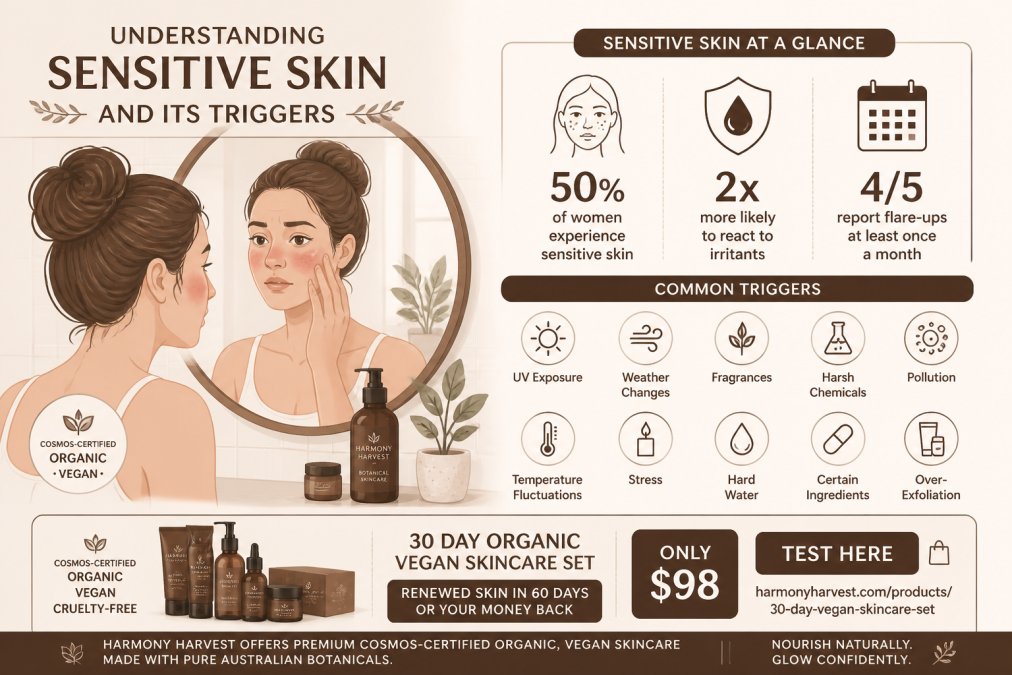
Understanding Sensitive Skin and Its Triggers
Sensitive skin is a condition where your skin reacts more intensely than it should to common products, environmental factors, or physical contact. At Harmony Harvest, we understand that this isn't simply a skin type, it's a state of heightened reactivity that requires a thoughtful, gentle approach to skincare for sensitive skin. When your skin barrier is compromised, even mild irritants can trigger redness, burning, itching, or tightness.
The triggers behind sensitive skin vary widely from person to person. Environmental factors like temperature changes, humidity shifts, and pollution can provoke reactions. Lifestyle elements matter too: stress, sleep deprivation, and diet influence how your skin responds. Product ingredients are another major culprit. Fragrances, essential oils, sulfates, and synthetic preservatives are common irritants that many people with sensitive skin cannot tolerate.
What makes this condition frustrating is that sensitivity often develops gradually. You might use a product without issue for months, then suddenly experience a reaction. This happens because your skin barrier, the outermost layer responsible for protecting deeper layers and retaining moisture, can become compromised over time through overuse of harsh products, excessive exfoliation, or repeated exposure to irritating ingredients.
Understanding your personal triggers is the first step toward building a skincare routine that actually works. Some people find their sensitivity is triggered primarily by fragrance, whilst others react to preservatives or specific plant extracts. The key is paying attention to when reactions occur and working backwards to identify the common thread.
Signs of Sensitive Skin You Shouldn't Ignore
Recognising the signs of sensitive skin early helps you adjust your routine before damage deepens. The most obvious indicator is persistent redness, particularly around the cheeks, nose, and chin where skin tends to be thinner and more reactive. This redness may appear immediately after applying a product or develop gradually over several hours.
Burning or stinging sensations are another telltale sign. If your skin burns when you apply moisturiser, cleanser, or even water, your barrier is likely compromised. This sensation indicates that irritants are penetrating deeper layers where they shouldn't reach. Similarly, itching, especially intense itching that worsens when you touch your face, suggests inflammation and barrier dysfunction.
Tightness is a subtle but significant sign. Your skin may feel uncomfortably stretched, particularly after cleansing or in the morning. This tightness reflects a loss of hydration and a weakened barrier unable to retain moisture effectively. Flaking or rough patches that don't improve with moisturiser also point to sensitive skin, as does increased reactivity to products you previously tolerated.
Swelling or puffiness, particularly around the eyes and cheeks, can indicate allergic reactions or inflammatory responses. Some people with sensitive skin experience small bumps or a rough texture that appears suddenly. If you notice your skin becoming progressively more reactive over weeks or months, reacting to products that never bothered you before, this is a clear sign your barrier needs support.
The psychological impact of chronic skin sensitivity shouldn't be overlooked either. Many people with reactive skin experience anxiety about trying new products, avoid social situations due to visible redness, or feel frustration at the unpredictability of flare-ups. This emotional toll is real and valid, and it's one reason choosing the right skincare matters so much.
Key Ingredients That Support Sensitive Skin
When selecting skincare for sensitive skin, certain ingredients consistently soothe and support barrier repair. Ceramides are among the most important, these lipid molecules naturally occur in your skin and form part of the barrier structure. When your barrier is compromised, ceramide levels drop. Replenishing them through skincare helps restore the protective layer and reduce reactivity.
Hyaluronic acid is a humectant that draws moisture into the skin and holds it there, supporting hydration without irritation. Unlike many active ingredients, hyaluronic acid is gentle enough for even the most reactive skin types. It works best in formulations with other hydrating and soothing ingredients, which is why many effective sensitive skin products combine multiple supportive elements.
Niacinamide (vitamin B3) is remarkable for sensitive skin because it reduces inflammation, strengthens the barrier, and regulates sebum production, all without irritating even reactive complexions. This ingredient also helps calm redness and supports skin resilience over time. Many dermatologists recommend niacinamide specifically for barrier repair and sensitivity management.
Plant-based soothing ingredients like aloe vera, chamomile, and oat extract have been used for centuries to calm inflamed skin. Aloe vera provides hydration and contains compounds that reduce redness. Chamomile offers antioxidant and anti-inflammatory benefits without the irritation associated with essential oil forms. Oat extract (colloidal oatmeal) is particularly gentle and creates a protective, soothing layer on the skin.
Hyaluronic acid, ceramides, and niacinamide form the foundation of effective skincare for sensitive skin. When these ingredients work together, as they do in COSMOS-certified organic formulations from Harmony Harvest, they address the root cause of sensitivity rather than just masking symptoms. Plant-based alternatives to synthetic actives deliver real results without triggering reactions that setback your progress.
Panthenol (provitamin B5) is another excellent choice. This ingredient hydrates, soothes, and supports barrier function. It's particularly valuable because it's non-irritating and works synergistically with other barrier-supporting ingredients. Allantoin, derived from comfrey root, reduces irritation and promotes skin healing without the harshness of chemical alternatives.
Ingredients to Avoid When You Have Sensitive Skin
Just as important as knowing what helps is understanding what to avoid. Fragrance, whether synthetic or from essential oils, is the leading cause of irritation for sensitive skin. Fragrance molecules are volatile and can penetrate the skin, triggering inflammatory responses. Even "natural" fragrances from essential oils like lavender or eucalyptus can irritate reactive skin, despite their soothing reputation in other contexts.
Sulfates (sodium lauryl sulfate and sodium laureth sulfate) are surfactants that strip natural oils from your skin, disrupting the barrier. Whilst they create the lather many people associate with cleansing, they're unnecessarily harsh for sensitive skin. Sulfate-free cleansers perform just as well without compromising your protective barrier.
Alcohol denat (denatured alcohol) is a common ingredient in skincare products that can be extremely drying and irritating for sensitive skin. Unlike fatty alcohols like cetyl alcohol (which are moisturising), denatured alcohol evaporates quickly and leaves skin feeling tight and uncomfortable. Check ingredient lists carefully, alcohol denat often appears early in the list for products claiming to be "lightweight."
Synthetic preservatives like parabens and phenoxyethanol can trigger reactions in sensitive skin, though reactions vary individually. Some people tolerate parabens without issue, whilst others experience irritation or allergic contact dermatitis. The safest approach is choosing formulations preserved with gentler, plant-derived systems, a commitment Harmony Harvest makes across its COSMOS-certified organic range.
Exfoliating acids (AHAs and BHAs) are problematic for actively inflamed or severely compromised skin, even though they can be beneficial once your barrier is stronger. Physical exfoliants like microbeads or rough scrubs are almost always too harsh. If you have sensitive skin, avoid all exfoliants until your barrier has recovered, then introduce them slowly and sparingly.
Retinoids and vitamin C in high concentrations are powerful anti-aging ingredients but often irritate sensitive skin. These actives can cause redness, peeling, and increased sensitivity when your barrier is already compromised. Wait until your skin is stable and well-hydrated before considering these ingredients, and introduce them at the lowest concentration available.
Mineral oils and silicones create a barrier on skin that can trap bacteria and prevent proper hydration, potentially worsening sensitivity over time. Whilst not inherently irritating, they're unnecessary when plant-based alternatives like jojoba oil or squalane provide better results without the occlusive feel.
How to Repair Your Skin Barrier Naturally
Barrier repair is the foundation of managing sensitive skin effectively. Your skin barrier, the stratum corneum, is composed of lipids (fats) and proteins that work together to protect deeper layers and prevent water loss. When this barrier is damaged, water escapes and irritants penetrate more easily, creating a cycle of increasing sensitivity.
The most effective approach to barrier repair is simplification. Stop using any products that sting, burn, or cause redness. This includes exfoliants, vitamin C serums, retinoids, and fragranced products. For the next 2-4 weeks, focus exclusively on hydration and barrier support. This reset period allows your skin to recover without constant irritation.
Hydration is critical during barrier repair. Use a gentle hydrating toner or essence (water-based products with hydrating ingredients like hyaluronic acid) applied to damp skin. Follow immediately with a nourishing moisturiser containing ceramides and plant oils. Applying moisturiser to damp skin helps lock in hydration more effectively than applying it to dry skin.
Incorporate a barrier-supporting serum or oil into your routine. Plant-based oils like jojoba, rosehip, or squalane provide lipids your barrier needs whilst remaining lightweight enough not to feel occlusive. These work beautifully in COSMOS-certified organic formulations that combine multiple barrier-supporting ingredients without synthetic additives.

Avoid all active ingredients during barrier repair. This means no vitamin C, retinoids, AHAs, BHAs, or even benzoyl peroxide if you have acne. These ingredients, whilst valuable once your barrier is healthy, actively damage a compromised barrier. Give your skin 4-6 weeks of barrier-focused care before reintroducing any actives.
Sun protection is essential but often overlooked during barrier repair. UV damage weakens the barrier further, so use a gentle mineral sunscreen daily. Choose formulations without fragrance or irritating filters. Physical blockers (zinc oxide or titanium dioxide) are generally gentler than chemical filters for sensitive skin.
Night-time is when your skin repairs itself most actively. Use this window to apply richer, more nourishing products. A barrier-repair mask or overnight moisturiser with ceramides, plant oils, and soothing botanicals supports natural repair processes. Many people find their sensitivity improves dramatically after just 2-3 weeks of consistent, barrier-focused nighttime care.
Patience is essential. Barrier repair isn't instantaneous, it typically takes 4-8 weeks to see significant improvement. However, most people notice reduced stinging and redness within the first 2 weeks. This early improvement is motivating and confirms that your simplified approach is working.
Calming Skincare Routine Steps for Daily Care
A calming skincare routine for sensitive skin should be straightforward and consistent. Complexity and constant product changes prevent barrier recovery and increase the risk of triggering reactions. The most effective routines for sensitive skin follow a minimalist approach with carefully selected, gentle products.
Morning routine:
Start with a gentle, fragrance-free cleanser. Use lukewarm water (not hot, which irritates) and apply the cleanser with your fingertips using gentle, circular motions. Avoid washcloths or cleansing brushes, which can be too abrasive. Rinse thoroughly and pat dry gently, rubbing damages the delicate barrier.
Apply a hydrating toner or essence to damp skin. This step adds a layer of hydration before your moisturiser. Pat gently rather than rubbing, allowing the product to absorb for 30 seconds before moving to the next step.
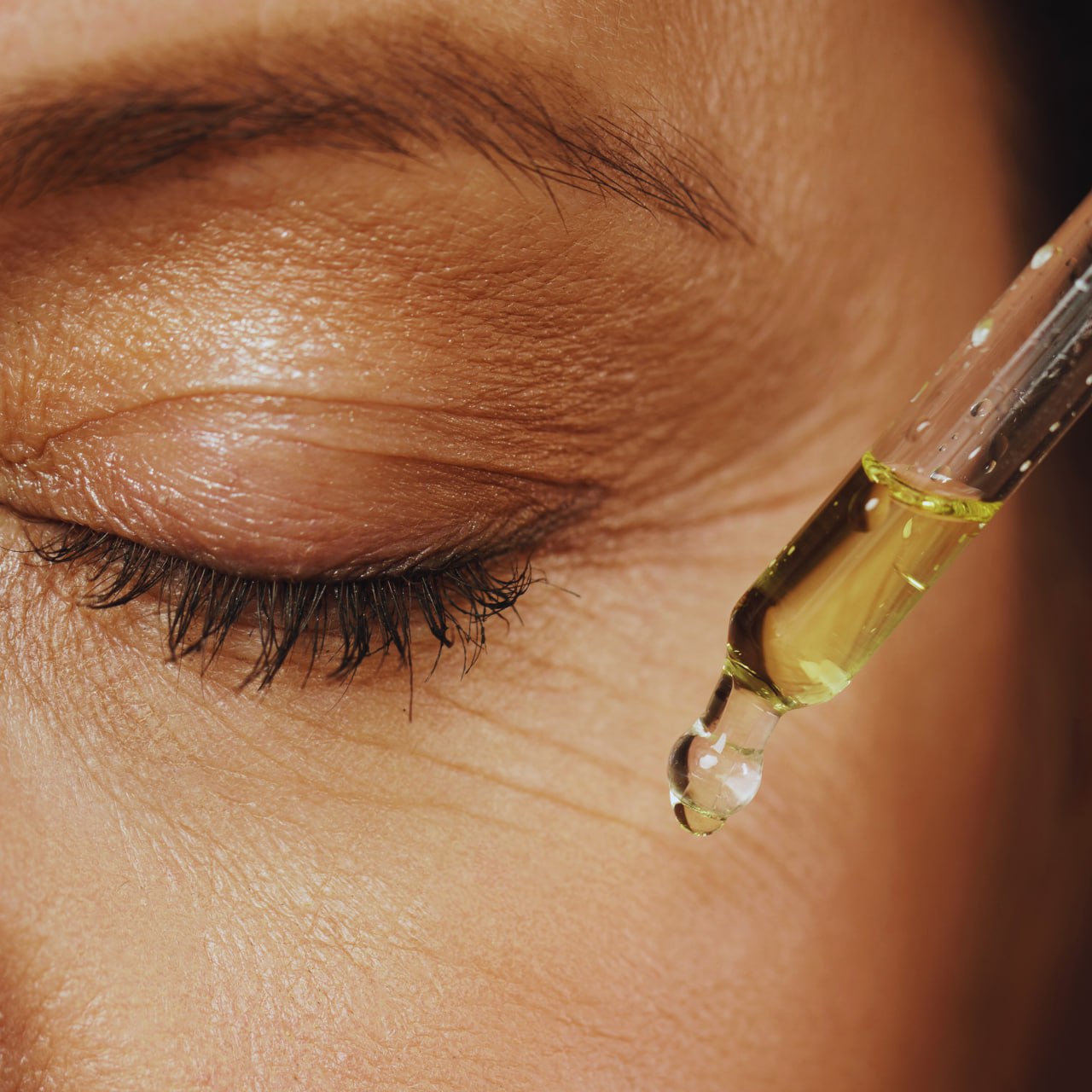
Apply your barrier-supporting serum or oil. Use just a few drops, warming them between your fingers before pressing gently into your skin. Avoid tugging or stretching the skin.
Follow with a lightweight moisturiser suitable for sensitive skin. Look for formulations with ceramides, niacinamide, and soothing plant extracts. Apply using gentle patting motions, focusing on areas that feel tight or reactive.
Finish with a mineral sunscreen. Choose one formulated without fragrance or irritating filters. Apply generously, most people use too little sunscreen, reducing its protective benefit.
Evening routine:
Cleanse with the same gentle cleanser used in the morning. Evening cleansing removes environmental pollutants, makeup, and bacteria accumulated throughout the day.
Apply your hydrating toner or essence to damp skin, just as in the morning routine.
Apply your barrier-supporting serum or oil, using the same gentle pressing motions.
Apply your evening moisturiser. This can be slightly richer than your morning moisturiser, as you don't need to layer sunscreen over it. Many people find a barrier-repair mask or overnight moisturiser particularly helpful during the evening routine.
Optional: If your skin is extremely reactive, you might use a barrier-repair balm or occlusive oil as the final step. This creates a protective layer that supports overnight repair. Jojoba oil, squalane, or plant-based balms work beautifully without feeling heavy.
Frequency and timing:
Cleanse twice daily, morning and evening. More frequent cleansing strips your barrier further. If you exercise or sweat heavily, a gentle rinse with water (no cleanser) is sufficient.
Wait 1-2 minutes between applying each product, allowing each layer to absorb slightly before applying the next. This prevents pilling and ensures better absorption.
Use the same routine consistently for at least 4 weeks before evaluating results. Changing products frequently prevents your skin from stabilising and makes it impossible to identify which products work for you.
Building a Minimalist Routine That Works
The most effective skincare for sensitive skin is often the simplest. A minimalist routine reduces the number of potential irritants whilst ensuring your skin receives essential hydration and barrier support. Many people find that fewer, higher-quality products deliver better results than complex multi-step routines.
A true minimalist routine for sensitive skin requires just four core elements: a gentle cleanser, a hydrating essence or toner, a barrier-supporting moisturiser, and a mineral sunscreen (morning only). This foundation addresses every essential need without overwhelming your skin.
The psychology of minimalism matters too. When you use fewer products, you're more likely to use them consistently. You also save time and money, reducing the stress associated with complex routines. For many people with sensitive skin, this simplicity becomes a form of self-care, a calm, nurturing ritual rather than a complicated obligation.
Transitioning to a minimalist routine requires patience. If you're currently using many products, introduce your new minimalist routine gradually. Replace one product at a time, waiting 1-2 weeks before introducing the next change. This approach helps you identify which products your skin truly needs and prevents overwhelming your barrier with too many changes simultaneously.
Choose multi-functional products when possible. A moisturiser containing ceramides, niacinamide, and soothing plant extracts serves multiple purposes in a single application. Hydrating essences that also contain barrier-supporting ingredients reduce the number of steps whilst maximising benefits. COSMOS-certified organic formulations from Harmony Harvest are designed with this philosophy, delivering comprehensive barrier support and hydration without unnecessary ingredients.
The minimalist approach also means being selective about when to introduce new ingredients. Once your barrier is healthy and stable (typically 8-12 weeks of consistent care), you might cautiously introduce one gentle active ingredient, perhaps a vitamin C serum used just 2-3 times weekly, or a gentle retinol alternative. But this comes only after establishing a solid foundation.
Budget considerations influence minimalism too. Investing in fewer, higher-quality products often costs less overall than maintaining an extensive routine with multiple brands. Products formulated specifically for sensitive skin with barrier-supporting ingredients deliver better results than cheaper alternatives that require compensatory products to manage irritation.
Patch Testing and Transitioning to New Products
Even when you've identified a minimalist routine that works, introducing new products requires caution. Patch testing is the single most important step for preventing reactions and protecting your barrier recovery progress. This simple process takes just days but prevents weeks of irritation.
To patch test, apply a small amount of the new product to a discrete area, the inner arm behind your ear works well, or a small patch on your jawline. Use this test area exclusively for 3-5 days, monitoring for any reaction: redness, itching, burning, or swelling. If no reaction occurs, you can confidently introduce the product to your full routine.
When introducing a new product after patch testing successfully, use it alone in your routine initially. Add it to either your morning or evening routine (not both), and use it for 1-2 weeks before assessing how your skin responds. This approach isolates variables, making it clear whether any reaction is caused by the new product or something else.
Introduce new products slowly, one every 2-3 weeks at most. This timeline allows your skin to adjust to each addition and makes it clear which product caused a reaction if one occurs. Many people with sensitive skin find they can eventually tolerate a slightly broader range of products once their barrier is fully healthy, but this takes time and patience.
Keep detailed records of what you use and how your skin responds. Note the date you introduce each product, any reactions you experience, and how your skin looks and feels. This documentation becomes invaluable over time, helping you identify patterns and understand your personal sensitivities.
When transitioning from a complex routine to a minimalist one, expect a brief adjustment period. Your skin might feel tight or look slightly dull as it adjusts to fewer products. This typically resolves within 1-2 weeks as your barrier stabilises. Resist the urge to add products back in response to this temporary adjustment, it's a sign your skin is recovering, not failing.
Some people find that certain products they thought they needed actually irritated their skin subtly. Removing these products reveals clearer, calmer skin underneath. This discovery, that less is genuinely more, often becomes transformative for people with sensitive skin.
Managing sensitive skin successfully comes down to understanding your personal triggers, supporting your barrier with the right ingredients, and maintaining a consistent, minimalist routine. The journey toward calmer, healthier skin takes patience, but the results are worth the commitment.
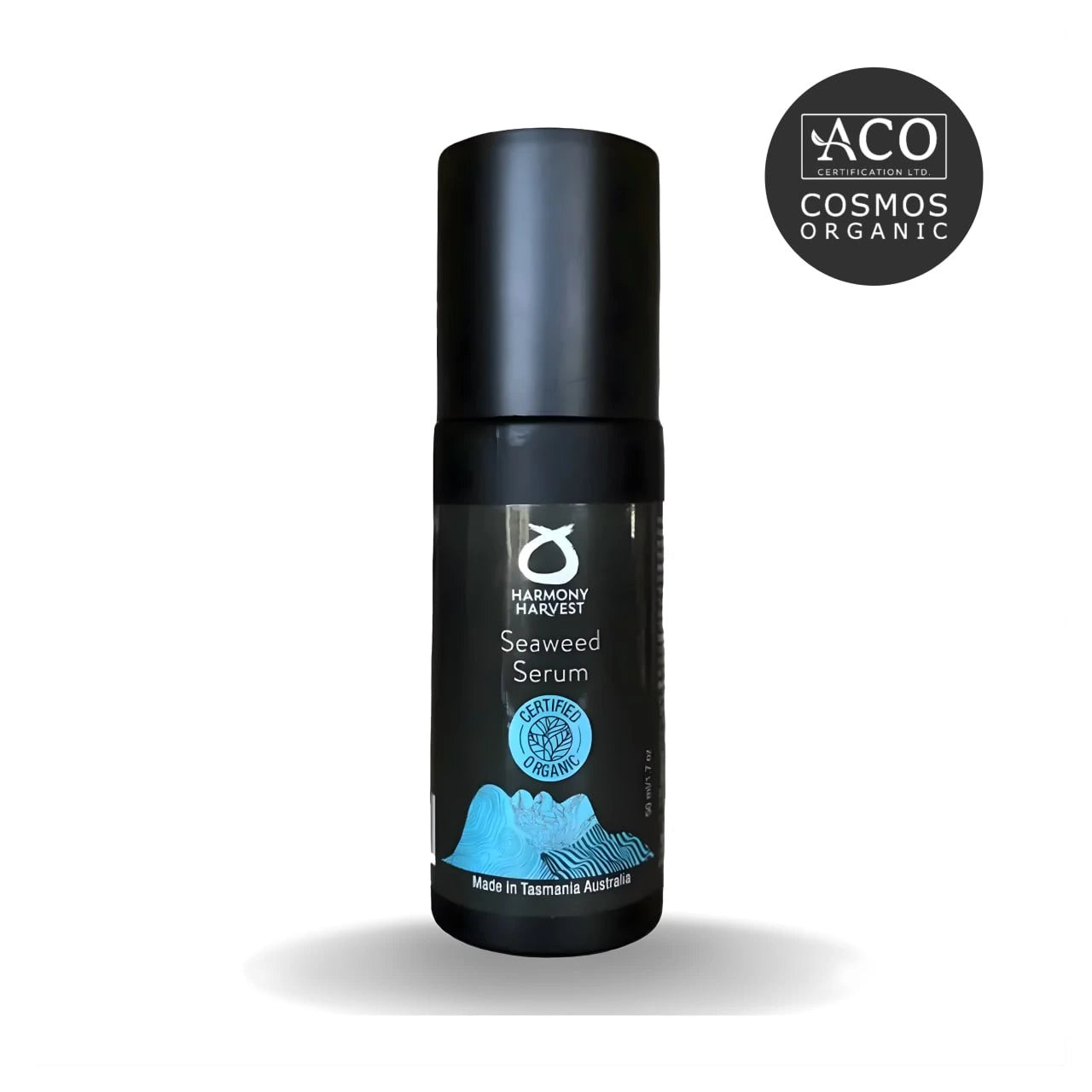
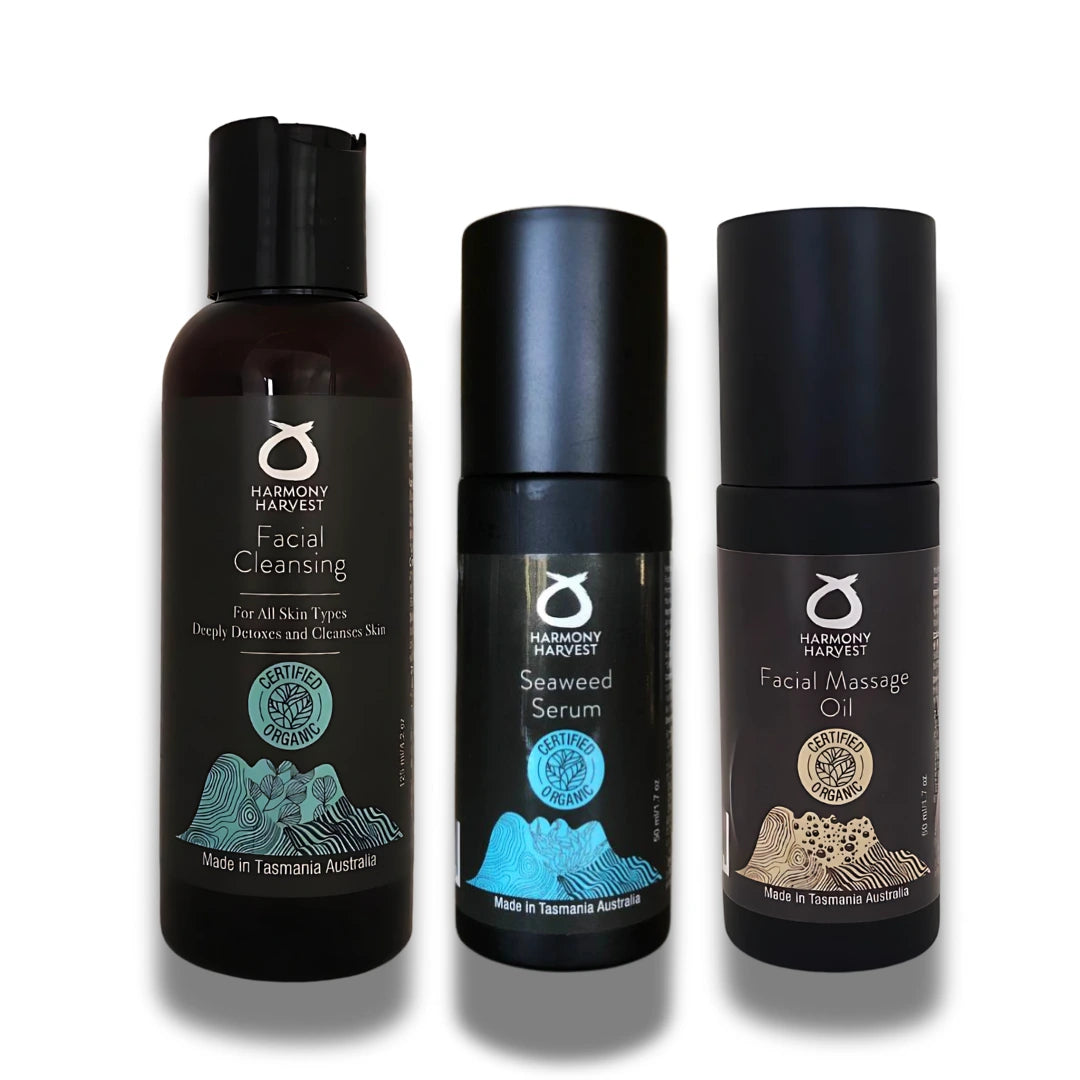
If you're ready to experience the difference that COSMOS-certified organic, vegan skincare can make, explore Harmony Harvest's Facial Care collection. Every product is formulated specifically to support sensitive skin without synthetic irritants, harsh chemicals, or unnecessary ingredients. Our range is COSMOS-certified organic, vegan, and cruelty-free, designed to nurture your skin whilst honouring your values.
For a comprehensive introduction to barrier-supporting skincare, consider the 30 Day Organic Vegan Skincare set. This curated collection delivers renewed skin in 60 days or your money back, giving you the confidence to commit to your skin's recovery. Pricing depends on quantity, dates, and delivery. Please visit our website for current prices. It's the ideal way to test whether COSMOS-certified organic skincare transforms your sensitive skin.
Frequently Asked Questions
What ingredients should I avoid if I have sensitive skin?
Common irritants include synthetic fragrances, sulphates, parabens, and alcohol denat. Avoid products with essential oils if your skin reacts easily. Look instead for hypoallergenic, fragrance-free formulas with soothing ingredients like chamomile, aloe vera, and oat extract. COSMOS-certified organic products eliminate many synthetic irritants, making them a safer choice for reactive skin.
How long does it take to see results when switching to gentle skincare?
Most people notice reduced redness and irritation within 2-4 weeks of consistent use. However, barrier repair and visible improvements in skin texture can take 6-8 weeks. The 30 Day Organic Vegan Skincare set is designed to show results within 60 days, backed by a money-back guarantee so you can test the difference risk-free.
Is organic skincare really better for sensitive skin?
COSMOS-certified organic skincare eliminates synthetic chemicals, pesticide residues, and harsh additives that often trigger sensitivity. Plant-based ingredients like niacinamide, hyaluronic acid, and ceramides calm inflammation and support the skin microbiome naturally. Organic formulas are dermatologically tested and gentler on reactive skin, though quality varies, certification matters.
Can I keep my skincare routine minimal if I have sensitive skin?
Yes. A minimalist routine works well for sensitive skin: a gentle cleanser, a hydrating moisturiser, and sun protection during the day. Many people with reactive skin find that fewer products mean fewer triggers. Start with these essentials and add targeted treatments only if needed. This approach reduces irritation risk and makes it easier to identify which products work for your complexion.
This article was written using GrandRanker
Best Sellers

Read more
Vegan Skincare: The Complete Guide to Plant-Based Beauty
Discover vegan skincare benefits for sensitive, ageing skin. Learn how plant-based, cruelty-free formulas repair your barrier and deliver real results.
Read more
Sensitive Scalp: Causes, Remedies & Care Guide
Discover what causes sensitive scalp, from product triggers to skin conditions. Learn practical remedies and find COSMOS-certified organic care solutions.
Read more