


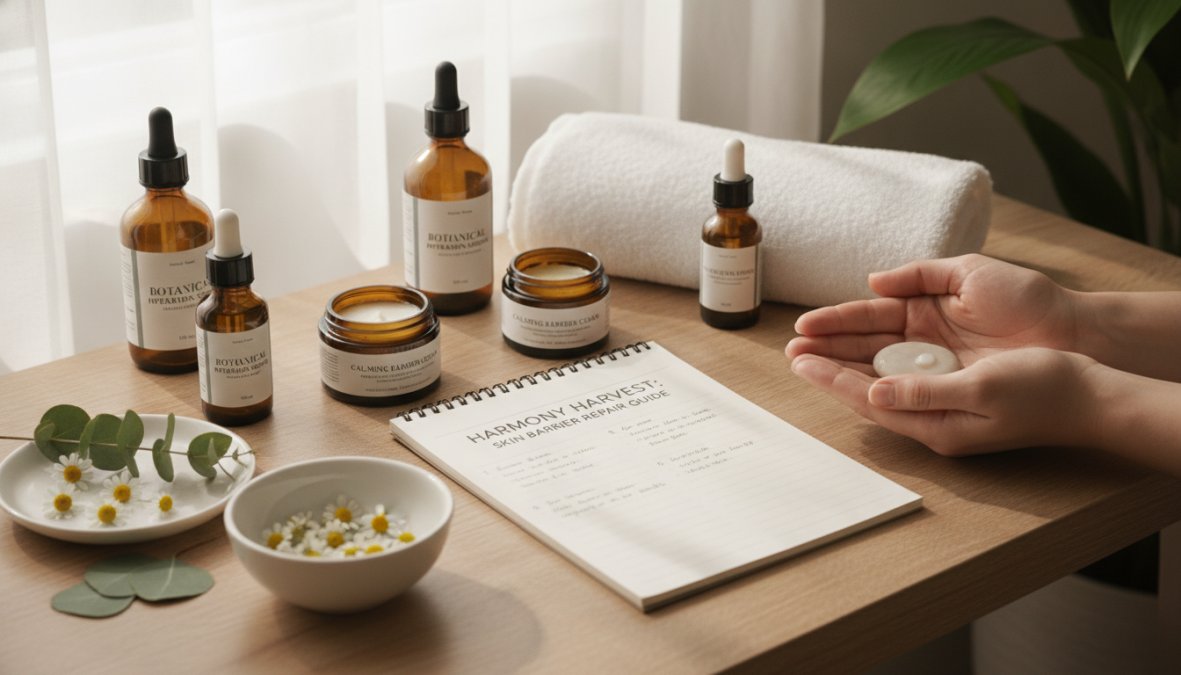
How to Repair Damaged Skin Barrier: A Step-by-Step Guide
Table of Contents
- Understanding Your Skin Barrier and How Damage Occurs
- Signs of Damaged Skin Barrier: Recognising the Problem
- Best Ingredients for Skin Barrier Repair
- Step-by-Step Routine to Repair Your Skin Barrier
- How Long Does It Take to Repair Skin Barrier Damage
- Common Mistakes to Avoid During Barrier Recovery
- Repairing Skin Barrier for Specific Skin Types
- Lifestyle and Dietary Support for Barrier Health
Last Updated: July 13, 2026
Understanding Your Skin Barrier and How Damage Occurs
Your skin barrier is your body's first line of defence against environmental stressors, bacteria, and moisture loss. At its core lies the stratum corneum, a layer of dead skin cells bound together by lipids, ceramides, cholesterol, and fatty acids. The barrier functions like a brick-and-mortar wall: cells are the bricks; lipids are the mortar. When either component breaks down through over-exfoliation, harsh cleansing, or environmental damage, transepidermal water loss (TEWL) increases dramatically, leaving skin dry, inflamed, and reactive.
The good news: barrier repair is achievable and follows a predictable timeline. Most damage occurs gradually, so recovery is straightforward once you understand the right approach.
Signs of Damaged Skin Barrier: Recognising the Problem
Identifying a compromised barrier early makes recovery faster. Tightness across the face, especially after cleansing, is an early warning sign. Your skin may feel raw or sensitive to touch, with visible redness and persistent inflammation. You might notice reactions to products that never bothered you before, flaking and dry patches, or increased breakouts as bacteria penetrate more easily.
A simple test helps confirm barrier damage: apply water to your forearm and observe how quickly it absorbs or beads up. Healthy skin absorbs water gradually. Damaged barrier skin either repels water immediately or absorbs it too quickly, leaving tightness.
Best Ingredients for Skin Barrier Repair
The most effective ingredients restore the lipid matrix, increase hydration, or reduce inflammation.
Ceramides and Lipids
Ceramides are the cornerstone of barrier repair, making up roughly 50% of your skin barrier's lipid matrix. The most effective are ceramide NP, ceramide AP, and ceramide EOP, which directly replicate your skin's natural lipid composition. Cholesterol and fatty acids work synergistically with ceramides to restore the brick-and-mortar structure. Products containing all three, often labelled as a "ceramide complex," deliver superior results.
Plant-based ceramides from sunflower or safflower oil offer a gentler alternative for sensitive skin.
Hyaluronic Acid and Humectants
Hyaluronic acid is a humectant that draws moisture from the air and deeper skin layers into the stratum corneum. A single molecule can hold up to 1000 times its weight in water. However, it works best in humid environments; in dry climates, it can pull moisture from deeper layers if not sealed with an occlusive.
Glycerin, propylene glycol, and panthenol are other humectants that provide consistent hydration regardless of climate. Apply humectants to damp skin, then immediately seal with an occlusive moisturiser to prevent water loss.
Occlusives for Moisture Retention
Occlusives form a protective seal over your skin, preventing transepidermal water loss. They don't add moisture; they trap it. Common occlusives include petrolatum, dimethicone, and plant oils like jojoba, rosehip, and squalane. Squalane is particularly valuable because it mimics your skin's natural sebum composition and is lightweight.
The most effective barrier repair routine layers humectants, ceramides, and occlusives in sequence, addressing hydration, structural integrity, and moisture retention simultaneously.
Step-by-Step Routine to Repair Your Skin Barrier
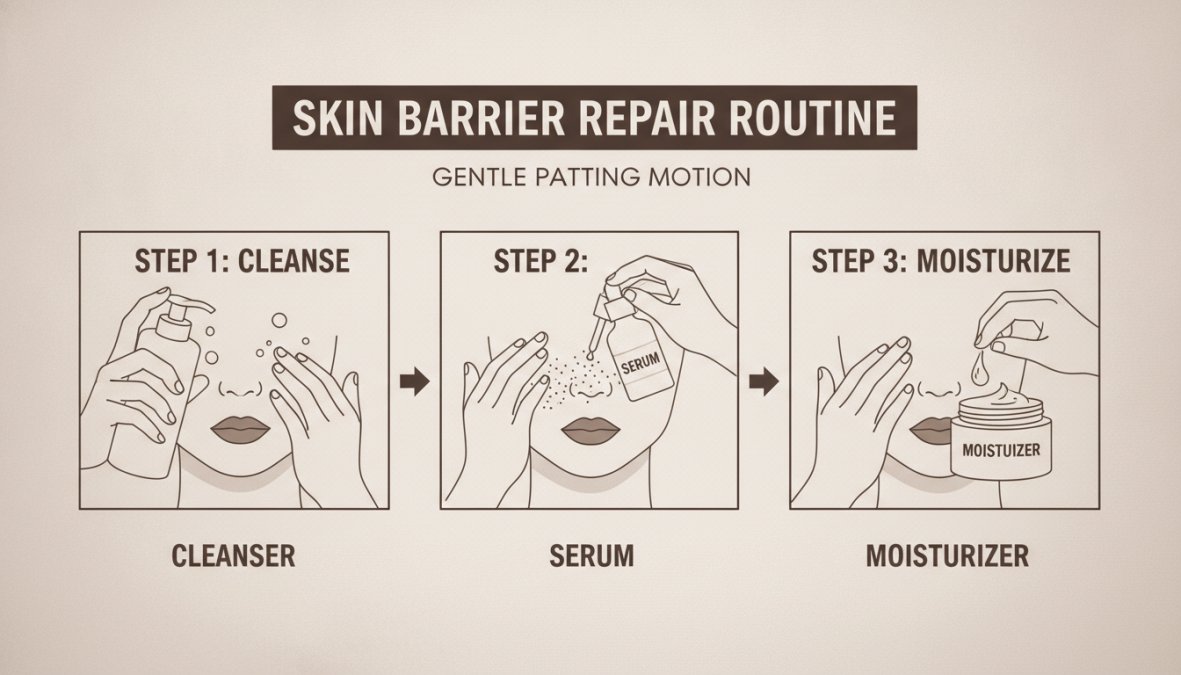
A simplified routine is essential during barrier repair. Every additional product increases irritation risk. This five-step approach removes unnecessary steps while delivering everything your barrier needs.
Step 1: Simplify Your Cleansing Practice
Over-cleansing is a leading cause of barrier damage. Most people use water that's too hot and cleansers that are too harsh. Switch to a gentle, creamy cleanser free from sulphates and synthetic detergents. Use lukewarm water and cleanse for no more than 30 seconds. Pat your skin dry gently; don't rub.
For barrier repair, cleanse once daily in the evening. In the morning, rinse with water only or use a hydrating mist instead.
Step 2: Apply Hydrating Toners and Essences
After cleansing, your skin is primed to absorb hydrating ingredients. Toners and essences deliver humectants directly to damp skin, maximising effectiveness. Choose products containing hyaluronic acid, glycerin, or panthenol. Apply to damp skin immediately after patting dry, using light pressing motions. Allow 30 seconds for absorption before moving to the next step.
If your skin is extremely reactive, start with a hydrating mist rather than a toner. Once your barrier begins recovering after 2-3 weeks, introduce a more substantial toner.
Step 3: Layer Barrier Repair Serums
Serums containing ceramides, niacinamide, or centella asiatica (cica) accelerate barrier repair. Niacinamide reduces inflammation and supports ceramide production. Centella asiatica soothes irritation and promotes healing. Apply to damp skin using gentle pressing motions.
Avoid serums containing alcohol, fragrance, or active exfoliants like retinoids during the repair phase. Stick to soothing, barrier-supportive formulas until your skin feels consistently comfortable.
Step 4: Seal with Moisturiser and Occlusives
Your moisturiser is where ceramides and occlusives work their magic. Choose a rich cream or balm formulated specifically for barrier repair. Apply to damp skin, using your fingertips to gently press rather than rub. For extra barrier support, apply a thin layer of plant oil over your moisturiser. Squalane, rosehip oil, or jojoba oil sealed under your moisturiser creates a powerful occlusive barrier.
At night, apply a heavier occlusive layer generously and allow it to absorb overnight.
Step 5: Protect with Broad-Spectrum Sunscreen
Sun damage accelerates barrier breakdown and impedes recovery. During the repair phase, broad-spectrum sunscreen (SPF 30 or higher) is non-negotiable. Apply as your final morning step, waiting 2-3 minutes after your moisturiser. Reapply every two hours if spending time outdoors.
Mineral sunscreens with zinc oxide or titanium dioxide tend to be gentler than chemical alternatives for reactive skin.
How Long Does It Take to Repair Skin Barrier Damage
Barrier repair timelines vary depending on damage severity and routine consistency. Most people notice improvement within 2-4 weeks. Tightness decreases, redness fades, and sensitivity to products diminishes noticeably.
Complete barrier restoration typically takes 4-8 weeks. Your skin produces new cells continuously, and the stratum corneum renews approximately every 2-4 weeks. After one full cellular renewal cycle on a proper repair routine, your barrier should feel substantially stronger. Full lipid matrix restoration may take 8-12 weeks.
| Timeline | Expected Changes | What to Monitor |
|---|---|---|
| Week 1-2 | Reduced tightness, less stinging from products | Sensitivity levels, redness intensity |
| Week 3-4 | Visible reduction in redness, improved hydration | Flaking decreases, skin feels smoother |
| Week 5-8 | Barrier feels noticeably stronger, fewer reactive episodes | Ability to tolerate previously irritating products |
| Week 9-12 | Full restoration of barrier function, normal skin tolerance returns | Skin maintains hydration without constant support |
Individual variation is significant. Consistency matters more than speed; missing days or reverting to harsh products resets progress.
Common Mistakes to Avoid During Barrier Recovery
The most prevalent error is introducing too many new products simultaneously. More is not better; this approach overwhelms your skin and frequently triggers irritation that sets recovery back weeks.
Another critical mistake is continuing to use the products or habits that damaged your barrier. If chemical exfoliants or retinoids caused damage, using them during recovery prevents healing. Many people also apply products to completely dry skin, which reduces absorption and effectiveness of humectants.
Inconsistency derails progress. Barrier repair requires daily adherence. Similarly, using water that's too hot or cleansing too frequently continues to stress your barrier. Over-moisturising is less common but problematic; too much product can trap bacteria or create environments where yeast thrives.
Finally, many people abandon their repair routine too early. Once redness fades and sensitivity decreases, they revert to their previous routine, causing the barrier to weaken again. Maintain your simplified, barrier-supportive routine for at least 8-12 weeks before gradually reintroducing other products.
Repairing Skin Barrier for Specific Skin Types
Barrier repair principles remain consistent across all skin types, but application varies based on your skin's unique characteristics.
Sensitive and Reactive Skin
Sensitive skin requires the most cautious approach. Start with the absolute minimum: a gentle cleanser, hydrating toner, and rich moisturiser. Skip the serum step initially. Choose products free from fragrance, essential oils, and common irritants. Mineral sunscreens are typically better tolerated than chemical alternatives.
Introduce new products one at a time, waiting a full week between additions. Barrier repair often takes longer, 8-12 weeks minimum, because reactivity makes it harder to use supportive ingredients.
Oily and Acne-Prone Skin
Oily skin presents a unique challenge: excess sebum production yet a compromised barrier. This occurs because acne-prone skin is often over-treated with harsh actives that strip the barrier, triggering compensatory oil production.
Skip heavy occlusives and thick creams. Use a lightweight moisturiser containing ceramides and niacinamide. Niacinamide is particularly valuable because it reduces inflammation, supports barrier function, and helps regulate sebum production simultaneously.
Avoid all active exfoliants during barrier repair. Once your barrier feels stable (4-6 weeks), you can cautiously reintroduce one gentle active if needed.
Dry and Mature Skin
Dry and mature skin typically has lower natural lipid production, making barrier repair slower but more transformative. Your skin needs richer products with higher concentrations of ceramides and occlusives.
Use a creamy or oil cleanser. Apply your hydrating toner to damp skin, then layer a ceramide-rich serum, followed by a rich moisturiser. Consider adding a facial oil as your final step to create a powerful occlusive seal.
Mature skin benefits from longer repair timelines because cumulative sun damage and decreased collagen production compound barrier dysfunction.
Lifestyle and Dietary Support for Barrier Health
Your skin barrier's health reflects your internal state as much as your external routine. Adequate water intake supports skin hydration from within. Dietary fat is essential; omega-3 and omega-6 fatty acids found in fish, flaxseeds, walnuts, and plant oils are precursors for skin lipids.
Sleep quality directly impacts barrier function. During sleep, your skin enters repair mode, producing new cells and synthesising lipids. Aim for 7-9 hours nightly during your barrier repair phase.
Stress elevates cortisol, triggering inflammation and barrier dysfunction. Practices like meditation, gentle movement, or time in nature reduce stress and support skin healing. Environmental factors matter significantly; dry climates and winter heating strip moisture from your skin. Using a humidifier during dry seasons supports barrier recovery.
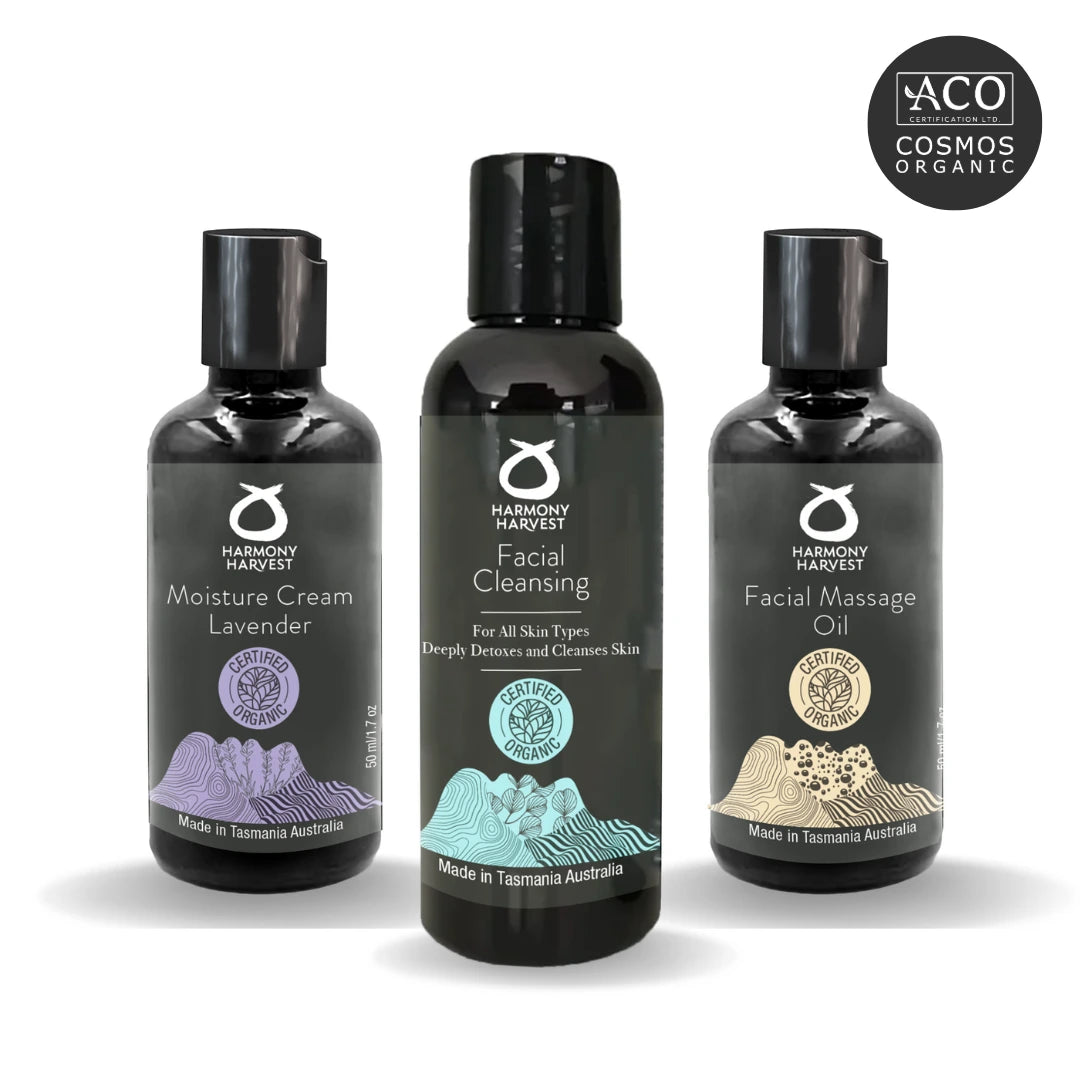
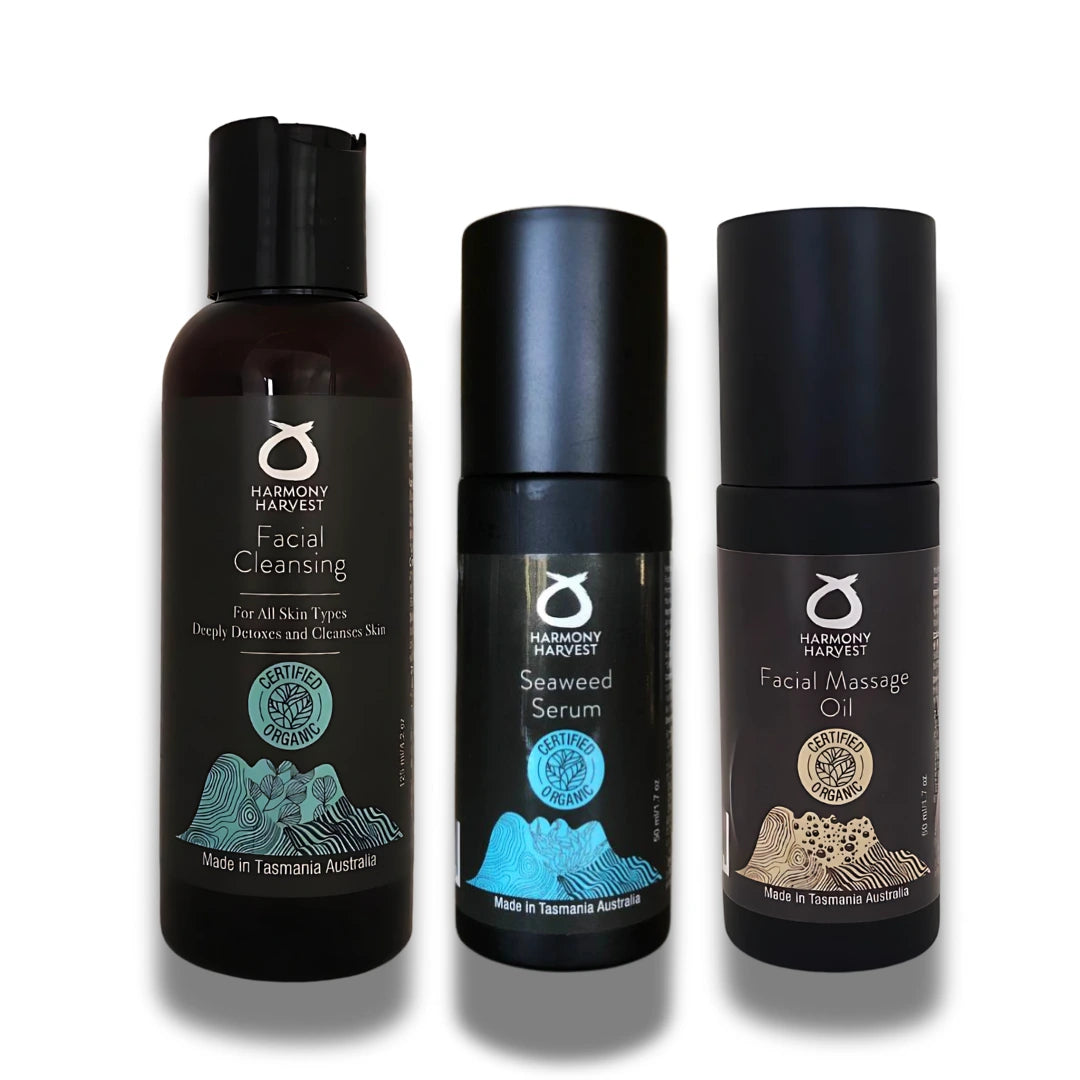
Repairing your skin barrier is fundamentally about returning to simplicity and patience. True recovery comes from supporting your skin's natural healing processes with the right ingredients: ceramides for structural integrity, humectants for hydration, and occlusives for moisture retention. If barrier damage has left your skin feeling uncomfortable and reactive, Harmony Harvest's Facial Care collection offers COSMOS-certified organic, vegan formulas specifically designed to support barrier healing. Explore our range today and discover how nature-inspired skincare can restore your skin's resilience and radiance.
Frequently Asked Questions
What are the main signs of a damaged skin barrier?
Common signs include persistent redness, tightness, flaking, sensitivity to products, and increased transepidermal water loss (TEWL) that leaves skin feeling dry and uncomfortable. You may also notice inflammation, a compromised moisture barrier that feels reactive to weather or skincare ingredients, and a rough texture. If your skin feels tight after cleansing or stings when applying products, your barrier likely needs repair.
How long does it take to repair a damaged skin barrier?
Most people see noticeable improvement within 2-4 weeks of consistent, gentle skincare. However, complete barrier repair typically takes 4-8 weeks, depending on the severity of damage and your skin type. Patience is essential, rushing the process or reintroducing harsh products too quickly can set back progress. Consistency with hydrating, barrier-supporting ingredients like ceramides and hyaluronic acid is key to sustained recovery.
What ingredients should I look for to repair my skin barrier?
Essential ingredients include ceramides (which restore lipid barrier function), hyaluronic acid (a humectant that draws moisture into the skin), fatty acids, cholesterol, and occlusives like plant oils. Look for products with these components working together. Avoid active ingredients like retinoids, chemical peels, and strong exfoliants during repair. COSMOS-certified organic skincare products often feature plant-based sources of these barrier-supporting ingredients without synthetic detergents.
Can a damaged skin barrier cause acne or other skin conditions?
Yes. A compromised barrier weakens your skin's natural defence, allowing bacteria and irritants to penetrate more easily, which can trigger acne, rosacea flare-ups, and increased sensitivity. Barrier damage also disrupts your skin's microbiome and pH balance. Repairing the barrier through gentle cleansing, hydration, and protective skincare often reduces inflammation and breakouts naturally, without needing harsh acne treatments that further damage the barrier.
Best Sellers

Read more
Best Organic Face Oil for Hydration: 2026 Guide
Discover the best organic face oils for hydration. Learn which oils suit your skin type, how to layer them, and key ingredients to look for.
Read more
Natural Ingredients for Mature Skin: 10 Proven Botanicals
Discover the best natural ingredients for mature skin. Learn how bakuchiol, rosehip oil, and antioxidants reduce fine lines and boost hydration.
Read more