


Best Organic Face Oil for Hydration: 2026 Guide
Table of Contents
- Best Organic Face Oils for Hydration at a Glance
- Face Oil vs Moisturiser for Hydration: What's the Difference?
- Organic Face Oil Ingredients to Look For
- Best Organic Face Oils by Skin Type
- How to Apply Face Oil for Maximum Hydration
- Comedogenic Ratings: Non-Comedogenic Oils Explained
- Why Choose COSMOS-Certified Organic Oils
- Conclusion: Nourish Your Skin with Pure Hydration
Best Organic Face Oil for Hydration: 2026 Guide
Last Updated: July 11, 2026
Finding the best organic face oil for hydration doesn't require choosing between efficacy and ethics. Plant-based oils rich in fatty acids, antioxidants, and skin-identical ingredients deliver hydration that rivals synthetic alternatives. COSMOS-certified organic oils offer superior absorption and lasting nourishment without irritants found in conventional formulations.
The challenge isn't finding an organic face oil, it's finding the right one for your skin type and hydration needs. This guide covers the science behind effective hydration, ingredients that work, and how to layer oils for maximum benefit.
Best Organic Face Oils for Hydration at a Glance
When selecting an organic face oil, consider your skin type first. Lightweight oils like squalane suit oily and combination skin, whilst richer blends work better for dry and mature skin.
| Oil Type | Best For | Key Benefit | Absorption Speed |
|---|---|---|---|
| Squalane | All skin types, especially oily | Non-comedogenic, mimics natural sebum | Very fast |
| Rosehip Seed Oil | Dry, sensitive, mature skin | Antioxidant-rich, barrier repair | Moderate |
| Jojoba Oil | Combination, balanced skin | Regulates sebum, lightweight | Fast |
| Argan Oil | Dry, mature, dull skin | Vitamin E, nourishing | Moderate |
| Castor Oil | Very dry patches, spot treatment | Deep moisture lock, occlusive | Slow |
Oils are occlusive and emollient, they seal moisture into skin and provide lipid nourishment. Moisturisers contain water and humectants that draw moisture from the air. Together, they create the strongest barrier repair.
Face Oil vs Moisturiser for Hydration: What's the Difference?
Hydration refers to water content within skin cells. Moisturisation refers to the skin's ability to retain that water by maintaining a healthy lipid barrier.
A face oil provides occlusion, preventing transepidermal water loss (evaporation of moisture from deeper layers). It doesn't add water; it traps water already there. A water-based moisturiser contains humectants like glycerin or hyaluronic acid that pull moisture into the skin. It's lighter and absorbs faster, but without an occlusive layer, that hydration evaporates.
The strongest hydration strategy uses both: apply a hydrating toner or moisturiser to damp skin, then seal it with an organic face oil. This layering technique, water first, oil last, creates a complete barrier that holds moisture for hours.
Organic Face Oil Ingredients to Look For
The best organic face oil for hydration contains specific fatty acids, antioxidants, and bioactive compounds that strengthen the skin barrier and reduce inflammation.
Squalane: The Skin-Identical Hydrator
Squalane is a hydrogenated form of squalene, which naturally occurs in human sebum. Your skin recognises it as its own lipid, absorbing it seamlessly without triggering sebum overproduction or clogging pores.
Cold-pressed squalane derived from olives or sugarcane contains no fragrance or additives. It's lightweight, fast-absorbing, and leaves no greasy residue. Squalane penetrates the stratum corneum and restores the skin's natural lipid profile. As squalene production declines with age, supplementing with squalane helps offset this loss.
Squalane works exceptionally well for layering under makeup or other skincare products without interfering with their efficacy.
Rosehip Seed Oil: Antioxidant Power
Rosehip seed oil is rich in trans-retinoic acid (a natural form of vitamin A), vitamin C, and essential fatty acids. This combination hydrates whilst addressing visible signs of ageing.
The antioxidant content protects skin from environmental stressors and free radical damage, which accelerates moisture loss. Cold-pressed rosehip oil has a distinctive earthy scent that doesn't indicate quality, it's simply a characteristic of the plant material.
Rosehip works best for dry, mature, and sensitive skin. Apply it at night or mix a few drops into your moisturiser for daytime use.
Jojoba Oil: Balancing Sebum Production
Jojoba oil is technically a wax ester that closely mimics the sebum produced by healthy skin. Because it resembles your skin's own sebum, it sends feedback signals to sebaceous glands. When your skin detects adequate lipid content, it reduces sebum overproduction, making jojoba paradoxically effective for oily skin.
Jojoba is lightweight, absorbs quickly, and leaves a natural matte finish. It contains vitamin E, B vitamins, and antioxidants that support barrier health. It also has mild anti-inflammatory and antimicrobial properties, making it suitable for breakout-prone skin.
Best Organic Face Oils by Skin Type
For Dry and Mature Skin
Dry skin needs richer, more nourishing oils. Argan oil is cold-pressed from Moroccan argan nuts and contains high concentrations of oleic and linoleic acids, essential fatty acids that dry skin often lacks. It's also rich in vitamin E, a powerful antioxidant that protects against moisture loss.
For mature skin, look for oils that combine hydration with anti-ageing benefits. Rosehip seed oil's natural retinoid content makes it particularly valuable for addressing fine lines whilst hydrating. Mature skin also benefits from oils rich in essential fatty acids, which strengthen the skin barrier that naturally weakens with age.
Apply oils to mature skin at night, after serums but before (or instead of) a heavy night cream.
For Oily and Combination Skin
Oily skin requires non-comedogenic oils that hydrate without clogging pores. Squalane and jojoba oil are ideal choices.
Squalane's lightweight, fast-absorbing nature makes it perfect for oily skin. The key insight many people miss is that oily skin often becomes oily because it's dehydrated. When skin lacks proper moisture and lipid support, sebaceous glands overproduce oil to compensate. Providing light hydration with squalane can actually reduce excessive oiliness over time.
For combination skin, apply jojoba only to dry areas, or use it as an all-over lightweight hydrator. Avoid heavy, occlusive oils like castor oil or thick argan blends.
For Sensitive and Reactive Skin
Sensitive skin needs oils that soothe inflammation, support barrier repair, and avoid common irritants. Rosehip seed oil and jojoba oil are excellent choices; cold-pressed squalane is also safe.
When selecting an organic face oil for sensitive skin, check the ingredient list carefully. Avoid oils with added essential oils, fragrance, or preservatives. Pure, single-ingredient cold-pressed oils are safest.
How to Apply Face Oil for Maximum Hydration
Application technique matters as much as product selection. The fundamental principle is simple: water-based products first, oil last. Oil is occlusive; if you apply it first, water-based serums and moisturisers cannot penetrate.
The correct order is:
- Cleanse with a gentle cleanser
- Tone (optional, but hydrating toners help)
- Serum (vitamin C, hyaluronic acid, or other water-based actives)
- Moisturiser (if using one)
- Face oil (last step)
Apply oil to damp (not wet) skin. Slightly damp skin allows the oil to penetrate whilst trapping moisture underneath.
Application technique:
- Dispense a small amount, typically 2-3 drops for the face.
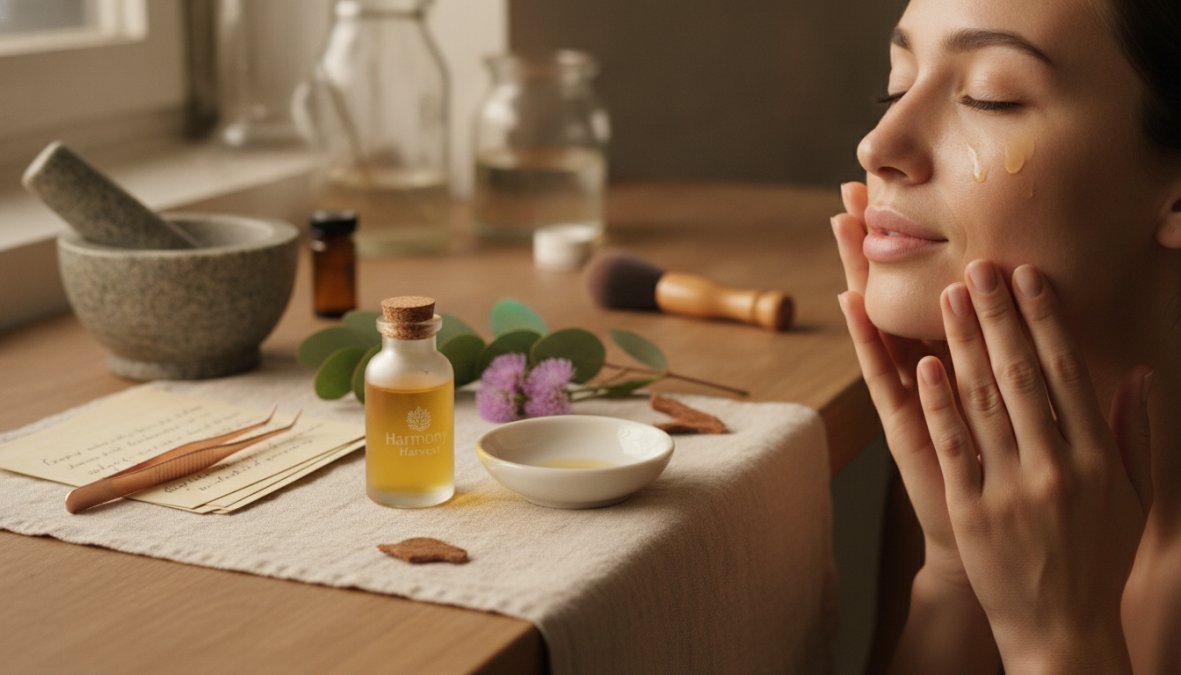
- Warm the oil between your palms by rubbing your hands together for 2-3 seconds.
- Press gently into the skin rather than rubbing. Use your fingertips and palms to press the oil across your face, neck, and décolletage.
- Focus on dry areas first, cheeks, forehead, and around the eyes typically need more hydration.
- Wait 1-2 minutes before applying makeup or going to bed.
For daytime use, less is more. A single drop of squalane or jojoba oil provides all-day hydration without visible shine. If you feel greasy, you're likely using too much oil.
Comedogenic Ratings: Non-Comedogenic Oils Explained
Comedogenic rating measures how likely an ingredient is to clog pores. The scale runs from 0 (non-comedogenic) to 5 (highly comedogenic).
Common hydrating oils and their typical ratings:
- Squalane: 0-1 (non-comedogenic)
- Jojoba Oil: 2 (low comedogenic)
- Rosehip Seed Oil: 2 (low comedogenic)
- Argan Oil: 0 (non-comedogenic)
- Castor Oil: 1 (non-comedogenic but very heavy)
Oils rated 0-2 are considered non-comedogenic and safe for acne-prone skin. However, individual skin responds differently based on genetics and current skin condition. Start with oils rated 0-1 and patch-test before full-face application.
Why Choose COSMOS-Certified Organic Oils
When shopping for the best organic face oil, certification matters. COSMOS certification is the gold standard for organic skincare. It verifies that ingredients are grown without synthetic pesticides or herbicides, the product contains no artificial preservatives or fragrances, and manufacturing processes meet strict environmental standards.
COSMOS certification ensures you're getting pure, uncontaminated plant oils free from synthetic additives that might irritate sensitive skin. Beyond purity, it supports sustainable farming practices that benefit ecosystems and long-term agricultural viability.
Conclusion: Nourish Your Skin with Pure Hydration
Achieving truly hydrated skin requires understanding the difference between water content and barrier health, selecting oils matched to your skin type, and applying them correctly. The best organic face oil for hydration is a personalised choice based on your skin's unique needs.
Whether you need lightweight squalane for oily skin, antioxidant-rich rosehip for mature skin, or balancing jojoba for combination skin, organic oils offer hydration that works with your skin's natural biology.
Ready to experience the transformative power of pure, hydrating botanicals? Explore Harmony Harvest's Facial Care collection, where every product is COSMOS-certified organic, vegan, and cruelty-free. Our carefully formulated facial oils deliver deep hydration and barrier support using only the finest Australian botanicals. Discover which oil is right for your skin today.
Frequently Asked Questions
Is organic face oil better for hydration than moisturiser?
Organic face oils and moisturisers serve different hydration purposes. Face oils are occlusive emollients that seal in moisture and support the skin barrier, whilst moisturisers typically contain water-based hydrating ingredients. Many skincare routines benefit from both: use a hydrating moisturiser first, then layer a best organic face oil for hydration on top to lock in benefits and provide essential fatty acids. The choice depends on your skin type and specific hydration needs.
Can organic face oil clog pores and cause breakouts?
Not all organic face oils clog pores. Look for non-comedogenic oils like squalane, jojoba, and rosehip seed oil, which have low comedogenic ratings (0-2 on a scale of 0-5). These oils won't block pores or trigger congestion. Heavier oils like coconut may be comedogenic for some skin types. If you have oily or acne-prone skin, choose lightweight, fast-absorbing organic oils and apply sparingly. Always patch-test new oils on a small area first.
How do I choose the right organic face oil for my skin type?
Assess your skin's needs: dry skin benefits from richer oils like argan and castor; oily skin prefers lightweight, non-comedogenic options like squalane or jojoba; sensitive skin thrives with soothing rosehip or tamanu oil. Look for COSMOS-certified organic and vegan formulations free from synthetic detergents and toxins. Consider the oil's fatty acid profile, linoleic acid-rich oils support barrier repair, whilst antioxidant-rich oils provide anti-inflammatory benefits. Start with a small amount to test compatibility.
Should I apply face oil before or after moisturiser?
Apply face oil after your water-based moisturiser to create an occlusive layer that seals hydration into the skin. This layering technique, called the oil-water balance method, maximises transepidermal water loss prevention and boosts overall hydration. If your moisturiser is very rich, you may skip it and use oil alone. For best results, apply oil to damp skin so it can penetrate more effectively, then gently press it in rather than rubbing.
What are the key benefits of using organic face oils for hydration?
Organic face oils provide deep hydration, support skin elasticity, and strengthen the skin barrier through essential fatty acids and antioxidants. They promote a glowy, radiant complexion, reduce transepidermal water loss, and soothe inflammation. Cold-pressed, COSMOS-certified organic oils deliver concentrated botanical nutrients without synthetic chemicals. Regular use can improve skin texture, reduce fine lines, and enhance natural collagen production, making them ideal for mature, dry, or compromised skin seeking rejuvenation.
Best Sellers

Read more

Repair Damaged Skin Barrier Naturally: A Complete Guide
Your skin's protective barrier is under constant attack from environmental stressors, harsh products, and everyday habits. When this lipid layer breaks down, your skin becomes reactive, inflamed, a...
Read more
How to Repair Damaged Skin Barrier: A Step-by-Step Guide
Learn how to repair damaged skin barrier with proven steps, key ingredients, and recovery timelines. Discover what causes barrier damage and how to.
Read more