



Repair Damaged Skin Barrier Naturally: A Complete Guide
Your skin's protective barrier is under constant attack from environmental stressors, harsh products, and everyday habits. When this lipid layer breaks down, your skin becomes reactive, inflamed, and vulnerable to infection. Learning how to repair damaged skin barrier naturally is one of the most important investments you can make in long-term skin health.
At Harmony Harvest, we understand that barrier repair is a fundamental reset combining gentle, plant-based ingredients with evidence-backed practices that work with your skin's natural healing capacity. Below, we'll show you exactly how to repair damaged skin barrier naturally using proven strategies that generate real results within weeks.
Understanding Signs of Damaged Skin Barrier
Your skin sends clear signals when the barrier is compromised. A damaged skin barrier typically manifests as persistent dryness that doesn't respond to regular moisturizing, tight uncomfortable patches, and itching that intensifies at night or after showering. Redness and inflammation appear without obvious cause, and your skin may feel hot or burning when exposed to temperature changes.
Unexpected breakouts or flare-ups of existing conditions occur because the compromised barrier allows bacteria and irritants deeper penetration. Sensitivity to products you've used for years is a red flag. If your favorite cleanser suddenly stings or your moisturizer causes tingling, your barrier is likely damaged.
The epidermis relies on a delicate balance of lipids, proteins, and water to function. When this balance breaks, transepidermal water loss accelerates, creating a vicious cycle where dryness worsens sensitivity.
Step-by-Step Guide to How to Repair Damaged Skin Barrier Naturally
Repairing your barrier requires a systematic approach. Each step builds on the previous, creating conditions for genuine healing.
Step 1: Stop irritating your skin immediately
This is non-negotiable. Eliminate everything breaking down the barrier further. Strip your routine to essentials: a gentle cleanser, hydrating moisturizer, and sunscreen during the day. Exfoliants, actives, fragrance, essential oils, and acids go into temporary suspension.
Today, the biggest hidden culprits breaking down our natural skin protection are harsh detergents and alcohol-based products. With so many people constantly applying alcohol sanitizers and strong liquid soaps to their hands and skin, we are stripping away our protective lipid layer faster than it can recover. If you want your barrier to heal, you must stop overusing these harsh chemicals immediately.
Within 48-72 hours of this elimination, most people report reduced redness and itching. Your skin stops fighting and starts healing.
Examine your current products with brutal honesty. Fragrance is a common culprit, even in "gentle" formulations. Alcohol-based toners strip the lipid barrier. Foaming cleansers are too harsh. Physical and chemical exfoliants (AHAs, BHAs, retinoids) all damage a compromised barrier further.
Water temperature matters significantly. Hot water strips natural oils. Lukewarm water, slightly cooler than comfortable, is the standard for barrier repair.
Step 2: Cleanse gently with fragrance-free products
Your cleanser must remove dirt and oil without disrupting the skin's natural pH or stripping essential lipids. A gentle cleanser should feel creamy, not sudsy. If it foams, it's too harsh.
Look for cleansers labeled fragrance-free (not "unscented"). The best options contain minimal ingredients: water, a mild surfactant like sodium cocoyl isethionate, and humectants like glycerin. Avoid sulfates, which compromise barrier function.
Cleanse once daily, preferably at night. Morning "cleansing" can be a simple rinse with lukewarm water. Pat skin dry gently; don't rub, as friction irritates already-sensitive skin.

Step 3: Lock in hydration with the right moisturizer
After cleansing, your skin is primed to absorb moisture. The right moisturizer combines three layers: humectants, emollients, and occlusives.
Humectants draw water into the skin. Glycerin, hyaluronic acid, and propylene glycol are effective options. Apply within 60 seconds of cleansing while your skin retains moisture.
Emollients smooth and soften the skin surface. Plant-based oils like sunflower seed oil, coconut oil, and olive oil serve this function. Ceramides, naturally occurring lipids in healthy skin, are particularly valuable for barrier repair.
Occlusives seal everything in. Petroleum jelly is the gold standard, but for natural alternatives, shea butter and beeswax work effectively. Harmony Harvest formulations combine these elements using certified organic Australian botanicals.
Apply moisturizer generously while skin is still slightly damp. This timing maximizes water absorption into the epidermis.
Step 4: Support from within with dietary hydration
Barrier repair isn't only topical. Internal hydration directly impacts skin health. Drink adequate water, roughly half your body weight in ounces daily, adjusted for climate and activity level.
Consume foods rich in omega-3 fatty acids: fatty fish, flaxseeds, and walnuts support the lipid structures forming your skin barrier. Collagen-supporting foods like bone broth, citrus fruits high in vitamin C, and leafy greens provide building blocks for skin repair.
Reduce inflammatory foods temporarily. Sugar, refined carbohydrates, and excessive alcohol increase inflammation, worsening barrier damage. This is a 4-6 week reset period while your barrier heals.
| Step | Duration | Frequency | Key Focus |
|---|---|---|---|
| Stop irritating your skin | Ongoing | Daily | Eliminate harsh products immediately |
| Gentle cleansing | 2 minutes | Once daily | Fragrance-free, minimal ingredients |
| Lock in hydration | 5 minutes | Twice daily | Apply to damp skin within 60 seconds |
| Dietary support | Ongoing | Daily | 8+ glasses water, omega-3 rich foods |
Best Ingredients for Skin Barrier Repair
Not all natural ingredients are created equal for barrier repair. Some soothe inflammation; others actively rebuild the lipid barrier.
Occlusive and emollient powerhouses
Shea butter provides both emollient and occlusive properties, plus anti-inflammatory compounds. Beeswax creates a protective seal without feeling greasy. Squalane, derived from plant sources, mimics skin's natural sebum and absorbs quickly while providing occlusion.
These ingredients work best as the final step in your routine. Apply them to damp skin to seal in the hydration layers below. A little goes far; most people use too much.
Natural oils: sunflower seed oil, coconut oil, and olive oil
Sunflower seed oil is the most barrier-friendly option. It's rich in linoleic acid, a key component of healthy skin barrier lipids. Research shows sunflower seed oil reduces transepidermal water loss and supports barrier function without clogging pores.
Coconut oil is highly occlusive and can trap bacteria in compromised skin, potentially worsening acne or folliculitis. It works better for body skin than facial skin during barrier repair.
Olive oil provides emollient benefits but can be comedogenic for some people. Apply sparingly and only to areas without active breakouts.
Soothing natural remedies: oatmeal baths and patch testing safety
Colloidal oatmeal, finely ground oat flour, contains compounds called beta-glucans that reduce itching and redness. An oatmeal bath is particularly effective for full-body barrier damage or severe facial inflammation.
To prepare: blend one cup of rolled oats into fine powder, add to lukewarm bathwater, soak for 15-20 minutes.
Before introducing any new ingredient, patch test on a small area behind your ear or on your inner arm. Apply a small amount, wait 24-48 hours, and observe for reactions. Even gentle, natural ingredients can trigger reactions in severely compromised skin.
How Long to Heal Skin Barrier: Timeline and Expectations
Barrier repair isn't instantaneous, but it's faster than expected. Most people see measurable improvement within 2-4 weeks.
Week 1-2: Redness and itching decrease as you eliminate irritants. Skin may still feel tight, but acute inflammation subsides.
Week 3-4: Dryness improves noticeably. Skin begins retaining moisture better. Some flaking occurs as dead cells shed, indicating active barrier rebuilding. Sensitivity to temperature changes decreases.
Week 5-8: The barrier is substantially repaired. Skin feels more resilient. You can cautiously reintroduce gentle products, one at a time, waiting 3-5 days between additions.
Week 9-12: Full barrier function typically restores. Skin is no longer reactive, and you can resume a more complete routine.
The timeline varies by severity. Mild barrier damage heals in 2-3 weeks. Severe damage or conditions like eczema may take 8-12 weeks. Consistency matters more than timeline.
Your Skin Barrier Repair Routine for Every Season
Seasonal changes affect barrier health. Temperature, humidity, and seasonal allergens all impact repair speed and maintenance.
Spring: Increasing humidity is your ally. Reduce occlusive layers slightly; a lighter moisturizer often suffices. Introduce sunscreen consistently as UV exposure increases. Maintain your gentle cleanser and basic hydration routine.
Summer: Heat increases transepidermal water loss despite high humidity. Switch to lighter emollients like sunflower seed oil. Increase water intake. Reapply sunscreen every two hours if outdoors. Avoid chlorinated pools during active barrier repair.
Fall: Humidity drops sharply. Increase occlusive layers. Add a heavier nighttime moisturizer. Consider a humidifier in your bedroom, maintaining 40-60% humidity. Continue sunscreen; UV rays remain strong.
Winter: The most challenging season for barrier repair. Low humidity and cold temperatures accelerate water loss. Use your heaviest moisturizer formulations. Apply moisturizer to damp skin immediately after bathing. A humidifier becomes essential. Avoid hot showers. Wear soft, breathable fabrics that don't irritate skin.
Common Mistakes That Delay Barrier Repair
Overcomplicating the routine. More products don't mean faster healing. A three-step routine—cleanser, hydrating serum, moisturizer—outperforms a ten-step routine during barrier repair.
Overusing alcohol sanitizers and harsh detergents. Constantly stripped skin cannot heal. Limit the use of harsh hand alcohols and stripping liquid soaps, switching instead to gentle, hydrating alternatives.
Reintroducing actives too quickly. Retinoids, vitamin C, niacinamide, and other actives are irritating to a compromised barrier. Wait until your barrier is fully healed before reintroducing them.
Using warm water instead of lukewarm. Warm water strips oils. Lukewarm water accomplishes cleansing without damage.
Skipping sunscreen. UV exposure damages the barrier and worsens inflammation. Use a mineral sunscreen (zinc oxide or titanium dioxide) rather than chemical options.
Inconsistent routine. Your barrier heals through consistency. Treat your routine like medication, non-negotiable daily practice.
Ignoring internal hydration. Topical products work better when supported by adequate water intake and anti-inflammatory nutrition.
When to See a Dermatologist
Most barrier damage responds to natural repair methods within 4-8 weeks. However, see a dermatologist if symptoms worsen despite consistent routine, you develop signs of infection, severe itching prevents sleep, you suspect an underlying condition like eczema or rosacea, barrier damage coincides with new medications, or you have contact dermatitis from an unknown source.
A dermatologist can identify whether your barrier damage is primary (caused by harsh products) or secondary (caused by an underlying skin condition). This distinction changes treatment approach.
Repairing a damaged skin barrier naturally is entirely achievable with patience and consistency. The strategies outlined above work because they align with your skin's natural healing capacity. You're not forcing change; you're removing obstacles and providing conditions for healing.
Harmony Harvest's certified organic, vegan skincare formulations support this process with pure Australian botanicals that provide deep hydration and essential lipids without synthetic detergents. Start with our foundational moisturizer and gentle cleanser, and watch your skin transform within weeks.
Frequently Asked Questions
What are the signs of a damaged skin barrier?
A compromised skin barrier often shows redness, persistent itching, tightness, and dry patches. You may experience increased sensitivity to products, a rough texture, or a weakened lipid barrier that allows transepidermal water loss. Contact dermatitis may develop more easily, and your skin may feel uncomfortable even with gentle cleansers. These signs indicate your epidermis needs support to restore its protective function.
How long does it take to repair a damaged skin barrier naturally?
Most people see noticeable improvement within 2-4 weeks of consistent, gentle care. However, full repair of the skin barrier typically takes 4-8 weeks, depending on severity and adherence to a repair routine. Patience is essential, rushing with harsh products or frequent exfoliation delays healing. Using fragrance-free moisturizers, limiting bath time, and maintaining hydration accelerates the natural repair process.
What ingredients help repair the skin barrier most effectively?
Occlusive and emollient ingredients are most effective. Petroleum jelly, sunflower seed oil, coconut oil, and olive oil seal in moisture and restore the lipid barrier. Humectants like glycerin draw water into the epidermis. Oatmeal baths provide soothing relief and natural support. Look for fragrance-free, hypoallergenic formulas that avoid synthetic detergents, which further damage an already compromised barrier.
Can I use moisturizer on a damaged skin barrier, and is DIY patch testing safe?
Yes, moisturizer is essential for repair, but choose fragrance-free, gentle products with emollients and occlusives. For DIY patch testing safety, apply a small amount of new product to your inner arm or behind your ear for 24-48 hours before facial use. Never test on already irritated skin. If redness, itching, or burning occurs, stop immediately. When in doubt, consult a dermatologist before introducing new products.
Best Sellers
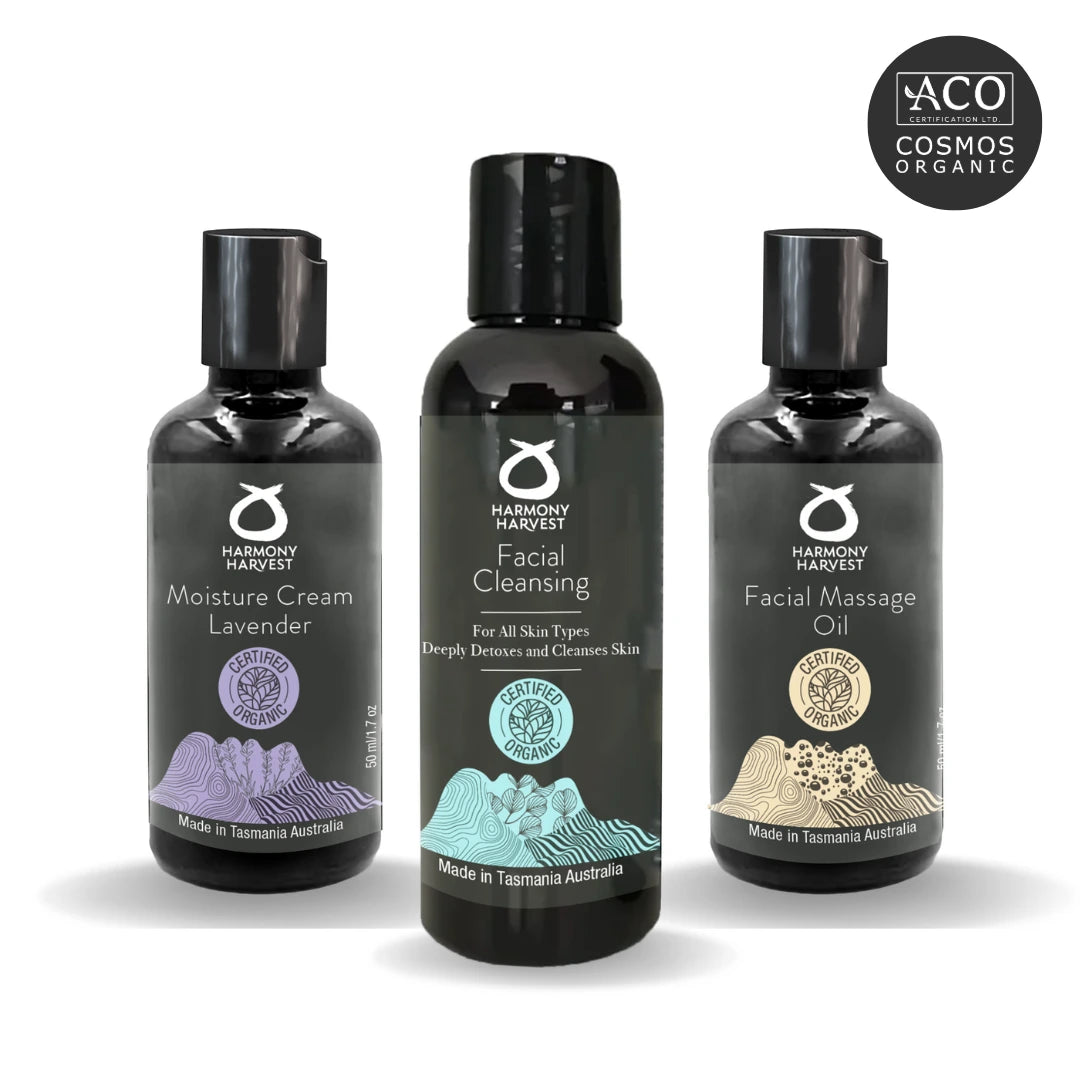
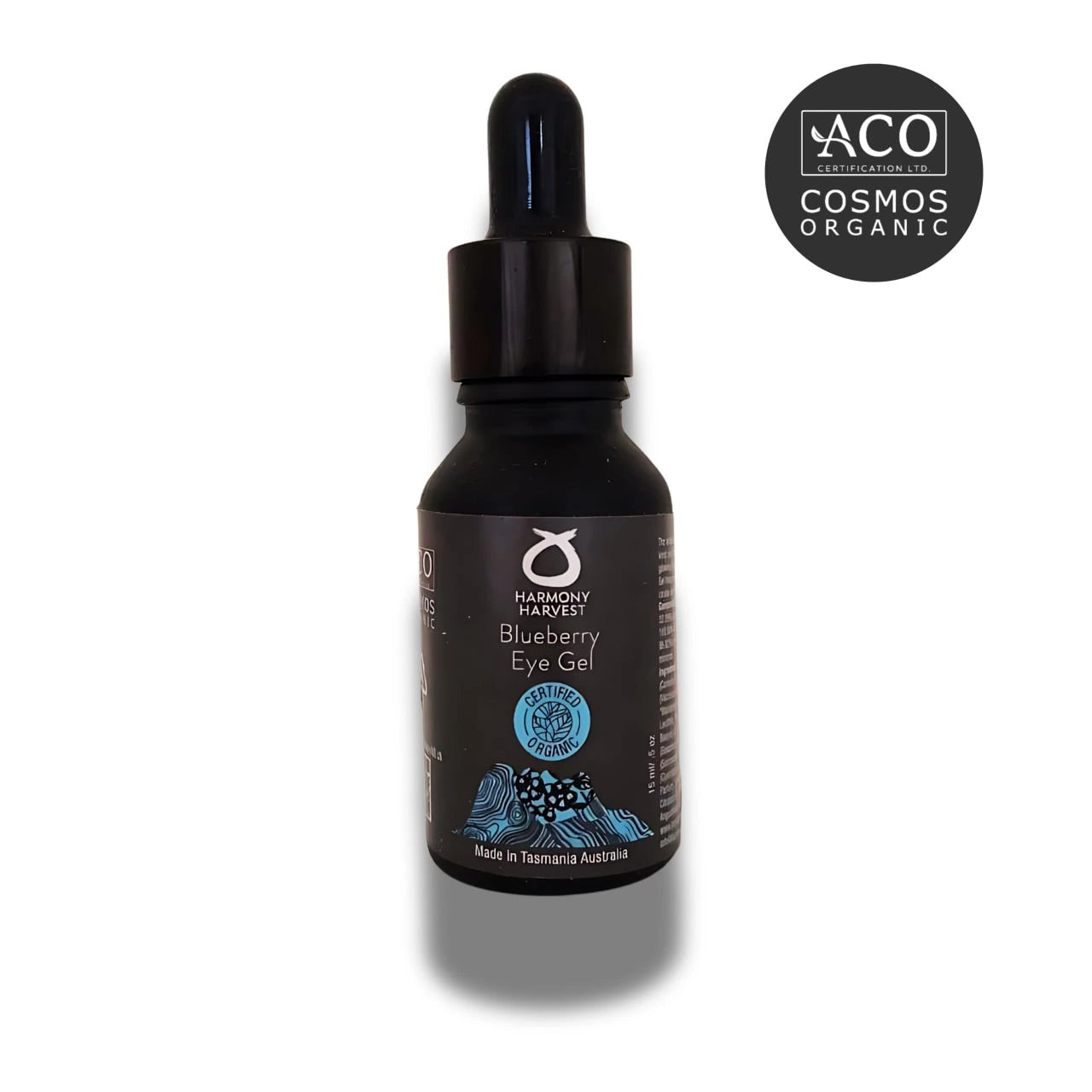
Read more
Beyond the Bottle: Why It’s Time to Ditch Petroleum-Based Hair Care
For generations, we have been conditioned to believe that the sudsy, synthetic formulas lining supermarket shelves are the gold standard for hygiene. But take a moment to look at your shampoo bottl...
Read more
Best Organic Face Oil for Hydration: 2026 Guide
Discover the best organic face oils for hydration. Learn which oils suit your skin type, how to layer them, and key ingredients to look for.
Read more