



Facial Cleanser Guide: Choose the Right One for Your Skin
Table of Contents
- What Does a Facial Cleanser Actually Do?
- Types of Facial Cleanser for Different Skin Concerns
- Best Facial Cleanser for Sensitive Skin
- How to Wash Your Face Properly
- Key Ingredients to Look For in a Facial Cleanser
- Morning vs. Evening Cleansing Routines
- How to Choose the Right Facial Cleanser for Your Skin
- Conclusion
Last Updated: August 7, 2026
What Does a Facial Cleanser Actually Do?
A facial cleanser removes dirt, oil, makeup, and impurities from your skin's surface whilst preserving natural protective oils. It's the foundation of any effective skincare routine, preparing your skin to absorb serums, moisturisers, and treatments.
Throughout the day, sebum mixes with environmental pollutants, dead skin cells, and bacteria. Without proper cleansing, this buildup clogs pores, causing congestion, dullness, and irritation. A good cleanser removes this whilst maintaining your skin's pH balance and moisture barrier, the protective layer that keeps skin hydrated and resilient.
The right cleanser improves skin texture, reduces pore appearance, calms inflammation, and supports your skin's natural repair processes. At Harmony Harvest, we understand cleansing is about nourishment, not stripping. Our COSMOS-certified organic cleansers work with your skin's natural biology, using plant-based ingredients that remove makeup and oil without compromising your skin barrier.
Morning and evening cleansing serve different purposes. Your morning cleanse removes overnight sweat and oil, whilst your evening cleanse tackles accumulated grime, sunscreen, and makeup. Both are essential for skin health.
Types of Facial Cleanser for Different Skin Concerns
Gel and Foam Cleansers
Gel and foam cleansers are lightweight formulas ideal for oily and acne-prone skin. They contain water-soluble ingredients that dissolve excess sebum and leave skin feeling refreshed. Gel cleansers often include gentle exfoliating ingredients or purifying botanicals that refine skin texture, whilst foam cleansers lift away dead skin cells and surface debris.
However, these formulas can be drying if used too frequently or on naturally dehydrated skin. If you have sensitive or combination skin, use these in the evening only, pairing them with a gentler cream cleanser in the morning. Look for formulas that include hydrating ingredients like glycerin or plant oils to balance the cleansing action.
Cream and Milk Cleansers
Cream and milk cleansers are emollient-rich formulas designed for dry, sensitive, and mature skin. These use oils and butters to gently dissolve makeup and impurities whilst adding moisture back into the skin.
Milk cleansers have a lighter texture than creams but still provide nourishing benefits, making them excellent for sensitive skin. Cream cleansers are thicker and more luxurious, offering maximum hydration. Both work beautifully for morning cleansing or as a first step in a double-cleansing routine. Their main advantage is their gentle nature, they respect your skin barrier and won't leave you feeling tight or uncomfortable.
Oil-Based and Micellar Cleansers
Oil-based cleansers are pure plant oils or oil blends that dissolve makeup, sunscreen, and sebum effectively. The principle is simple: oil dissolves oil. These are particularly effective for removing long-wear makeup and waterproof products without harsh rubbing.
Micellar water contains tiny oil molecules suspended in water, removing makeup and impurities with minimal effort. Both options are excellent first steps in a double-cleansing routine, preparing your skin by removing surface-level impurities so your second cleanser can work more effectively on deeper pore cleansing.
Best Facial Cleanser for Sensitive Skin
Sensitive skin requires a cleanser that removes impurities without triggering irritation, redness, or inflammation. The best facial cleansers for sensitive skin are fragrance-free, hypoallergenic, and formulated with soothing botanical ingredients.
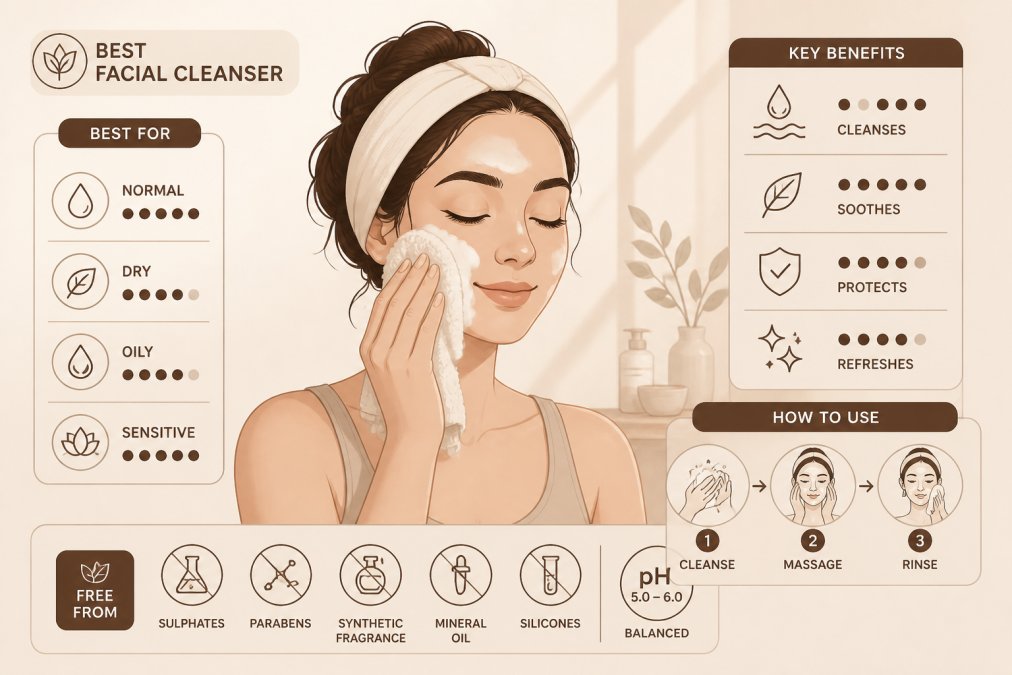
Look for cleansers containing ceramides, natural lipids that strengthen your moisture barrier and reduce sensitivity. Plant-based ingredients like chamomile, calendula, and aloe vera have anti-inflammatory properties that soothe reactive skin. Avoid cleansers containing essential oils, fragrance, sulphates, or alcohol, as these commonly trigger sensitivity reactions.
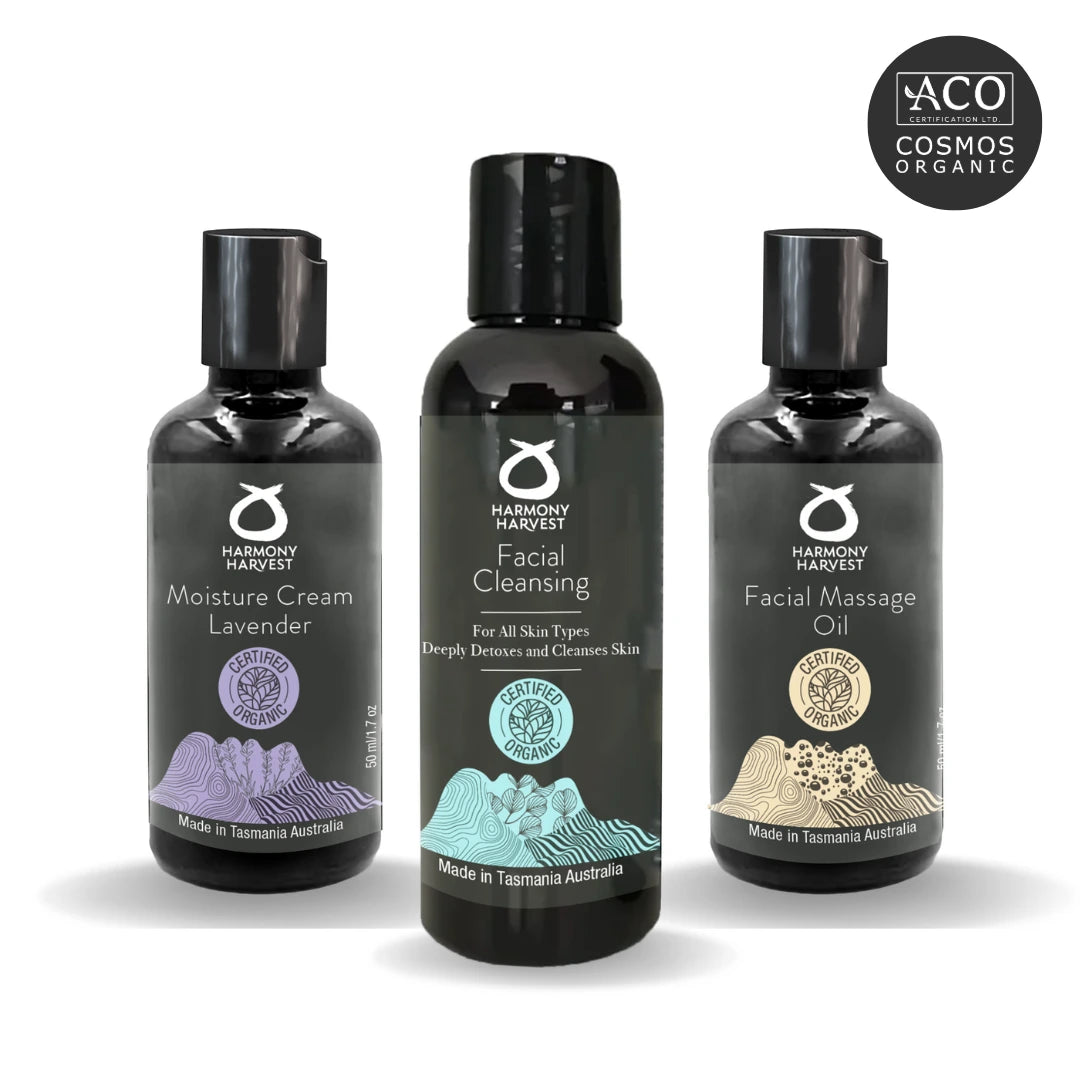
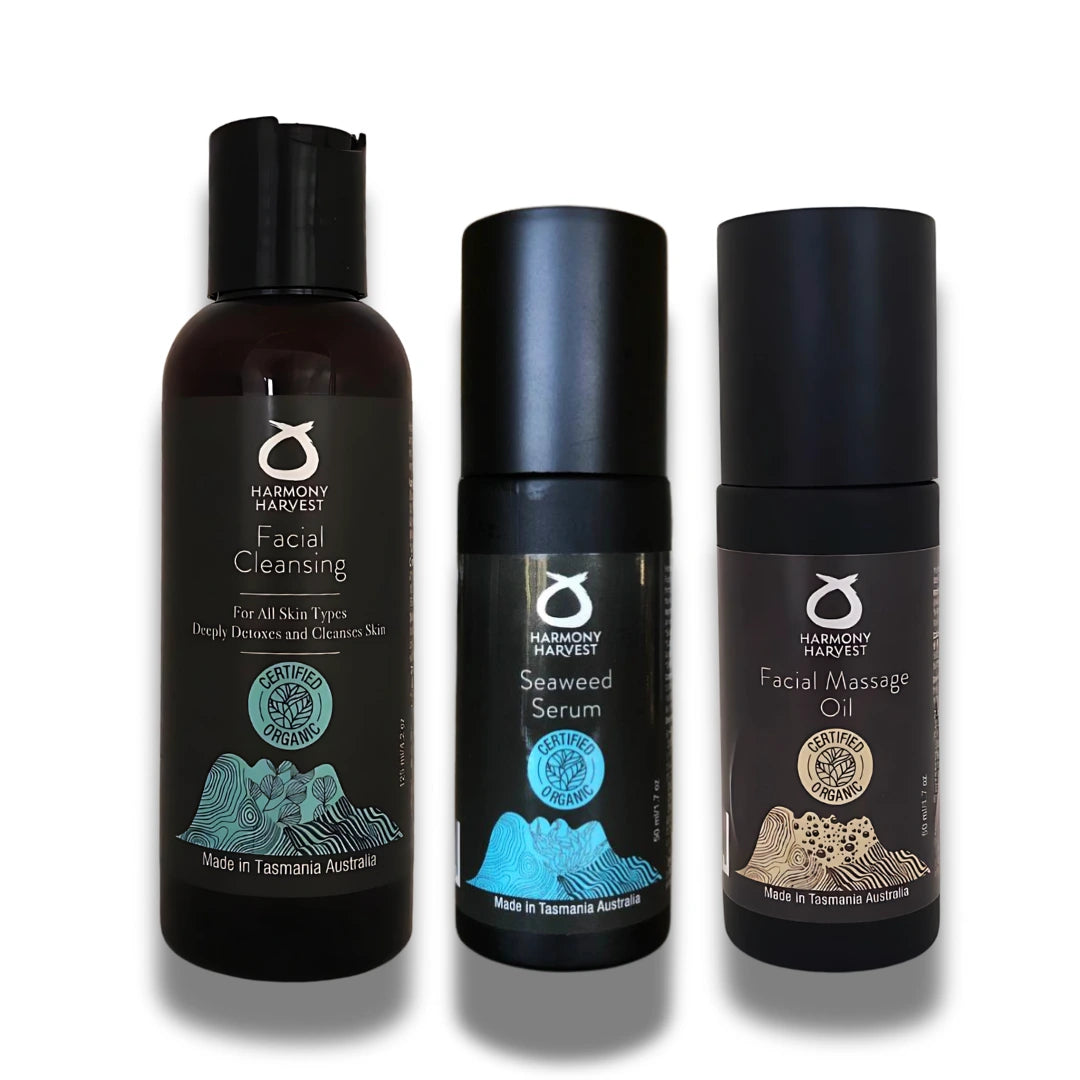
Harmony Harvest's Facial Cleansing formula is specifically designed for sensitive to all skin types, offering gentle cleansing without harsh surfactants. Our COSMOS-certified organic formula respects your skin barrier whilst removing impurities effectively. When you have sensitive skin, a simple two-step routine, cleanse and moisturise, is often more effective than complex multi-step regimens. Cleanse once in the morning and once in the evening using lukewarm water and gentle circular motions.
If your sensitive skin is also dehydrated or prone to eczema-like reactions, consider a cream or milk cleanser rather than a gel formula. Always patch-test new products on a small area first, especially if your skin reacts easily to ingredients.
How to Wash Your Face Properly
Proper cleansing technique matters as much as product choice. Many people damage their skin barrier through aggressive scrubbing, using water that's too hot, or cleansing too frequently.
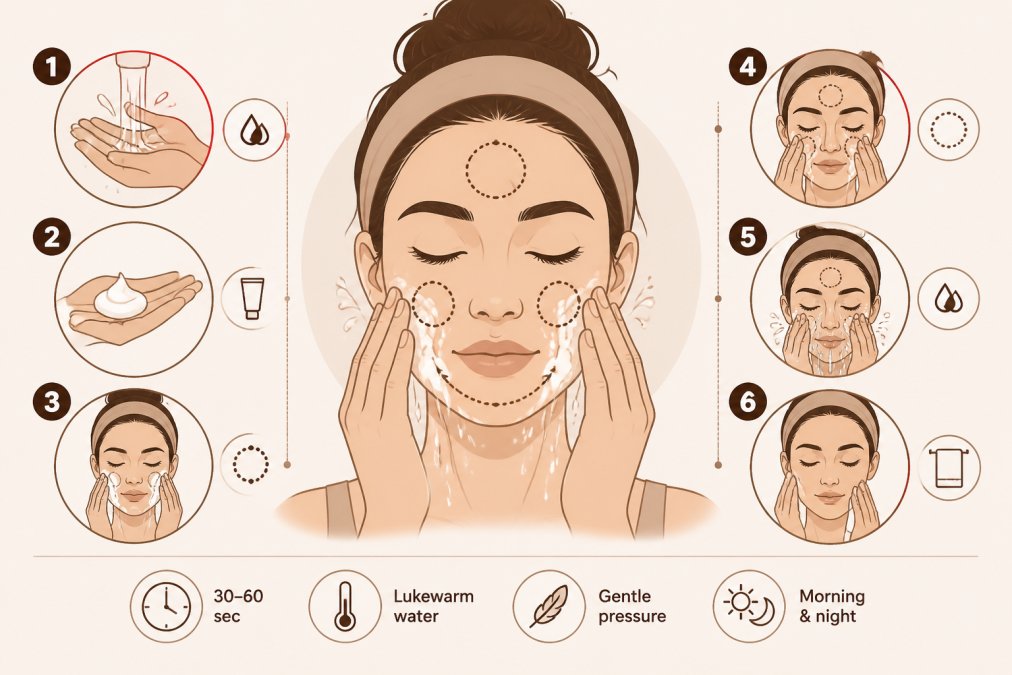
Start with lukewarm water, not hot, which opens pores excessively and can irritate sensitive skin. Wet your face and apply your cleanser using your fingertips, never a cloth or brush unless you have very oily skin. Use gentle circular motions, spending extra time on the T-zone where oil accumulates, but avoid harsh scrubbing on delicate areas like around your eyes.
Pay attention to often-missed areas: your hairline, jawline, and behind your ears. Rinse thoroughly with lukewarm water, ensuring no cleanser residue remains. Pat your skin dry gently with a clean towel, never rub vigorously. The entire process should take 60-90 seconds.
If you wear makeup or sunscreen, consider the double-cleanse method: first use an oil-based or micellar cleanser to dissolve makeup, then follow with your regular cleanser. After cleansing, apply serums and moisturisers within one to two minutes whilst your skin is still slightly damp to lock in hydration.
Key Ingredients to Look For in a Facial Cleanser
Understanding cleanser ingredients helps you choose products that genuinely benefit your skin. The best facial cleansers balance effective cleansing with skin-nourishing ingredients.
Ceramides are natural lipids that strengthen your moisture barrier and are essential for all skin types, particularly sensitive and dehydrated skin.
Plant-based surfactants like decyl glucoside or coco-glucoside are gentler alternatives to harsh sulphates. They effectively remove oil and impurities without disrupting your skin's pH.
Hydrating ingredients such as glycerin, hyaluronic acid, and plant oils prevent your cleanser from leaving skin feeling tight or uncomfortable.
Soothing botanicals like chamomile, aloe vera, calendula, and green tea have anti-inflammatory and antioxidant properties that calm irritation and support your skin's natural healing processes.
Natural exfoliating agents such as jojoba beads are gentler than synthetic microbeads. Use exfoliating cleansers only 2-3 times weekly to avoid over-exfoliating.
Avoid cleansers containing sulphates, synthetic fragrances, alcohol, and harsh essential oils, as these commonly trigger sensitivity and strip your skin's protective barrier. COSMOS-certified organic cleansers like those from Harmony Harvest are formulated without these harmful ingredients, relying instead on plant-based alternatives.
Morning vs. Evening Cleansing Routines
Your skin's needs differ throughout the day, so your cleansing approach should adapt accordingly.
Morning cleansing should be quick and gentle. You're primarily removing light oil and sweat, so a simple water rinse or a gentle milk or cream cleanser is often sufficient. The goal is to refresh your skin without disrupting your natural pH before applying moisturiser and sunscreen.
Evening cleansing is more thorough because you're removing makeup, sunscreen, and a full day's accumulation of environmental grime. If you wear makeup or sunscreen, start with an oil-based or micellar cleanser to dissolve these products, then follow with your regular cleanser. This double-cleanse method ensures complete removal without aggressive scrubbing.
Consider your skin type when choosing cleansers for different times of day. If you have oily skin, use a light gel cleanser in the morning and a more thorough foam or gel formula in the evening. If you have dry or sensitive skin, use a gentle cream or milk cleanser both morning and evening.
After cleansing in the morning, apply your lightweight moisturiser and sunscreen. In the evening, cleanse, then apply serums and richer moisturisers that support overnight repair.
How to Choose the Right Facial Cleanser for Your Skin
Choosing the right facial cleanser requires understanding your skin type, concerns, and how different formulas interact with your skin.
Identify your skin type first. Oily skin benefits from gel or foam cleansers that remove excess sebum without heaviness. Dry skin needs cream or milk cleansers that provide hydration whilst cleansing. Combination skin often does well with a gentle gel cleanser. Sensitive skin requires fragrance-free, hypoallergenic formulas with soothing ingredients.
Consider your primary skin concern. If you're dealing with acne, choose a cleanser with gentle exfoliating properties or purifying botanicals, but avoid harsh scrubbing. If your concern is ageing or dullness, look for cleansers with antioxidant ingredients. If sensitivity or barrier damage is your issue, prioritise ceramides and soothing ingredients.
Assess how your current cleanser makes your skin feel. If you feel tight or uncomfortable after cleansing, your cleanser is too stripping. If your skin feels greasy or congested, you might need a more thorough cleanse. The ideal cleanser leaves your skin feeling clean, comfortable, and ready to receive treatment products.
Look for third-party certifications that verify ingredient integrity. COSMOS-certified organic cleansers, like Harmony Harvest's range, are independently verified to contain genuine organic ingredients without synthetic chemicals, sulphates, or harmful additives.
Start with a patch test if you have reactive skin. Apply a small amount to your inner arm or behind your ear and wait 24 hours to check for irritation.
| Skin Type | Best Cleanser Formula | Key Ingredients | Frequency |
|---|---|---|---|
| Oily/Acne-prone | Gel or foam | Plant-based surfactants, purifying botanicals | Twice daily |
| Dry/Mature | Cream or milk | Ceramides, plant oils, hydrating ingredients | Once or twice daily |
| Sensitive | Cream or milk | Ceramides, soothing botanicals, fragrance-free | Once or twice daily |
| Combination | Gentle gel or milk | Balanced hydration and cleansing | Twice daily |
| Normal | Any gentle formula | Balanced ingredients | Once or twice daily |
Conclusion
A proper facial cleansing routine is the cornerstone of healthy, radiant skin at any age. The key is choosing a formula that respects your skin barrier whilst effectively removing impurities, then using proper technique consistently.
Harmony Harvest's Facial Cleansing formula is designed for sensitive to all skin types, delivering gentle yet effective cleansing using COSMOS-certified organic, vegan ingredients. Our plant-based formula removes makeup, sunscreen, and daily grime without harsh surfactants or synthetic chemicals that compromise your skin barrier.
Discover how a truly gentle, organic cleanser can transform your skin. Visit Harmony Harvest's Facial Care collection and explore our COSMOS-certified organic, vegan, and cruelty-free Facial Cleansing range. Your skin deserves nourishment, not compromise. Shop now at harmonyharvest.com.
Frequently Asked Questions
What is the best facial cleanser for sensitive skin?
The best facial cleanser for sensitive skin is one that is soap-free, fragrance-free, and formulated without harsh surfactants. Look for cleansers containing ceramides and other ingredients that support your moisture barrier. Avoid products with synthetic detergents or irritating exfoliants. A gentle, pH-balanced formula helps prevent dehydration and inflammation. COSMOS-certified organic cleansers like Harmony Harvest's Facial Cleansing range are specifically formulated for sensitive to all skin types, using plant-based ingredients that are naturally gentle and non-irritating.
How often should you use a facial cleanser?
Most people benefit from cleansing twice daily: once in the morning and once in the evening. Morning cleansing removes overnight oil buildup and prepares your skin for the day ahead. Evening cleansing removes makeup, sunscreen, and environmental pollutants accumulated throughout the day. However, if you have very dry or sensitive skin, you may prefer to cleanse once daily with water in the morning and a gentle cleanser at night. Listen to your skin and adjust frequency based on how your skin responds.
Do I need a facial cleanser if I don't wear makeup?
Yes, a facial cleanser is beneficial even if you don't wear makeup. Throughout the day, your skin accumulates dead skin cells, sebum, bacteria, and environmental pollutants like dust and pollution. A gentle facial cleanser removes these impurities and helps maintain a clear, healthy complexion. Evening cleansing is especially important as it allows your skin to regenerate overnight. Even without makeup, using a mild, appropriate cleanser supports your skin's natural renewal process and helps prevent congestion and dullness.
How do I know if my facial cleanser is working for my skin type?
A good facial cleanser should leave your skin feeling clean without tightness, dryness, or excessive oiliness. Your skin should feel hydrated and comfortable within a few minutes of cleansing. If you experience redness, irritation, or increased sensitivity, your cleanser may be too harsh. If your skin feels greasy immediately after cleansing, the formula may not be removing sebum effectively. Pay attention to your skin texture, breakouts, and overall comfort. It typically takes 2-4 weeks to assess whether a cleanser is truly working for your skin type.
This article was written using GrandRanker
Best Sellers


Read more
Best Moisture Cream for Your Skin: A 2026 Guide
Find the best moisture cream for your skin type. Compare formulas, ingredients, and benefits. Discover COSMOS-certified organic options here.
Read more
Australian Haircare for Sensitive Scalps and Dandruff
Australian haircare for sensitive scalps and dandruff: Sensitive scalp and dandruff relief with COSMOS-certified organic haircare. Learn causes.
Read more