


Australian Haircare for Sensitive Scalps and Dandruff
Table of Contents
- Understanding Scalp Sensitivity and Dandruff
- Causes of Scalp Irritation and Flaking in Australian Climates
- Ingredients to Avoid for Sensitive Scalp Health
- Key Ingredients for Soothing Irritated Scalps
- Natural Remedies for Dandruff That Work
- Building Your Scalp-Care Routine for Long-Term Health
- Conclusion
Last Updated: August 10, 2026
Understanding Scalp Sensitivity and Dandruff
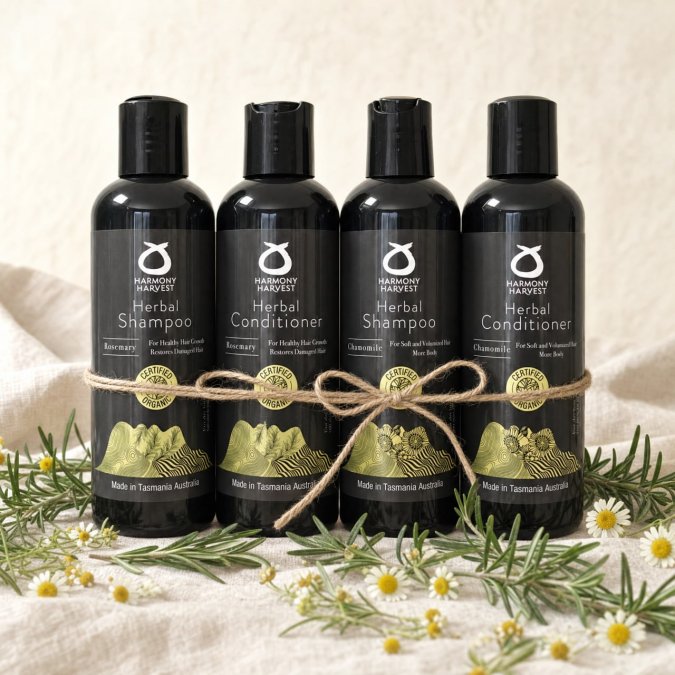
When your scalp feels tight, itchy, or uncomfortable, it's often a sign that your scalp barrier has been compromised. Australian haircare for sensitive scalps and dandruff requires a different approach than standard shampoos, one that prioritises barrier repair and gentle, plant-based cleansing. Harmony Harvest's COSMOS-certified organic hair care collection is specifically formulated for sensitive scalps, offering solutions that work with your scalp's natural microbiome rather than against it.
The distinction between dandruff and dry scalp matters more than most people realise. Dandruff typically involves visible white or yellowish flakes accompanied by inflammation, often linked to an overgrowth of the naturally occurring Malassezia yeast on the scalp. Dry scalp results from insufficient moisture retention and sebum production, leading to flaking without the inflammatory response. Both conditions cause discomfort, but they require different treatment strategies.
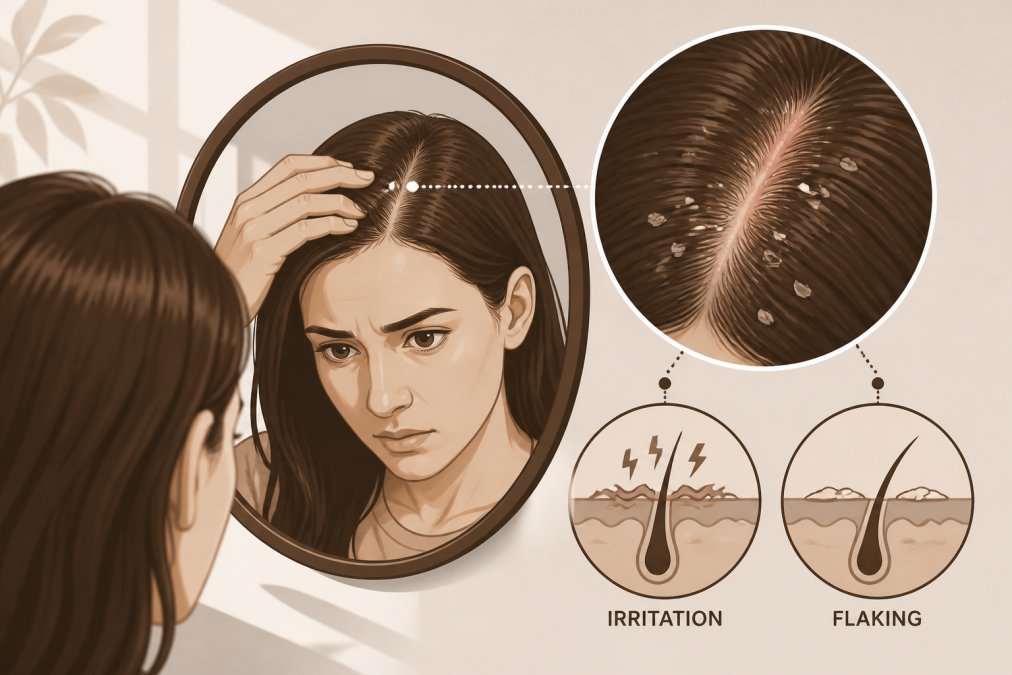
The difference between dandruff and dry scalp
True dandruff is a form of seborrheic dermatitis, where the scalp's natural yeast population becomes excessive, triggering inflammation and accelerated skin cell turnover. You'll notice greasy, yellow-tinged flakes, often accompanied by redness and persistent itching. Dry scalp produces fine, white flakes without the oiliness or redness, it's essentially a hydration problem where the scalp lacks sufficient moisture and can't retain water effectively.
Understanding which condition you're experiencing is crucial because the treatment approach differs significantly. Dandruff responds better to anti-inflammatory botanicals and pH-balanced formulas that regulate sebum production. Dry scalp needs intensive hydration and barrier-supporting ingredients that lock moisture into the scalp.
How the scalp barrier becomes compromised
Your scalp barrier is a protective layer made up of lipids, proteins, and naturally occurring microorganisms. When healthy, it maintains an acidic pH (around 4.5 to 5.5), which keeps harmful bacteria and yeast in check whilst supporting beneficial microorganisms. A compromised barrier loses this protective function.
Common culprits include sulfates and synthetic detergents that strip away protective lipids, harsh fragrances that irritate delicate scalp skin, and frequent heat styling without protective products. Australia's intense UV exposure, fluctuating humidity, and chlorinated water from swimming can all weaken the barrier over time.
Causes of Scalp Irritation and Flaking in Australian Climates
Australia's unique climate presents specific challenges for scalp health. The intense UV radiation, combined with salt water exposure for coastal dwellers and chlorine from pools, creates an environment where scalp sensitivity can flourish.
Environmental and lifestyle triggers
Australia's summer heat and intense sun exposure accelerate moisture loss from the scalp, leaving it dry and vulnerable. Chlorine from swimming pools binds to hair and scalp, stripping away natural oils and disrupting pH balance. Salt water has a similar effect, drawing moisture from the scalp whilst introducing mineral buildup that can irritate sensitive skin.
Lifestyle choices significantly impact scalp health. Frequent heat styling raises scalp temperature and increases moisture evaporation. Tight hairstyles that create tension on the scalp can trigger inflammation and worsen existing irritation. Stress also plays an underestimated role: elevated cortisol levels can trigger or exacerbate seborrheic dermatitis and other scalp conditions.
Dietary factors deserve mention too. A diet high in inflammatory foods (refined sugars, processed oils, excessive alcohol) can worsen scalp irritation from the inside out. Conversely, foods rich in omega-3 fatty acids, zinc, and B vitamins support scalp health and barrier function.
Ingredients to Avoid for Sensitive Scalp Health
Not all shampoos are created equal, and for sensitive scalps, ingredient selection is everything. The wrong formula can worsen irritation within days, setting back your barrier repair efforts significantly.
Sulfates, synthetic fragrances, and harsh detergents
Sulfates, primarily sodium lauryl sulfate (SLS) and sodium laureth sulfate (SLES), are surfactants designed to create lather and strip away oils. For sensitive scalps, this stripping action is counterproductive. Sulfates remove not just product buildup but also the protective lipids your scalp desperately needs, disrupting the scalp's pH balance and creating an environment where inflammation flourishes.
Synthetic fragrances are another common irritant. Unlike essential oils, which contain multiple beneficial compounds, synthetic fragrance chemicals are isolated molecules designed purely for scent. The scalp's skin is thinner and more permeable than facial skin, making it particularly vulnerable to irritant contact dermatitis from fragrance compounds.
Harsh detergents beyond sulfates, including cocamidopropyl betaine and other strong surfactants, can compromise the scalp barrier. Silicones, whilst they create a smooth feel temporarily, build up on the scalp over time, trapping moisture and bacteria beneath the surface, which can worsen conditions like dandruff.
Why natural alternatives matter for barrier repair
Natural, plant-based cleansing agents work differently than synthetic surfactants. Ingredients like saponified oils, gentle botanical extracts, and amino acid-derived cleansers remove buildup without stripping protective lipids. They're less likely to disrupt the scalp microbiome or trigger inflammatory responses.
Plant-based formulas tend to be pH-balanced closer to the scalp's natural acidic state, which supports the growth of beneficial bacteria and inhibits overgrowth of problematic organisms like Malassezia.
Key Ingredients for Soothing Irritated Scalps
The most effective approach to scalp health involves ingredients with proven anti-inflammatory and barrier-supporting properties.
Anti-inflammatory botanicals and their benefits
Chamomile contains compounds like apigenin and bisabolol, which reduce inflammation and soothe irritated skin. It also has mild antimicrobial properties, making it useful for managing overgrowth of problematic microorganisms.
Calendula (marigold) is another potent anti-inflammatory botanical that stimulates the skin's natural healing processes and reduces redness associated with irritation.
Tea tree oil has antimicrobial properties, particularly against Malassezia, but must be used cautiously and always diluted. In properly formulated products, it helps regulate scalp microbiome balance without causing additional irritation.
Aloe vera provides deep hydration whilst its polysaccharide content supports barrier function. It also has natural antimicrobial and anti-inflammatory properties.
Lavender has mild antimicrobial properties, reduces inflammation, and promotes relaxation, which indirectly supports scalp health by reducing stress-related flare-ups.
Australian native botanicals like kakadu plum and Davidson plum are rich in antioxidants and vitamin C, which protect the scalp from oxidative stress caused by UV exposure and environmental pollutants.
Natural Remedies for Dandruff That Work
Beyond commercial products, several plant-based approaches can support scalp health and reduce dandruff.
Coconut oil has demonstrated antimicrobial and anti-inflammatory properties. A weekly scalp massage with organic, cold-pressed coconut oil can improve hydration and reduce flaking.
Apple cider vinegar rinses help restore the scalp's natural pH balance. A diluted rinse (one part vinegar to three parts water) applied after shampooing can help regulate sebum production and reduce Malassezia overgrowth. Use this remedy 1-2 times weekly.
Neem oil has been used in traditional Indian medicine for centuries and contains fatty acids and vitamin E, which support barrier function, and compounds with proven antimicrobial activity.
Scalp massage itself is a natural remedy often overlooked. Gentle, circular massage with fingertips increases blood circulation to the scalp, supporting nutrient delivery and promoting healing. A 5-minute daily massage can improve scalp health over time.
Dietary adjustments support scalp health from within. Increasing omega-3 fatty acids, zinc, and B vitamins provides the micronutrients your scalp needs for barrier repair and healthy sebum production.
Building Your Scalp-Care Routine for Long-Term Health
A sustainable scalp-care routine doesn't require complicated steps or expensive treatments. The key is consistency with gentle, effective products and practices that support your scalp's natural healing.
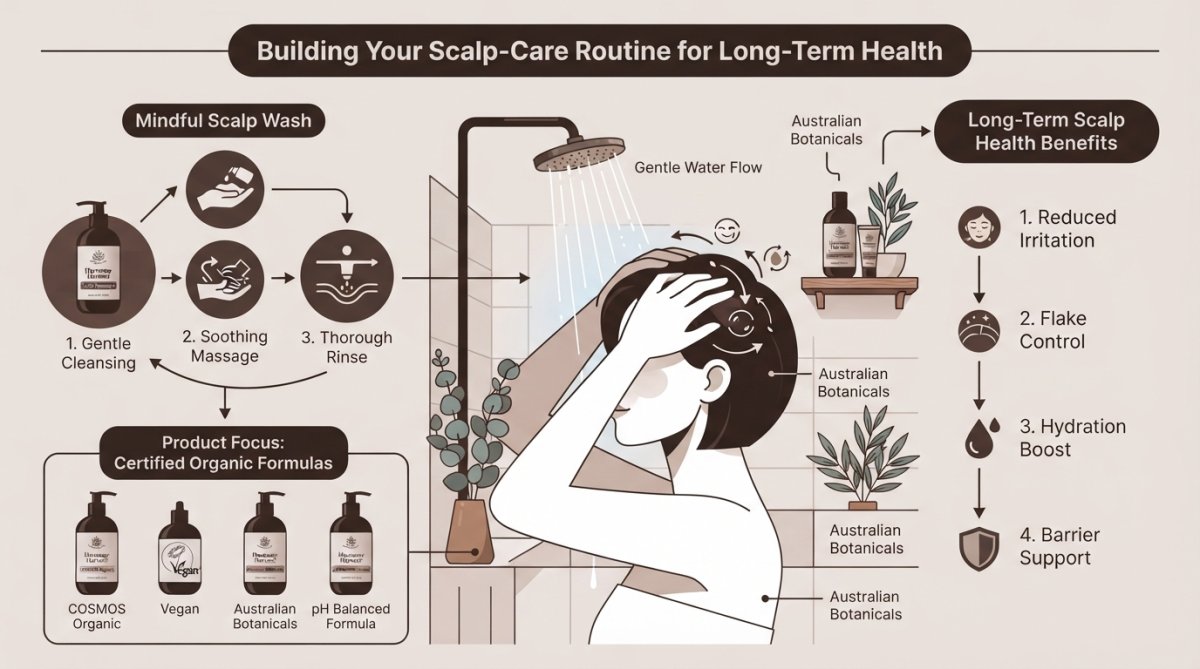
Gentle cleansing frequency and application tips
How often you shampoo matters significantly for sensitive scalps. Many people with scalp sensitivity actually worsen their condition by shampooing too frequently. Daily shampooing strips away protective oils, forcing the scalp to overproduce sebum in compensation.
For sensitive scalps, shampooing 2-3 times weekly is often ideal. This frequency removes necessary buildup and dirt without over-stripping protective lipids.
When you do shampoo, application technique matters. Wet your hair thoroughly with lukewarm water. Apply a small amount of gentle shampoo to your scalp, not your hair lengths. Use your fingertips to massage gently in circular motions for 1-2 minutes, focusing on the scalp rather than scrubbing vigorously. Rinse thoroughly with cool water to help seal the scalp barrier and reduce inflammation.
Conditioning is essential for sensitive scalps. Use a lightweight, barrier-supporting conditioner on your hair lengths, avoiding the scalp itself.
Transitioning from clinical to natural products
If you've been using medicated shampoos or prescription treatments, transitioning to natural products requires patience. Clinical treatments work quickly by aggressively targeting Malassezia, but natural products work more gently and sustainably.
When you switch from a clinical treatment to a natural formula, your scalp may experience a brief adjustment period (1-2 weeks) where symptoms temporarily worsen as your scalp microbiome rebalances. This is normal and usually resolves as your barrier strengthens.
The transition works best if you:
- Replace your shampoo gradually, using the new formula 2-3 times weekly whilst continuing your previous product for other washes
- Introduce any new treatments one at a time, waiting 1 week between additions
- Give yourself at least 4-6 weeks before evaluating effectiveness
- Avoid switching products frequently during the transition period
Harmony Harvest's COSMOS-certified organic hair care collection is designed to support this transition. The formulas are gentle enough for sensitive, compromised scalps whilst containing active botanicals that address the root causes of irritation and flaking.
Step |
Duration |
Frequency |
|---|---|---|
Gentle scalp massage |
5 minutes |
Daily |
Shampooing with natural formula |
2-3 minutes |
2-3 times weekly |
Conditioning hair lengths |
3-5 minutes |
2-3 times weekly |
Weekly treatment (oil or mask) |
15-20 minutes |
Once weekly |
Dietary support (omega-3s, zinc, B vitamins) |
Ongoing |
Daily |
Scalp sensitivity and dandruff don't have to be permanent struggles. By understanding your scalp's unique needs, avoiding irritating ingredients, and committing to a gentle, barrier-supporting routine, you can restore comfort and health.
Harmony Harvest's COSMOS-certified organic, vegan hair care collection is specifically formulated for sensitive scalps, combining gentle cleansing with active botanicals that soothe irritation and support barrier repair. Every product is cruelty-free, designed to work with your scalp's natural microbiome rather than against it. Explore the Hair Care collection to find the right formula for your scalp type, and experience the difference that genuinely natural, barrier-supporting care can make.
Frequently Asked Questions
What's the difference between dandruff and a dry scalp?
Dandruff typically appears as oily, yellow or white flakes caused by the malassezia fungus or seborrheic dermatitis, often accompanied by scalp itching and inflammation. Dry scalp produces smaller, white flakes from dehydration and lacks the oily appearance. The distinction matters because treatments differ: dandruff responds to anti-inflammatory, scalp-balancing formulas, while dry scalp needs intensive hydration and moisture retention. If you're unsure, a dermatologist can confirm which condition you have.
What ingredients should I avoid if I have a sensitive scalp?
Avoid sulfates (sodium lauryl sulfate), synthetic fragrances, parabens, and harsh chemical detergents that strip the scalp barrier. Silicones can build up and trap moisture, worsening irritation. Alcohol-based products and strong preservatives often trigger sensitivity. Instead, look for sulfate-free, fragrance-free, and hypoallergenic formulas. COSMOS-certified organic products like those in Harmony Harvest's hair care collection exclude these irritants entirely, using gentle plant-based cleansers and soothing botanicals designed for scalp barrier repair.
Are there natural remedies for dandruff that actually work?
Yes. Plant-based ingredients like tea tree oil, calendula, chamomile, and aloe vera have proven anti-inflammatory and antimicrobial properties that reduce flaking and soothe scalp irritation. Coconut oil and jojoba oil support sebum regulation and scalp hydration without clogging follicles. The key is consistency: natural remedies work best when used regularly as part of a gentle, pH-balanced routine. Organic formulas that combine multiple soothing agents tend to deliver faster, more visible results than single-ingredient treatments.
How often should I wash my hair if I have a sensitive scalp?
Most people with sensitive scalps benefit from washing 2-3 times per week with a gentle, sulfate-free formula. Frequent washing can strip the scalp's natural oils and worsen irritation, while infrequent washing allows buildup. The right frequency depends on your scalp type: oily, sensitive scalps may tolerate every other day, while dry, sensitive scalps often improve with less frequent washing. Start with 2-3 times weekly and adjust based on how your scalp feels. Always use lukewarm water and avoid vigorous rubbing.
This article was written using GrandRanker
Best Sellers

Read more
Facial Cleanser Guide: Choose the Right One for Your Skin
Find the perfect facial cleanser for your skin type. Learn which cleansers work best, how to choose, and proven cleansing routines that protect your skin.
Read more
Plant-Based Shampoo to Prevent Seasonal Hair Shedding
Plant-based shampoo to prevent seasonal hair shedding: Plant-based shampoo can help prevent seasonal hair shedding. Learn which botanical ingredients.
Read more