


Plant-Based Shampoo to Prevent Seasonal Hair Shedding
Table of Contents
- Why Seasonal Hair Shedding Happens: Understanding the Cycle
- Causes of Seasonal Hair Loss and How They Affect Your Scalp
- Key Plant-Based Ingredients That Protect Hair Fibres
- Plant-Based Shampoo vs. Synthetic Formulas: What Actually Works
- Building a Scalp Care Routine for Hair Shedding
- How to Wash Thinning Hair Without Causing Further Damage
- Sustainable Choices: Why Ingredient Sourcing Matters for Hair Health
- Conclusion
Last Updated: August 12, 2026
Why Seasonal Hair Shedding Happens: Understanding the Cycle
Seasonal hair shedding is a natural biological process tied to changing daylight hours and temperature shifts. Your hair operates on a growth cycle with distinct phases: anagen (growth), catagen (transition), and telogen (resting). As seasons change, particularly during autumn and spring, many people experience increased shedding as their hair moves through these phases more synchronously than usual.
Hair follicles respond to environmental cues like light exposure and temperature. When daylight decreases in autumn, your body naturally shifts more hairs into the telogen phase, preparing them for shedding. Understanding this cycle helps you recognise that seasonal shedding isn't a sign of damage or disease, it's your body's way of renewing itself. Increased shedding typically lasts 4-8 weeks as your body cycles through this transition.
Causes of Seasonal Hair Loss and How They Affect Your Scalp
Environmental stress, nutritional shifts, and scalp condition changes compound the natural shedding cycle during seasonal transitions. When temperatures drop in winter, your scalp receives less blood circulation due to vasoconstriction, meaning fewer nutrients reach your hair follicles and breakage becomes more likely.
Humidity changes significantly impact scalp health. Autumn and winter bring drier air, which strips moisture from both your scalp and hair fibre. A dehydrated scalp becomes irritated, flaky, and inflamed, conditions that destabilise follicles and accelerate shedding. Many people unknowingly change their hair care routines seasonally, switching to heavier products that clog pores or using water that's too hot, further stressing the scalp.
Seasonal eating patterns often mean fewer fresh vegetables and botanical nutrients, leaving your body with less biotin, zinc, and antioxidant support. Hair follicles are metabolically demanding and need consistent nutrient supply to maintain the anagen phase. The scalp microbiome also shifts with temperature and humidity changes, allowing problematic microorganisms to proliferate and weaken follicle attachment.
Key Plant-Based Ingredients That Protect Hair Fibres
Plant-based ingredients offer targeted support for hair fibre protection during seasonal stress. Caffeine stimulates adenosine receptors at the follicle base, extending the anagen phase and promoting scalp circulation. Rosemary extract contains cineole and camphor compounds that enhance scalp revitalisation and follicle stimulation whilst providing antioxidant protection against oxidative stress.
Saw palmetto modulates scalp hormone activity, reducing follicle sensitivity to DHT and helping stabilise the anagen phase. Essential oils like peppermint and eucalyptus cool inflamed scalps whilst improving circulation through vasodilation. Amino acids and biotin are structural building blocks for keratin, the primary protein in hair, reducing breakage during the telogen phase. Antioxidant-rich botanicals such as green tea extract, rosehip, and plant-derived vitamin E protect hair follicles from free radical damage that accelerates their move into telogen.
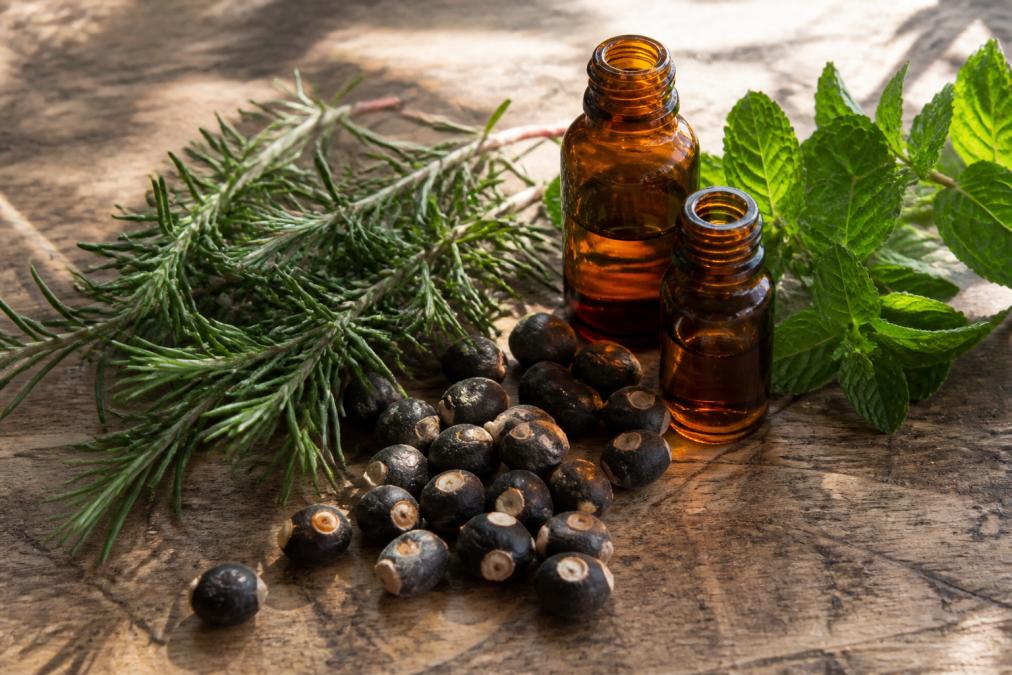
The most effective plant-based shampoos combine multiple botanical extracts rather than relying on a single ingredient. Harmony Harvest Hair Care collection features COSMOS-certified organic, vegan formulas that blend these ingredients synergistically, creating an environment where follicles can complete their natural cycle without unnecessary stress.
Plant-Based Shampoo vs. Synthetic Formulas: What Actually Works
Plant-based shampoos use gentler surfactants derived from coconut or sugar, compounds that cleanse without destroying your scalp's protective barrier. These milder cleansers remove buildup whilst preserving the natural oils that strengthen hair fibre and stabilise follicles.
Synthetic formulas rely on surfactants like sodium lauryl sulfate to strip oils from hair and scalp. This aggressive cleansing removes not just dirt but also the protective sebum layer that insulates hair and maintains scalp health. During seasonal shedding, when your scalp is already stressed, this stripping action accelerates follicle damage.
Synthetic preservatives like parabens can trigger scalp inflammation in sensitive individuals, worsening the inflammatory environment that accelerates shedding. Plant-based preservatives like rosemary extract and vitamin E provide antimicrobial protection without triggering immune responses. Plant-based formulas maintain scalp pH balance more effectively than synthetic alternatives, supporting the acid mantle essential for healthy hair retention.
A plant-based shampoo that genuinely reduces shedding duration can be a valuable investment. Harmony Harvest Hair Care products offer COSMOS-certified organic, vegan formulations designed to address the root causes of seasonal shedding rather than masking symptoms.
Building a Scalp Care Routine for Hair Shedding
A complete scalp care routine for seasonal shedding involves more than just shampooing.
Step 1: Gentle Cleansing (3-4 times weekly) Use a plant-based, sulfate-free shampoo designed for thinning hair. Focus on the scalp, massaging gently with your fingertips for 60-90 seconds to stimulate circulation without causing tension on weakened follicles. Rinse thoroughly with cool water to close the hair cuticle.
Step 2: Scalp Exfoliation (1-2 times weekly) A gentle scalp exfoliant removes dead skin cells and product buildup that suffocate follicles. Use a soft-bristled scalp brush or plant-based exfoliating scrub with fine particles.
Step 3: Scalp Treatment (2-3 times weekly) Apply a nourishing scalp treatment containing caffeine, rosemary, or saw palmetto. Leave the treatment on for at least 10 minutes to allow botanical compounds to penetrate and stimulate follicles.
Step 4: Conditioning (every wash) Use a plant-based conditioner on the mid-lengths and ends of your hair, avoiding the scalp itself. This protects the hair shaft from moisture loss whilst preventing product buildup at the root.
Step 5: Scalp Massage (daily, 5 minutes) Dedicate five minutes daily to scalp massage using your fingertips. Apply gentle, circular pressure across your entire scalp to improve blood flow, particularly valuable during winter when natural vasoconstriction reduces nutrient delivery to follicles.
| Routine Step | Frequency | Duration | Purpose |
|---|---|---|---|
| Gentle cleansing | 3-4 times weekly | 60-90 seconds | Remove buildup without stripping protective oils |
| Scalp exfoliation | 1-2 times weekly | 5-10 minutes | Clear dead skin and product residue |
| Scalp treatment | 2-3 times weekly | 10+ minutes | Deliver botanical actives to follicles |
| Conditioning | Every wash | 3-5 minutes | Protect hair shaft from moisture loss |
| Daily scalp massage | Every day | 5 minutes | Enhance circulation and reduce tension |
Consistency matters more than intensity. A gentle routine followed religiously for 6-8 weeks will outperform an aggressive routine followed sporadically.
How to Wash Thinning Hair Without Causing Further Damage
Washing technique is often overlooked, yet it's one of the most impactful factors in preventing damage during seasonal shedding.
Water Temperature Always use lukewarm to cool water. Hot water opens the hair cuticle, allowing moisture to escape and making the hair shaft more vulnerable to breakage. Cool water seals the cuticle, locking in moisture and strengthening the hair fibre.
Shampooing Technique Apply shampoo directly to your scalp, not the hair lengths. Use your fingertips to massage the scalp in gentle circular motions for 60-90 seconds. Let the shampoo rinse down through the hair naturally rather than aggressively rubbing the lengths.
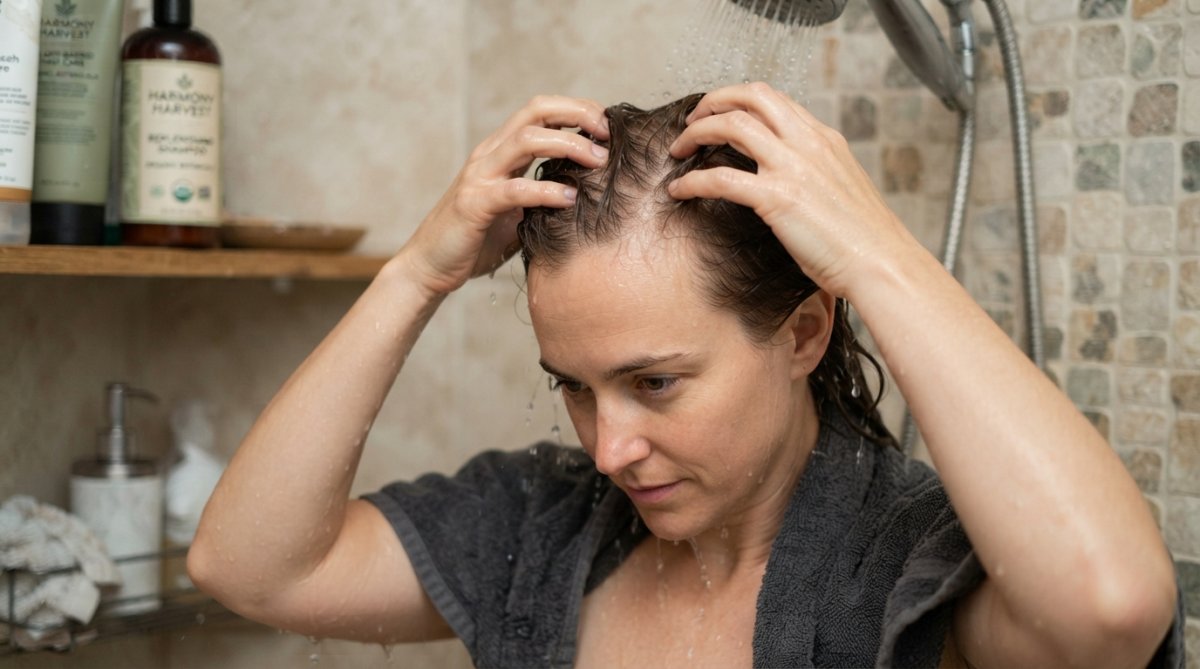
Conditioning Application Apply conditioner only to the mid-lengths and ends of your hair. Never condition the scalp itself, as this can clog follicles and trigger inflammation. Work the conditioner through gently with your fingers rather than a brush.
Drying Method Never rub your hair vigorously with a towel. Instead, gently squeeze water out using your hands or a soft microfibre towel. If using a blow dryer, use the lowest heat setting and hold it at least 15 centimetres from your scalp.
Detangling Wait until your hair is at least 50% dry before detangling. Wet hair is most vulnerable to breakage. Use a wide-tooth comb or soft-bristled brush, starting from the ends and working upward.
Frequency During peak shedding seasons, wash 3-4 times weekly rather than daily. Frequent washing strips natural oils faster than your scalp can replace them, destabilising follicles. If your hair feels greasy between washes, a dry shampoo made from plant-based ingredients can refresh your hair without water-based cleansing stress.
Sustainable Choices: Why Ingredient Sourcing Matters for Hair Health
The sustainability of your shampoo directly affects the efficacy and safety of what you're applying to your scalp. Conventionally-grown botanical ingredients often contain pesticide residues that can trigger inflammation and disrupt your scalp microbiome. Organic, sustainably-sourced ingredients are cultivated without synthetic pesticides, meaning the botanical compounds reach your scalp in their purest form.
Sustainable sourcing also ensures ingredient potency. Plants grown in nutrient-rich soil without synthetic fertilisers develop higher concentrations of protective compounds like antioxidants and essential oils. Cold-pressed and solvent-free extraction preserves delicate compounds that heat or chemical solvents would destroy.
Beyond efficacy, sustainable sourcing supports the ecosystems where these plants grow. Harmony Harvest sources ingredients using gentle extraction methods, ensuring that caffeine, rosemary extract, and saw palmetto retain their full therapeutic potential. Harmony Harvest Hair Care products come in packaging designed for recycling, reducing waste whilst delivering COSMOS-certified organic, vegan formulations.
Conclusion
Seasonal hair shedding is manageable when you understand the biological mechanisms driving it and support your scalp with targeted, plant-based care. The causes of seasonal hair loss, reduced circulation, scalp dehydration, nutritional shifts, and microbiome disruption, all respond to consistent botanical support.
A plant-based shampoo works by maintaining your scalp's protective barrier, improving follicular circulation, and delivering botanical actives that extend the growth phase. Combined with a comprehensive scalp care routine and proper washing technique, plant-based formulations create an environment where your hair can complete its natural cycle without unnecessary breakage or premature shedding.
Explore the Harmony Harvest Hair Care collection and discover COSMOS-certified organic, vegan products formulated to strengthen your hair, revitalise your scalp, and reduce seasonal shedding naturally. Your hair deserves care that works with your body's biology, not against it.
Frequently Asked Questions
How long does seasonal hair shedding typically last?
Seasonal hair shedding usually peaks during autumn and spring transitions, lasting 2-3 months as your hair cycles through the telogen phase. Most people shed 50-100 hairs daily normally, but this can increase to 150-200 during seasonal shifts. Hair growth cycles naturally slow during seasonal changes, which is why you notice more hair in your brush or shower drain during these periods.
Can plant-based shampoo actually prevent seasonal hair loss?
Plant-based shampoos cannot stop seasonal shedding entirely, as it's a natural physiological process. However, they can significantly reduce excessive hair loss by strengthening hair fibres, supporting scalp health, and maintaining follicular vitality. Botanical extracts like rosemary and saw palmetto improve scalp circulation, whilst amino acids and natural oils strengthen the hair shaft, helping your hair stay healthier through seasonal transitions.
What should I look for in a shampoo to minimise hair fall during shedding season?
Choose shampoos that are sulfate-free and paraben-free, as harsh chemicals damage the hair shaft and weaken follicles. Look for botanical extracts such as rosemary, biotin, caffeine infusion, and essential oils that support scalp revitalisation and hair density. COSMOS-certified organic formulas ensure your ingredients are pure and sustainably sourced, without synthetic detergents that strip natural oils needed for follicular health.
Why does hair shedding increase during certain seasons?
Seasonal hair shedding occurs because your hair responds to changes in daylight, temperature, and humidity. As seasons shift, more hair enters the telogen effluvium phase, where follicles pause growth before shedding. This is a natural survival mechanism; your body adjusts nutrient distribution and scalp circulation to match environmental conditions. Reduced sunlight in autumn and temperature drops trigger this cycle, which is why many people experience peak shedding in spring and autumn.
This article was written using GrandRanker
Best Sellers

Read more
Australian Haircare for Sensitive Scalps and Dandruff
Australian haircare for sensitive scalps and dandruff: Sensitive scalp and dandruff relief with COSMOS-certified organic haircare. Learn causes.
Read more
Does Organic Hair Growth Shampoo Actually Work?
Explore whether organic hair growth shampoo delivers real results. Learn how plant-based ingredients support scalp health and hair density naturally.
Read more