


Best Moisture Cream for Your Skin: A 2026 Guide
Table of Contents
- What Makes the Best Moisture Cream for Your Skin
- How Often Should You Moisturise Your Face
- Key Ingredients to Look for in a Moisture Cream
- Benefits of Seaweed Extract in Skincare
- How to Layer Skincare Products with Your Moisture Cream
- Top Moisture Creams for Different Skin Types
- Choosing the Right Moisture Cream for Your Needs
- Conclusion
Last Updated: August 7, 2026
What Makes the Best Moisture Cream for Your Skin
Finding the best moisture cream for your skin is about understanding what your complexion actually needs, not chasing marketing claims. A truly effective moisture cream combines hydration with barrier support, delivering both immediate comfort and long-term skin resilience. Whether your skin is dry, sensitive, mature, or compromised from procedures, the right formulation makes a measurable difference in how your skin feels and looks within weeks.
The foundation of any effective moisture cream rests on three core functions: attracting water to the skin (hydration), trapping that moisture in place (occlusion), and strengthening the skin's natural protective barrier. Products that excel at all three tend to deliver results that last. Many people discover that switching to a genuinely effective moisture cream resolves texture issues, reduces irritation, and creates a stable base for other skincare steps they've already been using.
At Harmony Harvest, we've observed that the best moisture creams share a common trait: they're formulated with respect for the skin's own biology rather than against it. COSMOS-certified organic formulations like ours work with your skin's natural processes, delivering deep hydration through plant-based humectants and emollients whilst supporting barrier function without synthetic additives.
How Often Should You Moisturise Your Face
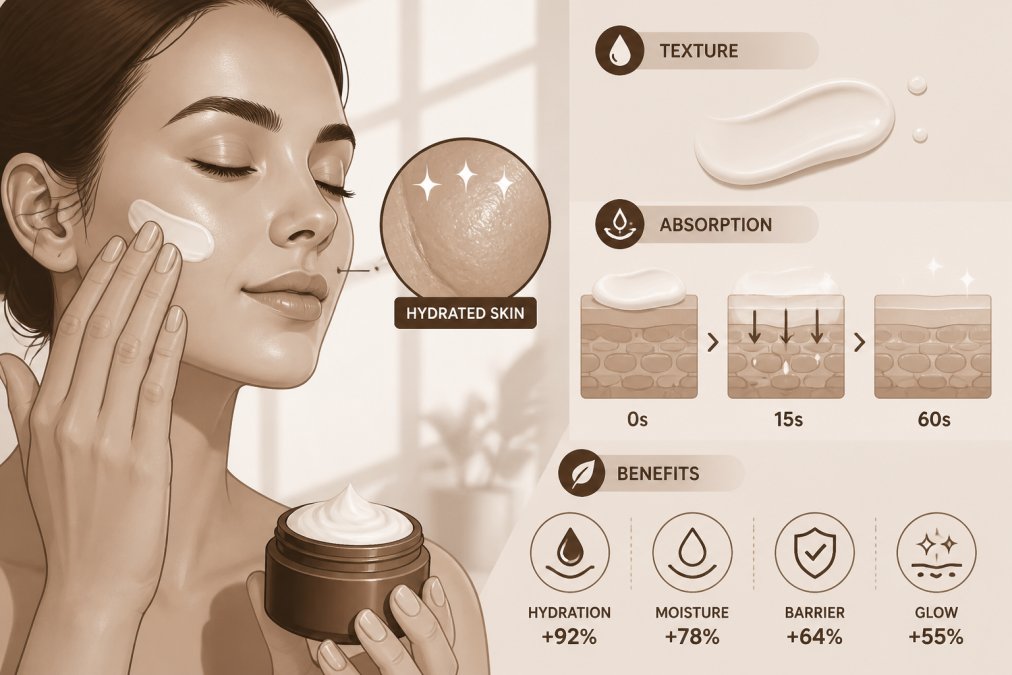
Most people benefit from moisturising twice daily, once in the morning and once before bed. However, the frequency that works best for you depends on your skin type, climate, and any active treatments you're using.
If you have dry or sensitive skin, twice-daily moisturising is typically non-negotiable. Your skin barrier loses water continuously, especially overnight, so morning and evening applications help maintain hydration levels and prevent the irritation that comes from dehydration. Those with oily or combination skin might find once-daily moisturising sufficient, usually applied at night when skin naturally repairs itself.
The critical insight most guides miss is that moisturising frequency should shift with the seasons. During Australian winter or in dry climates, you may need additional applications or a richer formulation. In humid summer months, you might reduce frequency or switch to a lighter texture. Post-procedure skin, whether from laser treatments, chemical peels, or microneedling, requires more frequent moisturising, sometimes three times daily for the first week, as the compromised barrier needs constant support.
Watch for signs that you need more frequent application: tightness after cleansing, visible flaking, increased sensitivity to other products, or a dull complexion. These signal that your current routine isn't keeping pace with your skin's water loss. Conversely, if your skin feels consistently comfortable and hydrated, your current frequency is likely adequate.
Key Ingredients to Look for in a Moisture Cream
The most effective moisture creams combine multiple ingredient types working in concert. Understanding what each category does helps you evaluate whether a formulation will actually address your specific concerns.
Ceramides and Barrier Repair
Ceramides are lipid molecules naturally present in your skin that form the structural foundation of your skin barrier. When ceramide levels drop, through age, harsh cleansing, or environmental stress, your skin loses water rapidly and becomes vulnerable to irritation. The best moisture creams contain ceramides 1, 3, and 6-II, which mirror your skin's natural lipid profile and restore barrier function.
Ceramides work by filling microscopic gaps between skin cells, reducing transepidermal water loss. This isn't just comfort, it's fundamental repair. Skin that's properly sealed heals faster, tolerates active ingredients better, and shows fewer signs of sensitivity and ageing. Products enriched with ceramides alongside other barrier-supporting ingredients like cholesterol and fatty acids create what dermatologists call "lipid-replenishing" formulations.
The practical difference is noticeable within days. Skin feels less tight, looks less flaky, and responds better to the rest of your routine. This is why ceramide-rich creams are particularly valuable for anyone with eczema-prone skin, post-procedure skin, or skin that's been damaged by over-exfoliation.
Humectants and Emollients
Humectants are ingredients that draw water into the skin from the air and deeper skin layers. Hyaluronic acid is the most well-known, but glycerin, sorbitol, and aloe vera also function as humectants. They work by creating a moisture gradient, pulling hydration upward into the outer layers where it's needed most.
Emollients, by contrast, soften and smooth the skin by filling gaps between cells and creating a protective layer. Plant oils, butters, and silicones are emollients. The best moisture creams combine both: humectants draw water in, emollients seal it in place. Used alone, humectants can actually dehydrate skin if there's no occlusive layer to prevent water loss. This is why layering matters, and why a standalone hydrating serum often needs a cream on top.
For mature skin or anyone concerned with skin elasticity, this combination is essential. Humectants plump fine lines temporarily whilst emollients create the lasting hydration that allows skin to maintain firmness and suppleness over time.
Benefits of Seaweed Extract in Skincare
Seaweed extract has emerged as one of the most effective plant-based ingredients for skin hydration and barrier support. Rich in polysaccharides, amino acids, and minerals, seaweed works through multiple pathways to improve skin health.
The primary benefit is moisture retention. Seaweed's polysaccharide content creates a film on the skin that reduces water loss whilst maintaining breathability, unlike occlusive oils that can feel heavy. This makes seaweed-based formulations particularly effective for combination skin or anyone in humid climates who needs hydration without heaviness.
Beyond hydration, seaweed extract supports skin barrier function and reduces inflammation. The minerals, particularly iodine, potassium, and magnesium, nourish skin cells and promote natural repair processes. This is especially valuable for sensitive or compromised skin, where barrier support is as important as hydration itself.
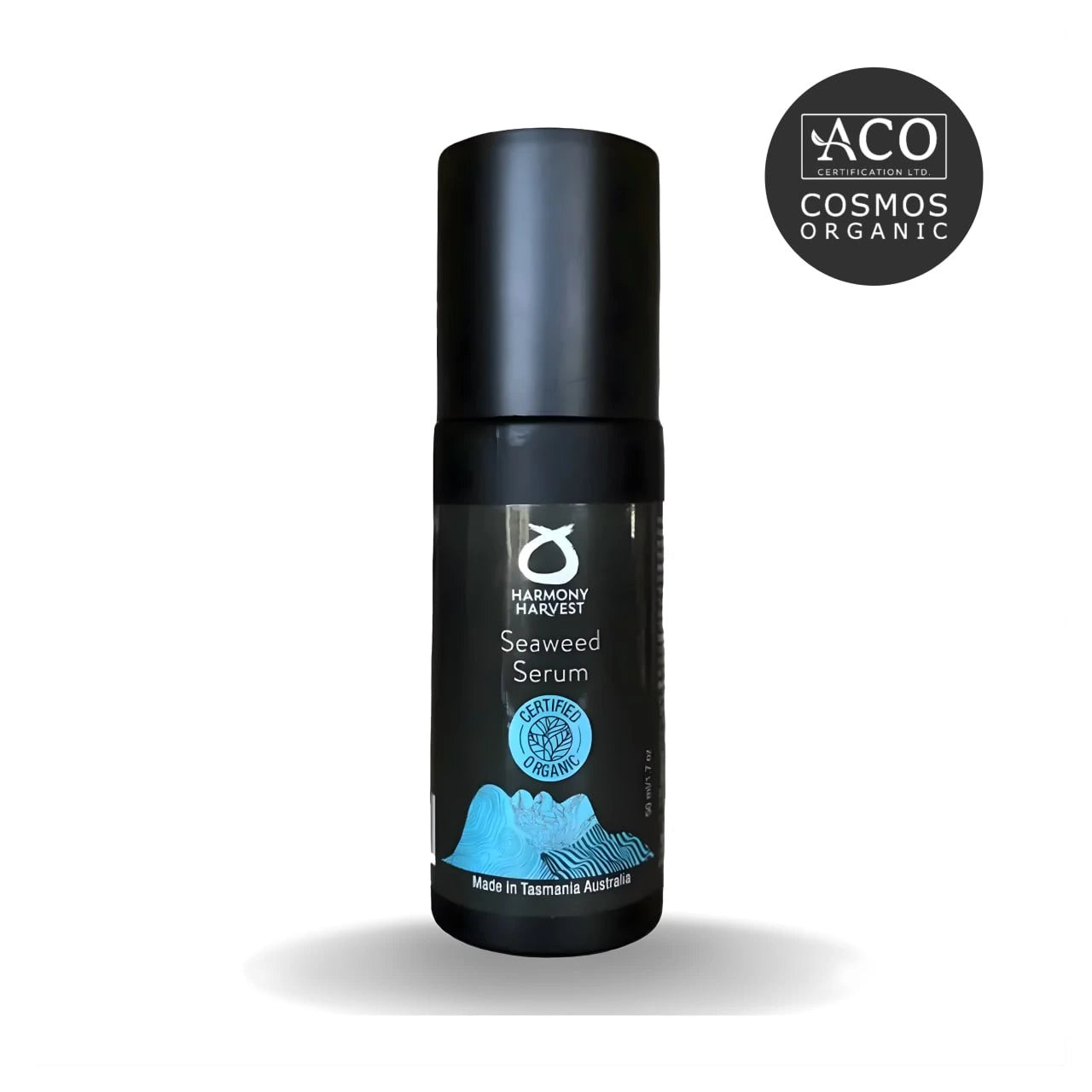
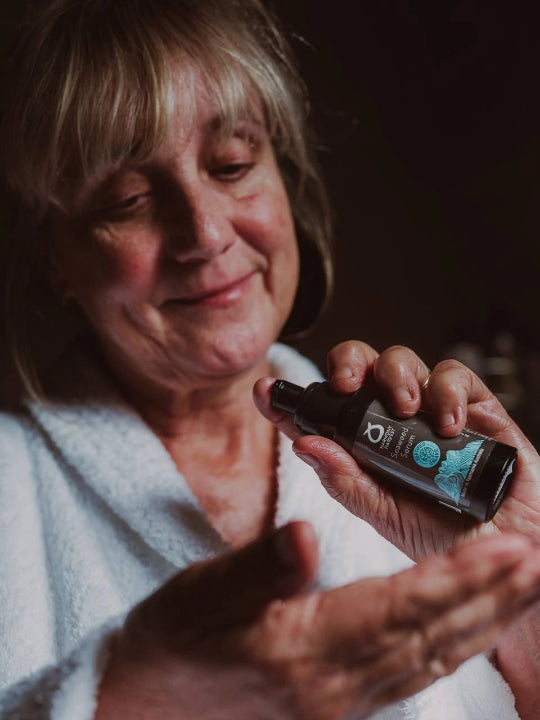
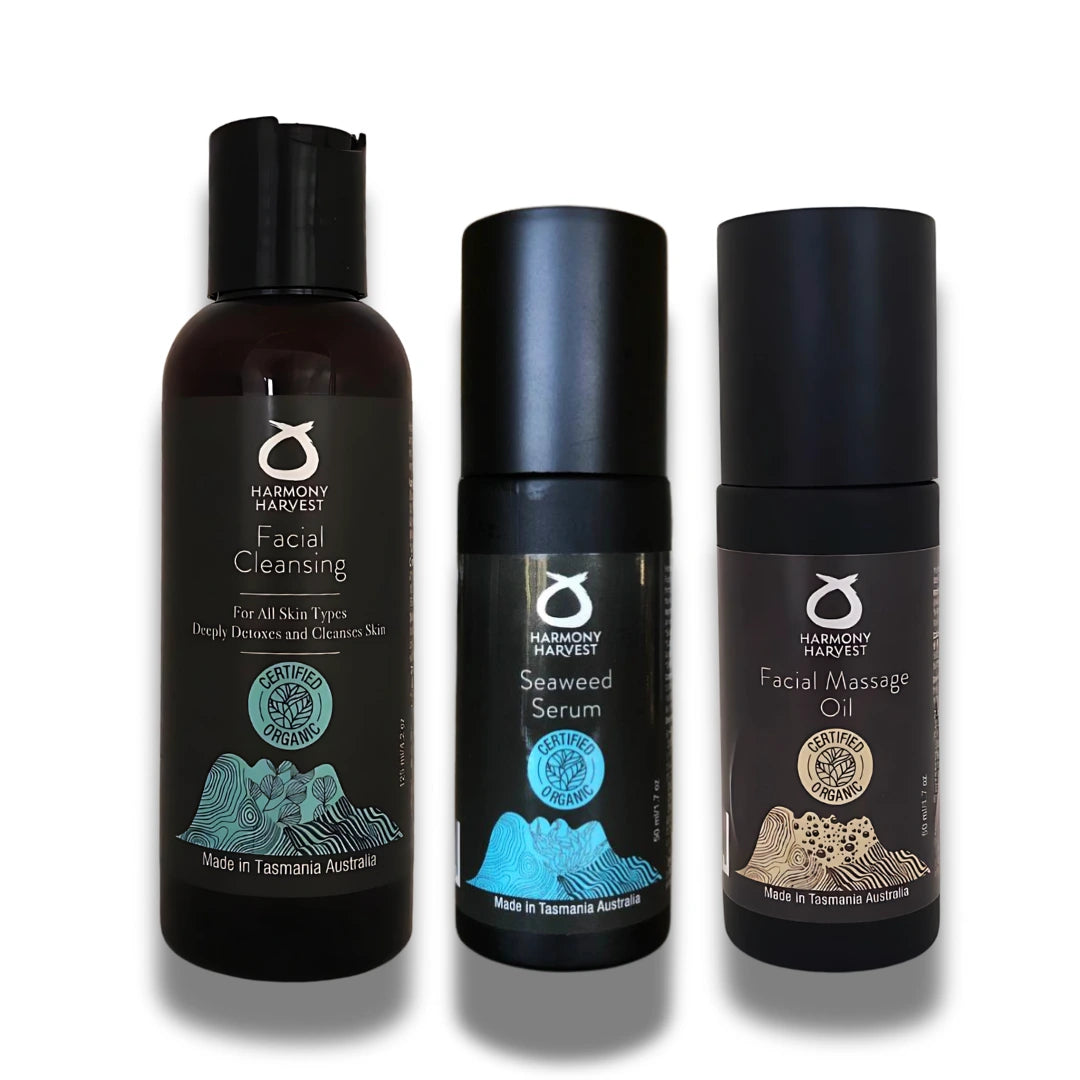
Seaweed also contains natural antioxidants that protect against environmental damage and support collagen production. For anti-ageing purposes, this means seaweed-enriched creams address multiple concerns simultaneously: they hydrate, protect, and stimulate the skin's own renewal processes. Our Harmony Harvest Seaweed Serum combines this potent botanical with other barrier-supporting ingredients, delivering concentrated benefits that work beautifully layered under a moisture cream.
How to Layer Skincare Products with Your Moisture Cream
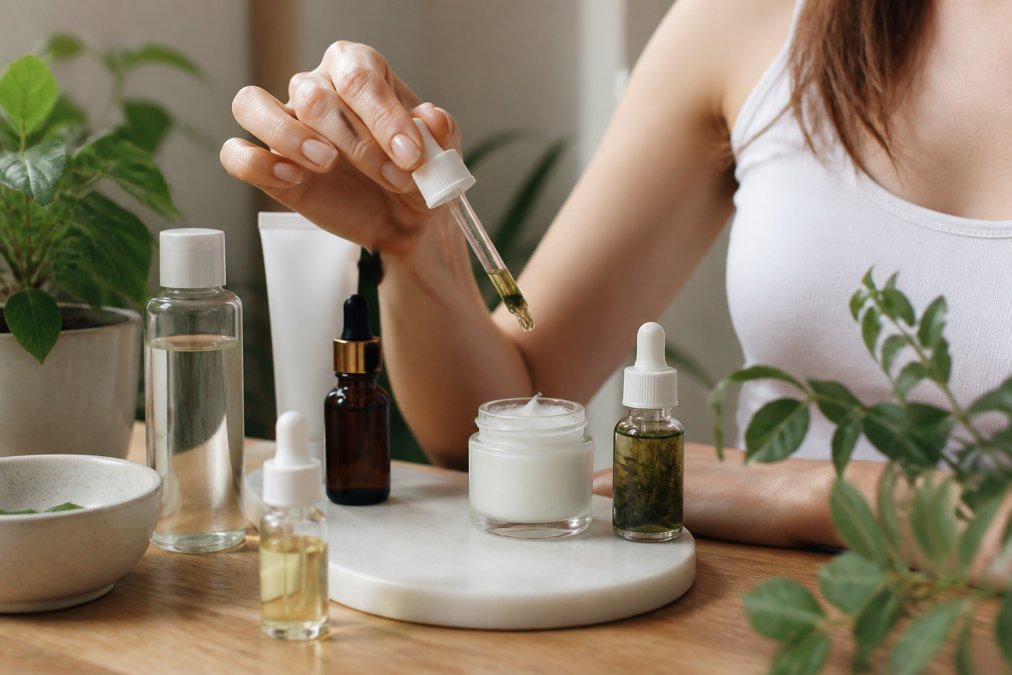
Layering order matters far more than most people realise. The sequence determines how effectively each ingredient penetrates and functions. The golden rule is simple: apply products from thinnest to thickest consistency, allowing each layer to absorb before applying the next.
Start with cleansing and any exfoliating treatments, then apply toners or essences if you use them. Next comes serums, these lightweight formulations penetrate most effectively on clean, damp skin. This is where your seaweed serum or other active serums belong. Wait 30-60 seconds for absorption, then apply your moisture cream. The cream seals in the serum's benefits whilst providing its own hydration and barrier support.
If you use oils as the final step, apply them last, they're the most occlusive and will prevent anything applied after them from absorbing. The exception is eye cream, which can go before or after your main moisture cream depending on its texture.
A common mistake is applying too many products at once. More isn't better, it's often counterproductive. A simplified routine of cleanser, serum, and moisture cream delivers superior results to a ten-step ritual where products compete for absorption. Start with the essentials and add only if your skin genuinely needs additional support.
Timing between layers matters too. Applying the next product before the previous one has absorbed dilutes efficacy and can cause pilling. If you're in a hurry, use lighter textures that absorb faster, then apply your cream once the serum has fully sunk in.
Choosing the Right Moisture Cream for Your Needs
The best moisture cream for you depends on three factors: your skin type, your primary concern, and your lifestyle.
If your skin is dry or sensitive, prioritise ceramides and barrier-repair ingredients. If anti-ageing is your focus, look for peptides, plant-based antioxidants, and humectants that support skin elasticity. If you've had a procedure or your skin is compromised, choose formulations specifically designed for barrier recovery, these are non-negotiable.
Consider your climate and season too. Australian summers may call for lighter textures that hydrate without feeling heavy, whilst winter often requires richer formulations. Your routine's complexity matters as well. If you already use serums and treatments, a simple, effective cream is sufficient.
Finally, be honest about ingredients that matter to you. If sustainability and ethical sourcing are priorities, COSMOS-certified organic options like Harmony Harvest deliver certified purity without compromise. If you're vegan, check that the formulation excludes beeswax and animal-derived ingredients. If you have specific sensitivities, fragrance-free and hypoallergenic formulations reduce risk.
The most effective approach is to choose a cream aligned with your skin's actual needs, commit to it for at least four weeks, and assess results honestly. Skin barrier repair takes time, visible improvements in texture, sensitivity, and radiance typically emerge within 3-4 weeks of consistent use.
Finding your best moisture cream is an investment in your skin's long-term health and appearance. Whether you choose a ceramide-rich barrier-repair cream for sensitive skin, a peptide-enriched formula for anti-ageing, or a multi-functional option for simplicity, consistency matters more than complexity.
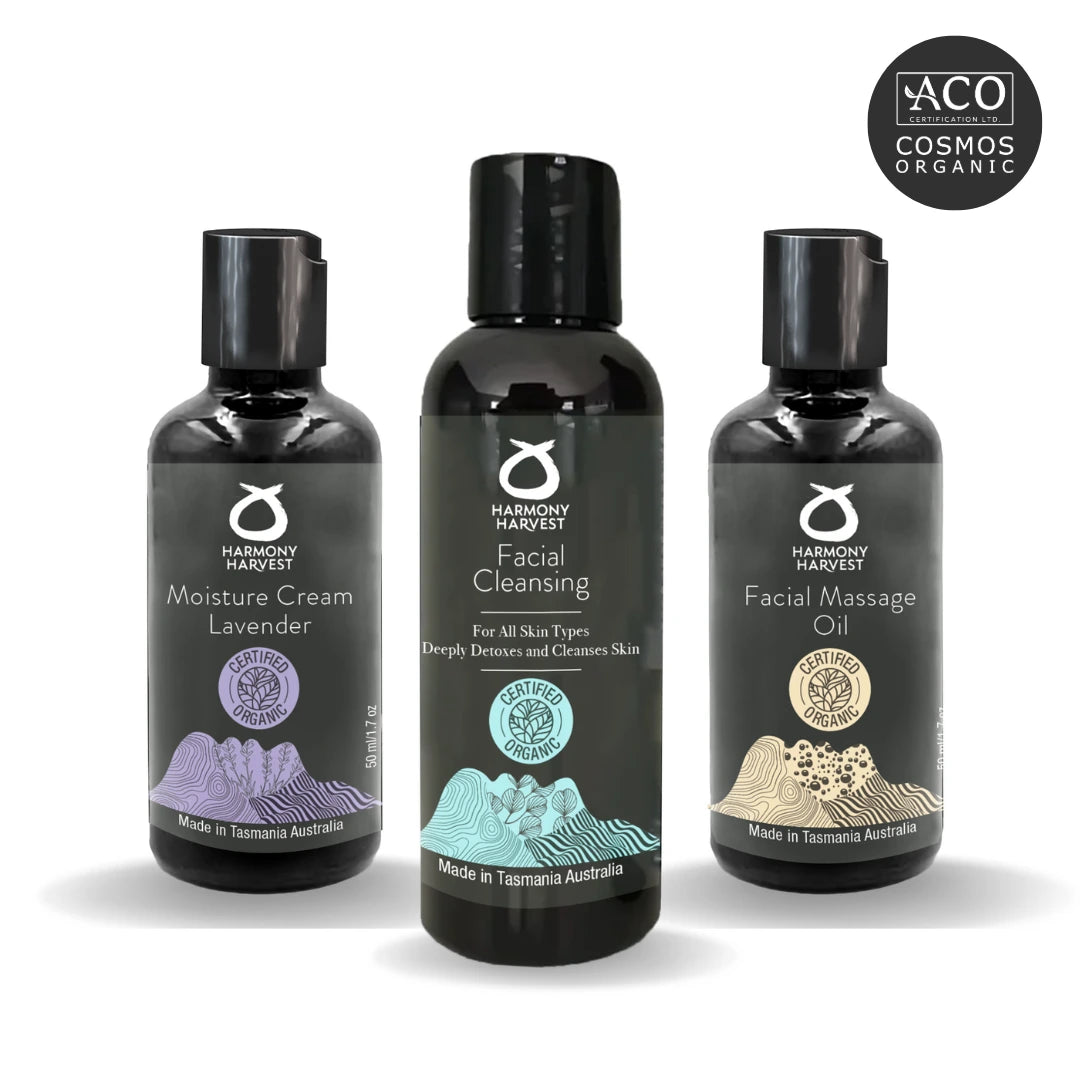
Harmony Harvest's COSMOS-certified organic facial care range is designed to work with your skin's natural biology, delivering deep hydration and barrier support through pure Australian botanicals without synthetic detergents or harsh additives. Every product is vegan, cruelty-free, and formulated to support skin health at every stage of life.
[Explore the Facial Care collection](https://www.harmonyharvest.com/collections/facial-care) to discover moisture creams and serums that nourish your skin with the purity it deserves. Our COSMOS-certified organic, vegan range is crafted to help you achieve a radiant, resilient complexion through nature-inspired skincare rituals.
Frequently Asked Questions
What is the best moisture cream for sensitive skin?
The best moisture cream for sensitive skin prioritises barrier repair and avoids irritants. Look for formulas with ceramides, hyaluronic acid, and fragrance-free, hypoallergenic ingredients. CeraVe Moisturising Cream and La Roche-Posay Cicaplast are dermatologist-tested options endorsed for sensitivity. For a COSMOS-certified organic alternative, Harmony Harvest's Facial Care collection offers plant-based formulas designed to soothe and strengthen compromised skin barriers without synthetic detergents or harsh actives.
How do I choose the right moisture cream for my skin type?
Match your moisture cream to your skin's primary concern: dry skin needs rich, occlusive formulas with emollients; oily skin benefits from lightweight gels or aqua-based textures; sensitive skin requires ceramides and minimal ingredients; mature skin responds to anti-ageing actives and peptides. Patch-test new products on your inner arm first. Consider your climate too—humid environments suit lighter textures, whilst dry climates need richer creams. If you prefer natural ingredients, seek COSMOS-certified organic options that deliver hydration without synthetic additives.
Should I use a serum before my moisture cream?
Yes, layering a serum before your moisture cream maximises hydration and efficacy. Apply serum to clean, damp skin first, allowing it to absorb for 1–2 minutes, then follow with your moisture cream to seal in hydration. Serums penetrate deeper and deliver concentrated actives, whilst creams provide occlusive protection. For enhanced results, consider a seaweed serum, which offers antioxidant and mineral-rich benefits that work synergistically with barrier-repair creams to improve skin resilience and radiance.
How often should you moisturise your face?
Most skin types benefit from moisturising twice daily: once in the morning after cleansing and once at night before bed. Dry or sensitive skin may need additional hydration during the day or richer night creams. If you have oily skin, once daily (usually at night) may suffice. Pay attention to your skin's response—if it feels tight or flaky, increase frequency; if it feels congested, reduce application. Climate, seasonal changes, and active treatments (like acids or retinoids) may also require adjusting your moisturising routine.
This article was written using GrandRanker
Best Sellers
Read more
Scalp Cleansing Treatment: A Complete Guide
Learn how scalp cleansing treatment removes buildup, restores balance, and supports hair health. Discover natural methods and ingredients that work.
Read more
Facial Cleanser Guide: Choose the Right One for Your Skin
Find the perfect facial cleanser for your skin type. Learn which cleansers work best, how to choose, and proven cleansing routines that protect your skin.
Read more