


Vegan Skincare: The Complete Guide to Plant-Based Beauty
Table of Contents
- What Is Vegan Skincare?
- Benefits of Vegan Skincare for Your Skin
- How to Transition to a Vegan Skincare Routine
- Key Ingredients in Plant-Based Formulas
- Identifying Truly Vegan and Cruelty-Free Products
- Vegan Skincare for Sensitive and Reactive Skin
- Why Ethical Beauty Matters
- Conclusion
Last Updated: August 15, 2026
What Is Vegan Skincare?
Vegan skincare refers to beauty products formulated without any animal-derived ingredients or by-products, combined with a commitment to cruelty-free manufacturing. This means no lanolin, beeswax, carmine, squalane from sharks, or animal collagen, only plant-based alternatives that deliver the same nourishing benefits.
At Harmony Harvest, our entire range is built around this principle. Our vegan skincare products use Australian botanicals to create formulations that respect both your skin and the animals we share this planet with. A product can be "natural" yet still contain animal derivatives, but true vegan skincare eliminates those ingredients entirely whilst maintaining efficacy.
Plant-based beauty is both ethical and practical. Many people discover that vegan formulas feel lighter on the skin, absorb more readily, and trigger fewer irritation responses than conventional counterparts. What distinguishes vegan skincare from simple "natural" skincare is the rigour: COSMOS-certified organic formulations verify that ingredients are sourced, processed, and manufactured to strict ethical and environmental standards.
Benefits of Vegan Skincare for Your Skin
Plant-based formulations deliver tangible results beyond ethical positioning. Botanical compounds in vegan skincare products contain antioxidants, polyphenols, and phytonutrients that support your skin barrier and stimulate natural collagen production without relying on synthetic peptides or retinoid derivatives.
One of the most immediate benefits is hydration. Plant oils and botanical extracts like rosehip seed oil, jojoba oil, and plant-derived hyaluronic acid alternatives penetrate the skin's outer layers more effectively than many synthetic humectants. This strengthens the skin barrier itself, meaning your skin holds moisture more effectively over time.
For anti-ageing concerns, vegan skincare addresses root causes rather than masking symptoms. Antioxidant-rich plant extracts protect against environmental stressors and free radical damage that accelerate ageing. Botanical compounds stimulate fibroblast activity, encouraging your skin to produce its own collagen and elastin naturally. Results tend to be more sustainable and less likely to trigger sensitivity.
The calming properties of plant-based ingredients make vegan skincare particularly valuable for reactive or compromised skin. Botanical extracts like chamomile, calendula, and green tea possess natural anti-inflammatory properties that soothe irritation without harsh chemical preservatives or synthetic surfactants. Your skin barrier strengthens rather than weakens with continued use.
Many people also report that switching to vegan skincare reduces their overall product load. Because plant-based formulas tend to be more concentrated and bioavailable, you may find you need fewer steps to achieve results.
How to Transition to a Vegan Skincare Routine
The key to a successful transition is gradual introduction rather than wholesale replacement. Start by replacing one product at a time, typically beginning with your moisturiser. Use the new vegan skincare product for a full two weeks before introducing the next item.
Next, transition your cleanser. A gentle plant-based cleanser removes impurities without stripping your skin's natural oils. Follow this with your treatment serums, where vegan skincare often delivers visible results for hydration and brightening.
The final transition should be your sunscreen. Mineral sunscreens (zinc oxide and titanium dioxide) are naturally vegan and often perform better in plant-based formulations.
Throughout this transition, be patient with your skin. You may notice a brief period where congestion increases, this is often your skin shedding accumulated residue from previous products. This typically resolves within 4-6 weeks. Keep your routine minimal during the transition: cleanser, hydrating toner or essence, serum, moisturiser, and sunscreen.
Key Ingredients in Plant-Based Formulas
Understanding the active ingredients in vegan skincare helps you make informed choices and set realistic expectations for results.
Hyaluronic acid alternatives from plant sources hold moisture within the skin just as effectively as animal-derived versions. These humectants draw water into the skin's upper layers, plumping fine lines and creating a dewy appearance. Plant-derived versions often include additional phytonutrients that support skin health.
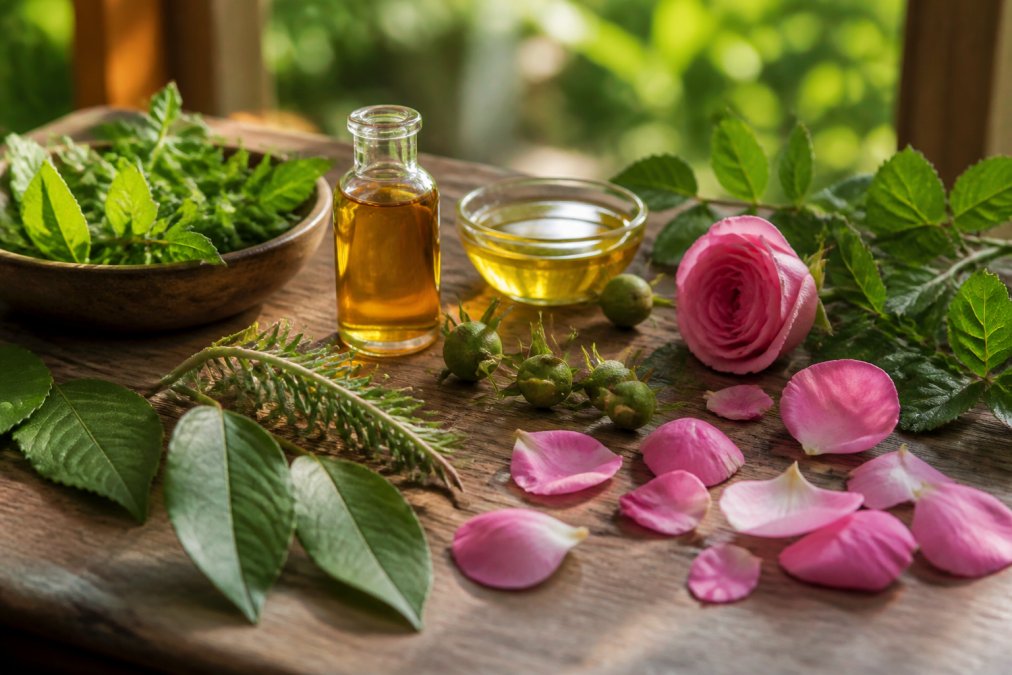
Plant oils and botanical extracts form the backbone of effective vegan skincare. Rosehip seed oil contains natural vitamin A precursors that support skin renewal without the irritation of synthetic retinoids. Jojoba oil closely mimics the skin's natural sebum, making it ideal for balancing both dry and oily skin types. Argan oil, sea buckthorn oil, and marula oil each bring their own antioxidant profiles and skin-nourishing fatty acids.
Antioxidant-rich plant extracts protect your skin from environmental damage. Green tea polyphenols, resveratrol from grape seed, vitamin C from kakadu plum, and polyphenols from white tea all neutralise free radicals and reduce inflammation whilst supporting collagen synthesis and skin brightening.
Botanical actives for anti-ageing include peptides derived from plant proteins, which signal skin cells to increase collagen production. Bakuchiol, a plant-derived retinol alternative, delivers retinol-like results, improved texture, reduced fine lines, increased firmness, without irritation or photosensitivity.
Calming and barrier-repair botanicals are essential for sensitive skin. Centella asiatica (gotu kola) strengthens the skin barrier and reduces redness. Calendula and chamomile possess natural anti-inflammatory compounds. Plant-derived panthenol hydrates and soothes irritated skin whilst supporting barrier function.
A well-formulated plant-based product is a carefully balanced system where each ingredient supports the others' efficacy. This is why ingredient list transparency matters: you want to see these actives listed in meaningful concentrations.
Identifying Truly Vegan and Cruelty-Free Products
Not every product claiming to be vegan or cruelty-free actually meets those standards.
Check the ingredient list first. Common animal-derived ingredients hiding in skincare include lanolin (from sheep's wool), beeswax, carmine (crushed insects), squalane from shark liver oil, and animal collagen. Read the full INCI (International Nomenclature of Cosmetic Ingredients) list, the legally required ingredient declaration that can't be obscured by marketing.
Look for third-party certifications. COSMOS certification (the gold standard for organic, vegan skincare) verifies that products meet strict criteria: no synthetic pesticides, no animal testing, no animal-derived ingredients, and sustainable sourcing practices. This certification is expensive and rigorous, making it a reliable indicator that a product genuinely delivers on its claims.
Understand the difference between vegan and cruelty-free. A product can be vegan (no animal ingredients) but tested on animals. Conversely, a product can be cruelty-free (no animal testing) but contain animal-derived ingredients like beeswax. True ethical vegan skincare meets both standards. Look for certifications from bodies like Leaping Bunny or PETA to verify cruelty-free claims.
Watch for greenwashing. Phrases like "plant-based," "natural," and "clean beauty" are marketing terms with no legal definition. Vegan skincare with COSMOS certification has legal backing and independent verification.
Trace the sourcing story. Ethical brands publish information about where their botanical ingredients come from. Harmony Harvest sources Australian botanicals, which supports local ecosystems and reduces carbon footprint from international shipping.
Check the full product range. A brand committed to vegan skincare standards applies them across their entire range. Brands like Harmony Harvest build their entire philosophy around plant-based, COSMOS-certified formulations.
Vegan Skincare for Sensitive and Reactive Skin
Sensitive skin requires a different approach, and this is where vegan skincare often excels. Plant-based formulations are inherently gentler because they lack the synthetic surfactants, chemical preservatives, and harsh actives that trigger reactivity.
The skin barrier is the foundation of skin health, and reactive skin typically has a compromised barrier. Synthetic ingredients often damage this barrier further. Vegan skincare products support barrier repair instead. Plant-derived ceramides, plant oils rich in fatty acids, and botanical compounds like centella asiatica actively strengthen the barrier whilst soothing inflammation.
Start with the simplest formulations. For sensitive skin, less is more. A basic routine of a gentle cleanser, hydrating toner, barrier-repair serum, and moisturiser is sufficient. Avoid products with essential oils, fragrance, or alcohol, these are common irritants regardless of whether the product is vegan.
Introduce new products one at a time, with patience. Give each new vegan skincare product at least four weeks before assessing its impact. If irritation develops, it's usually within the first week, but some products trigger delayed reactions.
Look for products specifically formulated for reactivity. Not all vegan skincare is created equal for sensitive skin. Some plant-based formulas contain botanical actives that can irritate reactive skin. Choose products explicitly designed for sensitivity, prioritising barrier repair and soothing over active treatment.
Avoid common irritants even in vegan formulas. Citrus oils, lavender oil, and some plant-derived preservatives can trigger reactions. Read the ingredient list carefully, not just the marketing claims.
The beauty of plant-based formulations for sensitive skin is that they work with your skin rather than against it. Results tend to be more stable and sustainable.
Why Ethical Beauty Matters
The choice to use vegan skincare extends beyond personal benefit. It reflects a commitment to practices that don't harm animals, don't degrade ecosystems, and don't perpetuate unsustainable supply chains.
Animal testing for cosmetics remains common in many parts of the world, despite being banned in the European Union and several other regions. Choosing cruelty-free vegan skincare means refusing to support this practice.
Environmental impact is equally significant. Conventional skincare often relies on ingredients sourced from ecosystems under threat: squalane from deep-sea sharks, collagen from farmed animals requiring vast resource inputs, and synthetic chemicals that persist in waterways. Plant-based vegan skincare sourced from sustainable farms supports agricultural practices that regenerate soil, support biodiversity, and sequester carbon. Brands like Harmony Harvest that source Australian botanicals reduce the carbon footprint of international shipping whilst supporting local land stewardship.
The manufacturing practices behind vegan skincare tend to be more transparent and ethical. COSMOS certification requires verification of labour practices, waste management, and environmental impact at every stage.
Vegan skincare reflects a broader shift in how we think about beauty. True radiance comes from nourishing your skin with ingredients that support its natural function, not from forcing dramatic change through harsh chemicals. When you choose COSMOS-certified organic vegan skincare, you're choosing products tested for safety and efficacy without relying on animal models.
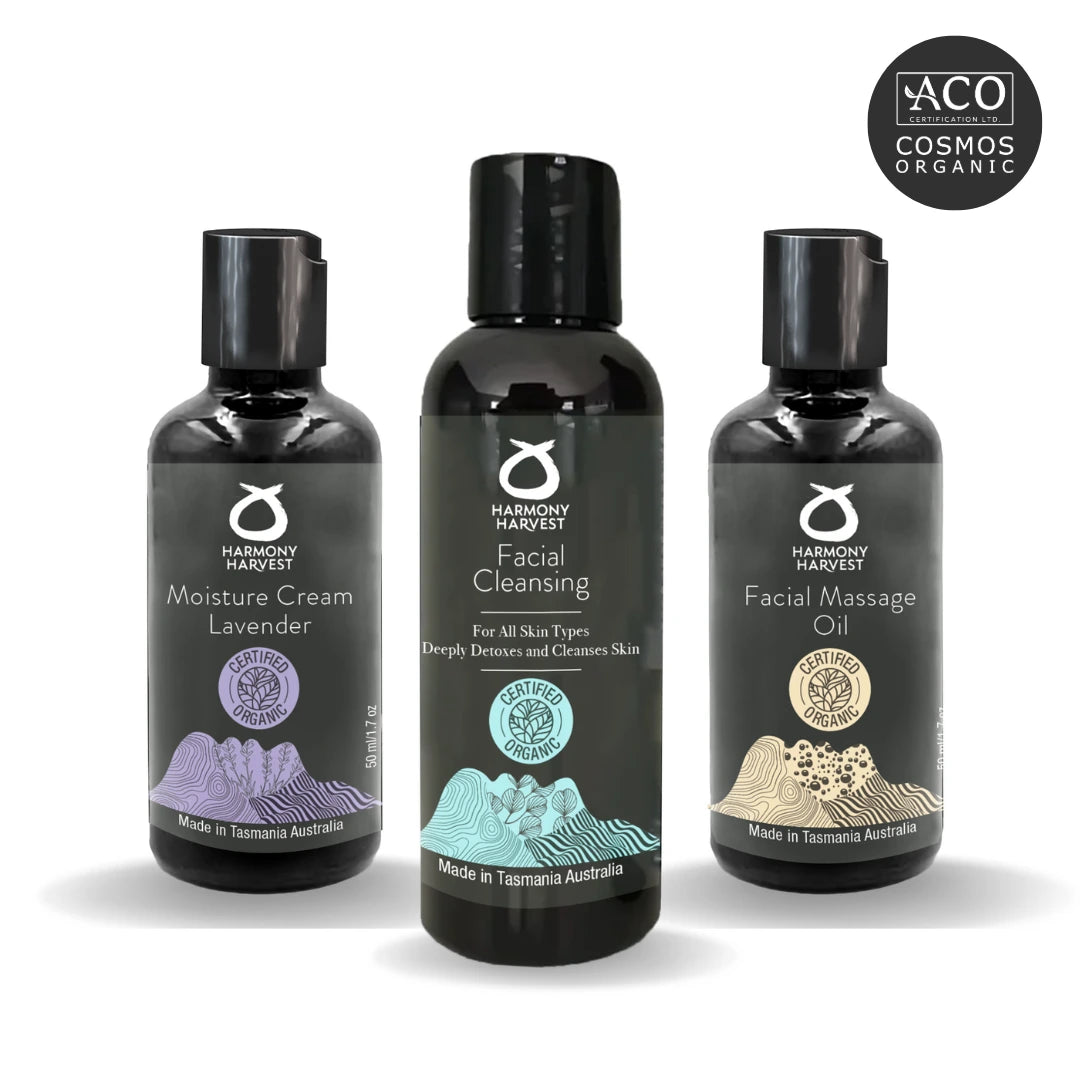
The journey towards a skincare routine that works for your skin and aligns with your values doesn't require compromise. Harmony Harvest's Facial Care collection offers COSMOS-certified organic, vegan, and cruelty-free formulations designed to deliver visible results, hydration, anti-ageing support, barrier repair, and radiant skin, without the ethical cost. Start your transition to truly ethical beauty today, and discover what plant-based skincare can do for your skin.
Frequently Asked Questions
How can I tell if my skincare products are truly vegan?
Look for the COSMOS-certified organic label and check the ingredient list for animal-derived substances like beeswax, lanolin, carmine, and keratin. Truly vegan products contain only plant-based, mineral, or synthetic ingredients. Reputable brands like Harmony Harvest clearly state their vegan certification on packaging and websites. Avoid terms like 'natural' or 'organic' alone—these don't guarantee vegan status. Third-party certifications provide the strongest proof.
What are the benefits of using vegan skincare products?
Vegan skincare delivers deep hydration, supports skin barrier repair, and stimulates natural collagen production without harsh synthetics. Plant-based formulas are often gentler on sensitive skin, reducing irritation and redness. They're rich in antioxidants and botanical extracts that rejuvenate and brighten. Because they exclude animal-derived ingredients, they're typically free from heavy residues, making them ideal for those seeking clean beauty and ethical choices without compromising on anti-ageing results.
Is vegan skincare better for sensitive skin?
Yes, vegan skincare can be excellent for sensitive skin because it excludes common irritants like lanolin and animal proteins that trigger reactions in reactive complexions. Plant-based formulas are typically formulated without harsh synthetics and are often dermatologically tested. However, sensitive skin still requires careful selection—look for paraben-free, mineral oil-free products with calming botanical extracts. Harmony Harvest's COSMOS-certified formulas are designed specifically to repair skin barriers and soothe inflammation naturally.
Does vegan skincare mean it is also cruelty-free?
Not always. Vegan means free from animal ingredients, but cruelty-free means no animal testing. Some vegan products may be tested on animals, and some cruelty-free products contain animal-derived ingredients. True ethical beauty requires both certifications. Look for brands that explicitly state they're both vegan and cruelty-free, with third-party verification. Harmony Harvest products are COSMOS-certified organic and vegan, ensuring they meet strict ethical standards for ingredient sourcing and manufacturing practices.
Best Sellers
Read more
Chemical vs. Organic Hair Growth Shampoo: Which Is Safer
Organic hair growth shampoo: Discover whether organic or chemical hair growth shampoos are safer. Compare ingredients, efficacy, and scalp health benefits.
Read more
Skincare for Sensitive Skin: A Complete Guide
Skincare for sensitive skin: Learn how to care for sensitive skin with gentle, COSMOS-certified organic products. Discover ingredients to avoid, repair.
Read more