


Chemical vs. Organic Hair Growth Shampoo: Which Is Safer
Table of Contents
- What Are Chemical-Based Hair Growth Shampoos?
- Understanding Organic Hair Growth Shampoos
- Harmful Chemicals in Shampoo to Avoid
- Natural Ingredients for Hair Growth That Work
- Transitioning to Organic Hair Care: What to Expect
- Reading Labels: How to Identify Truly Safe Shampoos
- Safety, Efficacy, and Long-Term Scalp Health
- Conclusion
Last Updated: August 15, 2026
What Are Chemical-Based Hair Growth Shampoos?
Chemical-based hair growth shampoos rely on synthetic surfactants, preservatives, and synthetic fragrances to cleanse the scalp and stimulate follicle activity. They typically contain sodium lauryl sulfate or similar foaming agents designed to remove sebum buildup, along with active ingredients like biotin, caffeine, or peptides intended to strengthen strands and encourage growth.
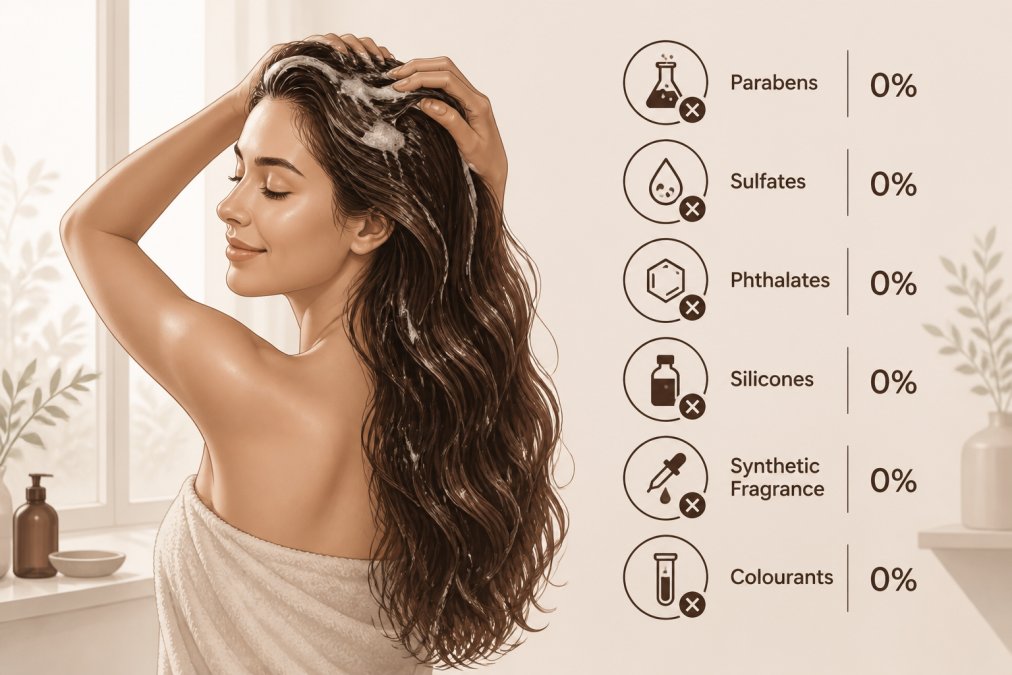
The appeal is straightforward: they're widely available, often affordable, and promise visible results within weeks. However, the very ingredients that make these shampoos effective at cleaning can also disrupt your scalp's natural microbiome. Harsh surfactants strip protective oils, potentially triggering compensatory sebum overproduction. Synthetic fragrances and preservatives may irritate sensitive scalps or cause contact dermatitis over time. Many contain parabens, phthalates, or silicones that accumulate on hair and scalp, masking damage rather than repairing it.
The real tension here is performance versus safety. Chemical-based shampoos often deliver faster, more visible results because the active ingredients are potent and the surfactants work aggressively. But that aggression comes with a cost: potential barrier damage, scalp sensitivity, and long-term chemical residue accumulation that may undermine the very hair health you're trying to build.
Understanding Organic Hair Growth Shampoos
An organic hair growth shampoo is formulated primarily with plant-based extracts, essential oils, and naturally-derived surfactants, free from synthetic fragrances, parabens, silicones, and harsh chemical preservatives. COSMOS-certified organic shampoos meet strict standards requiring that ingredients come from sustainably farmed plants, are processed without synthetic chemicals, and are verified through independent certification. These formulations work with your scalp's natural chemistry rather than against it.
Natural ingredients like ginseng, peppermint oil, and botanical extracts stimulate blood circulation to the scalp and support the scalp microbiome, the ecosystem of beneficial bacteria that protects hair follicles. Biodegradable surfactants derived from coconut or sugar clean effectively without stripping protective oils. Plant-based preservatives maintain shelf stability without the concerns associated with synthetic ones.
The trade-off is patience. Organic formulations typically require 8-12 weeks of consistent use before visible improvements in hair density or reduced shedding become apparent. You may experience an adjustment period where hair feels heavier or greasier as your scalp recalibrates sebum production after years of harsh stripping. For many users, this adjustment is worth it; for others accustomed to immediate results, it feels like the product isn't working.
Harmful Chemicals in Shampoo to Avoid
Understanding which ingredients genuinely pose risks is essential to making an informed choice.
Sodium lauryl sulfate and sodium laureth sulfate are highly effective at removing oils and dirt, which is why they're ubiquitous in conventional shampoos. However, they can disrupt the scalp's pH balance, strip the hair cuticle, and cause irritation in sensitive individuals. Repeated exposure may compromise your skin barrier, leaving scalp tissue vulnerable to inflammation and dryness.
Parabens (methylparaben, propylparaben) are preservatives that prevent bacterial and fungal growth. Some research suggests parabens can mimic oestrogen in the body, though concentrations in cosmetics are generally considered safe by regulatory bodies. If you have a sensitive scalp or prefer to minimise synthetic hormone-like compounds, paraben-free options exist.
Silicones (dimethicone, cyclomethicone) coat the hair shaft, creating temporary smoothness and shine. They don't actually repair damage; they mask it. Over time, silicones build up on hair and scalp, trapping moisture and preventing genuine nourishment from reaching the hair follicle.
Synthetic fragrances are a catch-all term for hundreds of undisclosed chemical compounds. Many contain phthalates, which are endocrine disruptors. Fragrance allergies and contact dermatitis are common, particularly on sensitive or damaged scalps.
Phthalates are plasticisers often hidden under the vague label "fragrance" and are linked to reproductive and developmental concerns. The EU has banned them in cosmetics; Australia's TGA permits them in limited concentrations, but many consumers prefer to avoid them entirely.
The key insight: cumulative exposure to multiple synthetic chemicals, surfactants, preservatives, and fragrances can gradually compromise scalp health and hair quality. This is where organic, COSMOS-certified formulations offer genuine advantage: they eliminate this chemical load entirely.
Natural Ingredients for Hair Growth That Work
Plant-based ingredients have centuries of traditional use and growing scientific support for their role in hair health.
Rosemary oil increases blood flow to the scalp, delivering more oxygen and nutrients to hair follicles. It's one of the few botanical ingredients with peer-reviewed evidence supporting its use for hair growth stimulation. Many users report thicker, stronger hair within 8-10 weeks of consistent use.
Peppermint oil similarly enhances scalp circulation and has a cooling, invigorating effect. It may also have mild antimicrobial properties, supporting a healthier scalp microbiome.
Saw palmetto is an herbal extract traditionally used to support hair growth, particularly in cases of hormonal thinning. It's thought to inhibit the enzyme that converts testosterone to DHT, a hormone implicated in pattern hair loss.
Biotin (vitamin B7) is essential for keratin production, the protein that forms the hair structure. While biotin alone won't regrow hair, deficiency impairs hair growth, so supplementation supports optimal conditions.
Ginseng has been used in traditional medicine for centuries to invigorate the scalp and promote circulation. Modern studies suggest it may stimulate hair follicle growth and lengthen the active growth phase.
Plant-based proteins (from pea, rice, or wheat) penetrate the hair shaft and strengthen it from within, reducing breakage and improving texture. Unlike silicones, they actually nourish rather than coat.
The advantage of organic formulations is that these ingredients are extracted from plants grown without synthetic pesticides or fertilisers, and processed without harsh chemical solvents. This preserves their bioactive compounds and ensures you're getting the full benefit.
Transitioning to Organic Hair Care: What to Expect
Switching from chemical-based to organic hair growth shampoo is a process that demands patience and understanding.
Weeks 1-3: The Adjustment Phase. Your scalp has spent months or years being stripped by harsh sulfates. When you stop using them, your sebaceous glands initially overproduce oil as compensation. Your hair may feel greasier or heavier than you're accustomed to. This is not a sign the product isn't working; it's your scalp recalibrating. Many users interpret this as failure and revert to chemical shampoos, interrupting the transition before it completes.
Weeks 4-8: Stabilisation. If you persist, your scalp's oil production begins to normalise. Hair feels cleaner without that heavy residue. You may notice improved scalp comfort and reduced itching or flaking if you previously experienced irritation.
Weeks 8-12: Visible Results. Hair appears shinier, feels stronger, and you may notice reduced shedding or improved density. The hair cuticle, no longer sealed by silicones or weighed down by chemical buildup, reflects light naturally.
The critical factor is consistency. Organic formulations work gradually, supporting your scalp's natural health rather than forcing results through aggressive chemistry. The transition period is not a flaw in organic products; it's evidence they're actually changing your scalp chemistry rather than merely masking problems.
Reading Labels: How to Identify Truly Safe Shampoos
Label reading is your defence against greenwashing.
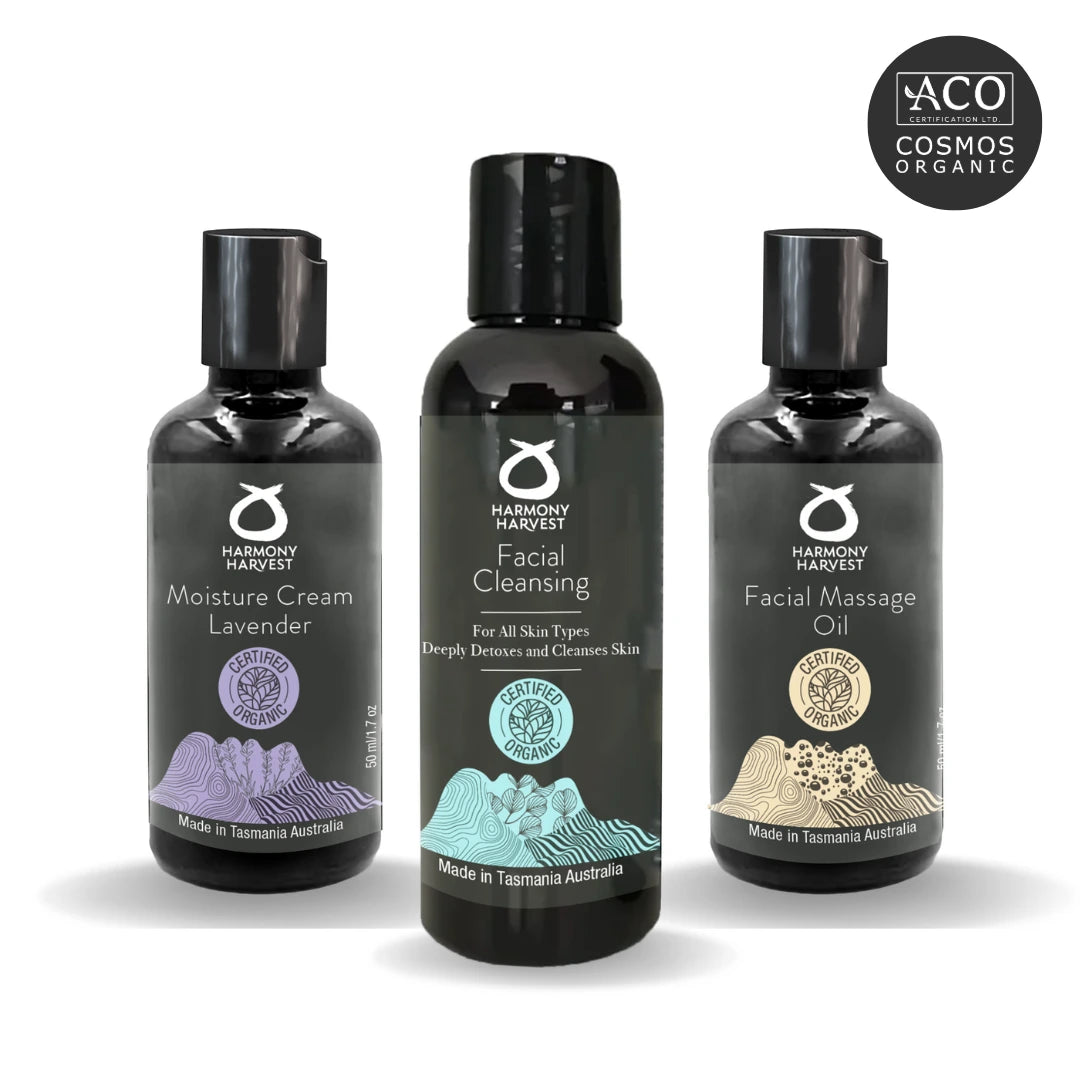
Look for COSMOS certification. This is the gold standard in Australia and Europe. COSMOS-certified organic means an independent third party has verified that at least 95% of ingredients come from certified organic sources, processed without synthetic chemicals, and meeting strict environmental standards. Harmony Harvest's COSMOS-certified organic hair care range meets these rigorous standards, ensuring you're getting authentically organic products rather than products with a few botanical extracts in a sea of synthetics.
Check the ingredient list. Ingredients are listed in descending order by weight. If you see sodium lauryl sulfate, parabens, or synthetic fragrances in the top five ingredients, it's not genuinely organic, no matter what the front label claims.
Identify red flags. Words like "fragrance" or "parfum" without further specification hide undisclosed chemicals. Look for specific ingredients: "peppermint oil," "rosemary extract," "ginseng", these are transparent and traceable.
Understand "free from" claims. Sulfate-free, paraben-free, and silicone-free are meaningful only if the brand specifies what they're using instead. COSMOS certification guarantees the entire formula meets standards; individual "free from" claims don't.
Safety, Efficacy, and Long-Term Scalp Health
The choice between chemical and organic hair growth shampoo ultimately hinges on your priorities: immediate visible results or sustainable scalp health.
Chemical-based shampoos deliver speed. Within 2-4 weeks, you may see reduced shedding or improved hair texture. However, this comes with cumulative risk. Repeated exposure to harsh surfactants, synthetic preservatives, and chemical residues can gradually compromise your scalp barrier, leading to chronic dryness, sensitivity, or inflammation.
Organic shampoos prioritise long-term resilience. The timeline is longer, 8-12 weeks for visible results, but the foundation is stronger. By supporting your scalp's natural microbiome, maintaining pH balance, and avoiding chemical accumulation, you're building conditions for sustained hair health.
Your scalp microbiome, the community of bacteria and fungi that live on your skin, plays a crucial role in hair follicle health, immune function, and sebum regulation. Harsh surfactants and synthetic preservatives disrupt this ecosystem. Organic, plant-based formulations work with it.
For women experiencing hormonal thinning, postpartum hair loss, or age-related density loss, organic formulations address root causes: poor circulation, scalp inflammation, and microbiome imbalance. If you're willing to invest 12 weeks in transition, organic hair growth shampoos deliver superior long-term outcomes.
Conclusion
The choice between chemical and organic hair growth shampoo isn't about choosing between effective and ineffective; it's about choosing between fast and sustainable, masking and healing, short-term gains and long-term scalp health.
Chemical-based shampoos work quickly because they're aggressive. Organic formulations work gradually because they're respectful of your scalp's natural chemistry. Neither is inherently "wrong," but they serve different priorities and timelines.
If you're ready to commit to genuine scalp health and are willing to navigate an 8-12 week transition period, organic hair growth shampoos offer measurable advantages: reduced chemical exposure, improved scalp microbiome balance, and sustainable hair growth that doesn't depend on continued chemical intervention.
Harmony Harvest's COSMOS-certified organic hair care collection represents this approach, formulated with Australian botanicals, free from synthetic detergents and toxins, and designed to support your scalp's natural resilience. Every product in the range is COSMOS-certified organic, vegan, and cruelty-free.
Explore the Harmony Harvest Hair Care collection to discover COSMOS-certified organic shampoos and conditioners designed to support your hair's natural growth and vitality.
| Chemical-Based Shampoos | COSMOS-Certified Organic Shampoos |
|---|---|
| Timeline | Visible results in 2-4 weeks |
| Surfactants | Sodium lauryl sulfate, harsh chemical-based |
| Scalp Impact | May strip oils, disrupt microbiome |
| Chemical Load | Parabens, silicones, synthetic fragrances |
| Long-Term Safety | Risk of cumulative barrier damage |
| Best For | Users seeking immediate results |
Frequently Asked Questions
What is the healthiest shampoo for hair growth?
The healthiest shampoo for hair growth depends on your scalp type and sensitivity. Organic hair growth shampoos formulated with plant-based ingredients like rosemary oil, biotin, and saw palmetto support follicle health without harsh chemicals. COSMOS-certified organic options ensure ingredients are sustainably sourced and free from parabens, sodium lauryl sulfate, and synthetic fragrances. Look for products that maintain scalp pH balance and strengthen hair from the roots without chemical residues that can accumulate over time.
Which shampoo has no harmful chemicals?
Truly chemical-free shampoos are those certified by independent bodies like COSMOS, which verify the absence of synthetic surfactants, parabens, phthalates, and silicones. Organic hair growth shampoos free from sodium lauryl sulfate and harsh foaming agents protect your scalp microbiome. When transitioning to organic hair care, check for certifications and transparent ingredient lists that name plant-based extracts rather than vague terms like 'fragrance' or 'parfum', which can mask undisclosed synthetic chemicals.
What ingredients in conventional shampoo can hinder hair growth?
Sodium lauryl sulfate and similar synthetic surfactants strip natural oils from hair and scalp, disrupting sebum production that protects hair follicles. Parabens and silicones accumulate as chemical residues, weighing hair down and preventing moisture absorption. Synthetic fragrances containing phthalates irritate sensitive scalps and interfere with the scalp microbiome. These ingredients may provide temporary lather and shine, but long-term use can damage the hair cuticle and weaken follicles, making hair growth more difficult.
Can organic hair care products effectively stimulate hair growth?
Yes, when formulated with proven plant-based extracts. Organic shampoos containing rosemary oil, biotin, and saw palmetto stimulate blood circulation to hair follicles and support dermatological safety. COSMOS-certified organic products maintain pH balance and protect the scalp microbiome, creating conditions where hair can grow stronger. Results typically appear after 8-12 weeks of consistent use. The key difference from chemical-based products is that organic formulas work with your scalp's natural biology rather than against it, supporting long-term hair health.
This article was written using GrandRanker
Best Sellers
Read more

Dry Hair: Causes, Treatments & Moisture Routines
Discover why your hair feels parched and how to restore moisture. Learn causes, treatments, and routines that actually work for dry hair.
Read more
Vegan Skincare: The Complete Guide to Plant-Based Beauty
Discover vegan skincare benefits for sensitive, ageing skin. Learn how plant-based, cruelty-free formulas repair your barrier and deliver real results.
Read more