


Non-toxic Hair Loss Shampoo: Natural Care Without Parabens
Table of Contents
- Why Non-Toxic Hair Loss Shampoo Matters
- Understanding Parabens, Sulfates and Hair Health
- Benefits of Sulfate-Free Shampoo for Hair Loss
- Scalp Health Tips for Hair Growth
- How to Treat Thinning Hair Naturally
- Choosing COSMOS-Certified Organic Hair Care
- Transition Expectations and Results
- Conclusion
Why Non-Toxic Hair Loss Shampoo Matters
Hair loss affects many people, yet most conventional shampoos contain ingredients that actively work against scalp and follicle health. A non-toxic hair loss shampoo without parabens or sulfates addresses this by removing chemicals that compromise your hair's foundation. When people switch to genuinely clean formulations, they often see improvements in scalp comfort, hair texture, and density, not because the shampoo is a miracle cure, but because it stops actively damaging what's already there.
The difference between a standard drugstore shampoo and a non-toxic alternative is chemistry. Conventional formulas strip your scalp's natural oils, disrupt the microbiome that supports follicle health, and leave synthetic residues that accumulate over time. A sulfate-free, paraben-free approach works with your scalp's biology instead of against it.
Understanding Parabens, Sulfates and Hair Health
Parabens and sulfates are two of the most common culprits in mainstream hair care, yet many people don't understand what they actually do to your scalp and follicles.
How sulfates strip the scalp
Sulfates, primarily sodium lauryl sulfate (SLS) and sodium laureth sulfate (SLES), are powerful detergents designed to create lather and remove oil. They're cheap and ubiquitous, but they're also indiscriminate. Rather than targeting only excess sebum, sulfates strip away the protective lipid layer your scalp needs to function properly.
When this barrier is compromised, your scalp becomes irritated and inflamed. In response, it overproduces oil to compensate, creating a cycle: more oil means more perceived need to strip, which means more stripping, which means more oil production. For people experiencing hair thinning or loss, this constant irritation accelerates follicle miniaturisation and shortens the hair growth cycle.
A sulfate-free shampoo uses gentler surfactants derived from natural sources, often coconut or sugar-based, that cleanse without stripping. The result is a scalp that gradually rebalances itself, reducing inflammation and creating a more stable environment for hair growth.
Parabens and their impact on hair follicles
Parabens (methylparaben, propylparaben, butylparaben) are synthetic preservatives added to extend shelf life. They're absorbed through the scalp and accumulate in follicle tissue. Parabens mimic oestrogen in the body, and excess oestrogen sensitivity in hair follicles can accelerate androgenetic alopecia, the most common form of hair loss.
Beyond hormonal effects, parabens create a barrier on the scalp that prevents proper nutrient absorption. Hair follicles depend on micronutrient delivery through the scalp's blood supply. When synthetic preservatives coat the skin, that nutrient exchange becomes less efficient. Over months and years, this reduces the energy available to each follicle, contributing to thinning and shedding.
A paraben-free formula allows your scalp to absorb beneficial compounds more effectively, which is why natural alternatives often feel more nourishing.
Benefits of Sulfate-Free Shampoo for Hair Loss
The benefits of sulfate-free shampoo extend far beyond scalp comfort. For anyone experiencing hair thinning or loss, this shift addresses several root causes simultaneously.
First, a sulfate-free formula preserves your scalp's natural pH balance. Most healthy scalps sit between pH 4.5 and 5.5, slightly acidic (the American Academy of Dermatology). This acidity protects against bacterial overgrowth and maintains the integrity of your hair cuticle. Sulfate-based shampoos often push pH toward neutral or alkaline, which swells the hair shaft and makes it more prone to breakage.
Second, sulfate-free formulas reduce scalp inflammation. Chronic inflammation is a documented driver of hair loss (peer-reviewed research). When your scalp is constantly irritated, inflammatory cytokines accumulate in follicle tissue, accelerating the transition from the growth phase to the shedding phase. By removing the irritant, you allow inflammation to subside naturally.
Third, these shampoos work better with your scalp microbiome. Your scalp hosts a complex ecosystem of bacteria and fungi that, when balanced, support follicle health. A gentler cleanser allows beneficial microbes to thrive, which in turn supports the scalp environment that follicles need.
Many people report that after switching to sulfate-free options, their hair feels thicker, looks shinier, and sheds less noticeably.
Scalp Health Tips for Hair Growth
A healthy scalp is the foundation for healthy hair. If your scalp is inflamed, dehydrated, or imbalanced, no shampoo alone will fully solve hair loss. But combined with targeted scalp care, the right products create real change.
pH-balanced formulas and scalp microbiome
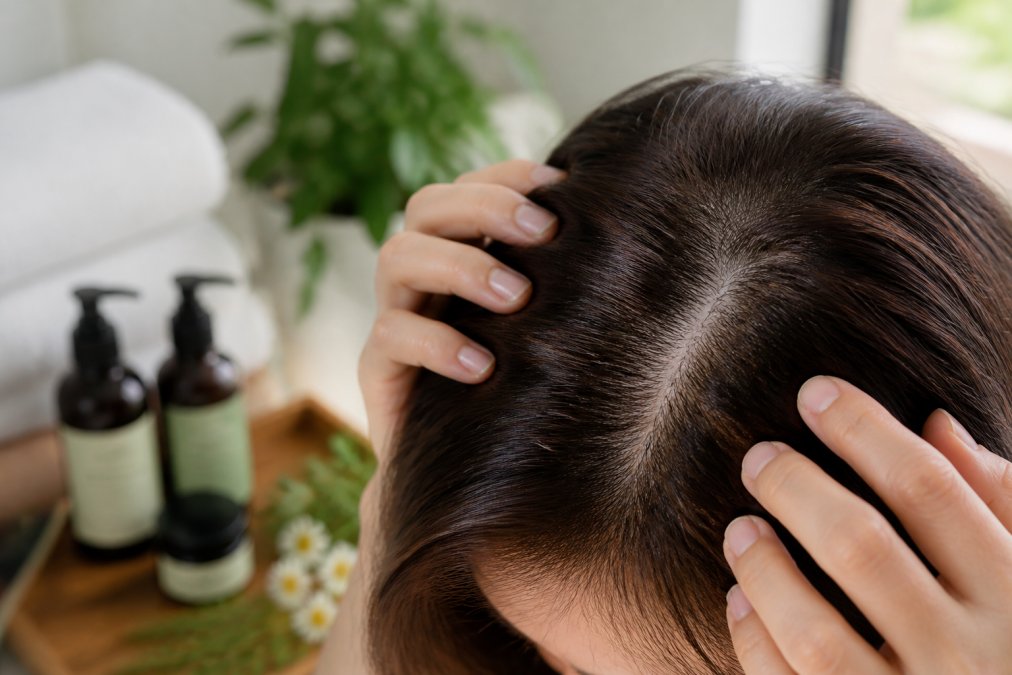
Your scalp microbiome, the community of bacteria, fungi, and other microorganisms living on your skin, directly influences hair health. A balanced microbiome prevents overgrowth of Malassezia, a fungus that can trigger scalp inflammation and accelerate hair loss.
pH-balanced shampoos maintain this microbiome by not disrupting the acidic environment these beneficial organisms need. When you use alkaline shampoos, you create an environment where harmful microbes thrive and beneficial ones struggle.
Look for shampoos labelled as pH-balanced or formulated specifically for scalp health. The Harmony Harvest Rosemary and Chamomile Shampoo and Conditioner is COSMOS-certified organic and specifically formulated to support scalp pH balance while gently cleansing. When paired with the Harmony Harvest Scalp Treatment set, it creates a complete system that addresses both cleansing and active scalp nourishment.
Natural ingredients that stimulate the scalp
Certain botanical extracts have demonstrated effects on scalp circulation and follicle stimulation. Rosemary contains cineole and camphor, compounds that increase blood flow to the scalp when applied topically. Better circulation means better nutrient delivery to follicles, which can support the hair growth cycle.
Chamomile has anti-inflammatory properties and helps soothe an irritated scalp. Peppermint similarly increases circulation and has a cooling effect that many people find pleasant during scalp massage. These ingredients work best when combined in formulas designed to penetrate the scalp, not just coat the hair shaft.
The key is consistency. Scalp stimulation works over weeks and months, not days. Using a scalp treatment 2-3 times per week, combined with a sulfate-free shampoo, creates cumulative effects.
How to Treat Thinning Hair Naturally
Treating thinning hair naturally means addressing both what you're removing (harsh chemicals) and what you're adding (nourishing, active ingredients).
Botanical extracts and DHT-blocking ingredients
Dihydrotestosterone (DHT) is the primary driver of androgenetic alopecia, the most common form of hair loss. While genetics determine your sensitivity to DHT, certain botanical compounds can help moderate its effects on follicles.
Saw palmetto extract inhibits the enzyme 5-alpha reductase, which converts testosterone to DHT (peer-reviewed research). When applied topically through shampoos and scalp treatments, it may help reduce DHT accumulation in follicle tissue. Pumpkin seed oil contains phytosterols that similarly support DHT regulation. Nettle extract is rich in minerals and has been traditionally used to support hair health. When combined in a consistent routine, they create an environment less conducive to DHT-driven hair loss.
The Harmony Harvest Scalp Treatment set combines these types of extracts in a COSMOS-certified organic formulation specifically designed to support scalp health and follicle vitality. Using it 2-3 times weekly provides concentrated botanical support that a shampoo alone cannot deliver.
What to avoid: Toxic ingredients in mainstream shampoos
Beyond parabens and sulfates, several other ingredients commonly found in mainstream shampoos actively harm hair and scalp health.
Silicones (dimethicone, cyclomethicone) coat the hair shaft to create temporary smoothness. Over time, they accumulate and prevent moisture from penetrating, leading to dryness, brittleness, and breakage. For people with thinning hair, silicone buildup makes the problem worse by weakening each strand.
Synthetic fragrances often contain phthalates, chemicals that disrupt hormonal function and can worsen hair loss in people with hormonal sensitivity. A naturally fragrant shampoo, scented with essential oils instead, avoids this problem entirely.
Polyethylene glycol (PEG) compounds often contain 1,4-dioxane as a manufacturing byproduct. This contaminant accumulates in scalp tissue and has been linked to inflammation. Choosing certified organic products ensures testing for these contaminants.
Choosing COSMOS-Certified Organic Hair Care
Not all products claiming to be "natural" or "organic" are created equal. Certification matters enormously.
Reading labels and spotting greenwashing
Greenwashing is rampant in the beauty industry. A brand can call itself "natural" or "clean" with virtually no regulation. The word "organic" on a label doesn't guarantee anything unless it's backed by a third-party certification.
COSMOS certification is the gold standard. It's administered by an international body and requires rigorous testing of every ingredient, verification of sourcing, and ongoing audits. A COSMOS-certified organic product has been independently verified to contain at least 95% organic ingredients, with strict limits on synthetic additives and zero tolerance for certain toxic chemicals.
When you see "COSMOS-certified organic" on a product, you know:
- Every ingredient has been vetted for safety and origin
- No parabens, sulfates, silicones, or synthetic fragrances are present
- The product is vegan and cruelty-free
- The brand has met environmental and ethical standards beyond just the formula itself
The Harmony Harvest range is COSMOS-certified organic across all hair care products, including the Rosemary and Chamomile Shampoo and Conditioner. This certification isn't a marketing badge, it's a guarantee that what you're putting on your scalp has met the highest standards for purity and safety.
To spot greenwashing, look for these red flags:
- Products claiming to be "natural" without certification
- Ingredient lists longer than 20 items
- Vague terms like "botanical blend" without specific plant names
- No mention of certification body or standard
Transition Expectations and Results
One of the biggest mistakes people make when switching to non-toxic hair care is expecting immediate results. The transition period is real, and understanding it prevents frustration.
When you stop using sulfates and parabens, your scalp goes through a recalibration phase. For the first 2-4 weeks, your hair might feel different, sometimes greasier, sometimes drier. This is normal. Your scalp has been conditioned to overproduce oil in response to constant stripping. Now that you're not stripping, it takes time for sebum production to normalise.
During this period, resist the urge to switch back to sulfate-based products. Instead, use a gentle clarifying rinse (diluted apple cider vinegar works well) once weekly to remove any residual buildup without harsh chemicals.
By week 4-6, most people notice their hair feels softer, shinier, and less prone to breakage. For actual hair regrowth, the timeline is longer. Follicles operate on a cycle of months. Consistent use of a non-toxic shampoo combined with scalp treatments for 3-6 months creates the conditions for new growth.
The most important factor is consistency. Using a high-quality non-toxic shampoo sporadically won't work. Your scalp needs consistent, gentle care to rebalance and support follicle health.
Conclusion
Hair loss is rarely solved by a single product, but it's almost always made worse by toxic ingredients. Switching to a non-toxic hair loss shampoo without parabens or sulfates removes a major source of scalp damage and creates the foundation for real improvement.
The Harmony Harvest Hair Care collection offers COSMOS-certified organic, vegan alternatives that address both the removal of harmful chemicals and the addition of scalp-supporting botanicals. The Rosemary and Chamomile Shampoo and Conditioner, paired with the Scalp Treatment set, provides a complete system designed for scalp health and follicle vitality. Explore the full Harmony Harvest Hair Care collection today, every product is COSMOS-certified organic, vegan, and cruelty-free, giving you the confidence that what you're using is genuinely supporting your hair's health rather than compromising it.
Frequently Asked Questions
Q: What is the best non-toxic hair loss shampoo without parabens or sulfates?
A: The best non-toxic hair loss shampoo combines sulfate-free, paraben-free formulas with natural scalp-stimulating ingredients like rosemary and chamomile. Look for COSMOS-certified organic options that are pH-balanced and free from synthetic fragrances and silicones. Harmony Harvest Rosemary and Chamomile Shampoo and Conditioner are COSMOS-certified organic and vegan, designed to support scalp health without harsh chemicals. Pair them with the Scalp Treatment set for enhanced results targeting hair density and follicle health.
Q: How do parabens and sulfates affect hair loss?
A: Parabens can penetrate the scalp and interfere with hair follicle health, while sulfates like sodium lauryl sulfate (SLS) and sodium laureth sulfate (SLES) strip natural oils from the scalp and hair shaft. This disruption damages the scalp microbiome, weakens hair follicles, and accelerates hair thinning and breakage. Over time, this barrier damage leads to increased hair loss and slower regrowth. Non-toxic formulas preserve the scalp's natural protective layer.
Q: What ingredients should I look for in a shampoo for thinning hair?
A: Seek botanical extracts such as rosemary, saw palmetto, and nettle, which support scalp stimulation and hair density. Essential oils like peppermint improve circulation to hair follicles. Natural surfactants derived from coconut or sugar are gentler than synthetic detergents. Hypoallergenic, colour-safe formulas with organic certification ensure you're avoiding hidden toxins. COSMOS-certified products guarantee third-party verification of ingredient purity and environmental safety.
Q: How long does it take to see results from switching to sulfate-free shampoo?
A: Most people experience a transition period of 2–4 weeks as the scalp adjusts and begins to restore its natural oil balance. During this time, hair may feel slightly different as it sheds residual buildup from previous products. By week 4–8, most users notice improved scalp health, reduced hair breakage, and fuller-looking hair. Results vary based on hair type, the severity of prior damage, and water quality. Consistency with a complete hair care routine yields the best outcomes.
Best Sellers
Read more
Vegan Shampoos for Thicker Hair: A Natural Guide
Vegan shampoos thicker hair: Discover how cruelty-free, vegan shampoos can naturally thicken fine hair. Learn which plant-based ingredients work best for.
Read more
Vegan Skincare: A 2026 Guide to Plant-Based Beauty
Discover vegan skincare essentials: plant-based ingredients, how to transition your routine, and why COSMOS-certified organic formulas work. Learn more.
Read more