


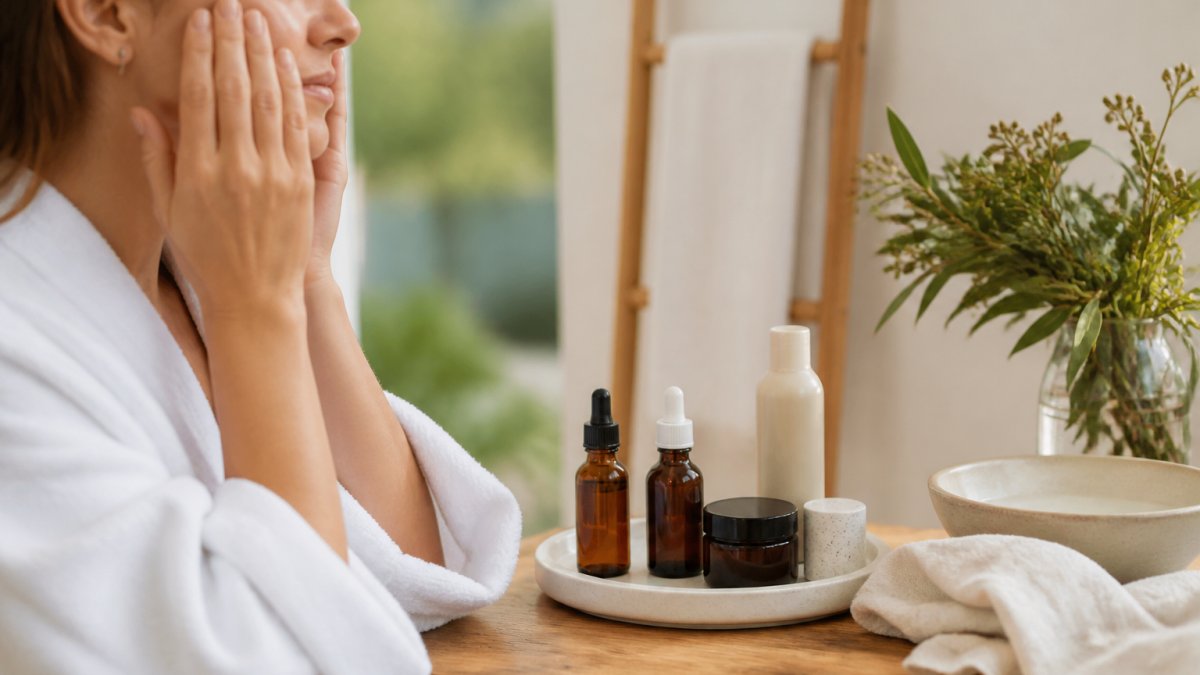
How to Switch to a Clean Beauty Routine: 7 Simple Steps
Table of Contents
- Start With a Skin and Routine Audit
- Learn How to Read Skincare Ingredient Labels
- Choose What to Replace First on a Budget
- How to Introduce New Skincare Products Safely
- How to Build a Natural Skincare Routine That Fits Your Skin
- Measure Results and Set Realistic Expectations
- Frequently Asked Questions
Last Updated: October 17, 2026
Start With a Skin and Routine Audit
A clean beauty routine starts with knowing what you already own. Before you buy a single new product, take stock of every bottle, jar and tube on your shelf, then note how your skin actually behaves after each one.
This guide from Harmony Harvest walks you through the whole switch, from the first audit to the final product swap. Below, we'll show you exactly how to move across without wasting money or upsetting your skin barrier.
List What You Use and How Your Skin Responds
Grab a notebook and write down every product you use, morning and night. Next to each one, note:
- How your skin feels straight after applying it
- Whether you notice tightness, redness or breakouts later in the day
- How long you've been using it
A common mistake is blaming a whole routine for one problem product. This simple log separates the culprits from the keepers. Give it two weeks and patterns will appear.
Learn How to Read Skincare Ingredient Labels
Ingredient lists are ordered by concentration, so the first five ingredients tell you most of what a product really is. Everything after that is usually present in small amounts. That single rule is the foundation of label reading, but it only gets you part of the way. The stronger skill is knowing how to check a claim rather than trusting the front of the pack.
When you learn how to read skincare ingredient labels, you stop paying for marketing and start reading formulation. Look for:
- Water-based products: water or aloe vera juice near the top
- Facial oils and balms: plant oils listed first
- Active ingredients: names you recognise, placed high enough to matter
- Fragrance and essential oils: often listed late but still worth noting if your skin is reactive
A Repeatable Method for Checking Any Product
Use the same short sequence every time you pick up a product, whether in a store or online:
- Find the full ingredient list, not the marketing panel. If a brand won't publish it, treat that as information in itself.
- Read the first five ingredients and ask whether they match what the product claims to be.
- Check for a certification mark and note which body issued it.
- Verify the certification through the certifying body's own register rather than the brand's website.
- Compare the claim to the evidence, does the label promise a result, or describe an ingredient?
This takes a couple of minutes and saves far more than that in wasted purchases.
Decode Free-From Claims and Certifications
"Free-from" claims tell you what a product leaves out. They say nothing about what it contains or how well it works. That's the limit of the term clean, and it's worth understanding before you spend. There is no single universal definition of clean beauty, so any brand using the phrase is applying its own standard. That doesn't make the term useless, it makes it a starting point for your own questions.
It also helps to separate hazard from risk. A substance being flagged on a list somewhere is not the same as a demonstrated risk at the concentration and exposure in a real product. Most practitioners find that the practical questions, does this irritate my skin, is the formulation stable, is the claim substantiated, matter more than a long list of excluded names.
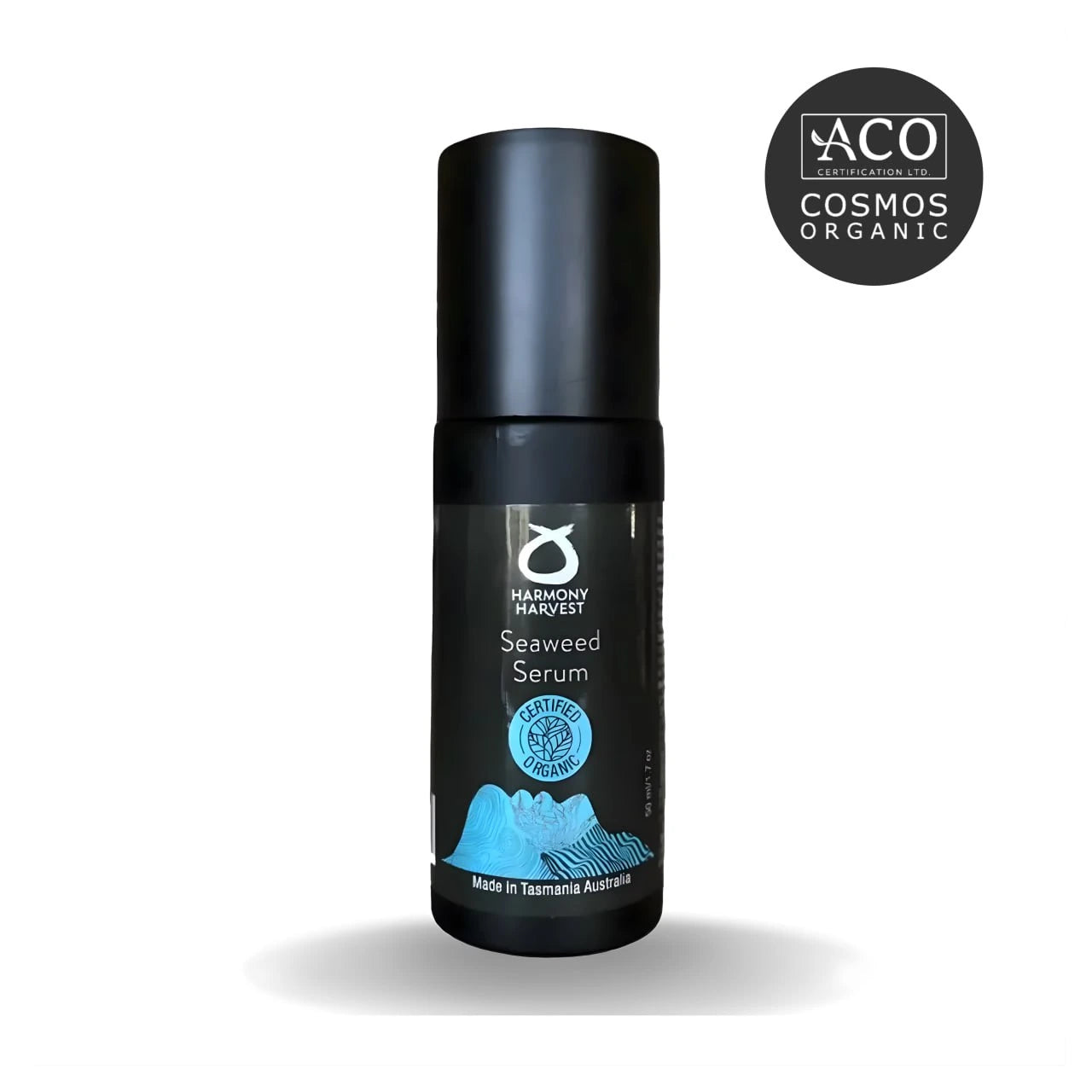
Certifications carry more weight because they are checked against a published standard. A COSMOS-certified organic product has been assessed against a recognised standard covering sourcing, processing and packaging (COSMOS). You can verify a claim like this through the certifying body rather than trusting the front label. Harmony Harvest products are COSMOS-certified organic and vegan, and the certification can be checked at source.
The ACCC guidance on green marketing claims sets out what businesses can and cannot say about environmental and natural claims, which makes it a useful reference when a label feels vague. Words like "natural", "pure" and "eco" are marketing terms unless a standard sits behind them.
Choose What to Replace First on a Budget
Replace your leave-on products first, because they stay on your skin longest. Cleansers rinse off, so they matter less. This order keeps the switch affordable and gradual, and it means the products doing the most work get upgraded first.
A full routine overhaul is rarely necessary, and it's the fastest way to waste money. The better approach is a staged replacement that lets you use up what you already own, spread the cost across weeks, and judge each new product on its own.
Use Up What You Have, Safely
Before you replace anything, finish the products that are still good. Check each one for a period-after-opening symbol (the small jar icon with a number and letter, such as 12M for twelve months) and note when you opened it. Products past that window, or ones that have separated, changed smell or changed texture, should go.
A common pattern is to keep a conventional product in the routine while you trial its replacement alongside it, then retire the old one once the new one has passed its patch test and a couple of weeks of use. This avoids a gap in your routine and stops you buying a replacement before you've confirmed the first one suits you.
A Practical Replacement Schedule
Here's a staged order that prioritises leave-on products and keeps spending spread out:
| Priority | Product | Why First | Suggested Timing |
|---|---|---|---|
| 1 | Moisturiser | Sits on skin all day | Week 1 |
| 2 | Facial oil or serum | Concentrated, leave-on | Week 3 |
| 3 | Cleanser | Rinses off quickly | Week 5 |
| 4 | Body care | Larger surface area | Week 7 |
| 5 | Base makeup | Least contact time | Week 9 |
Finish one product before buying the next. This spreads the cost and lets you judge each new item on its own. If money is tight in a given month, pause the schedule rather than skipping ahead, the order matters more than the pace.
Prioritise When the Budget Is Tight
If you can only afford one or two swaps, put your money into the product that stays on your skin longest and covers the most surface area. For most people that's the moisturiser, followed by a facial oil or serum. A cleanser is a reasonable later purchase because it's on the skin briefly and rinsed away.
Two habits keep costs down without compromising the switch:
- Buy the smallest size first when a product is new to you, so you're not committed to a full jar you may not finish.
- Resist buying a whole "clean" set at once. Bundles feel efficient but make it impossible to tell which product caused a reaction or delivered a result.
Replacing five products in one week is the most common way a switch goes wrong. You lose the ability to attribute a breakout or a improvement to any single change, and you spend more than you need to before you know what works.
How to Introduce New Skincare Products Safely
Introduce one new product at a time and wait at least a week before adding the next. This is the single most useful rule for anyone learning how to introduce new skincare products without a reaction.
Patch Testing and Managing Irritation
Apply a small amount behind your ear or on your inner forearm. Wait 24 to 48 hours and watch for redness, itching or swelling.

If irritation appears, stop using the product. Sensitive skin often settles once you slow down and layer fewer things at once.
Adding three new products in one week makes it impossible to tell which one caused a breakout. You'll then avoid the wrong product for years.
How to Build a Natural Skincare Routine That Fits Your Skin
A natural skincare routine works best when it stays small. Four steps in the morning and three at night cover most skin types, and your skin type decides the textures you choose.
Morning and Evening Essentials, Keep It Simple
Morning:
- Rinse or use a gentle cleanser
- Apply a hydrating serum
- Press in a facial oil or light moisturiser
- Finish with sunscreen
Evening:
- Remove makeup and cleanse
- Apply a treatment suited to your skin concerns
- Seal with a richer balm or moisturiser
Lightweight products suit oily and combination skin. Balms and facial oils suit dry or mature skin. Product layering should go from thinnest to thickest, always.
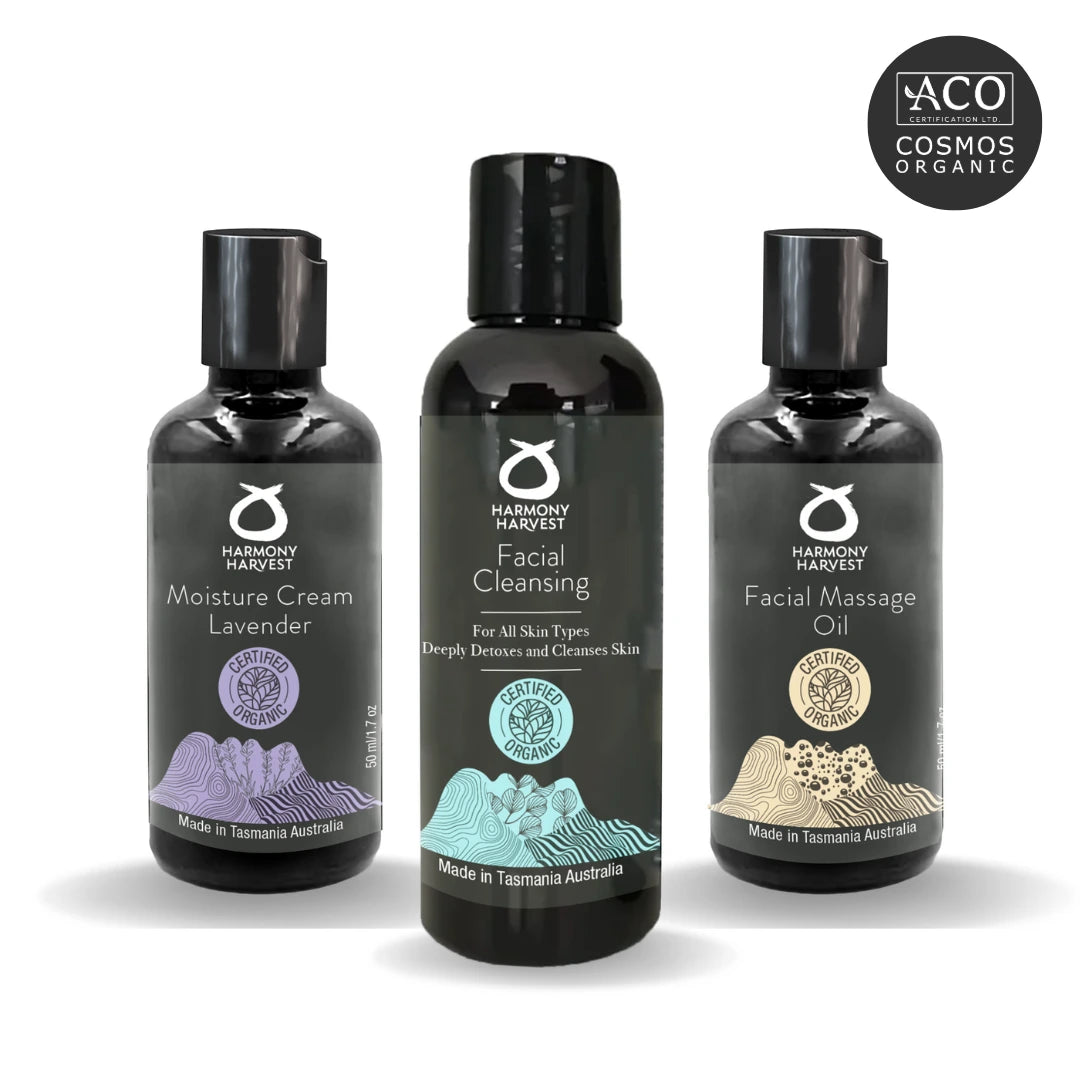
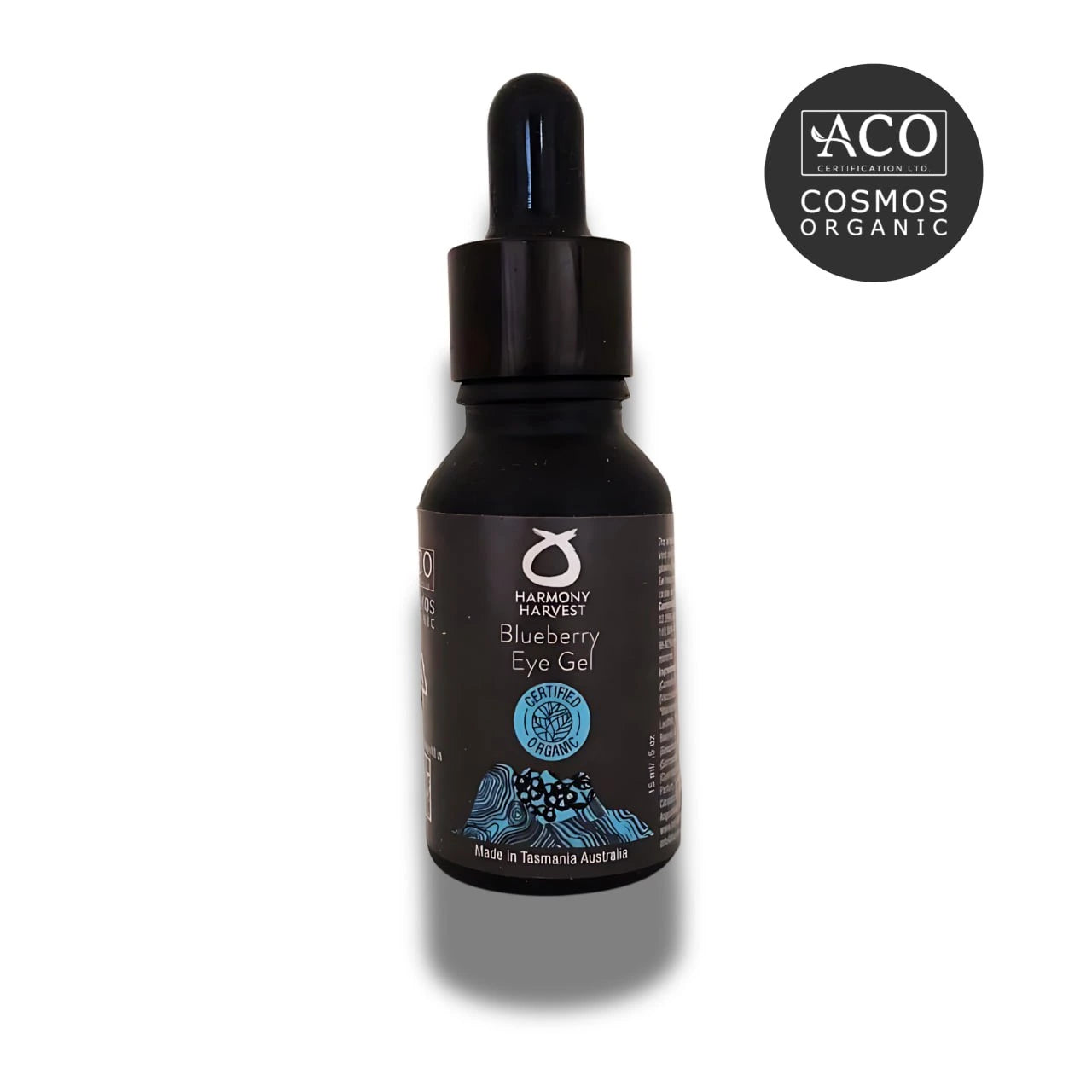
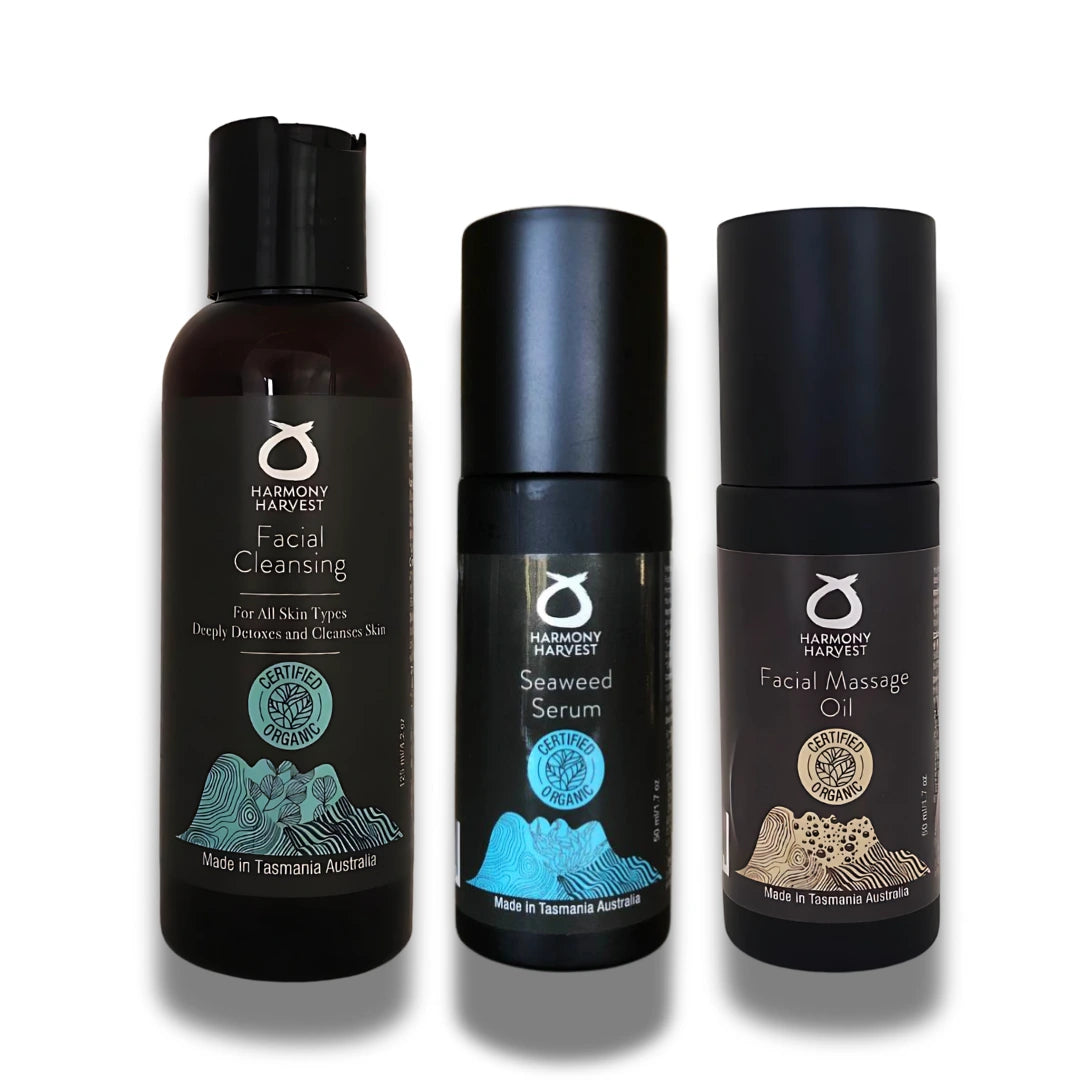
Our Facial Care collection is COSMOS-certified organic and vegan, built around Australian botanicals that support a healthy skin barrier.
Ready to embrace a radiant, youthful complexion? Explore our Facial Care collection today and discover our COSMOS-certified organic, vegan, and cruelty-free range.
Measure Results and Set Realistic Expectations
Give any new routine at least four weeks before you judge it, and eight weeks for hydration and skin barrier changes. Skin cells renew on a cycle, so early results are subtle.
Track three things weekly:
- Hydration: does skin feel tight after cleansing?
- Texture: is it smoother or rougher?
- Comfort: any stinging, flaking or irritation?
Take a photo in the same light each week. Personal experience beats memory here, because gradual change is hard to see day to day.
If nothing improves after eight weeks, revisit your ingredient list and simplify further rather than adding more products.
Frequently Asked Questions
How long should I give a new clean beauty routine to work?
Give any new routine at least four to six weeks before judging results. Your skin barrier needs time to adjust, and hydration levels, texture and tone change slowly. Introduce one product at a time and note how your skin responds each week. If irritation appears, stop the newest product first and let your skin settle. A clean beauty routine rewards patience, so resist the urge to add more steps while you are still assessing what is already working.
What should I look for on a skincare product label?
Read the ingredient list in order, since ingredients appear by concentration. Look for a full list rather than vague marketing claims, and check for recognised certifications such as COSMOS-certified organic, which verifies sourcing and processing standards. Be cautious of free-from claims that sound impressive but say little about what is actually inside. If a label hides the full ingredients or relies only on buzzwords, treat that as a reason to keep looking rather than a guarantee of quality.
Can I switch to a clean beauty routine if I have sensitive skin?
Yes, but go slowly. Introduce one new product every two to three weeks, patch test on your inner forearm first, and keep the rest of your routine unchanged so you can tell what caused any reaction. Choose gentle, fragrance-light formulas and avoid stacking several active ingredients at once. If your skin becomes irritated, pause the new product and return to basics until it settles. A gradual transition is kinder to reactive skin than a full overhaul in one weekend.
Do I need to replace all my makeup at once when switching to clean beauty?
No. Replace skincare essentials first, such as cleanser, moisturiser and sunscreen, because they stay on your skin longest and cover the most surface area. Base makeup and lip products can follow as they run out. This staged approach spreads the cost and lets you assess each product properly. Keep using what you already own until it is finished, then swap it for a COSMOS-certified organic alternative that suits your skin type.
Switching to a clean beauty routine asks for patience more than spending. Start with the audit, replace your leave-on products first, and let your skin tell you what works.
At Harmony Harvest, we make that switch simpler with a COSMOS-certified organic, vegan and cruelty-free range formulated with Australian botanicals. Explore our Body Care collection to round out your routine, or begin with Facial Care and build from there.
Best Sellers


Read more
How to Prevent Hair Loss After Pregnancy: A Gentle Guide
Learn how to prevent hair loss after pregnancy with gentle care, key nutrients and realistic timelines. Support your postpartum hair regrowth naturally.
Read more
Best Natural Alternatives to Retinol: A 2026 Guide
Explore the best natural alternatives to retinol for sensitive and mature skin, from bakuchiol to rosehip oil, and how to build a gentle anti-ageing
Read more