

Article: Best Natural Alternatives to Retinol: A 2026 Guide

Best Natural Alternatives to Retinol: A 2026 Guide
Table of Contents
- Why People Look for Natural Alternatives to Retinol
- Bakuchiol: The Most Studied Plant Retinol Alternative
- How to Use Bakuchiol in a Skincare Routine
- Rosehip Oil for Mature Skin: Nourishment and Smoothness
- Plant Peptides for Skin: Supporting Collagen Naturally
- Retinol Alternatives for Sensitive Skin: Building Tolerance
- Expected Timelines and What Results to Look For
- Choosing the Right Natural Alternative for Your Skin
- Frequently Asked Questions
Last Updated: October 18, 2026
Why People Look for Natural Alternatives to Retinol
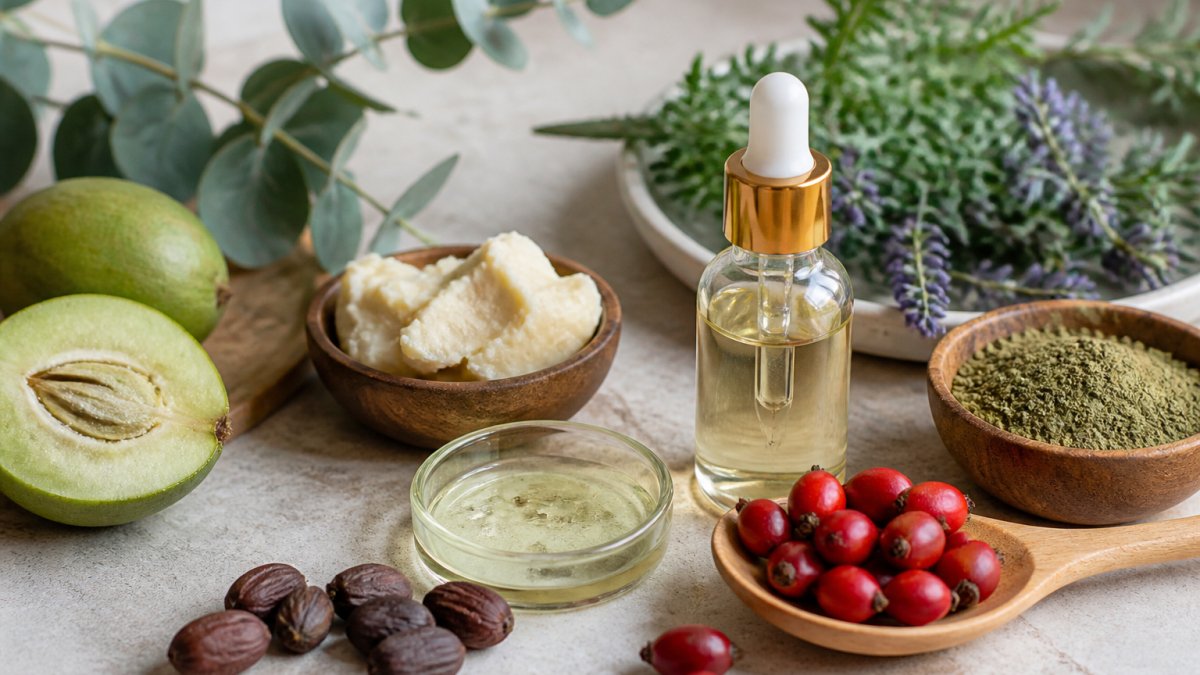
Retinol works, but it does not suit everyone. Many people find it drying, irritating, or simply too much for their skin to tolerate, especially those with a sensitive barrier or a preference for plant-based formulas. This guide from Harmony Harvest covers the best natural alternatives to retinol, so you can support smoother, more youthful-looking skin without the sting.
Retinol is a form of vitamin A, and a retinoid is the broader family of vitamin A compounds used in skincare. It speeds up skin renewal, which is why it is so widely used for fine lines and wrinkles. The trade-off is irritation: redness, flaking, and a period of adjustment are common.
Natural alternatives work differently. They support collagen and skin renewal more gently, often through plant-based ingredients that also nourish and soothe. That makes them a strong option for sensitive skin, and for anyone who wants a routine that feels calm rather than clinical. Prioritizing botanical extracts ensures that these alternatives for sensitive skin maintain the delicate moisture barrier while promoting a resilient and healthy complexion.
How Natural Actives Compare With Retinol
Retinol has decades of clinical evidence behind it. Natural actives have less, and the evidence varies from ingredient to ingredient. That is the honest starting point.
The best natural alternatives fall into a few groups:
- Bakuchiol, a plant-based retinol alternative with the most research behind it
- Rosehip oil, rich in vitamin A precursors and vitamin E
- Plant peptides, which support the skin's own collagen
- Antioxidants such as vitamin C and niacinamide for tone and texture
They tend to be gentler and better tolerated, but slower. If you want a fast, dramatic change, retinol still leads. If you want steady, comfortable improvement, a plant-based ingredient can deliver.
Bakuchiol: The Most Studied Plant Retinol Alternative
Bakuchiol is the standout natural alternative. It comes from the seeds of the babchi plant (Psoralea corylifolia) and is the most studied plant-based retinol alternative available. It is also the one most often oversold, so it is worth understanding what the research actually shows.
What the evidence supports
Bakuchiol has been through several small human trials, including comparisons against retinol over twelve-week periods. In those studies, bakuchiol produced broadly similar improvements in fine lines and pigmentation, with markedly less stinging and flaking than retinol (pubmed.ncbi.nlm.nih.gov). That is a genuinely promising result.
It is also a result with limits. The trials are small, some are industry-funded, and long-term data beyond a few months is thin. Bakuchiol is best described as well-supported for a plant alternative, not as proven equivalent to retinol across every outcome. Anyone who tells you otherwise is overselling.
How it behaves on the skin
What makes bakuchiol different is tolerability. It does not act on retinoid receptors, so it does not trigger the same adjustment period. Most people can use it daily from the start, including many who have reacted badly to retinol.
It is not a magic swap. Bakuchiol is gentler, and gentle means slower for some people. Fine lines may take three months or more to shift, and the change is usually subtle rather than dramatic. For sensitive skin, or for anyone who has given up on retinol, it is the first ingredient we would reach for, with realistic expectations.
What to look for in a formula
Concentration and formulation matter more than the marketing on the front of the bottle.
- Look for bakuchiol listed early in the ingredient list, not as a trace addition after fragrance.
- Check the carrier. Bakuchiol is often delivered in a facial oil or a silicone-based serum. Oily carriers suit dry skin; lighter serums suit combination and oily skin.
- Avoid stacking it with strong acids in the same layer. Keep exfoliants for another evening.
- Patch test first if your skin is reactive, and start with every second night for a fortnight before going daily.
Where bakuchiol falls short
Bakuchiol is not a good fit if you want a fast, visible change, if you have significant sun damage or deep wrinkles that warrant a dermatologist-guided retinoid, or if you are looking specifically for an exfoliating effect, bakuchiol does not exfoliate. It is a support ingredient, not a resurfacing one.
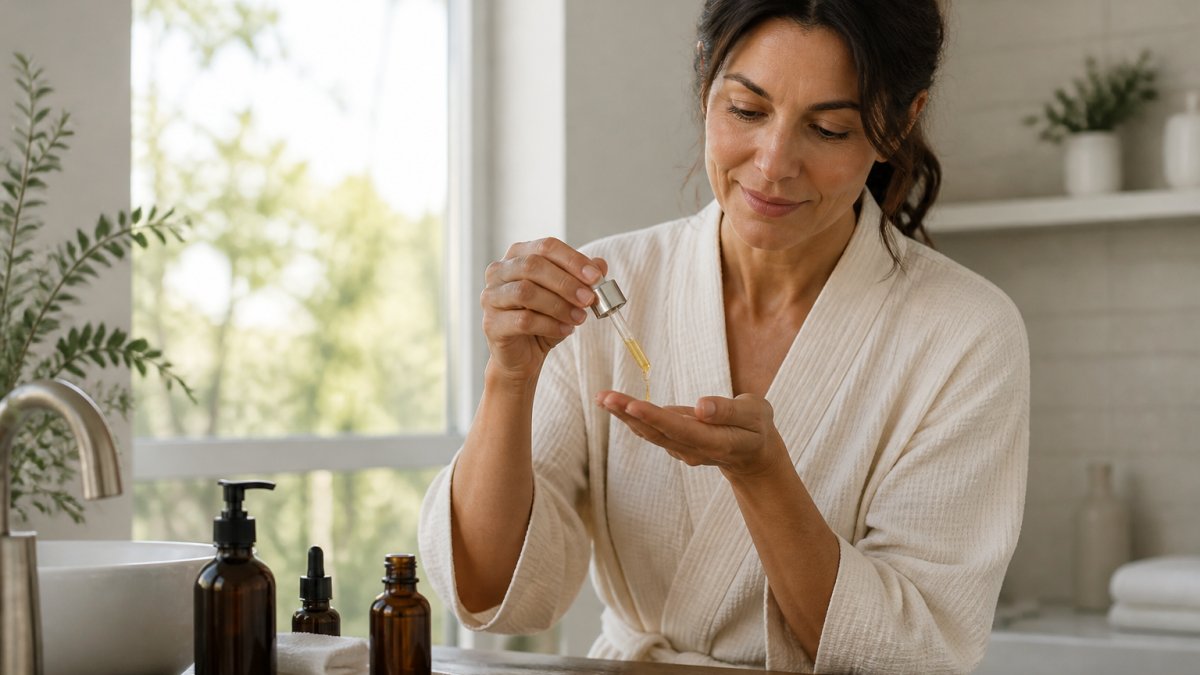
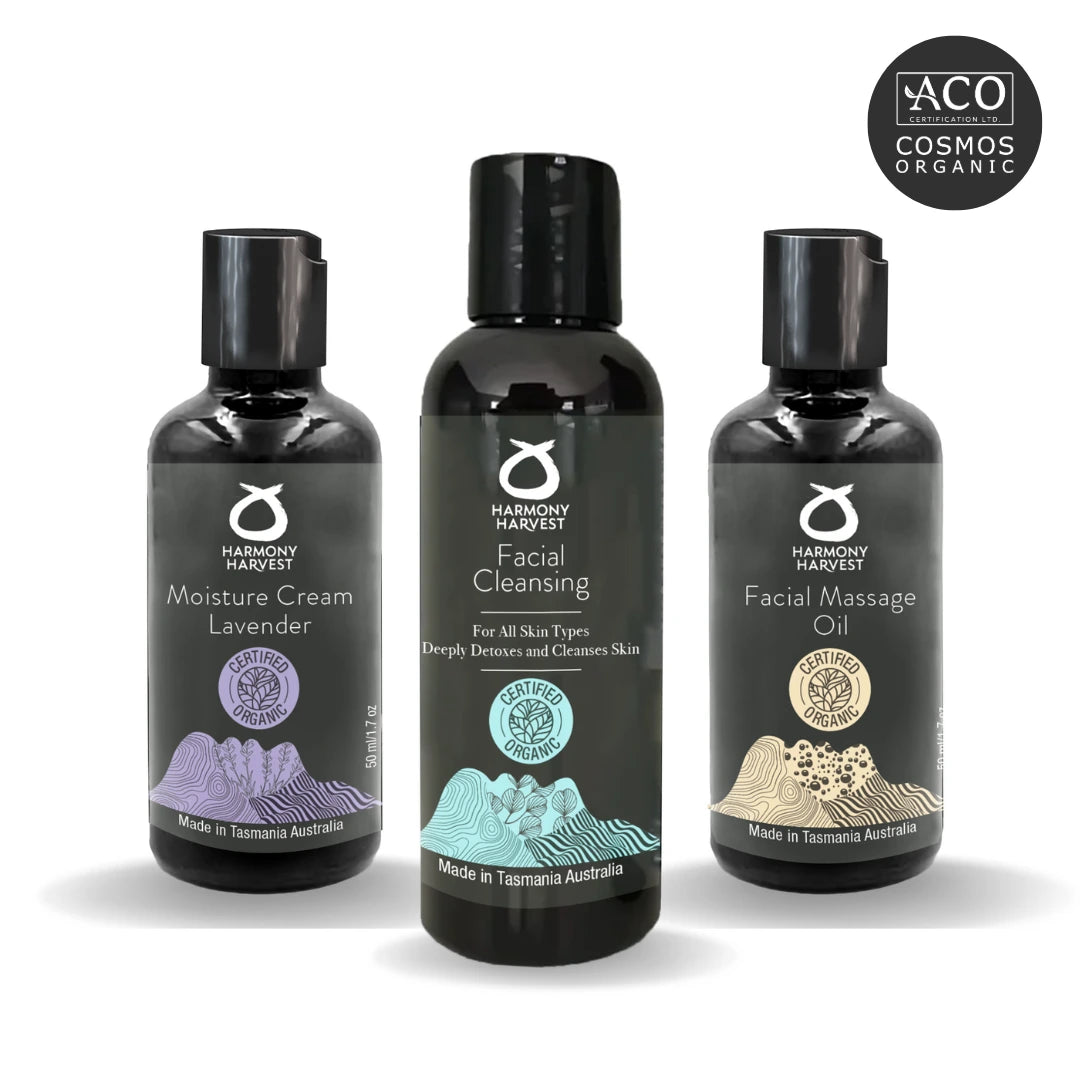
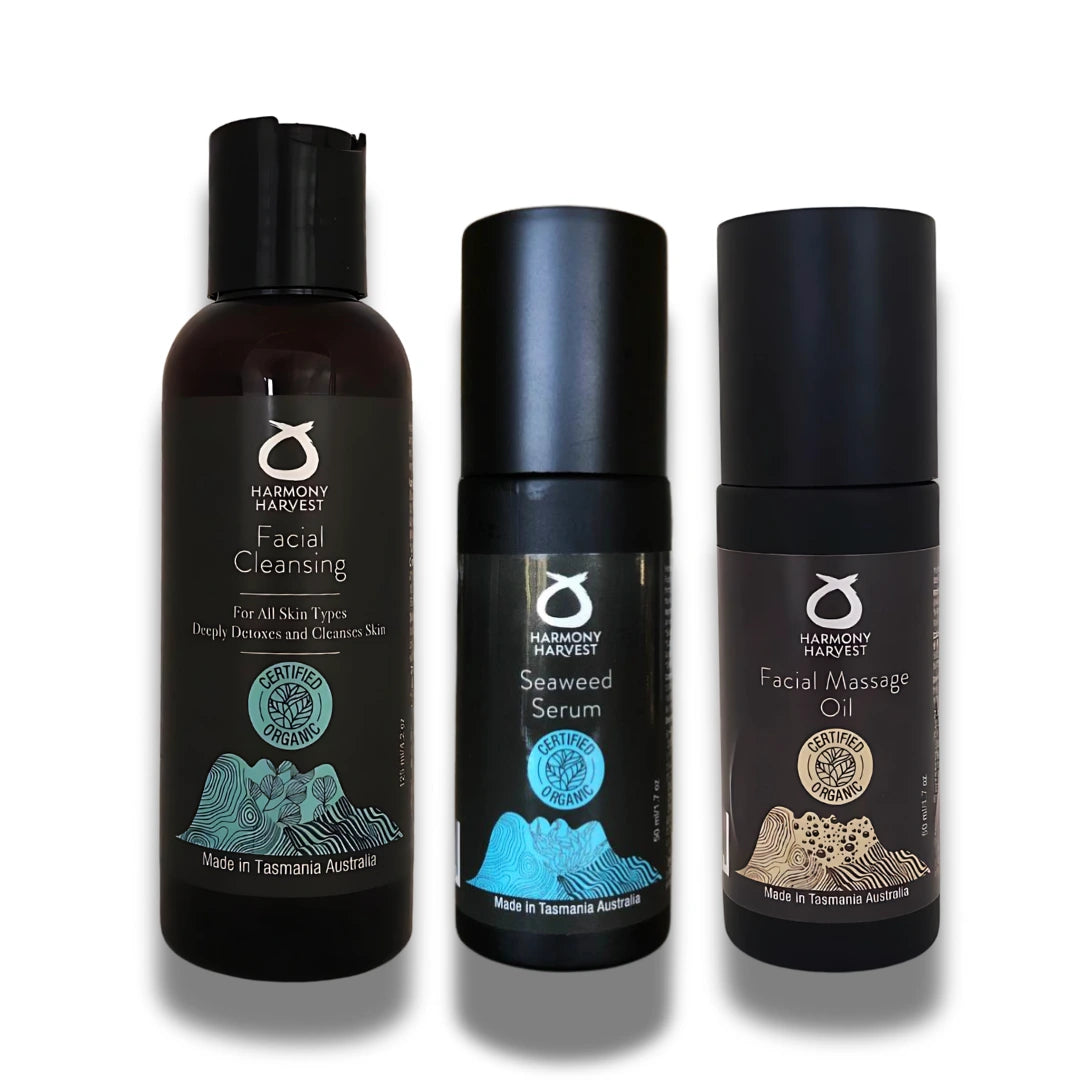
At Harmony Harvest, our facial care range is COSMOS-certified organic and vegan, crafted from pure Australian botanicals. Begin with one product, use it consistently, and let your skin tell you whether it is the right match. Explore our Facial Care collection today to discover nature-inspired beauty rituals that are safe for the whole family, and remember our range is COSMOS-certified organic, vegan, and cruelty-free.
How to Use Bakuchiol in a Skincare Routine
Using bakuchiol is refreshingly simple. Apply it after cleansing and before moisturiser, once or twice daily, and build from there.
A routine that works:
- Cleanse with a gentle, non-stripping cleanser
- Apply a few drops of bakuchiol serum or facial oil to damp skin
- Follow with a nourishing moisturiser to seal it in
- Finish with sunscreen in the morning, every day
A common mistake is layering bakuchiol with strong acids at the same time. Keep exfoliants for another evening, and let the bakuchiol do its work. If your skin is reactive, start with every second night for a fortnight before going daily.
Rosehip Oil for Mature Skin: Nourishment and Smoothness
Rosehip oil is a quiet achiever for mature skin. It is rich in essential fatty acids, vitamin E, and beta-carotene, and it nourishes dry, thinning skin in a way many serums cannot.
Where rosehip oil shines is in skin texture and comfort. It softens rough patches, supports the skin barrier, and gives a smooth, supple finish. It is not a strong exfoliant or a collagen stimulator in the way retinol is, so treat it as support rather than a replacement for an active.
For mature skin, we suggest a rosehip-based facial oil at night, pressed gently over moisturiser. It pairs well with bakuchiol and peptides, and it is kind enough for daily use.
Plant Peptides for Skin: Supporting Collagen Naturally
Plant peptides are short chains of amino acids that signal the skin to support its own collagen. They are one of the most useful natural alternatives for fine lines, because they work with the skin rather than against it.
Peptides are not as fast-acting as retinol, but they are well tolerated and easy to combine with other actives. Many people use a peptide serum in the morning and a richer treatment at night. Over time, the goal is firmer, more resilient skin and a smoother complexion.
The key is consistency. Peptides reward daily use, and they work best alongside antioxidants and good sun protection.
Retinol Alternatives for Sensitive Skin: Building Tolerance
Retinol alternatives for sensitive skin need a different approach. The goal is not to push through irritation, but to build tolerance slowly and keep the barrier strong.
Start with one active, not three. Use it every second or third night for the first few weeks. Watch for stinging, tightness, or redness, and pull back if they appear. Patch test any new serum on the inner arm for a few days before it goes near your face.
Supporting ingredients matter as much as the active itself. Niacinamide, vitamin E, and nourishing plant oils help calm and soothe the skin. A strong, healthy skin barrier tolerates everything better.
Expected Timelines and What Results to Look For
Natural alternatives are a slow build. Expect the first changes in skin comfort and hydration within one to two weeks. Texture and tone usually shift over four to eight weeks, and fine lines respond over three months or more.
What to look for, in order:
- Skin feels calmer and less tight
- Makeup sits more smoothly
- Rough patches soften
- Fine lines look less pronounced
- Complexion looks more even and radiant
If you see nothing after three months of consistent use, the ingredient may not be the right match for your skin. That is useful information, not a failure.
Choosing the Right Natural Alternative for Your Skin
Match the ingredient to your concern and your tolerance. Dry, mature skin often does well with rosehip oil and peptides. Sensitive or reactive skin usually starts with bakuchiol. Dull, uneven skin benefits from antioxidants such as vitamin C.
| Your concern | Best natural alternative | How to use it |
|---|---|---|
| Fine lines and wrinkles | Bakuchiol | Nightly serum, build slowly |
| Dry, mature skin | Rosehip oil | Nightly facial oil over moisturiser |
| Loss of firmness | Plant peptides | Morning serum, daily |
| Dull, uneven tone | Vitamin C and niacinamide | Morning antioxidant layer |
| Sensitive, reactive skin | Bakuchiol | Every second night to start |
Frequently Asked Questions
What are some effective natural alternatives to retinol?
Bakuchiol is the most studied plant-based option, with trials comparing it to retinol for fine lines and pigmentation. Rosehip oil brings vitamin A precursors and fatty acids that support a smooth complexion. Plant peptides signal the skin to support its own collagen, while niacinamide and vitamin C help with tone and texture. Many people combine two or three of these in a simple routine rather than relying on a single ingredient.
How long does it take to see results from a natural retinol alternative?
Most plant actives work gradually. Bakuchiol trials typically measured changes over 12 weeks, and peptide and oil-based formulas often show smoother texture and better hydration within four to eight weeks of daily use. Consistency matters more than concentration. Keep a simple routine, apply morning and night as directed, and take a photo each month so you can judge real change rather than relying on memory.
Can I use natural alternatives alongside retinol?
Yes, many people alternate them. A common approach is retinol two or three nights a week and a bakuchiol or rosehip formula on the other nights to reduce irritation. If your skin is reactive, introduce one new product at a time and patch test on the inner forearm for a few days first. Stop using anything that causes stinging, redness or flaking, and speak to a dermatologist if irritation persists.
What should I look for when choosing a retinol alternative?
Check the ingredient list rather than the front label. Look for named actives such as bakuchiol, peptides or rosehip oil listed before the preservatives, and certification you can verify, such as COSMOS-certified organic. Avoid formulas with heavy fragrance if your skin is sensitive. Harmony Harvest's facial care range is COSMOS-certified organic and vegan, which gives you a clear starting point for a gentle routine.
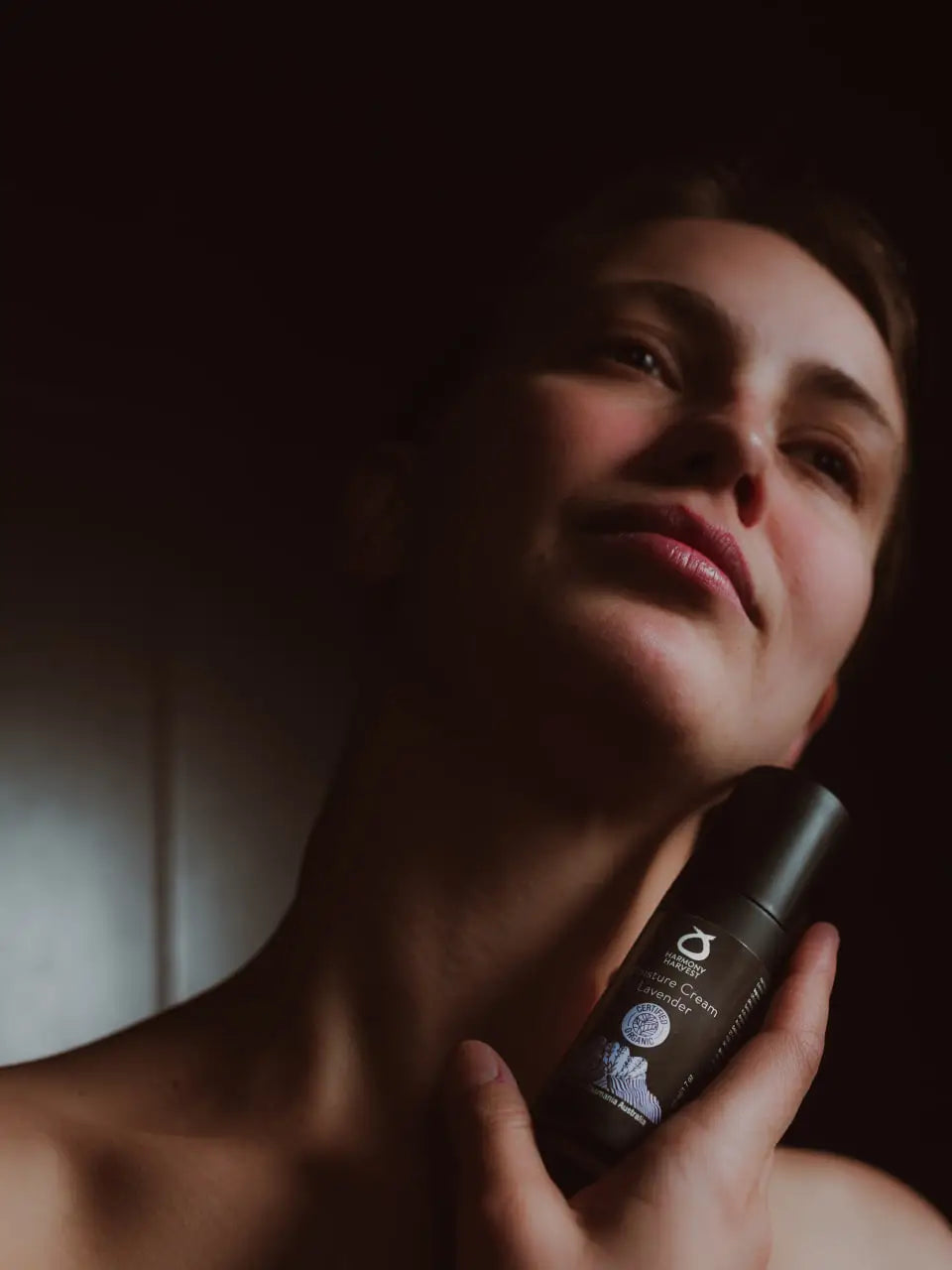
Finding a retinol alternative that suits your skin takes patience, and the right starting point makes all the difference. Harmony Harvest offers a COSMOS-certified organic, vegan, and cruelty-free facial care range formulated with Australian botanicals to hydrate, support collagen, and promote a smooth, radiant glow. Explore our Facial Care collection and begin with one gentle step.
Best Sellers

Read more
How to Switch to a Clean Beauty Routine: 7 Simple Steps
Ready to switch to a clean beauty routine? Follow seven simple steps to swap products gradually, read labels with confidence and protect your skin barrier.
Read more