

Benefits of Australian Botanicals in Skincare: 2026 Guide
Table of Contents
- Why Australian Botanicals Are Transforming Skincare
- Australian Native Ingredients for Skin: A Numbered Guide
- The Benefits of Kakadu Plum in Skincare
- How to Choose Botanical Skincare for Your Skin Type
- Building a Simple Botanical Skincare Routine
- Safety, Sourcing and What the Evidence Really Shows
- Conclusion: Bringing Australian Botanicals Into Your Ritual
- Frequently Asked Questions
Last Updated: October 13, 2026
Why Australian Botanicals Are Transforming Skincare
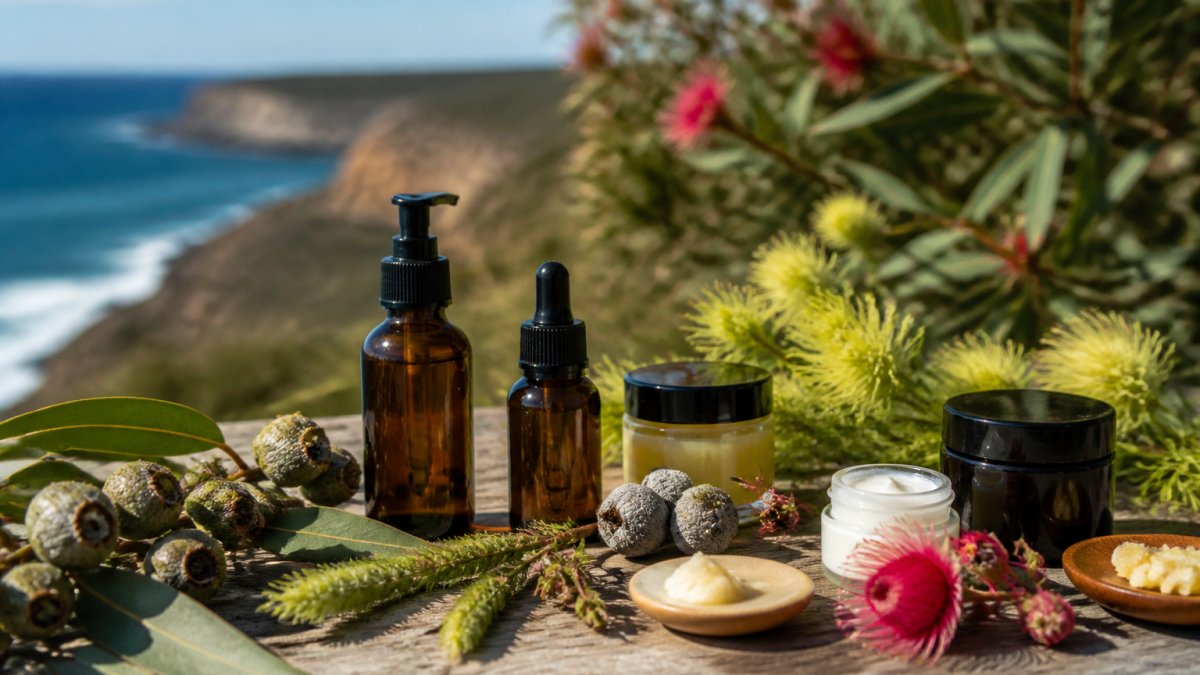
The benefits of Australian botanicals in skincare start with survival. Plants that endured tens of thousands of years of intense ultraviolet light, drought and poor soil developed unusually high concentrations of protective compounds, and those compounds translate directly into antioxidant, hydrating and reparative activity on skin. At Harmony Harvest, we formulate with these plants because the science behind them is genuinely interesting, not because they photograph well.
Australian botanicals are plant extracts and oils native to the continent, including Kakadu plum, eucalyptus, tea tree, wattleseed, quandong and desert lime. Each one evolved its own defence chemistry, and each brings something different to a botanical formulation.
The evidence base varies enormously between species. Some have solid published research behind them; others rest mostly on traditional use and small studies. We think that distinction matters, so we have flagged it honestly throughout this guide rather than treating every native ingredient as equally proven.
Below, we break down what each botanical actually does, how to match them to your skin type, and how to build a routine that stays simple.
Australian Native Ingredients for Skin: A Numbered Guide
Each native ingredient below earns its place for a specific reason, and each behaves differently on skin. Rather than treating them as interchangeable, it helps to know what compound is doing the work, how stable it is, and how much evidence sits behind the claim. Here is what matters most about the ones you will see most often in botanical skincare.
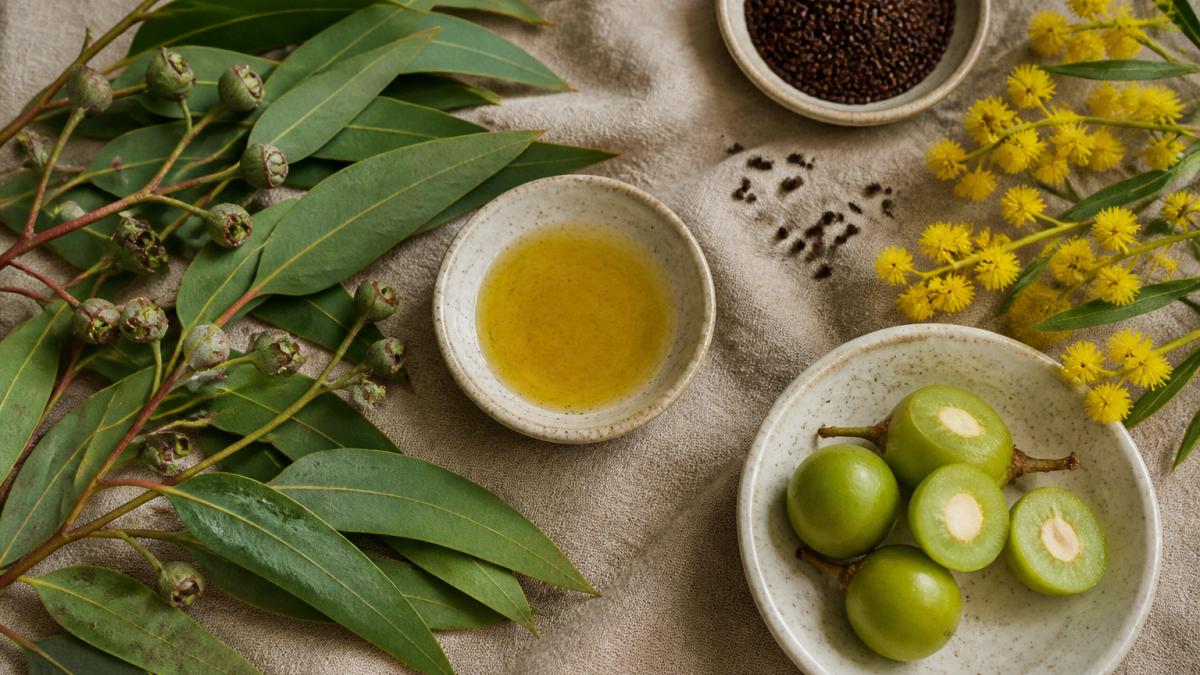
- Kakadu plum for brightening and antioxidant defence
- Eucalyptus for soothing and clearing
- Tea tree for oil balance and blemish-prone skin
- Wattleseed for nourishment and comfort
- Quandong for essential fatty acids and barrier support
- Desert lime for vitamin C and radiance
Kakadu Plum
Kakadu plum is the standout native fruit for vitamin C content, and it is the reason so many brightening formulas reach for it. The fruit carries naturally occurring vitamin C alongside polyphenols, which together help defend against free radicals and support a more even skin tone over time. The practical catch is stability: vitamin C degrades on exposure to light and air, so the format matters as much as the percentage. Airless pumps and opaque tubes protect it; a clear jar of cream does not. Kakadu plum is also a good example of why concentration claims need context, a formula can list the extract and still deliver very little active vitamin C if the extract is diluted or the product has been sitting on a shelf.
Eucalyptus and Tea Tree
Eucalyptus brings cineole, a compound with soothing and antiseptic properties that suits congested or irritated skin. Tea tree is the better-known antiseptic of the pair and is often used where oil production needs balancing. Both are potent, so concentration and formulation matter more than the ingredient list alone. Tea tree in particular is well studied at around 5% for blemish-prone skin, but higher concentrations can strip and sting rather than help. Eucalyptus oil should generally be used diluted, and both are best avoided on broken or highly reactive skin without patch testing first.
Wattleseed, Quandong and Desert Lime
Wattleseed is rich in protein and minerals and gives botanical formulations a nourishing, comforting quality. Quandong supplies essential fatty acids that support the skin barrier and moisture retention, which makes it a sensible choice for dry or tight-feeling skin. Desert lime is a compact source of vitamin C, adding brightening support to the mix, though like all vitamin C sources it needs protective packaging to stay effective. These three are the gentler end of the native range, which makes them a reasonable starting point if your skin is easily overwhelmed.
How the Evidence Stacks Up
It is worth separating three very different kinds of claim. Traditional use tells us a plant has been used for generations, which is meaningful but not the same as proof. Laboratory findings show a compound can do something in a dish, which is promising but not the same as doing it on skin. Human clinical evidence is the strongest, and it is unevenly distributed across native botanicals. Tea tree and eucalyptus have the most published human research; Kakadu plum has solid laboratory and some human data; wattleseed, quandong and desert lime rest more on traditional use and smaller studies. None of that makes the gentler botanicals useless, it just means the strength of the claim should match the strength of the evidence.
The Benefits of Kakadu Plum in Skincare
The benefits of Kakadu plum in skincare come down to one compound: vitamin C. Kakadu plum is widely regarded as one of the richest natural sources of vitamin C, and topical application delivers it alongside polyphenols that help stabilise and support the vitamin's activity on skin. The practical results are brighter tone, antioxidant protection against environmental stressors, and support for collagen production over time.
What most guides miss is that vitamin C is unstable. A poorly formulated Kakadu plum product can lose potency before you finish the bottle, so look for opaque or airless packaging and a formula that pairs the extract with other antioxidants rather than leaving it exposed.
For uneven skin tone and early signs of photoaging, Kakadu plum is one of the better-supported native choices. For deep hydration alone, other botanicals do more.
How to Choose Botanical Skincare for Your Skin Type
Matching botanicals to your skin type matters more than chasing the longest ingredient list. Use this as a starting point:
| Skin type or concern | Botanicals to prioritise | Why |
|---|---|---|
| Dry or dehydrated | Quandong, wattleseed | Essential fatty acids and nourishment support moisture retention |
| Dull or uneven tone | Kakadu plum, desert lime | Vitamin C and polyphenols for brightening |
| Sensitive or reactive | Eucalyptus, wattleseed | Soothing, calming support for a stressed barrier |
| Oily or blemish-prone | Tea tree, eucalyptus | Help balance oil production and calm congestion |
| First fine lines | Kakadu plum, quandong | Antioxidant and barrier support for elasticity |
A common mistake is layering six botanical serums at once. Start with one targeted product and give it several weeks before adding another. If your skin is reactive, patch test on the inner forearm first, since natural plant extracts can still trigger irritation in sensitive skin.
Building a Simple Botanical Skincare Routine
A botanical skincare routine does not need ten steps. Three or four well-chosen products, used consistently, will do more than a crowded shelf.
- Cleanse: a gentle botanical cleanser morning and night to remove buildup without stripping the barrier
- Treat: one targeted serum, such as a Kakadu plum brightening formula or a barrier-supporting oil
- Hydrate: a botanical moisturiser to seal in moisture and support elasticity
- Protect: sunscreen every morning, since no botanical replaces UV protection
That is the whole structure. If your skin is dry, add a facial oil at night; if it is oily, keep the moisturiser light. Consistency over complexity is what actually moves skin texture and radiance forward.
Safety, Sourcing and What the Evidence Really Shows
Honest evidence grading is where most botanical content falls short. Kakadu plum, tea tree and eucalyptus have reasonable published research behind them. Wattleseed, quandong and desert lime have less, and much of what exists is small-scale or based on traditional use. That does not make them useless, but it does mean you should treat strong claims about them with a little scepticism. A useful habit is to ask what kind of evidence sits behind a claim, traditional use, laboratory findings, or human trials, and to weight your expectations accordingly.
Safety deserves the same honesty. Essential-oil-rich botanicals such as eucalyptus and tea tree can irritate sensitive skin at high concentrations, and allergies to plant extracts are real. If your barrier is compromised, or you have reacted to fragranced products before, introduce one new botanical product at a time and patch test on the inner forearm for a few days before applying it to your face. Stop if you notice stinging, redness or a rash that persists.
Sourcing is the other half of the story, and it is where the most interesting questions sit. Many native botanicals are wildcrafted or harvested by Indigenous communities, and ethical supply chains matter, not just for the environment but for the people who hold the knowledge. Look for brands that can tell you where their extracts come from, how the harvest is managed, and whether the communities involved are partners rather than suppliers. Biodiversity is part of this too: responsible wildcrafting avoids over-harvesting and protects the plants for the long term.
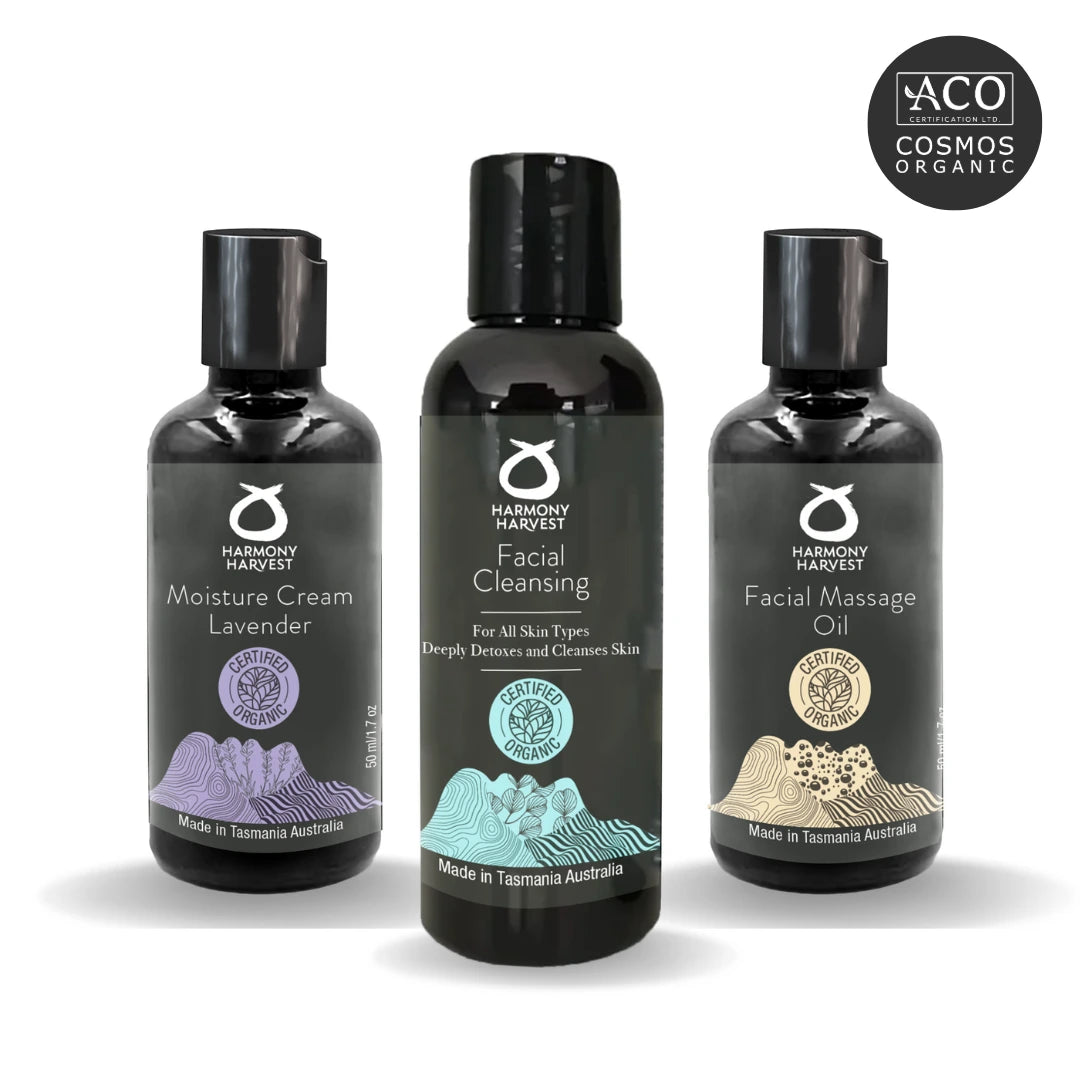
This is also where certification earns its keep. Harmony Harvest's range is COSMOS-certified organic and vegan, which means an independent body has verified the sourcing and formulation claims rather than leaving you to take a label at its word. That kind of third-party check is a practical shortcut when you cannot trace every supply chain yourself.
Conclusion: Bringing Australian Botanicals Into Your Ritual
Choosing botanical skincare is really a question of matching the right plant to the right concern, then giving it time to work. Kakadu plum for brightening, quandong and wattleseed for hydration and comfort, eucalyptus and tea tree for soothing and oil balance. Get that match right and the routine stays simple.
If you would like to start with native botanicals that are independently verified rather than self-declared, explore our Facial Care collection. Every Harmony Harvest formula is COSMOS-certified organic, vegan and cruelty-free, made for skin that deserves nourishment without compromise.
Frequently Asked Questions
What do botanicals actually do for your skin?
Botanical extracts supply skin with antioxidants, vitamins and essential fatty acids that support the skin barrier and help defend against environmental stressors. Australian botanicals such as Kakadu plum, wattleseed and desert lime are rich in vitamin C and polyphenols, which assist with hydration, radiance and the appearance of uneven skin tone. Because they work gently, plant extracts suit daily use, including on sensitive skin, when they are formulated without harsh additives.
Which Australian native ingredients are commonly used in skincare?
The most widely used Australian native ingredients for skin include Kakadu plum, eucalyptus, tea tree, wattleseed, quandong and desert lime. Kakadu plum is prized for its vitamin C content, eucalyptus and tea tree for their soothing and antiseptic qualities, and wattleseed for essential fatty acids that support moisture retention. Quandong and desert lime add further antioxidant and brightening support, making them popular in botanical formulations.
How do I choose botanical skincare for my skin type?
Start by identifying your main concern. Dry or mature skin benefits from oils rich in essential fatty acids, such as wattleseed. Sensitive or reactive skin does best with soothing extracts like eucalyptus at low concentrations, paired with ceramides for barrier support. For uneven skin tone or dark spots, look for vitamin C-rich botanicals such as Kakadu plum. Always check the ingredient list for concentration and patch test before full application.
Are botanical skincare products suitable for daily use?
Yes, most botanical skincare is designed for daily use. A simple routine of cleanse, hydrate and protect works well for most skin types. Introduce one new product at a time and allow a week or two to see how your skin responds. If you have a diagnosed skin condition or are using prescription treatments, speak with your dermatologist before adding new plant extracts to your routine.
Best Sellers
Read more
Best Vegan Skincare Brands for Anti Aging in 2026
Compare the best vegan skincare brands for anti aging in 2026, with ingredient evidence, skin-type fit, price and verified vegan status.
Read more
Best Organic Hair Care for Dry Damaged Hair
Find the best organic hair care for dry damaged hair, from shampoo to leave-in treatments, plus a simple routine and what to look for on labels.
Read more