


How to Repair a Damaged Skin Barrier Naturally: 2026 Guide
Table of Contents
- Signs of a Damaged Skin Barrier: What Your Skin Is Telling You
- How to Repair a Damaged Skin Barrier Naturally: A Step-by-Step Plan
- Ingredients That Support the Skin Barrier
- A Simple Skin Barrier Repair Routine for Sensitive Skin
- How Long Does It Take to Repair a Damaged Skin Barrier?
- Natural Remedies vs Clinical Treatments: What Actually Works
- Frequently Asked Questions
Last Updated: October 9, 2026
Signs of a Damaged Skin Barrier: What Your Skin Is Telling You
If your skin stings when you apply products that used to feel fine, or it feels tight and looks dull no matter how much moisturiser you use, your barrier is likely compromised. Knowing how to repair damaged skin barrier naturally starts with recognising the signals early. Skin that has been over-cleansed, over-exfoliated, or exposed to too many harsh actives is often asking for a gentler approach.
Symptoms That Point to a Compromised Barrier
The most common signs include persistent dryness, flaking, redness, itching, and a stinging sensation when applying skincare. Sensitivity that wasn't there before is a strong indicator. Some people notice rough patches or a tight feeling after cleansing, even when they haven't used anything stripping.
What Is Happening in Your Skin
The skin barrier is the outermost layer of skin, made up of skin cells bound together by skin lipids such as ceramides, cholesterol, and fatty acids, which retain water and block irritants. When those lipids are depleted, transepidermal water loss increases, moisture escapes, and irritants get in more easily. That's why barrier damage shows up as both dryness and reactivity at once.

How to Repair a Damaged Skin Barrier Naturally: A Step-by-Step Plan
A natural skin barrier repair plan works by removing the causes of damage first, then rebuilding moisture and lipids with gentle, plant-based ingredients. The steps below take a few weeks of consistency, not a cabinet full of new products.
Step 1: Stop the Damage
Pause exfoliating acids, retinoids, vitamin C serums and any product that stings, even briefly. This is the step most people skip, and it is the one that matters most. Your skin cannot rebuild its lipid matrix while it is still being stripped or irritated daily. A useful rule: if a product causes stinging, burning or redness within a minute of application, set it aside until skin feels comfortable again.
Step 2: Cleanse Without Stripping
Use a gentle cleanser with lukewarm water, once or twice daily at most. Hot water and foaming cleansers lift away the lipids your barrier needs. A cream or oil-based cleanser that leaves skin comfortable, not squeaky, is the right choice. If your skin feels tight within a minute of patting dry, the cleanser is too strong for now.
Step 3: Rebuild with Barrier-Supporting Ingredients
Apply humectants such as hyaluronic acid or glycerin to damp skin to draw in water, then follow with emollients and occlusives that hold it there. Plant oils rich in fatty acids, including sunflower, jojoba and rosehip oil, help replenish what has been lost. Look for formulas built around ceramides, cholesterol and fatty acids in roughly skin-like ratios, since these are the lipids the barrier is actually missing.
Step 4: Seal in Moisture and Protect
Finish every routine with a moisturiser applied to damp skin to seal in moisture. During the day, add sun protection. UV exposure is a common and often overlooked contributor to barrier breakdown, and it can undo weeks of gentle care in a single long afternoon outdoors.
Step 5: Reintroduce Actives Slowly
Once skin has felt calm for at least a week, reintroduce one active at a time, spaced about a week apart. Start with the lowest strength you own and apply it every third night before building up. Patch test new products on your inner forearm for a few days first. This stepwise approach lets you tell which product your skin tolerates and which one triggered the original reaction.
What Progress Looks Like, Week by Week
Barrier repair happens beneath the surface first, so comfort returns before visible smoothness does. A common pattern is:
- Week 1: Reduced stinging on application; skin may still feel tight.
- Weeks 2-3: Less flaking and itching; redness begins to settle.
- Weeks 4-6: Skin feels supple and looks smoother; reactivity to everyday products drops.
- Beyond 6 weeks: Full recovery if damage built up over months, not days.
Track progress by how skin feels rather than how it looks in the mirror. If irritation worsens, or you notice swelling, oozing, spreading rash or cracking that does not heal, see a doctor or dermatologist rather than continuing to self-treat.
Ingredients That Support the Skin Barrier
The ingredients that support the skin barrier fall into three groups: humectants that attract water, emollients that soften and smooth, and occlusives that reduce moisture loss. Ceramides, cholesterol, and fatty acids replace the lipids your barrier is missing. Natural moisturizing factor components such as amino acids help skin hold water.
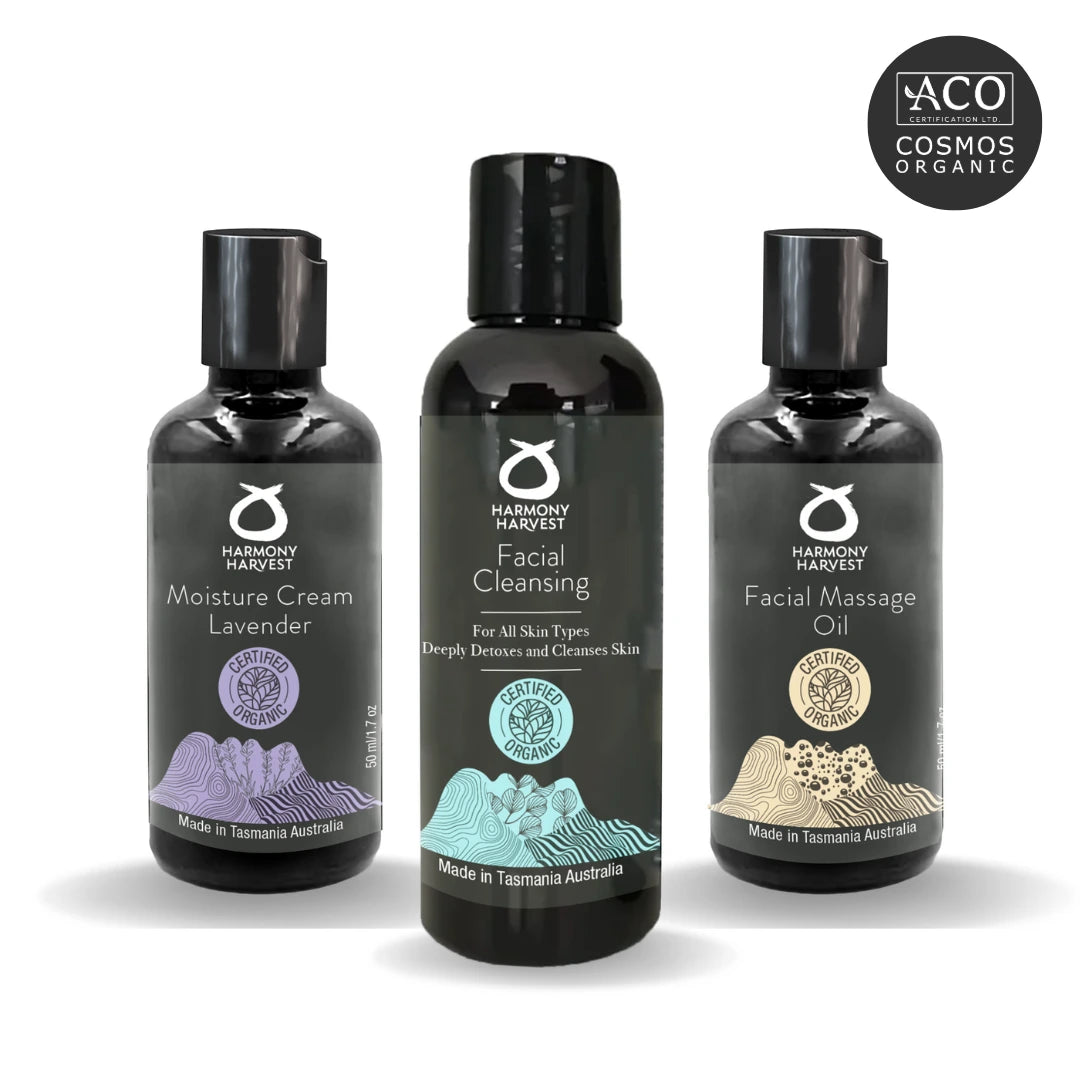
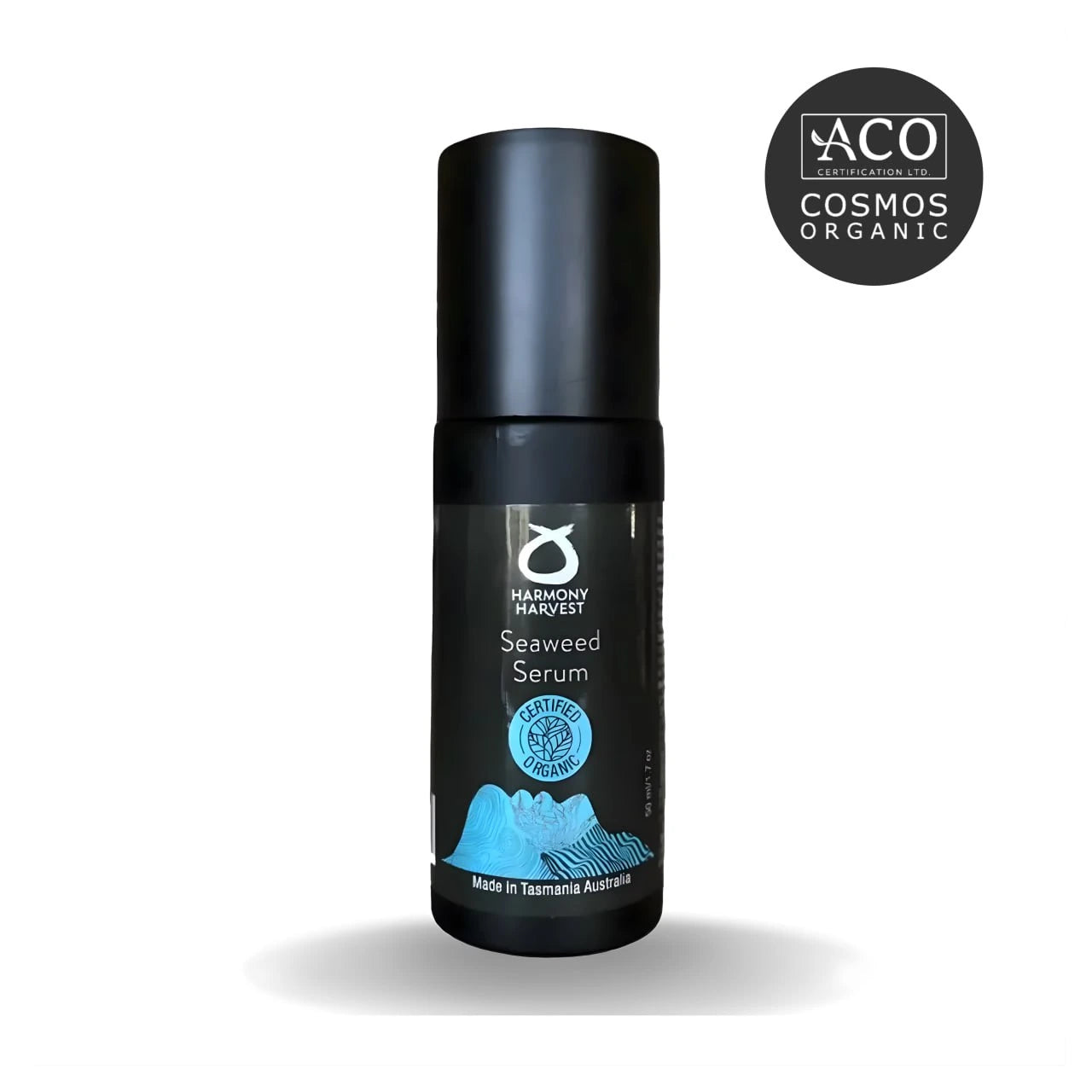
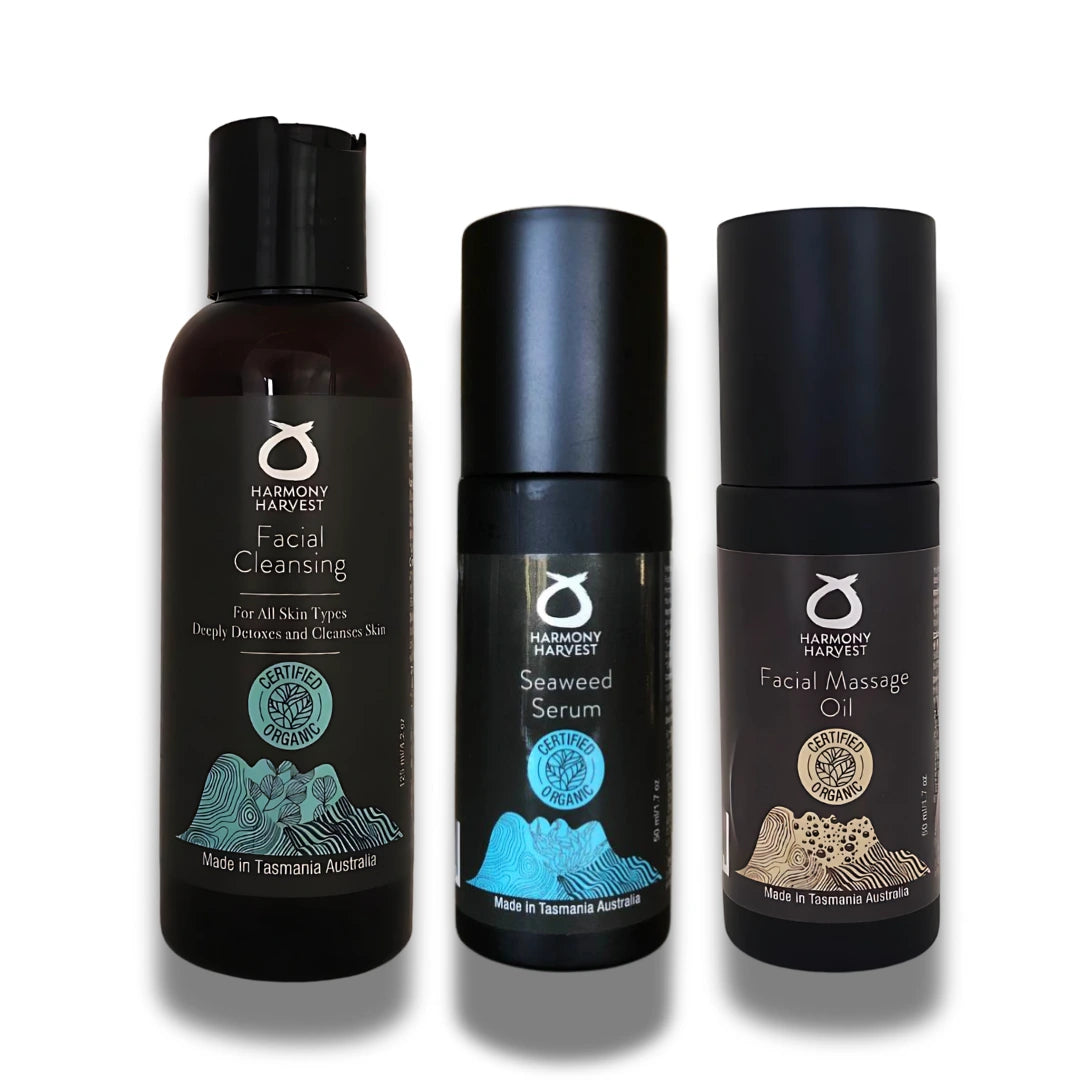
When you're choosing products, look for short ingredient lists built around plant oils and humectants rather than long lists of fragrances and drying alcohols. COSMOS-certified organic formulas, like those in the Harmony Harvest facial care range, are formulated without synthetic detergents, which makes them a gentler option for reactive skin.
| Ingredient Type | Examples | What It Does |
|---|---|---|
| Humectants | Hyaluronic acid, glycerin, amino acids | Draw water into the skin |
| Emollients | Jojoba oil, sunflower oil | Soften and smooth rough patches |
| Occlusives | Shea butter, plant waxes | Seal in moisture, reduce water loss |
| Barrier lipids | Ceramides, fatty acids, cholesterol | Replace depleted skin lipids |
| Antioxidants | Vitamin C, rosehip oil | Protect against environmental stress |
A Simple Skin Barrier Repair Routine for Sensitive Skin
A barrier repair routine for sensitive skin needs only three steps: cleanse, hydrate, and protect. Morning and evening, use a gentle cleanser, apply a hydrating serum or oil to damp skin, then seal with a moisturiser. That's it. More steps usually mean more irritation, not faster results.
If your skin is very reactive, start with just the moisturiser for a week before adding anything else back in.
How Long Does It Take to Repair a Damaged Skin Barrier?
Most people notice meaningful improvement in two to four weeks of consistent gentle care, though full recovery can take longer if the damage has built up over months. The first sign of progress is usually reduced stinging, followed by less flaking and a return of comfortable, supple skin. If irritation worsens, or you develop swelling, oozing, or spreading rash, see a doctor or dermatologist rather than continuing to self-treat.
Natural Remedies vs Clinical Treatments: What Actually Works
Natural approaches work well for mild to moderate barrier damage caused by over-cleansing, weather, friction or product irritation. Clinically supported treatments, including prescription creams, are the better route when skin is severely inflamed, infected or not improving after several weeks of gentle care. The two are not in opposition. A doctor can calm acute inflammation while a gentle, plant-based routine maintains the barrier afterwards.
Where Natural Care Has the Strongest Evidence
The ingredients with the most consistent support for barrier repair are the same ones found in well-formulated natural products:
- Colloidal oatmeal, widely used to soothe itching and redness in irritated skin.
- Niacinamide, supports ceramide production and reduces water loss.
- Panthenol (provitamin B5), attracts and holds water while calming reactivity.
- Plant oils rich in linoleic acid, sunflower and safflower oils help replenish barrier lipids.
- Ceramides and cholesterol, replace the lipids the barrier is missing.
What natural care does not do is treat diagnosed skin conditions such as eczema, psoriasis or rosacea, which need medical assessment. Nor does "natural" automatically mean gentle: essential oils, citrus extracts and some botanical fragrances can irritate a compromised barrier. Patch test anything new, and favour short ingredient lists while skin is reactive.
When to Escalate to a Clinician
See a doctor or dermatologist if you notice:
- Severe pain, swelling or warmth in the affected area.
- Cracking, oozing, crusting or signs of infection.
- A rash that spreads or does not improve after two to three weeks of gentle care.
- Symptoms that keep returning despite a consistent routine.
These signs suggest something beyond simple barrier damage, and self-treating can delay the right care.
A Sensible Order of Operations
For most everyday barrier damage, consistent gentle care with COSMOS-certified organic, vegan formulas does the job. If skin is acutely inflamed, a clinician can bring the flare under control, and a simple, plant-based routine can then maintain the barrier and reduce the chance of another flare. Where natural remedies fall short is in treating diagnosed skin conditions, which need medical assessment.
Understanding skin conditions and when to seek care
Frequently Asked Questions
How do I know if my skin barrier is damaged?
Common signs of a damaged skin barrier include persistent dryness, flaking, redness, itching, stinging when you apply products that used to feel fine, and skin that feels tight after cleansing. You may also notice increased sensitivity to ingredients you previously tolerated. These signs point to a compromised barrier that is losing moisture and struggling to keep irritants out. If symptoms are severe, painful, or spreading, see a doctor or dermatologist before self-treating.
How long does it take to repair a damaged skin barrier?
Most people notice improvement within two to four weeks of a consistent, gentle routine, though full recovery can take longer if the damage has built up over months. The timeline depends on how severe the damage is, how consistently you avoid triggers, and how well you support the barrier with moisturising ingredients. Look for reduced stinging, less flaking, and skin that feels calmer after cleansing as early signs of progress.
What vitamins repair the skin barrier?
Vitamins that support the skin barrier include vitamin C, which helps defend against environmental stress, and vitamin E, which works alongside plant oils to condition and protect the skin. B vitamins such as niacinamide support the skin's natural repair processes. You do not need high concentrations; gentle, well-formulated products with these vitamins, plus ceramides and fatty acids, are more helpful than strong actives while your barrier is healing.
What should I avoid while my skin barrier is healing?
Pause exfoliating acids, retinoids, strong scrubs, and anything that stings on application. Avoid hot water, harsh foaming cleansers, and over-washing, which strip the skin's natural oils. Skip fragranced products and essential oils if your skin is reactive. Also avoid layering too many products at once; a short, simple routine with a gentle cleanser and a nourishing moisturiser gives your barrier the best chance to recover.
Can natural skincare help support skin barrier repair?
Yes. Plant oils rich in fatty acids, such as sunflower, jojoba, and rosehip oil, plus humectants like glycerin and hyaluronic acid, can help replenish lipids and hold moisture in the skin. Look for products that are COSMOS-certified organic and vegan, like those from Harmony Harvest, which are formulated without harsh chemicals or synthetic detergents and are designed to support a healthy skin barrier.
What is a simple skincare routine for a damaged skin barrier?
Keep it to three steps. Cleanse with a gentle, non-foaming cleanser and lukewarm water. Apply a barrier-supporting moisturiser to damp skin to seal in moisture. In the morning, finish with a mineral sunscreen. That is it. Avoid exfoliants, serums with strong actives, and multiple layering steps until your skin feels calm and comfortable again. Consistency matters more than complexity.
A damaged barrier rarely fixes itself while you keep doing the things that caused it. Harmony Harvest makes that gentler routine straightforward: our facial care range is COSMOS-certified organic, vegan, and cruelty-free, formulated with Australian botanicals and without synthetic detergents to support a strong, healthy skin barrier. Explore the Harmony Harvest collection and give your skin the calm, consistent care it needs to recover.
Best Sellers

Read more
Natural vs Organic Skincare Standards: 2026 Guide
Natural vs organic skincare standards explained: COSMOS Organic certification, label reading, and how to verify claims.
Read more
DIY Organic Hair Masks for Hair Fall: 5 Recipes
Learn to make DIY organic hair masks for hair fall using natural ingredients. Step-by-step recipes, application tips, and when to seek professional advice.
Read more