


Benefits of Native Australian Botanicals in Shampoo
Table of Contents
- What Are Native Australian Botanicals and Why They Belong in Your Shampoo
- How Native Botanical Extracts Support Hair and Scalp Health
- The Benefits of Rosemary for Hair: Stimulating Follicles and Scalp Rejuvenation
- Building a Natural Scalp Treatment Routine That Works
- Why COSMOS-Certified Organic Hair Care Matters
- Choosing the Right Shampoo for Your Hair Type
- Conclusion
- Frequently Asked Questions
Last Updated: September 22, 2026
What Are Native Australian Botanicals and Why They Belong in Your Shampoo
Native Australian botanicals are plant extracts sourced from species that evolved in this country's harsh climate, and they belong in shampoo because that same survival pressure produces unusually high concentrations of protective compounds. This guide from Harmony Harvest explains how those compounds translate into stronger, calmer hair.
Plants that endure intense UV, drought and poor soil develop defence chemistry as a matter of survival. Those defences, passed to your hair and scalp through a well-made shampoo, are the reason native botanicals have moved from niche interest to serious formulation.
The benefits of native Australian botanicals in shampoo come down to three things: antioxidant density, fatty acid content, and compatibility with a healthy scalp environment. Below, we'll show you exactly how each one works and which botanicals deliver it.

Wild-Harvested and Sustainable Sourcing
Wild-harvested botanicals are gathered from their natural growing environment rather than cultivated in monoculture, which often preserves a wider spread of bioactive compounds. Sustainable sourcing means the harvest is managed so the plant population regenerates.
What most guides miss is that wild-harvested ingredients are harder to standardise. A responsible formulator tests every batch for potency rather than assuming consistency. When a brand can show you that testing, you're looking at genuine ingredient sourcing transparency rather than a marketing line.
How Native Botanical Extracts Support Hair and Scalp Health
The hair shaft is dead protein, so everything that keeps it looking healthy happens at the surface and at the follicle. Native botanical extracts work on both.
Antioxidants, Bioactive Compounds and the Hair Cortex
Antioxidant-rich plant extracts neutralise free radicals generated by UV exposure, heat styling and pollution. Those environmental stressors attack the hair cuticle first, then the hair cortex beneath it, breaking down the protein structure that gives hair its strength and elasticity.
Bioactive compounds such as flavonoids and phenolic acids interrupt that breakdown. In practice, this means less brittleness over time, better hair strength, and slower colour fade.
Hydration, Moisture Retention and the Lipid Barrier
Moisture retention depends on the lipid barrier that sits over the scalp and along the hair shaft. When that barrier is compromised, water escapes and hair feels dry no matter how much conditioner you apply.
The Benefits of Rosemary for Hair: Stimulating Follicles and Scalp Rejuvenation
The benefits of rosemary for hair centre on circulation and follicle stimulation. Rosemary extract, particularly when rich in cineole and camphor, supports blood flow to the scalp, which in turn feeds the hair follicle.
Building a Natural Scalp Treatment Routine That Works
A natural scalp treatment routine works when it's consistent and short. Three steps, once or twice a week, beats a twelve-step ritual you abandon by week three.
Step-by-Step: A Weekly Scalp Ritual
- Pre-wash oiling (optional, 10 minutes). Warm a small amount of botanical oil and press it into the scalp with fingertips, not nails.
- Cleanse with a gentle, pH-balanced shampoo. Massage for a full two minutes to lift buildup and stimulate circulation.
- Apply a scalp treatment mask or serum. Focus on the crown and hairline where buildup collects.
- Condition mid-shaft to ends. Leave for two to three minutes, then rinse with cool water to seal the hair cuticle.
- Air-dry where possible. Heat is one of the fastest ways to undo a week of good work.
| Step | Time Needed | Frequency | Main Benefit |
|---|---|---|---|
| Pre-wash oiling | 10 minutes | Weekly | Lipid barrier support |
| Botanical cleanse | 2-3 minutes | Every wash | Buildup removal |
| Scalp treatment | 5-10 minutes | Weekly | Follicle health |
| Conditioner | 2-3 minutes | Every wash | Moisture retention |
| Cool rinse | 30 seconds | Every wash | Cuticle sealing |
DIY vs. Professional Formulation
DIY scalp masks appeal to anyone who wants full control over ingredients. The catch is preservation and pH balance. A homemade blend of fresh botanicals and water grows bacteria within days and often sits at the wrong pH for scalp health.
Why COSMOS-Certified Organic Hair Care Matters
COSMOS-certified organic hair care means an independent certifier has verified the organic content, manufacturing process and environmental standards behind the product, not just the marketing claims on the label.
Choosing the Right Shampoo for Your Hair Type
Hair type specificity matters more than most people admit. A formula that transforms fine, oily hair will flatten thick, dry hair, and vice versa. The trick is matching the botanical to the hair, not just the label to the shelf.
Fine or Oily Hair
Fine hair has a smaller diameter cuticle and less surface area to carry weight, so heavy oils sit on top and flatten the root. Choose lightweight, astringent extracts that clear buildup without leaving residue.
- Rosemary extract is the workhorse here. Its cineole and camphor content supports circulation at the follicle while its astringent action lifts excess sebum.
- Lemon myrtle adds a light, citral-rich cleanse that rinses clean.
- Wattleseed in small amounts gives slip without weight.
Thick, Dry or Curly Hair
Curly and coarse hair has more cuticle layers and a naturally raised surface, so it loses moisture faster and needs oils that penetrate rather than coat. Prioritise essential fatty acids and richer conditioning properties.
- Cold-pressed macadamia oil is high in oleic acid and closely mimics the scalp's own sebum, so it absorbs instead of sitting on top.
- Jojoba is technically a liquid wax ester and helps rebuild the lipid barrier along the shaft.
- Kakadu plum contributes antioxidant support to defend against the oxidative stress that curls pick up from UV exposure.
Colour-Treated Hair
Colour fade is largely an oxidation problem. UV light and pollution generate free radicals that attack the dye molecules inside the cortex, and the cuticle lifts slightly with every wash, letting colour escape.
- Antioxidant-rich extracts such as Kakadu plum and Davidson plum help neutralise those free radicals before they reach the dye.
- Chamomile is a gentle calming botanical that suits colour-treated scalps that have become reactive to stronger formulas.
- Rosemary supports scalp health without stripping colour.
Sensitive or Reactive Scalp
A reactive scalp is usually a barrier problem, not a hair problem. The lipid barrier is compromised, so water escapes and irritants get in more easily.
- Chamomile is the first botanical to reach for. Its bisabolol and chamazulene content is well known for calming reactive skin.
- Low-fragrance or fragrance-free formulas reduce the number of potential irritants.
- Avoid essential-oil-heavy blends until the scalp settles, then reintroduce one at a time.
The Adjustment Period Nobody Warns You About
If you're coming from a conventional supermarket shampoo, expect a short adjustment period. Silicones create an instant slip that botanical formulas don't replicate on day one, and your scalp may produce more oil for the first week as it recalibrates. Give it two to three weeks before you judge the result.
A Simple Way to Match Botanical to Hair
| Hair Type | Hero Botanical | Why It Works |
|---|---|---|
| Fine or oily | Rosemary | Astringent, circulation-supporting, no residue |
| Thick, dry or curly | Cold-pressed macadamia | Oleic-acid rich, absorbs into the shaft |
| Colour-treated | Kakadu plum | Antioxidant defence against colour fade |
| Sensitive scalp | Chamomile | Calming bisabolol and chamazulene |
If you'd rather not build the routine yourself, the Harmony Harvest hair collection is COSMOS-certified organic and vegan. The Rosemary and Chamomile Shampoo and Conditioner pair circulation-supporting rosemary with calming chamomile for daily care across most hair types, and the Scalp Treatment set takes the weekly ritual further. Explore the full Hair Care collection to find the match for your hair.
Conclusion
Sorting genuine botanical formulations from greenwashed labels takes effort, and the certification on the bottle is the fastest way to do it.
Frequently Asked Questions
Are native Australian botanicals good for hair growth?
Yes, many native botanicals support hair growth by improving scalp health and circulation. Rosemary, for example, has been traditionally used to stimulate hair follicles and promote rejuvenation. When combined with gentle massage during washing, these plant extracts help create an environment where hair can thrive. Choosing a COSMOS-certified organic shampoo ensures you get these benefits without harsh chemicals that can weaken hair over time.
What are the benefits of using native Australian botanicals in hair care?
Native Australian botanicals offer antioxidant protection, deep hydration, and scalp rejuvenation. They help maintain the hair cortex and cuticle, reduce frizz, and support collagen production for stronger hair. Many are wild-harvested and rich in essential fatty acids, providing nourishment without synthetic additives. This makes them ideal for a natural scalp treatment routine that promotes long-term hair vitality and elasticity.
Are COSMOS-certified organic shampoos better for scalp health?
COSMOS-certified organic shampoos are formulated without synthetic detergents, petrochemicals, or harsh preservatives, making them gentler on the scalp. They often include plant-derived ingredients that support the lipid barrier and pH balance, reducing irritation and dryness. For those seeking clean beauty, this certification guarantees a high standard of organic content and environmental responsibility, which can lead to a healthier scalp over time.
How do native plant extracts support hair hydration?
Native plant extracts like those from Australian botanicals contain natural humectants and essential fatty acids that attract and retain moisture in the hair shaft. They help reinforce the lipid barrier, preventing water loss and keeping hair supple. Regular use of a shampoo with these extracts improves moisture retention, reduces frizz, and enhances softness, especially when paired with a conditioning treatment.
Best Sellers

Read more

Shampoo for Hair Growth: What Actually Works in 2026
Looking for a shampoo for hair growth? Learn which ingredients support density, scalp health and less breakage, plus how to build a routine that works.
Read more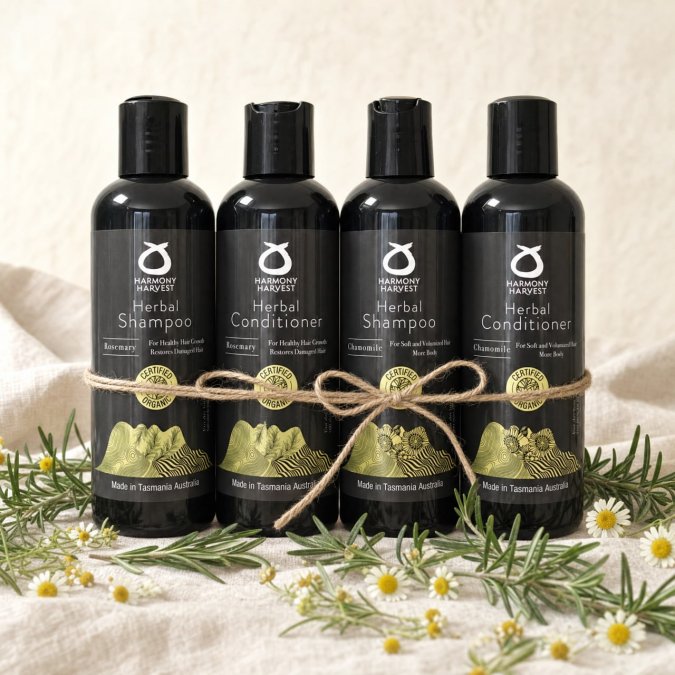
Are ACO Certified Hair Products Safer for Children?
Are ACO certified hair products safer for children? Learn how ACO and COSMOS certification work, what to avoid, and how to read labels. Discover more.
Read more