

How to Prevent Hair Thinning Naturally at Home
Table of Contents
- Why Your Hair Thins and What You Can Control
- How to Improve Scalp Health Naturally
- Scalp Massage for Hair Thinning: A Simple Daily Ritual
- Foods to Prevent Hair Loss and Support Growth
- Everyday Habits That Protect Your Hair Shaft
- When to See a Professional About Thinning Hair
- Your Gentle Path to Healthier Hair
- Frequently Asked Questions
Last Updated: September 7, 2026
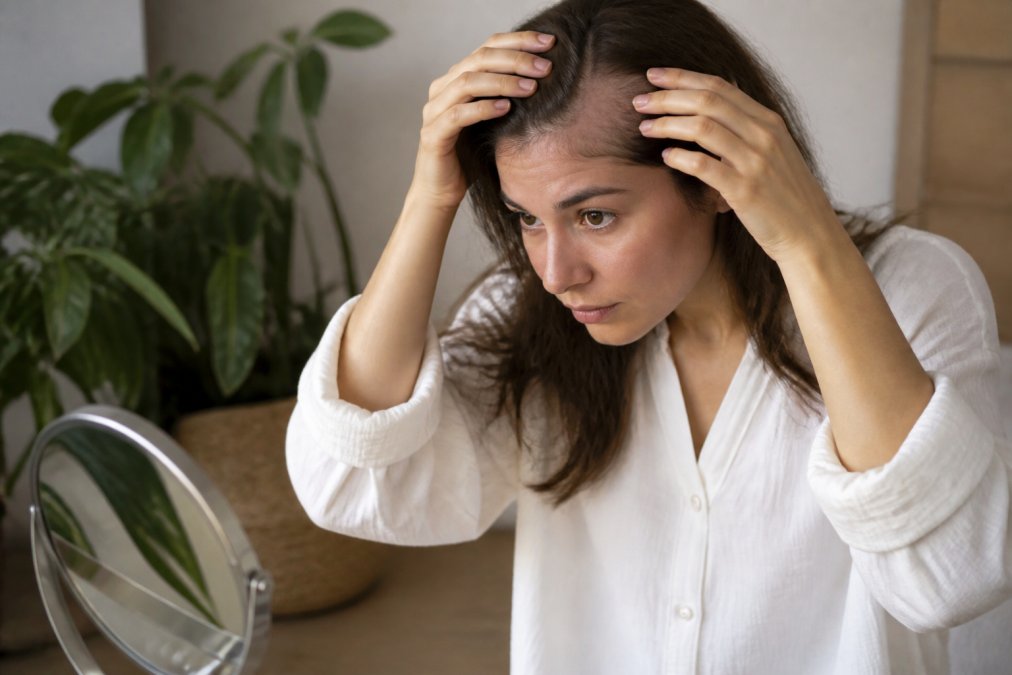
Noticing more hair in your brush or shower drain can feel unsettling, but understanding how to prevent hair thinning naturally at home starts with one reassuring truth: much of what affects your hair is within your control. Hair thinning is the gradual reduction in hair density or diameter, often driven by factors like stress, nutrient gaps, and scalp health, rather than a single irreversible cause. We believe in a gentle, whole-body approach that nurtures both your scalp and your overall wellbeing. Below, we'll walk you through practical, natural strategies, from scalp massage and essential oils to the foods that feed your follicles, so you can support healthier, fuller-looking hair from your own bathroom.
Why Your Hair Thins and What You Can Control
Your hair grows in cycles, and most thinning happens when that cycle is disrupted. The three phases are the anagen phase (growth), the catagen phase (transition), and the telogen phase (resting and shedding). When stress, hormonal shifts, or nutrient deficiencies push more hairs into the telogen phase at once, you notice increased hair shedding a few months later (peer-reviewed research).
The good news is that many contributors to hair thinning respond well to lifestyle changes. Scalp circulation, follicle stimulation, and consistent nourishment all play a role in keeping hair in its growth phase longer. While genetics influence conditions like androgenetic alopecia, everyday factors such as diet, stress management, and how you treat your hair are areas where you have real influence.
Hormonal vs. Seasonal Shedding: Know the Difference
Not all shedding is the same, and recognising the type helps you respond appropriately. Hormonal shedding, such as telogen effluvium, often follows a major life event like childbirth, illness, or significant stress, and typically appears two to three months later. Seasonal shedding, by contrast, is a normal response to changing daylight and temperature, and many people notice slightly more hair fall in late autumn.
If your shedding follows a seasonal pattern each year and resolves on its own, it's usually nothing to worry about. If it persists beyond a few months or comes with noticeable patches, that points to a deeper cause worth investigating with a professional.
How to Improve Scalp Health Naturally
Scalp health is the foundation of hair growth, and it's often overlooked. A healthy scalp supports the hair shaft and follicle, while scalp inflammation, excess sebum production, or a dry, irritated environment can hinder growth. The goal is a balanced, clean, and well-nourished scalp that allows follicles to thrive.
Cleanse Gently Without Stripping Natural Oils
A common mistake is over-washing or using harsh shampoos that strip the scalp of its protective oils. Choose a gentle, sulphate-free cleanser and wash only as often as your scalp needs, which for many people is two to three times a week. Massage the product into the scalp with your fingertips, not your nails, and rinse with lukewarm rather than hot water.
Keep Your Scalp Hydrated and Protected
Just like the skin on your face, your scalp benefits from hydration and protection. A lightweight, plant-based oil or a soothing scalp treatment can help maintain a balanced moisture barrier. Look for products with antioxidants and calming botanicals that support scalp health without heavy residue.
Scalp Massage for Hair Thinning: A Simple Daily Ritual
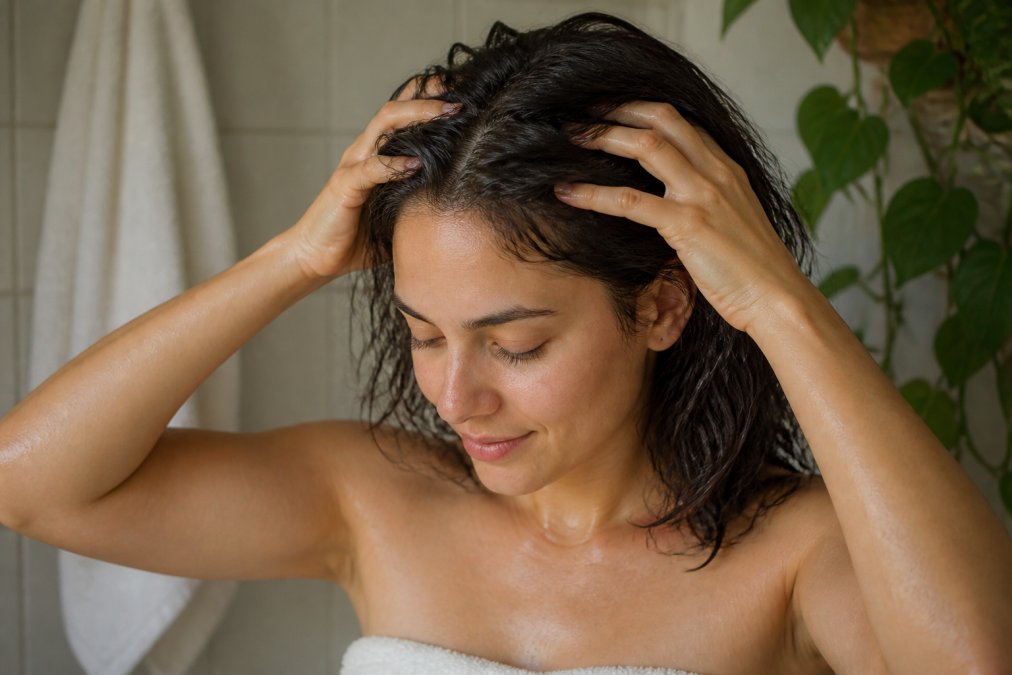
Scalp massage is one of the most accessible and enjoyable ways to support hair growth at home. Beyond the immediate relaxation, regular massage works on a few levels: it improves circulation to the scalp, which helps deliver oxygen and nutrients to the hair follicles, and it may help encourage the dermal papilla cells responsible for driving the hair growth cycle. It also gently stretches the cells around the follicle, which is thought to stimulate hair growth.
Step-by-Step Massage Technique
Aim for five minutes daily, using the pads of your fingers in small, circular motions across your whole scalp. Consistency is more important than intensity; a daily five-minute ritual is more effective than a vigorous session once a week.
- Start at the front hairline. Place your fingertips at your temples and work your way back toward the crown in small, firm circles.
- Use gentle to medium pressure. The goal is to move the skin over your skull, not just rub the surface. You should feel a slight pull, but never pain or discomfort.
- Work in sections. Move from the front hairline to the crown, then down to the nape of your neck, and finally over the sides above your ears. This ensures full coverage.
- Finish with a gentle tug. Once you've covered the whole scalp, take small sections of hair and gently pull them with light tension from root to tip. This motion is thought to stimulate the sensory nerves around the follicle.
For a more structured approach, you can incorporate a technique known as 'effleurage' - long, sweeping strokes from the front to the back of the head - followed by 'petrissage', which involves kneading the scalp with your fingertips. Many practitioners find that combining these methods for a total of 10-15 minutes, three to four times a week, yields the best results for circulation and relaxation.
Boost the Ritual with Essential Oils
Adding essential oils can enhance your massage, but safety comes first. Rosemary oil is well regarded for follicle stimulation and scalp circulation, with some studies suggesting it may be as effective as conventional treatments for certain types of thinning (PubMed). Lavender offers soothing properties, while peppermint provides a refreshing, cooling sensation that can also boost circulation.
A simple, effective blend is 3 drops of rosemary oil and 2 drops of peppermint oil in 10ml of jojoba oil. Warm the oil slightly between your palms before applying it to your scalp, then follow the massage steps above. This ritual not only nourishes the scalp but also transforms your hair care routine into a moment of dedicated self-care, helping to lower stress hormones that can contribute to shedding. natural hair care methods.
Foods to Prevent Hair Loss and Support Growth
What you eat shows up in your hair. Hair is made of protein, so adequate protein intake is essential, and nutrient deficiencies, particularly iron, can contribute to shedding (ods.od.nih.gov). A balanced diet rich in whole foods supports the hair structure from the inside out.
Protein, Iron, and the Nutrients Your Follicles Need
Include lean proteins such as eggs, fish, and legumes at most meals. Iron-rich foods like spinach, lentils, and red meat help prevent deficiency-related shedding, and pairing them with vitamin C improves absorption. Omega-3 fatty acids from fatty fish or flaxseeds support scalp health, while biotin, zinc, and antioxidants from colourful vegetables and fruits contribute to a healthy growth cycle.
| Nutrient | Why It Matters | Food Sources |
|---|---|---|
| Protein | Builds the hair shaft | Eggs, fish, legumes |
| Iron | Prevents deficiency-related shedding | Spinach, lentils, red meat |
| Omega-3 fatty acids | Supports scalp health | Salmon, flaxseeds, walnuts |
| Biotin and zinc | Supports the growth cycle | Nuts, seeds, whole grains |
If you suspect a deficiency, a blood test with your GP is the most reliable way to know what your body needs rather than guessing with supplements.
Everyday Habits That Protect Your Hair Shaft
Your daily styling habits either protect or damage your hair. The hair shaft is most vulnerable when wet, and rough handling, tight styles, and excessive heat can cause breakage that mimics thinning. Beyond these basics, two areas are often overlooked: the role of your gut in nutrient absorption, and how to maintain your results once you start seeing improvements.
Gentle Styling and Heat Protection
Treat wet hair with care. After washing, gently squeeze out excess water with a microfibre towel or an old cotton t-shirt instead of rubbing vigorously. Use a wide-tooth comb to detangle, starting at the ends and working your way up to the roots. Avoid tight ponytails, buns, and braids that pull on the follicle, and give your hair regular breaks from heat styling. When you do use heat, apply a protective product and keep the temperature on a medium setting to minimise damage to the hair cuticle.
The Gut-Scalp Connection: Supporting Absorption from Within
A thriving gut is the foundation for absorbing the nutrients your hair needs to grow. Even a perfect diet won't help your follicles if your digestive system isn't efficiently extracting and delivering those nutrients to your bloodstream. A diet rich in fibre, fermented foods, and prebiotics supports a diverse microbiome, which is essential for producing biotin and other B vitamins that are crucial for hair health.
Incorporate foods like yoghurt, kefir, sauerkraut, and asparagus into your weekly meals. These help maintain a healthy gut lining and promote the growth of beneficial bacteria. If you're considering a probiotic supplement, discuss it with your GP or a qualified healthcare practitioner to find one suited to your needs. This holistic 'root cause' approach ensures that the nourishing foods you eat are actually working for your hair.
Managing Stress for a Healthier Growth Cycle
Stress is a known contributor to hair shedding, and chronic stress can keep the body in a state that disrupts the growth cycle. Practices such as regular movement, adequate sleep, and mindfulness help regulate stress hormones. Even a daily scalp massage doubles as a calming ritual, connecting your hair care to your overall wellbeing.
Maintaining Your Results: A Long-Term Rhythm
Once you've established a natural hair care routine and start to see improvements, the key is consistency and gentle observation. Hair grows slowly, so it can take three to six months to see the full effect of any new habit. To maintain your results, keep a simple journal to track what you're doing and how your hair responds. This helps you identify what works best for you and notice any changes early.
As the seasons change, so might your hair's needs. You may find your scalp is drier in winter or oilier in summer, and you can adjust your cleansing and moisturising routine accordingly. The goal is to build a sustainable, kind routine that you can maintain for the long term, not a short-term fix. This ongoing, attentive approach is what truly makes the difference between temporary improvements and lasting hair health.
When to See a Professional About Thinning Hair
While natural approaches help many people, some situations warrant professional advice. If you notice sudden, patchy hair loss, persistent shedding beyond a few months, or thinning that follows a distinct pattern, consult your GP or a dermatologist. They can assess for underlying conditions such as androgenetic alopecia, thyroid issues, or nutrient deficiencies, and discuss options like topical treatments, low-level laser therapy, or prescription medications such as minoxidil. Early intervention often leads to better outcomes, so there's no benefit in waiting.
Your Gentle Path to Healthier Hair
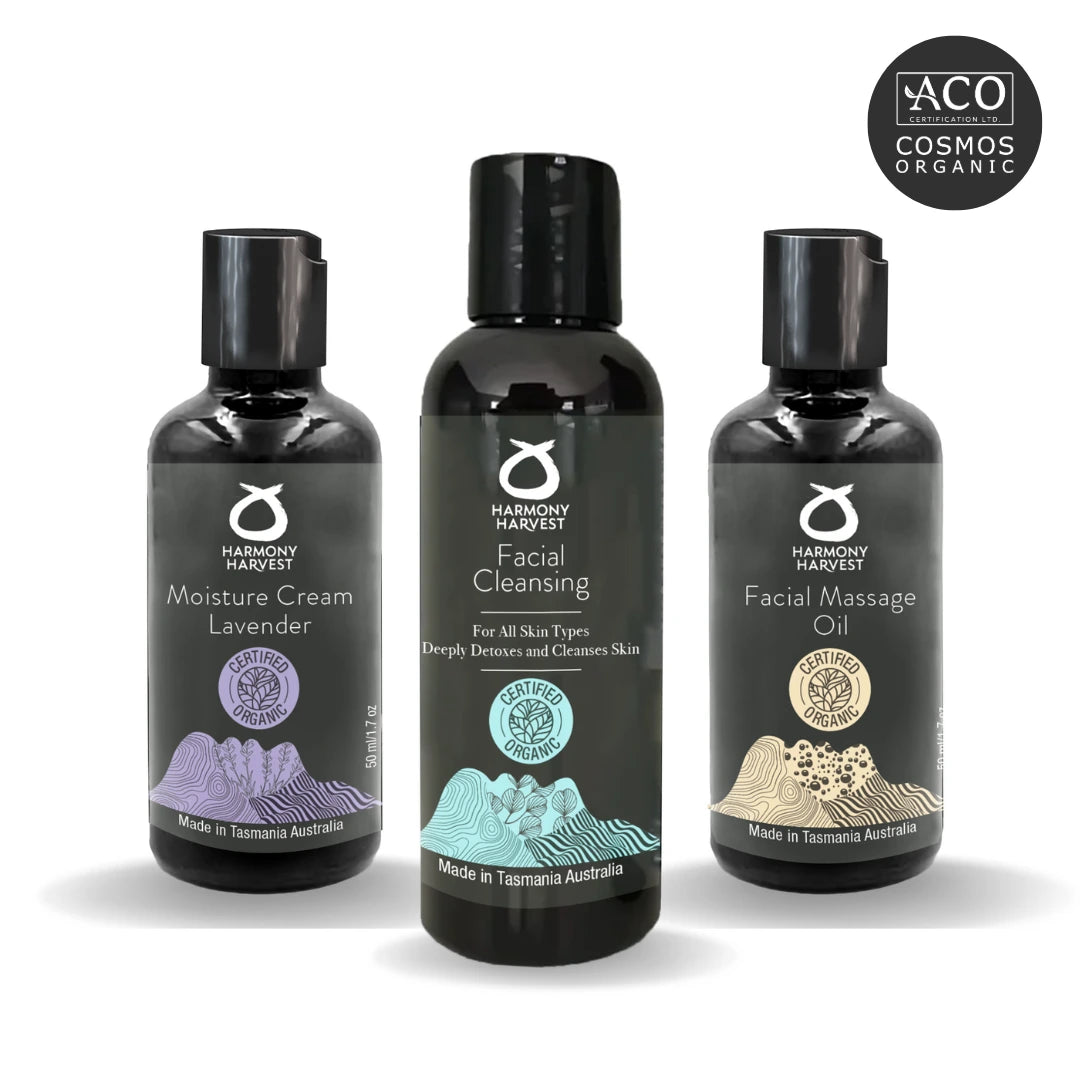
Preventing hair thinning naturally is less about a single miracle product and more about consistent, kind daily habits. A healthy scalp, nourishing foods, gentle styling, and stress management all work together to support your hair's natural growth cycle. If you're looking to extend this same philosophy to your hair care routine, explore the Harmony Harvest Hair Care collection, formulated with COSMOS-certified organic, vegan ingredients and pure Australian botanicals to cleanse and nurture your scalp without harsh chemicals. Our range is also cruelty-free, so you can care for your hair with a clear conscience.
Frequently Asked Questions
How do I stop my hair from thinning naturally?
Start by addressing the most common causes: improve scalp circulation with daily massage, eat enough protein and iron-rich foods, and reduce heat styling. Consistent scalp care supports the follicle environment, while a balanced diet provides the building blocks for strong hair. Focus on these fundamentals for at least three months, as the hair growth cycle takes time to show visible results.
Can thinning hair grow back with natural treatments?
Yes, when thinning is related to temporary shedding, stress, or nutrient gaps, natural methods can support regrowth. Scalp massage, a nutrient-dense diet, and gentle cleansing create the right conditions for follicles to recover. Consistency matters more than intensity. If you notice sudden or patchy loss, or thinning that continues for over six months, consult a GP or dermatologist to rule out underlying conditions.
What are the best foods to prevent hair loss?
Prioritise protein-rich foods like eggs, legumes, and fish, as hair is mostly protein. Iron from spinach and red meat, zinc from pumpkin seeds, and omega-3 fatty acids from salmon support follicle function. Vitamin C from citrus helps with iron absorption. Eating a varied diet with these nutrients gives your hair the raw materials it needs to grow thick and strong.
How often should I massage my scalp for hair thinning?
A daily scalp massage of five minutes is ideal. Use your fingertips in small circles across the whole scalp, applying gentle to medium pressure. For best results, do it before washing your hair or in the evening when you are relaxed. Adding a few drops of diluted rosemary oil can further support circulation, but always patch test first to check for sensitivity.
Thinning hair can feel personal and worrying, but you have more influence than you might think. By pairing a nutrient-rich diet, a daily scalp massage, and a gentle, certified-organic hair care ritual, you create the conditions for healthier growth. Discover the full range of COSMOS-certified organic, vegan, and cruelty-free products at Harmony Harvest, and give your hair the nurturing it deserves.
Best Sellers

Read more
Organic Shampoo Australia: A 2026 Guide to Clean Hair
Find the best organic shampoo in Australia for 2026. Explore the benefits of sulphate-free shampoo and how to transition to organic hair care. Discover.
Read more
Best Organic Shampoo Guide: How to Choose for Your Hair
Discover the best organic shampoo for your hair type. Learn benefits, key ingredients, and how to choose a COSMOS-certified formula that supports scalp.
Read more