

Organic Shampoo Australia: A 2026 Guide to Clean Hair
Table of Contents
- Why Your Scalp Deserves an Organic Shampoo
- What Makes a Shampoo Genuinely Organic?
- The Benefits of Sulphate-Free Shampoo for Australian Hair
- How to Transition to Organic Hair Care Without the Awkward Phase
- Our Top Picks: Certified Organic Shampoos Available in Australia
- Choosing the Right Organic Shampoo for Your Hair Type
- Your Next Step to Healthier Hair
- Frequently Asked Questions
Last Updated: September 6, 2026
If you are reading this, you have probably stood in the aisle wondering whether the "natural" shampoo you are holding is actually better for your hair, or just better marketed. Choosing an organic shampoo in Australia can feel overwhelming, but the shift toward plant-based ingredients is more than a trend; it is a response to how synthetic detergents affect our scalp over time. At Harmony Harvest, we believe that genuine care starts with understanding what you put on your hair, which is why we have created this guide to help you make an informed choice for cleaner, healthier hair.
Why Your Scalp Deserves an Organic Shampoo
Your scalp is living skin, and it deserves the same respect as the skin on your face. Many conventional shampoos rely on harsh sulphates to create that foamy lather, but these can strip away natural oils, leaving your scalp dry and your hair brittle. An organic shampoo cleanses gently while supporting the natural barrier that keeps moisture locked in and irritation out.
The scalp has its own microbiome, a delicate ecosystem that thrives when balanced. Harsh detergents can disrupt this balance, leading to flakiness, itchiness, or excess oil production as your scalp tries to compensate. By choosing certified organic formulas, you are supporting scalp health rather than working against it, which is the foundation for hair vitality and growth.
What Makes a Shampoo Genuinely Organic?
The word "organic" gets thrown around loosely, so it pays to look for the certification behind the label. A genuinely organic shampoo carries third-party certification, such as COSMOS-certified organic, which verifies that the plant-based ingredients are grown without synthetic pesticides and that the final product meets strict environmental and ethical standards. This is your guarantee against greenwashing.
Certified formulas prioritise botanical actives like aloe vera, chamomile, and calendula, which nourish the hair follicle and soothe the scalp. They also avoid the usual suspects: synthetic fragrance, parabens, silicones, and artificial colours. When you see a certification mark, you know the product has been checked by an independent body, not just stamped with a marketing buzzword. Australian-made options in particular often draw on native botanicals known for their restorative properties.
The Benefits of Sulphate-Free Shampoo for Australian Hair
Australian conditions are tough on hair. Between harsh sun, salt water, chlorine, and dry winds, your strands take a beating, and reaching for a sulphate-heavy cleanser only adds to the stress. Sulphate-free shampoo preserves your hair's natural moisture and helps maintain a healthy scalp environment, which is essential in our climate.
Sulphates like sodium lauryl sulphate (SLS) and sodium laureth sulphate (SLES) are effective at removing oil, but they are also effective at removing everything else, including the protective lipid layer that keeps hair smooth. This is why many people find their hair feels softer and looks shinier after switching to a sulphate-free formula. The gentler cleansing agents in organic shampoos, often derived from coconut or glucose, lift away dirt and product build-up without leaving your hair feeling stripped or squeaky.
For those with colour-treated or chemically processed hair, going sulphate-free is particularly beneficial. Harsh detergents are a leading culprit behind fading colour and increased porosity. A gentle, plant-based cleanser helps preserve your colour investment while keeping the hair cuticle smooth and less prone to damage.
The Environmental Ripple Effect of Your Shampoo Choice
Beyond your hair, the choice between a conventional and an organic shampoo carries a significant environmental footprint, one that few guides quantify. Here is where the decision gets interesting for eco-conscious Australians.
Water savings. Conventional shampoos rely on synthetic detergents that require more water to rinse away completely. Because organic, sulphate-free formulas cleanse without leaving a detergent residue, most people find they need less water to rinse. Over a year of daily washing, this can save thousands of litres per household. When you consider that Australia is the driest inhabited continent, every litre counts.
Plastic reduction. The global hair care industry produces billions of plastic bottles annually, most of which are not recycled (unep.org). Many Australian organic brands, including Harmony Harvest, are moving toward glass bottles or post-consumer recycled (PCR) plastic. Glass is infinitely recyclable, and choosing a brand that prioritises packaging materials with a lower environmental impact directly reduces the volume of single-use plastic entering our waste stream.
Biodegradability. Synthetic detergents and artificial fragrances in conventional shampoos do not fully break down in wastewater treatment (the EPA). They can end up in our waterways, affecting aquatic life. Certified organic shampoos use plant-based surfactants and essential oils that are biodegradable, meaning they break down naturally without leaving harmful residues. This is a tangible way your morning shower supports healthier creeks, rivers, and reefs.
How to Transition to Organic Hair Care Without the Awkward Phase
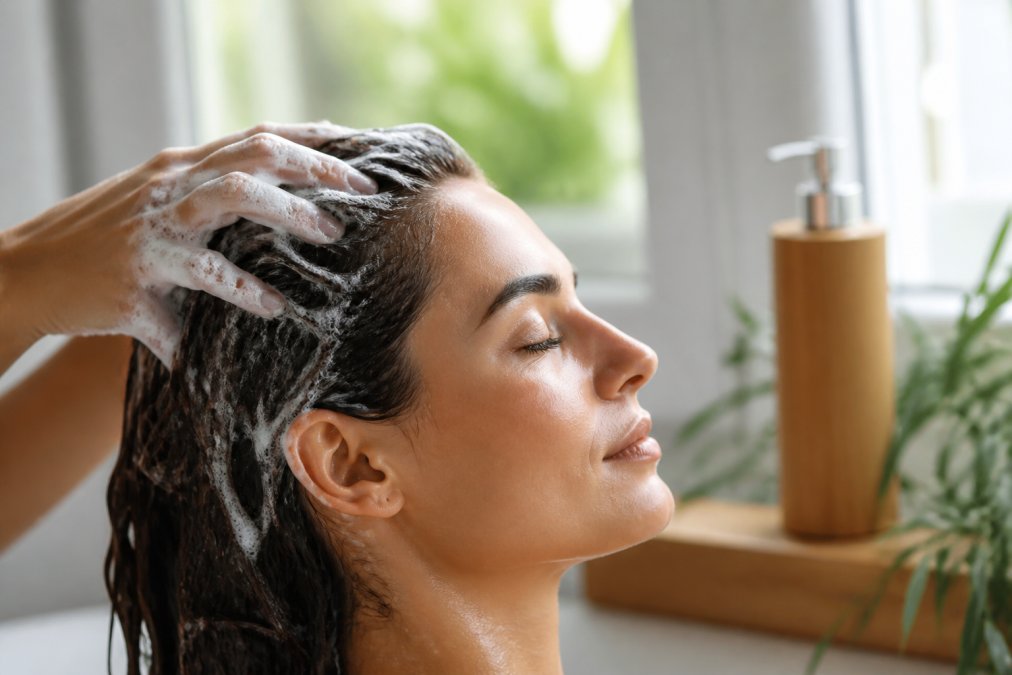
Many people try an organic shampoo, hate how their hair feels for the first two weeks, and give up. This is the transition period, and it is completely normal. Your hair and scalp need time to adjust when you stop stripping away natural oils with harsh detergents.
During the first few weeks, your scalp may overproduce oil as it recalibrates, and your hair may feel heavier or less "squeaky clean" than you are used to. This is a sign the natural sebum regulation is kicking back in, not that the shampoo is failing. Be patient and consider washing slightly less frequently during this adjustment window.
To ease the transition, try these practical steps:
- Alternate your new organic shampoo with your regular one for the first week
- Focus the lather on the scalp and let the suds rinse through the lengths
- Follow with a light conditioner on the mid-lengths and ends only
- Brush gently to distribute natural oils from root to tip
- Give it a full month before judging the results
Our Top Picks: Certified Organic Shampoos Available in Australia
The Australian market now offers a solid range of certified organic shampoos, and the choice comes down to your hair's specific needs. For most people, the best organic shampoo is one that matches your hair type and addresses your primary concern, whether that is volume, repair, or scalp comfort. conscious consumer guide.
| Shampoo | Best For | Key Feature | Price Guide |
|---|---|---|---|
| Ausganica Flake Waiver | Sensitive, flaky scalps | Certified organic therapeutic formula | Around $35 |
| Innersense Pure Harmony | Fine to medium hair | Sulphate-free with pumpkin seed oil | Around $48 |
| Rahua Voluminous | Fine, flat hair | Amazonian oils for body and lift | Around $62 |
| Ausganica Hair Detox | Product build-up | Deep-cleansing botanical extracts | Around $35 |
| LolaVie Restorative | Damaged, treated hair | Silicone-free repair focus | Around $31 |
| Ursa Major Go Easy | Daily use, all types | Mild non-stripping formula | Around $53 |
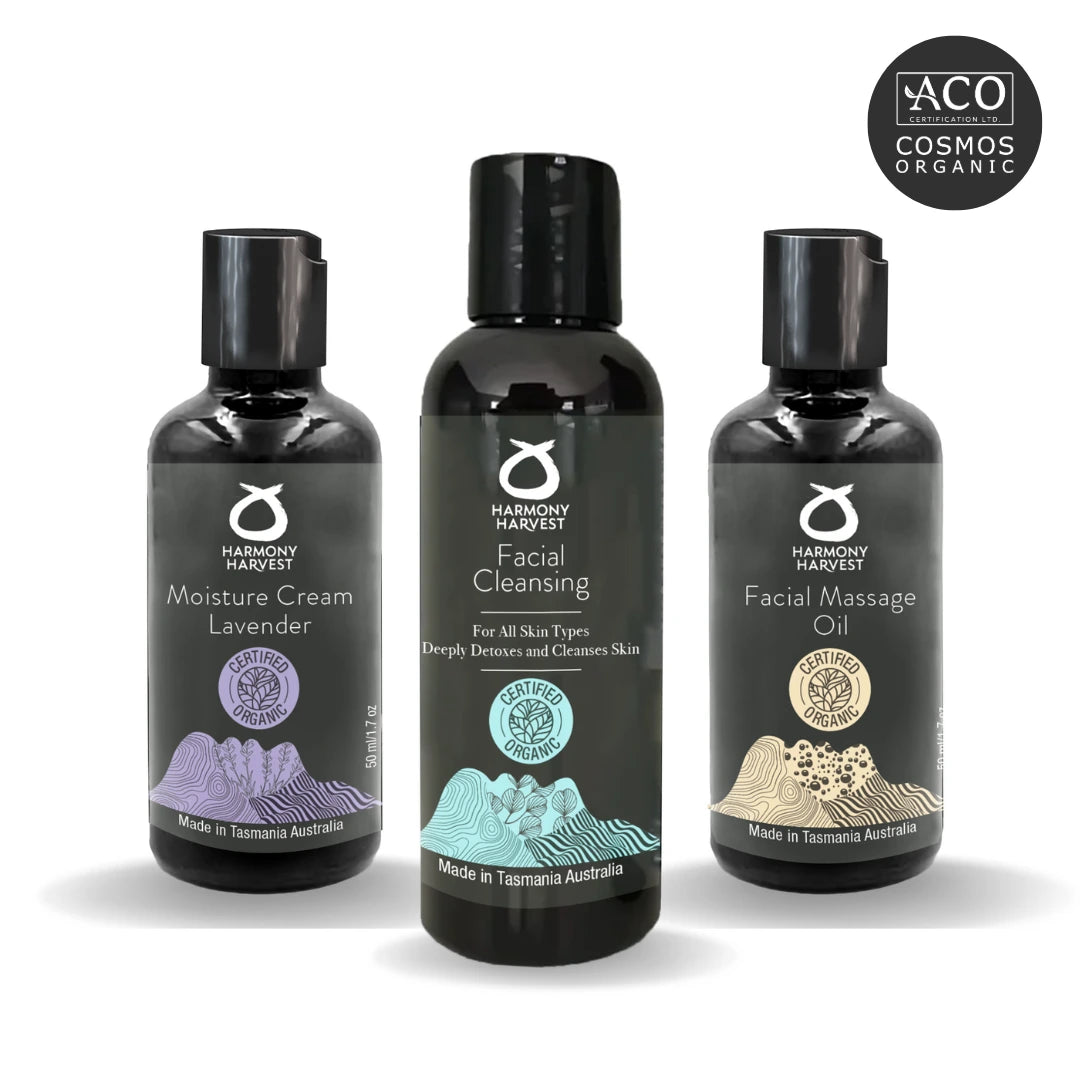
Our top pick for most hair types is the Harmony Harvest range, which is fully COSMOS-certified organic and vegan, crafted with pure Australian botanicals. These formulas cleanse gently without synthetic detergents, making them suitable for the whole family, including sensitive scalps. Pricing for our range depends on the specific product and size, so we recommend checking our website for current prices and details.
Choosing the Right Organic Shampoo for Your Hair Type
Hair type matters more than brand loyalty when it comes to finding your perfect match. Fine hair needs lightweight, volumising formulas that won't weigh it down, while thick or curly hair craves richer emollients like shea butter and plant oils to keep it defined and moisturised.
For a dry, itchy scalp, look for certified organic shampoos containing soothing botanicals such as chamomile, calendula, or tea tree oil, which help calm irritation without stripping. Oily scalps benefit from clarifying formulas with ingredients like citrus or witch hazel, which help regulate sebum production without harsh detergents. If your main concern is damage or breakage, prioritise protein-rich ingredients and silicone-free formulas that support hair cuticle repair over time.
A Deeper Look: Botanical Extracts for Sensitive and Troubled Scalps
Most guides stop at 'itchy scalp' and move on. But if you live with a diagnosed condition like eczema or psoriasis, you know the difference between a mild itch and a flare-up that disrupts your sleep. Here is where specific botanical extracts can make a genuine difference, and where certified organic formulas shine, because they omit the synthetic fragrances and preservatives that often trigger reactions.
Calendula (Calendula officinalis). This gentle flower extract has a long history of use in soothing inflamed skin. For eczema-prone scalps, calendula's anti-inflammatory properties can help reduce redness and flaking without the side effects associated with topical steroids. Look for it as a key ingredient in a shampoo base that also features aloe vera for added moisture.
Chamomile (Matricaria recutita). Beyond its calming scent, chamomile contains bisabolol and chamazulene, compounds known for their anti-inflammatory and antioxidant activity. For a scalp that feels hot, tight, or irritated, chamomile can help bring down the heat. It is also gentle enough for children, making it a common choice in family-friendly organic formulas.
Tea tree (Melaleuca alternifolia). This Australian native is one of the most well-researched botanicals for scalp health. Its antimicrobial properties make it particularly useful for flaky, itchy scalps that may involve a fungal component, such as seborrhoeic dermatitis (peer-reviewed research). However, tea tree oil is potent, it should always be formulated at a safe, therapeutic dilution within a shampoo base, never applied neat to the scalp.
Oat extract (Avena sativa). Colloidal oatmeal is a recognised skin protectant, and oat extract in a shampoo offers similar benefits for the scalp. It helps to restore the skin barrier and lock in moisture, which is crucial for psoriasis-prone skin that tends to be dry and compromised. An organic shampoo with oat extract can provide relief without the heaviness of a leave-on treatment.
Liquorice root (Glycyrrhiza glabra). Less common but highly effective, liquorice root extract contains glabridin, which has been shown to help calm skin inflammation and reduce the appearance of redness. For those who find even chamomile too fragrant, liquorice root offers a neutral, effective alternative.
Matching the Ingredient to the Concern
| Scalp Concern | Look For | Why It Helps |
|---|---|---|
| Eczema-prone, dry, flaky | Calendula, oat extract, aloe vera | Soothes inflammation, restores moisture barrier |
| Psoriasis-prone, thick plaques | Liquorice root, chamomile, shea butter | Calms redness, softens scales, reduces irritation |
| Seborrhoeic dermatitis, oily flakes | Tea tree, witch hazel, citrus | Balances oil, addresses microbial overgrowth |
| Sensitive, easily irritated | Chamomile, calendula, fragrance-free formulas | Minimises triggers, reduces reactivity |
For the whole family, including those with delicate or reactive skin, Harmony Harvest formulates its hair care range with COSMOS-certified organic and vegan ingredients, prioritising these gentle yet effective botanicals in every bottle.
Your Next Step to Healthier Hair
Making the switch to organic hair care is a decision your scalp will thank you for, and the transition period is a small price to pay for long-term hair health. By choosing certified organic products, you are also supporting sustainable farming practices and reducing your environmental impact, which is a win for you and the planet.
At Harmony Harvest, our hair care range is formulated with the same care as our skincare, using COSMOS-certified organic, vegan ingredients that are gentle enough for the whole family. We invite you to explore our Hair Care collection and discover the difference that pure Australian botanicals can make for your hair, knowing that every product is certified organic, vegan, and cruelty-free.
Frequently Asked Questions
What should I look for in a COSMOS-certified organic shampoo?
Look for the COSMOS-certified logo on the bottle, which ensures the product meets strict standards for organic ingredients and sustainable production. Check that it is free from sulphates, parabens, silicones, and synthetic fragrances. A certified organic shampoo will list plant-based ingredients like aloe vera and botanical oils near the top of the ingredient list. This certification is your guarantee against greenwashing.
Are organic shampoos better for sensitive scalps?
Yes, they often are. Organic shampoos avoid harsh synthetic detergents like sulphates, which can strip natural oils and irritate sensitive skin. Instead, they use gentle, plant-based cleansers that maintain the scalp's natural pH balance. If you have conditions like eczema or flakiness, the absence of synthetic fragrance and harsh chemicals can make a significant difference in reducing irritation and supporting overall scalp health.
How long does the transition to organic hair care take?
Expect a transition period of 2 to 4 weeks. Your hair and scalp are used to producing oil to compensate for the harsh stripping action of conventional shampoos. When you switch to a gentler, sulphate-free formula, your scalp needs time to rebalance its natural sebum production. During this time, your hair may feel heavier or greasier than usual. Be patient and consider a gentle clarifying wash to help with the process.
Do organic shampoos foam as well as conventional ones?
No, they produce a different, less foamy lather. Conventional shampoos use sulphates like SLS to create that thick, rich foam. Organic and sulphate-free shampoos rely on plant-derived surfactants, which produce a softer, creamier lather. This is a sign the product is gentler on your hair and scalp. Focus on massaging the product into your scalp rather than expecting a heavy foam.
Best Sellers
Read more
Organic Shampoo: Why Natural Hair Care Matters
Discover why organic shampoo transforms hair health. Learn which ingredients to avoid, how to transition naturally, and find COSMOS-certified options.
Read more
How to Prevent Hair Thinning Naturally at Home
Discover how to prevent hair thinning naturally at home with scalp massage, hair-friendly foods, and simple daily habits. Start your gentle hair care.
Read more