


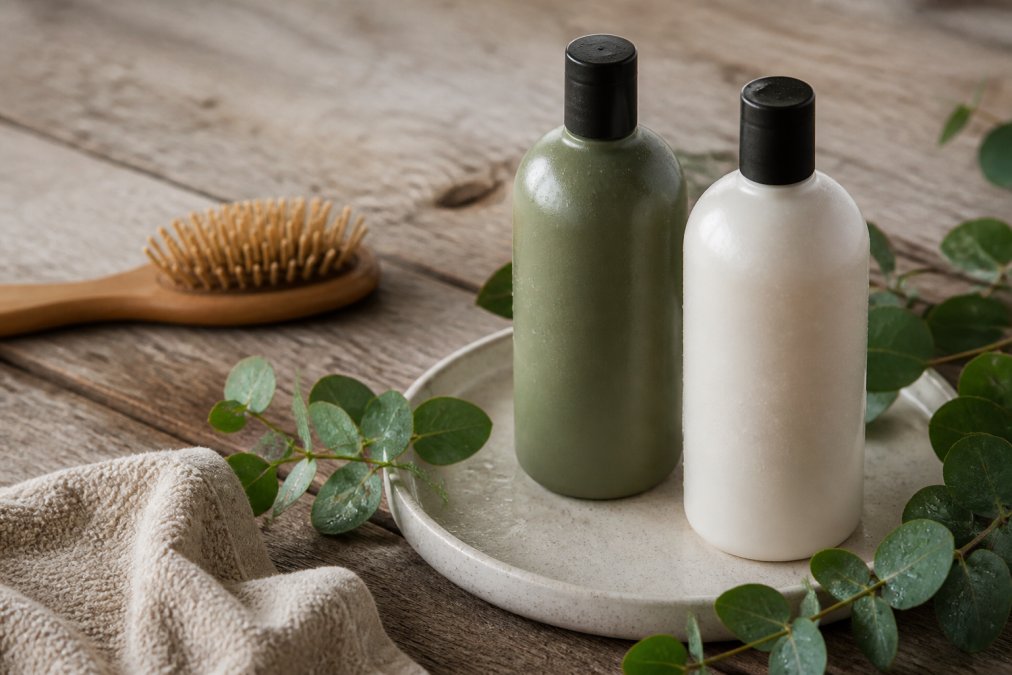
Organic Shampoo: Why Natural Hair Care Matters
Table of Contents
- What Makes Organic Shampoo Different
- Ingredients to Avoid in Shampoo
- Essential Ingredients to Look For
- How to Transition to Natural Shampoo
- Organic Shampoo for Every Hair Type
- Scalp Health and the Shift to Plant-Based Formulas
- Making the Switch: What to Expect
- Frequently Asked Questions
Last Updated: September 1, 2026
What Makes Organic Shampoo Different
Organic shampoo fundamentally changes how your hair is cleaned by replacing harsh synthetic detergents with plant-based cleansers that work with your scalp's natural chemistry rather than against it.
Conventional shampoos rely on sulphates (typically sodium lauryl sulphate or sodium laureth sulphate) to strip away oil, triggering a rebound effect: your scalp overproduces sebum to compensate, leaving you dependent on daily washing. Organic shampoo skips sulphates entirely, using natural surfactants derived from coconut oil or sugar instead. These cleanse effectively without aggressive stripping, allowing your scalp to stabilise so you wash less frequently.
The second major difference is what's not in organic shampoo. Conventional formulas often contain parabens (preservatives linked to endocrine disruption concerns), silicones (which build up over time), synthetic fragrances (which can trigger sensitivity), and other synthetic chemicals designed for shelf stability and cost reduction. Organic shampoo eliminates these entirely, relying instead on essential oils, botanical extracts, and natural preservatives.
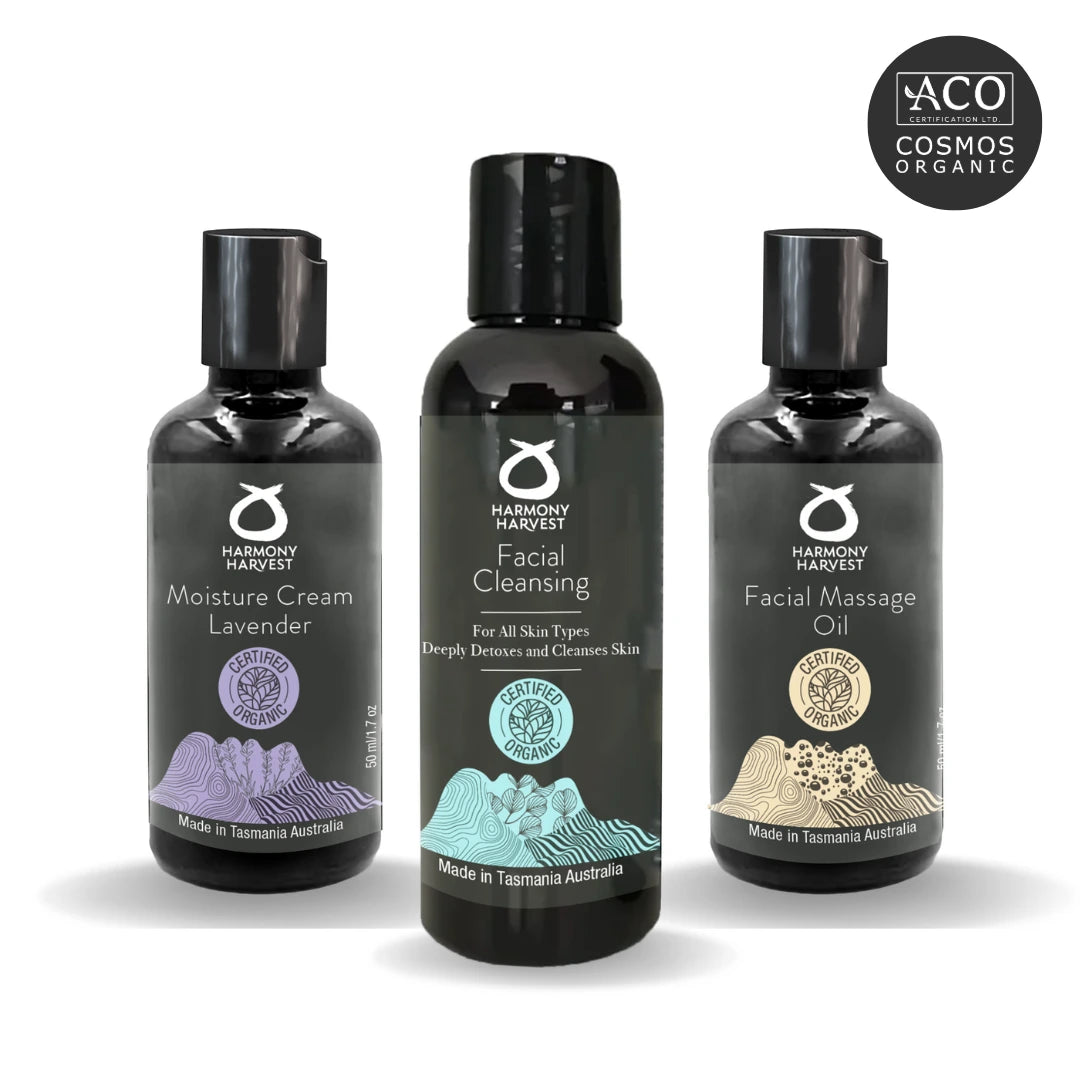
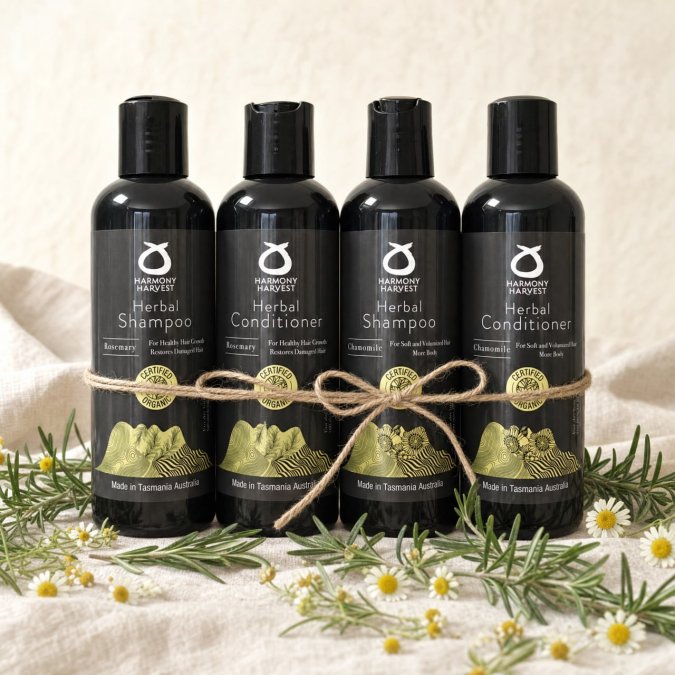
At Harmony Harvest, we've formulated our COSMOS-certified organic shampoos to work with your hair's natural biology. No sulphates, no synthetic detergents, no compromise on cleansing power.
Ingredients to Avoid in Shampoo
Understanding what to eliminate is often more important than knowing what to add.
Sulphates create abundant lather, which consumers associate with cleansing power, but they disrupt your scalp's lipid barrier. Your scalp responds by overproducing sebum, creating dependency on frequent washing. For sensitive scalps or eczema-prone skin, sulphates are particularly problematic.
Parabens (methylparaben, propylparaben, butylparaben) are synthetic preservatives that extend shelf life. Research has raised concerns about their oestrogenic activity and ability to mimic oestrogen in the body (peer-reviewed research). Many consumers prefer to avoid them, particularly those with hormone-sensitive conditions.
Silicones (dimethicone, cyclopentasiloxane) coat the hair shaft temporarily but accumulate over time, weighing hair down and dulling it. Natural alternatives like plant oils provide similar slip without accumulation.
Synthetic fragrances are catch-all terms for hundreds of undisclosed chemicals. Fragrance is one of the most common contact allergens. If you have unexplained scalp irritation, synthetic fragrance is often the culprit.
Phthalates are plasticisers used in fragrances to make scent last longer. They're endocrine disruptors and banned in the EU but still appear in some products elsewhere.
Formaldehyde and formaldehyde releasers (DMDM hydantoin, imidazolidinyl urea) are preservatives that slowly release formaldehyde to prevent bacterial growth. Formaldehyde is a known carcinogen with no reason to expose your scalp to it (the CDC).
If you can't pronounce an ingredient and don't know what it does, research it. Most synthetic chemicals in shampoo are there for manufacturing convenience, not for your hair's benefit.
Essential Ingredients to Look For
The best organic shampoos share a core set of plant-based ingredients that deliver cleansing, nourishment, and scalp health.
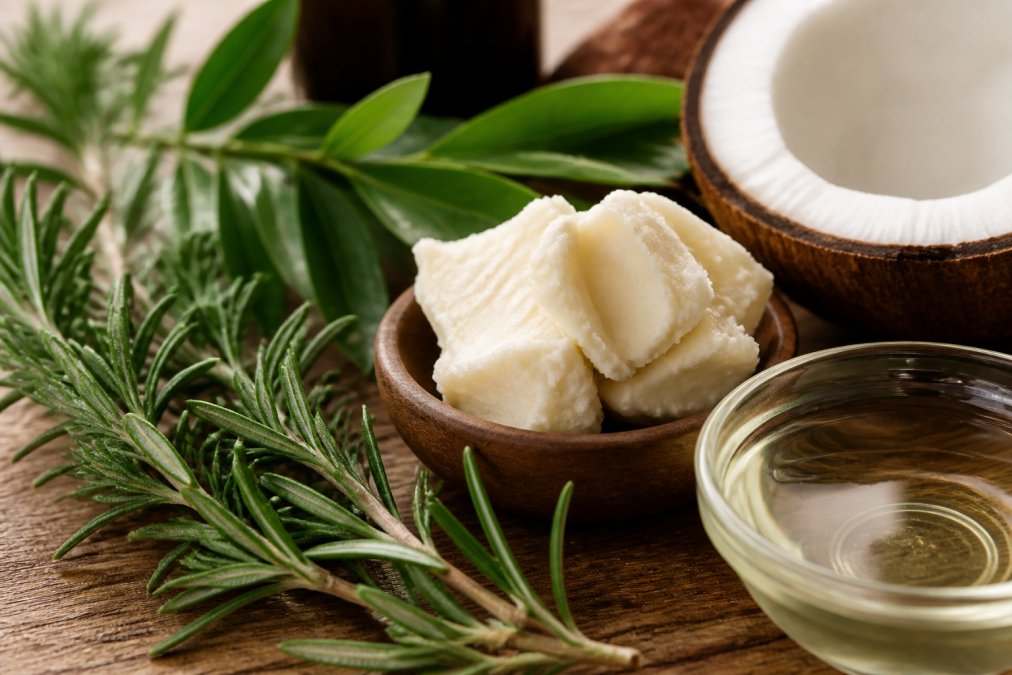
Natural surfactants are the foundation. Sodium cocoyl isethionate (derived from coconut) and decyl glucoside (derived from sugar) are plant-based cleansers that remove oil without stripping. Look for these specifically as a sign of a formula engineered for actual performance.
Essential oils provide natural fragrance and therapeutic benefits. Tea tree oil is antimicrobial and helps balance scalp microbiome. Peppermint increases circulation and soothes irritation. Rosemary stimulates hair follicles and improves scalp health. Lavender is calming and anti-inflammatory.
Botanical extracts like sage, nettle, and horsetail contain silica and minerals that strengthen hair and improve texture. Green tea is rich in antioxidants and helps regulate sebum. Witch hazel is astringent without being drying.
Proteins and amino acids repair damaged hair structure. Plant-based options like wheat protein and pea protein coat the hair shaft and fill microscopic gaps, improving elasticity and reducing breakage without silicone accumulation.
Oils and butters provide genuine hydration. Coconut oil penetrates the hair shaft. Shea butter seals the cuticle. Argan oil adds shine and reduces frizz. Jojoba oil mimics the scalp's natural sebum and helps balance oil production.
pH balance matters significantly. Hair's natural pH is 4.5-5.5 (acidic) (the American Academy of Dermatology). Quality organic shampoos maintain this range, keeping cuticles closed and hair smooth. Conventional shampoos often run 6-8 (neutral to alkaline), which opens the hair cuticle and causes frizz and damage.
When reading ingredient lists, prioritise products where plant-based cleansers and botanical extracts appear in the first five ingredients.
How to Transition to Natural Shampoo
Switching to organic shampoo creates a transition period that catches most people off guard. Understanding what's happening is the difference between success and giving up after two weeks.

The first two weeks are deceptive. Your hair may feel greasier than usual. This isn't because organic shampoo doesn't clean; it's because your scalp is still operating under the old paradigm. For months or years, conventional sulphate shampoo stripped your scalp aggressively, triggering compensatory sebum overproduction. Your scalp doesn't yet know it's safe to dial back oil production.
During this phase, resist the urge to wash more frequently or switch back. Washing more often only perpetuates the cycle. Instead, wash every other day if possible, or every three days if your lifestyle allows. The greasiness will peak around day 10-14, then begin to decline.
Weeks three through six are where the real shift happens. Your scalp recognises that it's no longer being stripped. Oil production begins to normalise. Hair that felt limp or greasy starts to feel balanced. You'll notice texture improvements: hair feels smoother, shinier, less prone to frizz.
By week eight, the transition is essentially complete. Most people find they can extend the time between washes significantly. Where you previously needed to wash every day, you may now comfortably go three to four days between washes.
Practical tips for the transition:
Use a clarifying rinse once during the first week to remove silicone and product buildup from previous shampoos. Apple cider vinegar (one part vinegar to three parts water) works well.
If greasiness becomes unbearable, use dry shampoo sparingly during weeks two and three. Use it minimally; the goal is to let your scalp adjust.
Water temperature matters. Finish your wash with a cool rinse to seal the cuticle and reduce frizz.
Don't judge the shampoo's effectiveness based on lather. Natural shampoos create less foam than conventional ones. Lack of lather doesn't mean lack of cleansing.
Organic Shampoo for Every Hair Type
Organic shampoo isn't one-size-fits-all. The best formula depends on your specific hair needs, scalp condition, and texture.
Fine or thin hair benefits from lightweight formulas that won't weigh strands down. Look for shampoos with natural surfactants but minimal oils or butters. Formulas with bergamot essential oil balance sebum production, which is particularly helpful for fine hair that tends toward oiliness at the roots.
Oily scalp with dry ends requires a balanced approach: clarifying at the scalp without stripping moisture from the lengths. Rosemary and tea tree formulas target sebum regulation, whilst pH-balanced formulas prevent the drying that typically exacerbates the problem. Use a targeted conditioner on the ends.
Curly or wavy hair needs moisture retention and frizz control without silicone buildup. Formulas with wheat protein and organic aloe hydrate curls whilst reducing frizz. Citrus essential oils are invigorating without being drying. Curly hair typically needs less frequent washing, so nourishing formulas support extended wash cycles.
Dry or damaged hair requires intensive moisture and protein. Shea butter and coconut extract provide deep hydration. Natural proteins repair the hair structure. These formulas are richer and work best for hair compromised by heat styling, colouring, or chemical treatments.
Sensitive or irritated scalp demands gentle cleansing without irritants. Sulphate-free formulas with soothing ingredients like milk protein and piroctone olamine balance scalp microflora. These formulas are safe for children and those with eczema, psoriasis, or dermatitis.
Colour-treated hair needs a formula that won't strip colour whilst still cleansing effectively. Vegan formulas with locally sourced botanical extracts are gentle enough for colour-treated hair whilst providing the hydration that colour-processing compromises.
Scalp conditions like dandruff, psoriasis, or eczema require targeted ingredients. Neem oil, karanja oil, and oatmeal calm flaky, itchy scalps. Solid shampoo bars are also zero-waste alternatives.
The common thread: these formulas work with your hair's natural biology rather than against it. The transition period is worth it because the long-term results, healthier scalp, stronger hair, less frequent washing, genuine shine, are sustainable.
Scalp Health and the Shift to Plant-Based Formulas
Your scalp is skin. It has a microbiome. It produces sebum for a reason. Yet conventional shampoo treats it like a surface to be stripped and controlled. Organic shampoo reframes this relationship.
The scalp's microbiome is a delicate ecosystem of bacteria and fungi that maintain balance. Sulphate shampoos disrupt this ecosystem by killing beneficial microbes along with problematic ones. Your scalp responds by overproducing sebum and shifting toward pathogenic bacteria. This is why people with dandruff or scalp irritation often find conventional treatments create dependency.
Plant-based formulas work differently. Natural surfactants cleanse without decimating the microbiome. Essential oils like tea tree and peppermint target problematic organisms without broad-spectrum destruction. Botanical extracts like sage and nettle support the scalp's natural defences. Over time, the microbiome rebalances. Dandruff resolves. Itching stops.
For people with diagnosed scalp conditions like seborrheic dermatitis or psoriasis, plant-based organic shampoos can be transformative. The absence of irritants removes a major trigger. The presence of soothing botanicals supports healing. Many people find they can reduce or eliminate medicated treatments once they've switched to gentle, microbiome-respecting formulas.
The pH balance of organic shampoos also supports scalp health. A slightly acidic pH (4.5-5.5) maintains the scalp's natural protective barrier, preventing transepidermal water loss and keeping irritants out. Conventional shampoos, which often run neutral to alkaline, compromise this barrier, leading to dryness, irritation, and sensitivity.
Making the Switch: What to Expect
Committing to organic shampoo is a genuine shift in how you approach hair care. Understanding the realistic timeline sets you up for success.
Immediate changes (first wash): Your hair will feel different. If you're coming from silicone-heavy conventional shampoos, you may notice less slip and shine. This isn't a sign the product is inferior; it's a sign you're no longer coated in plastic.
Week one: Greasiness appears. Your scalp hasn't yet adjusted to gentler cleansing. Resist the urge to wash more frequently.
Weeks two through four: The transition period peaks. Hair may feel limp or greasy. This is normal. Your scalp is rebalancing. Stick with it.
Weeks five through eight: Visible improvement begins. Greasiness decreases. Hair texture improves. Scalp irritation (if present) begins to resolve.
Beyond eight weeks: The real benefits emerge. You're washing less frequently. Your scalp is balanced. Your hair is stronger and healthier because it's no longer being chemically compromised.
Realistic expectations: Organic shampoo won't give you a dramatically different hair type. What it will do is optimise your hair's natural potential. Fine hair will have more body and shine. Curly hair will have better definition and less frizz. Dry hair will be genuinely hydrated rather than silicone-coated. Oily hair will stabilise at a healthy baseline.
The shift to organic shampoo is an investment in understanding your hair's actual needs rather than its conditioned responses to harsh chemistry. The transition period is temporary, but the benefits, a balanced scalp, stronger hair, less frequent washing, and genuine shine, are lasting.
Making the switch to organic shampoo is one of the most impactful changes you can make for your hair's long-term health. Harmony Harvest's COSMOS-certified organic shampoos are formulated with this philosophy at their core. Free from sulphates, synthetic detergents, and harsh chemicals, they work with your hair's natural biology rather than against it.
Explore our Hair Care collection to find the organic shampoo that matches your hair type and concerns. Every product in our range is COSMOS-certified organic, vegan, and cruelty-free, because genuine hair health starts with ingredients you can trust.
Frequently Asked Questions
How can I tell if my shampoo is truly organic?
Look for third-party certification labels like COSMOS-certified organic, which verifies that at least 95% of the formula meets strict organic standards. Check the ingredient list for synthetic chemicals such as sulphates, parabens, and silicones. Genuine organic shampoos also declare their certification body on the label. Harmony Harvest products are COSMOS-certified organic and vegan, ensuring you're getting authentically natural formulations without greenwashing.
What are the main ingredients to avoid in shampoo?
Avoid sulphates (sodium lauryl sulphate and sodium laureth sulphate), which strip natural oils and damage the hair cuticle. Steer clear of parabens, which disrupt hormone balance, and silicones, which build up on hair and scalp over time. Synthetic fragrances, formaldehyde releasers, and drying alcohols also harm scalp health and hair texture. Plant-based alternatives like natural surfactants and essential oils deliver cleansing without these harmful effects.
Does organic shampoo really work as well as conventional options?
Yes, organic shampoo delivers genuine results through concentrated botanical extracts, essential oils, and plant-based proteins that nourish the scalp and strengthen hair from within. Natural surfactants cleanse effectively whilst maintaining the hair's protective sebum layer. Many people experience improved scalp health, reduced irritation, and shinier, more resilient hair within weeks of switching. The difference is that organic formulas work with your hair's biology rather than against it.
Is organic shampoo suitable for sensitive scalps and children?
Organic shampoo is ideal for sensitive scalps because it avoids harsh chemicals that trigger irritation, inflammation, and conditions like eczema and psoriasis. Plant-based formulas are gentler on delicate skin and reduce the risk of allergic reactions. Many organic shampoos are family-friendly and safe for children's developing scalps. Always check the specific product's suitability for your child's age, and patch-test first if your family has a history of sensitivity.
Best Sellers

Read more
Natural Shampoo Organic: Why It Matters for Your Hair
Discover why natural shampoo organic products transform hair health. Learn ingredients to avoid, how to transition safely, and find COSMOS-certified.
Read more
Organic Shampoo Australia: A 2026 Guide to Clean Hair
Find the best organic shampoo in Australia for 2026. Explore the benefits of sulphate-free shampoo and how to transition to organic hair care. Discover.
Read more