


Natural Shampoo Organic: Why It Matters for Your Hair
Table of Contents
- Why Natural Shampoo Organic Matters for Hair Health
- Best Natural Shampoo Ingredients to Look For
- Ingredients to Avoid in Conventional Shampoos
- How to Transition to Natural Shampoo Safely
- COSMOS-Certified Organic: What the Certification Means
- Natural Shampoo Organic for Different Hair Types and Concerns
- Sustainability and Ethical Sourcing in Natural Hair Care
- Frequently Asked Questions
Last Updated: August 31, 2026
Why Natural Shampoo Organic Matters for Hair Health
When you wash your hair with conventional shampoo, harsh detergents strip away the natural oils your scalp produces to protect and nourish every strand. A natural shampoo organic formulation works differently. Instead of aggressive sulfates and synthetic surfactants, plant-based alternatives cleanse gently while respecting your hair's natural moisture barrier.
Many people find that after years of using conventional products, their scalp overcompensates by producing excess oil, creating a cycle of greasiness that feels impossible to break. Your scalp isn't misbehaving, it's responding rationally to constant assault from harsh cleansers. When you stop stripping away protective oils, your body stops overproducing them.
Beyond scalp health, natural shampoo organic options support hair structure at a cellular level. Botanical actives, essential oils, and plant-derived proteins penetrate the hair shaft rather than coating it with silicones. This means genuine hydration instead of temporary smoothness, a distinction that matters enormously for colour-treated, damaged, or curly hair.
Best Natural Shampoo Ingredients to Look For
The most effective natural shampoo organic formulations use plant-based surfactants and botanical actives that cleanse without compromise.
Plant-based surfactants and botanical actives
Plant-based surfactants like coconut-derived options and soap nuts cleanse effectively while maintaining your hair's natural pH balance. Soap nut, used for centuries across cultures, is a natural fruit extract that creates a gentle lather without synthetic chemistry.
Botanical actives work alongside these surfactants to address specific hair concerns. Aloe vera hydrates and soothes the scalp. Coconut water provides electrolytes and minerals that strengthen the hair shaft. Tamanu oil balances sebum production, making it invaluable for anyone transitioning from conventional products. The key is concentration, a shampoo listing aloe vera as the 15th ingredient won't deliver the benefits of one where it appears in the first five.
Essential oils and scalp nourishment
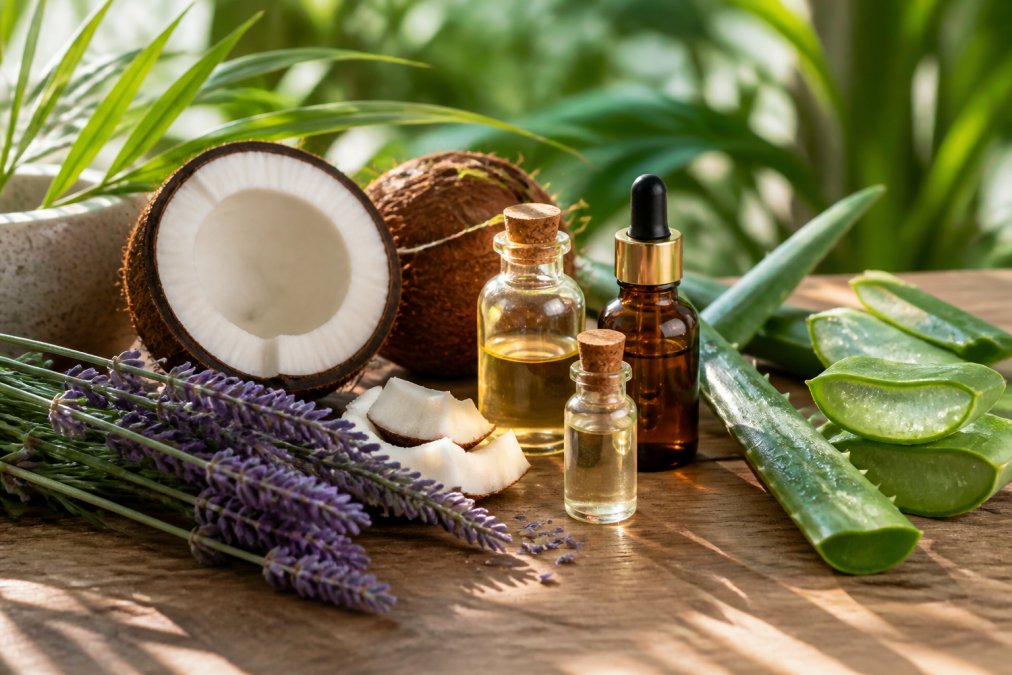
Essential oils in natural shampoo organic products provide therapeutic benefits and create pleasant fragrance without synthetic perfumes. Lavender essential oil calms an irritated scalp. Rosemary stimulates circulation and may support hair growth. Tea tree oil addresses dandruff and fungal concerns. Peppermint promotes scalp health while creating a refreshing sensation.
The difference between essential oils and synthetic fragrance is significant. Synthetic fragrances are often derived from petrochemicals and can trigger sensitivity. Essential oils carry the plant's natural compounds that actually influence scalp health rather than just smelling pleasant. In a quality natural shampoo organic formula, essential oils are present in therapeutic concentrations, if you can smell the lavender or rosemary genuinely, you're likely looking at a properly formulated product.
Ingredients to Avoid in Conventional Shampoos
Understanding what to avoid is just as important as knowing what to seek.
Sulfates (sodium lauryl sulfate and sodium laureth sulfate) are powerful detergents originally developed for industrial cleaning. They disrupt the hair cuticle and strip the scalp's protective barrier. Parabens serve as preservatives but are endocrine disruptors that accumulate in body tissues over time (peer-reviewed research). Silicones coat the hair shaft to create temporary smoothness, but they build up with each wash, eventually making hair look dull and limp.
Synthetic fragrances and dyes serve no hair-care function and are common allergens. Formaldehyde and formaldehyde releasers are used as preservatives despite being known carcinogens (information available from Australian regulatory bodies). Drying alcohols like isopropyl alcohol evaporate quickly, leaving hair dehydrated. The most damaging aspect isn't any single ingredient, it's the cumulative effect over months and years, conditioning your scalp to depend on them and creating the very problems they claim to solve.
How to Transition to Natural Shampoo Safely
Switching to natural shampoo organic products is straightforward in theory but requires patience in practice.
Understanding the transition period and hair detox
When you stop using conventional shampoos, your scalp enters a "detox" phase. Your scalp has been conditioned to overproduce sebum in response to constant stripping. For the first 2-4 weeks after switching to natural shampoo organic products, your hair may feel greasier than usual as your scalp recalibrates (peer-reviewed research).
This transition period is temporary but real. Your scalp is rebalancing its oil production, and synthetic residue from months or years of conventional products is gradually washing away. Many people are tempted to revert to their old shampoo during this phase, but the greasiness is a sign that the transition is happening, not that the new product isn't working.
The length of this period varies. Fine or thin hair may rebalance within 2-3 weeks. Thick, coarse, or curly hair may take 4-6 weeks. Water hardness, climate, and washing frequency all influence the timeline.
Practical steps for a smooth switch
Start by choosing your natural shampoo organic product carefully. Look for formulations designed specifically for your hair type rather than generic "all hair types" options.
Wash your hair every 2-3 days during the transition, not daily. Frequent washing extends the adjustment period by repeatedly signalling your scalp to produce more oil. Use slightly less product than you think you need, natural shampoo organic formulations are more concentrated than conventional shampoos. A coin-sized amount is often sufficient for shoulder-length hair.
Rinse thoroughly with cool water. Warm water opens the hair cuticle and can leave residue behind. Cool water seals the cuticle and creates a smoother surface that reflects light better.
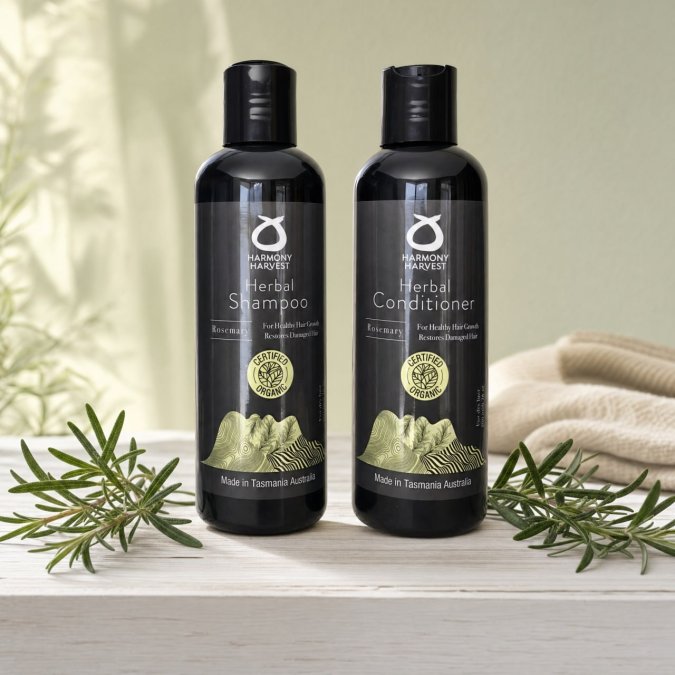
Consider using a natural conditioner alongside your new shampoo. Plant-based conditioners provide genuine nourishment rather than silicone coating. If your water is hard (mineral-heavy), consider a chelating rinse once weekly during the first month, a simple rinse of diluted apple cider vinegar (1 part vinegar to 10 parts water) removes mineral buildup and helps your scalp adjust faster.
COSMOS-Certified Organic: What the Certification Means
Not every product claiming to be "organic" or "natural" is actually certified. COSMOS certification is the global standard for organic cosmetics and significantly more rigorous than marketing language.
COSMOS certification verifies that at least 95% of a product's ingredients are naturally derived. No synthetic chemicals, no parabens, no silicones, no sulfates. The remaining 5% can include approved preservatives and processing aids only. This means you're getting a genuinely organic product backed by independent verification, not just a natural-sounding formula.
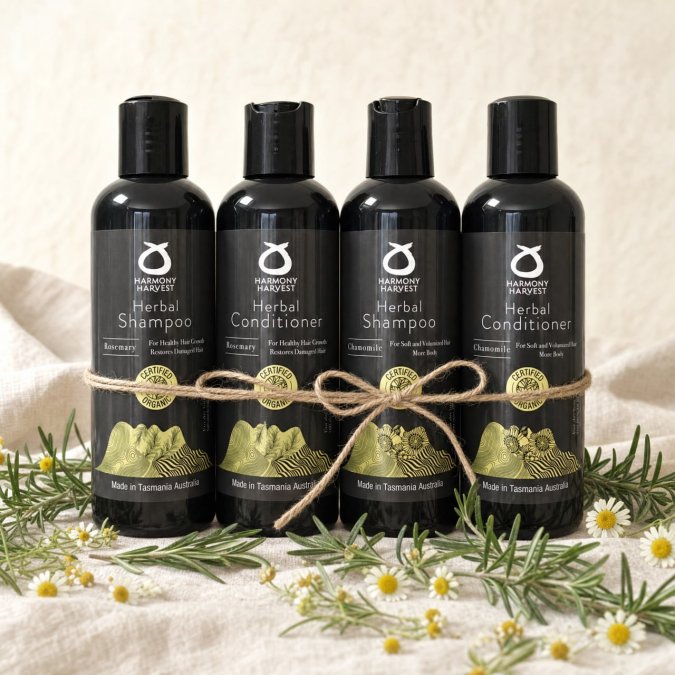
The certification also covers sourcing practices. Ingredients must be responsibly harvested. Animal testing is prohibited at every stage. Packaging must be recyclable or compostable. Harmony Harvest's COSMOS-certified organic range meets all these criteria, which is why we can confidently say our products are genuinely organic rather than relying on vague claims.
When you see "COSMOS-certified organic" on a natural shampoo organic product, you know the company has invested in third-party verification. This costs money and requires transparent supply chains. Many brands use words like "natural," "organic," or "plant-based" without any certification, terms largely unregulated in cosmetics. COSMOS certification eliminates this ambiguity.
Natural Shampoo Organic for Different Hair Types and Concerns
The best natural shampoo organic product for one person might be entirely wrong for another.
Dry, damaged, and colour-treated hair
Dry and damaged hair needs intensive hydration and protein support. Look for natural shampoo organic formulations rich in coconut oil, argan oil, and plant-based proteins like almond protein or wheat protein. These ingredients penetrate the hair shaft rather than coating it, genuinely repairing damage rather than masking it temporarily.
Colour-treated hair requires special consideration. Conventional shampoos fade colour quickly because sulfates strip the cuticle. Natural shampoo organic products preserve colour far more effectively. For severely damaged hair, the transition period may be longer, expect 4-6 weeks before you see dramatic improvement. Deep conditioning treatments with botanical oils accelerate repair during this time.
Sensitive scalp and scalp health
A sensitive or irritated scalp needs calming, anti-inflammatory ingredients. Lavender essential oil, chamomile extract, and calendula are proven scalp soothers. Scalp conditions like dandruff respond well to tea tree oil and neem, both present in quality natural shampoo organic formulations. Many people discover their scalp sensitivity was actually a reaction to conventional products, not an inherent condition.
During the transition to natural shampoo organic products, a sensitive scalp may experience temporary increased sensitivity as residue washes away. This is normal. If irritation persists beyond 4 weeks, you may need a formula specifically designed for your condition.
Thick, coarse, and curly hair
Thick and curly hair thrives with natural shampoo organic products because these formulations respect the hair's natural texture rather than fighting it. Curly hair particularly benefits from products that define curl pattern and reduce frizz through hydration rather than silicone coating.
Look for natural shampoo organic options containing essential oils like rosemary (stimulates definition) and argan oil (adds shine without greasiness). Coarse hair can handle richer formulations than fine hair. For curly hair, the transition period may be slightly longer because the curl pattern needs to fully express itself without silicone interference, but the results are worth the patience.
Sustainability and Ethical Sourcing in Natural Hair Care
Choosing natural shampoo organic products isn't just about personal health, it's about environmental and social responsibility.
Ethical sourcing means paying fair prices to farmers and harvesters, supporting communities rather than exploiting them. It means avoiding ingredients harvested from endangered plants or practices that damage ecosystems. Harmony Harvest sources Australian botanicals, supporting local growers and reducing transportation impact.
Packaging matters significantly. Glass bottles are infinitely recyclable. Some natural shampoo organic brands now offer refillable options or concentrated formulas that reduce packaging waste. Water usage in production is another consideration, natural shampoo organic formulations typically require less processing than conventional products, reducing water consumption during manufacturing.
The cumulative environmental impact of switching to natural shampoo organic products is substantial. Conventional shampoos contain synthetic chemicals that persist in waterways, harming aquatic ecosystems. Natural, biodegradable formulations break down harmlessly. Over a year, one person switching to natural products prevents kilograms of synthetic chemicals from entering waterways.
Making the shift to natural shampoo organic products is one of the most impactful changes you can make for your hair's long-term health. The transition requires patience, but the results, stronger, shinier, genuinely nourished hair, are worth every week of adjustment.
Harmony Harvest's Hair Care collection features COSMOS-certified organic, vegan shampoos and conditioners formulated with Australian botanicals to support every hair type and concern. Whether your hair is dry and damaged, sensitive, or thick and curly, our range delivers the genuine nourishment that natural shampoo organic products are designed to provide, without synthetic chemicals, without greenwashing, and without compromise. Explore our Hair Care collection today and discover what truly healthy hair feels like.
Frequently Asked Questions
Q: How can I tell if a shampoo is truly natural or just greenwashed?
A: Look for third-party certifications like COSMOS-certified organic, which verifies that at least 95% of ingredients are naturally derived and meet strict environmental standards. Check ingredient lists for synthetic-free claims and avoid vague terms like 'natural fragrance'—genuine natural shampoos list specific botanical sources. Read labels carefully: greenwashing often uses words like 'natural' without certification backing. Harmony Harvest products carry COSMOS-certified organic verification, ensuring transparency and genuine plant-based formulation without synthetic detergents or toxins.
Q: What is the transition period when switching to natural shampoo organic products?
A: When you switch from conventional shampoos with synthetic detergents to natural shampoo organic alternatives, your hair typically undergoes a 2-4 week adjustment phase called 'hair detox.' During this time, your scalp may produce more oil as it rebalances after years of synthetic product buildup. Your hair might feel greasier or look dull temporarily. This is normal and signals that your scalp is healing. Consistency is key—continue using your natural shampoo through this period, and most people notice improved texture, shine, and scalp health once the transition completes.
Q: What natural shampoo ingredients are best for dry, damaged hair?
A: The best natural shampoo ingredients for dry, damaged hair include certified organic essential oils like lavender and rosemary for scalp nourishment, plant-based emollients such as aloe vera and coconut, and botanical actives like almond protein and calendula extract. These ingredients hydrate, repair, and revitalise without harsh chemicals. Look for shampoos with high percentages of certified organic ingredients—85% or higher indicates genuine nourishment. Avoid silicone-free formulas that still deliver moisture through natural plant oils, which support moisture retention and hair follicle health without synthetic coating.
Q: Why is COSMOS certification important for organic hair care?
A: COSMOS certification guarantees that a shampoo meets strict international standards for organic content, sustainable sourcing, and the exclusion of synthetic chemicals, parabens, and harmful preservatives. It verifies that the product is genuinely organic and vegan, protecting you from greenwashing. This certification also ensures ethical environmental practices and cruelty-free production. When you choose COSMOS-certified organic shampoo, you're investing in a product that has been independently verified to be safe for your hair, your family, and the planet—not just marketing claims.
Best Sellers

Read more
Best Shampoo for Hair Growth: A 2026 Guide
Best shampoo hair growth: Find the best shampoo for hair growth with our guide to ingredients, scalp health, and proven formulas. Learn what actually.
Read more
Organic Shampoo: Why Natural Hair Care Matters
Discover why organic shampoo transforms hair health. Learn which ingredients to avoid, how to transition naturally, and find COSMOS-certified options.
Read more