


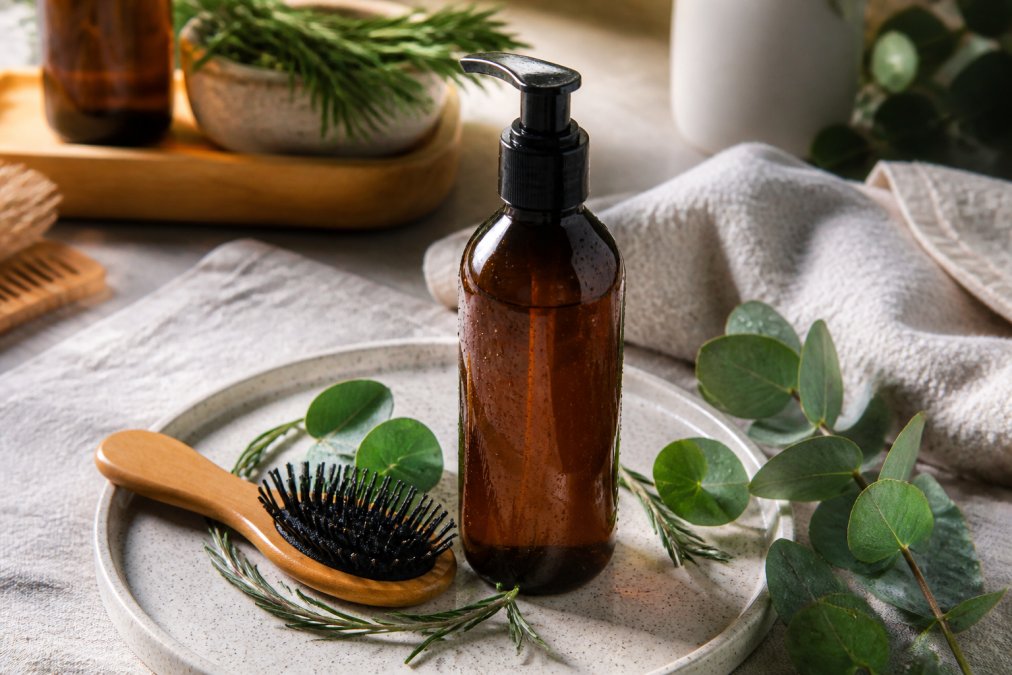
Shampoo for Hair Growth: Science & Scalp Care
Table of Contents
- How Shampoo for Hair Growth Works
- Key Ingredients for Stimulating Hair Follicles Naturally
- Best Practices for Scalp Health
- Benefits of Organic Hair Care for Hair Thickness
- How to Use Hair Growth Shampoo for Optimal Results
- Choosing the Right Formula for Your Hair Type
- The Role of Internal Nutrition in Hair Growth
- Conclusion
Last Updated: August 29, 2026
How Shampoo for Hair Growth Works
Shampoo for hair growth works by combining targeted ingredients with proper scalp care to support the natural hair growth cycle. The scalp is an active ecosystem where follicles cycle through different phases, and what you wash with directly affects follicle function.
Hair cycles through three phases: anagen (active growth, lasting 2-7 years), catagen (transition, lasting weeks), and telogen (resting, lasting months) (peer-reviewed research). A healthy scalp keeps more follicles in the anagen phase longer, which means thicker density and less shedding.
The scalp microbiome, the community of bacteria and fungi on your skin, directly influences inflammation and follicle health. Harsh surfactants strip natural oils and disrupt this balance, triggering inflammation that weakens the hair shaft and pushes follicles into telogen prematurely. A good shampoo for hair growth cleanses without stripping, keeping the microbiome stable and inflammation low.
The hair growth cycle and why scalp health matters
Follicles are sensitive to hormones, inflammation, poor blood flow, and nutritional deficiency. Scalp circulation matters because follicles need oxygen and nutrient delivery. Massaging the scalp during shampooing increases blood flow to the follicle base, delivering amino acids, vitamins, and minerals to where new cells form. Scalp stimulation also reduces tension, which improves circulation and correlates with less shedding.
Scalp pH is critical. Healthy scalp pH sits around 4.5-5.5 (slightly acidic), supporting the microbiome and keeping the hair cuticle flat and sealed (peer-reviewed research). Alkaline shampoos lift the cuticle, making hair porous and weak, and leave the scalp vulnerable to irritation. A shampoo for hair growth formulated at the right pH maintains the scalp barrier and keeps hair resilient.
How active ingredients reach the follicle
Active ingredients in shampoo for hair growth work at the scalp surface and through the hair shaft. Rosemary oil, caffeine, and biotin improve scalp environment and strengthen existing hair rather than regenerating dead follicles.
Rosemary contains cineole and camphor, which increase scalp circulation and have mild antimicrobial properties. Caffeine is absorbed through the scalp and prolongs the anagen phase, keeping hair in growth mode longer (peer-reviewed research). Biotin and hydrolysed keratin coat the hair shaft, filling gaps and reducing breakage so the hair you grow stays on your head longer.
These ingredients work cumulatively over weeks and months. Regular use with the right shampoo for hair growth can produce visible improvements in density and shedding because you're supporting the full hair cycle.

Key Ingredients for Stimulating Hair Follicles Naturally
Natural ingredients work best when they target a specific scalp problem. A shampoo for hair growth should match your scalp condition and hair type.
Rosemary oil for hair growth and scalp circulation
Rosemary oil is one of the most researched botanical ingredients for hair health. It improves scalp circulation, delivering more oxygen and nutrients to the follicle base. Well-nourished follicles stay in the anagen phase longer, producing thicker, longer hair before shedding.
Rosemary also has antimicrobial and anti-inflammatory properties. A scalp with bacterial overgrowth or chronic inflammation sheds hair faster because follicles are under stress. Rosemary restores scalp balance without harsh synthetic antimicrobials. The oil's warming effect during massage further boosts blood flow.
Harmony Harvest's Rosemary shampoo for hair growth combines this proven ingredient with other botanicals to support scalp health and follicle activation. The formulation is COSMOS-certified organic and vegan, meaning every ingredient meets strict standards for purity and sustainability, no synthetic fragrance, no harsh surfactants, no hidden chemicals that could irritate the scalp. Visit https://www.harmonyharvest.com/products/shampoo-conditioner-rosemary to explore this formulation.
Biotin, hydrolysed keratin, and caffeine for density
Biotin (vitamin B7) is essential for keratin synthesis, the protein that makes up the hair shaft. A shampoo for hair growth that includes biotin strengthens the hair fibre from the outside, reducing breakage and allowing hair to reach its full potential length.
Hydrolysed keratin is broken-down keratin protein small enough to penetrate the hair cuticle. It fills micro-gaps in damaged hair, restoring smoothness and resilience. Hair that breaks mid-shaft never reaches full length, so keratin-enriched shampoos extend the lifespan of each hair, compounding into noticeably thicker appearance over months.
Caffeine is absorbed through the scalp and prolongs the anagen phase, keeping follicles in active growth longer. This extends the window during which hair can grow, resulting in longer strands and denser-looking hair. Together, these ingredients address hair density from multiple angles: biotin and keratin strengthen existing hair and reduce breakage, whilst caffeine and rosemary support the scalp environment and follicle longevity.
Best Practices for Scalp Health
A good shampoo for hair growth is only half the equation. How you use it and what you do after shampooing matters equally.
Scalp pH balance and microbiome support
The scalp's microbiome is as important as your gut microbiome. Using a shampoo for hair growth formulated at the correct pH (around 4.5-5.5) supports this ecosystem. Alkaline shampoos disrupt it, leading to overgrowth of harmful bacteria and fungi, which triggers inflammation and accelerates shedding.
A balanced microbiome produces fatty acids that coat and protect the hair shaft. When disrupted, the scalp produces excess sebum in response, making hair greasy and weak. This creates a false impression that you need to wash more often, further disrupting the microbiome.
Supporting scalp pH means choosing a shampoo for hair growth formulated with this in mind. Plant-based shampoos, especially those prioritising scalp health, are typically pH-balanced and free from synthetic detergents. COSMOS-certified organic shampoos are required to meet these standards, making certification a practical indicator of scalp-friendly formulation.
Gentle cleansing to reduce inflammation and shedding
Gentle cleansing uses the right surfactants, not just less product. Sulfates strip the scalp's natural oils and disrupt barrier function, triggering inflammation that pushes follicles into telogen and accelerates shedding.
A shampoo for hair growth should cleanse effectively without stripping, using mild surfactants derived from plant-based sources. When you reduce inflammation through gentle cleansing, you immediately reduce shedding. Over weeks, this allows more follicles to complete their anagen phase, resulting in visibly thicker hair.
Massage the scalp gently with your fingertips for 2-3 minutes during shampooing, focusing on areas where you notice thinning. This stimulates circulation and ensures the shampoo for hair growth has time to work. Avoid scratching or aggressive scrubbing, which can cause micro-tears and increase inflammation.
Benefits of Organic Hair Care for Hair Thickness
Organic hair care, especially when COSMOS-certified, offers distinct advantages for hair thickness and longevity.
Synthetic ingredients in conventional shampoos often include silicones, which coat the hair temporarily and create an illusion of thickness. But silicones trap moisture and prevent nutrients from penetrating the hair shaft. Over time, this buildup weakens the hair from within. Organic shampoos use plant-based conditioning agents that actually nourish the hair rather than coat it.
A COSMOS-certified organic shampoo for hair growth is formulated without synthetic fragrance, which is often a source of scalp irritation. Fragrance sensitivity can trigger inflammation, directly undermining growth-supporting benefits. By eliminating synthetic fragrance and relying on essential oils and plant extracts, organic formulations reduce this risk.
Organic hair care also avoids parabens and other synthetic preservatives that accumulate in the scalp over time. These compounds can disrupt the microbiome and trigger contact dermatitis. A clean ingredient list means fewer hidden irritants and a more stable scalp environment for follicles to thrive.
The vegan aspect matters too. Many conventional hair-growth products include keratin derived from animal sources, which can trigger allergic reactions in sensitive scalps. Plant-derived keratin works just as effectively without the allergen risk. Harmony Harvest's COSMOS-certified organic, vegan formulations deliver these benefits without compromise.
How to Use Hair Growth Shampoo for Optimal Results
A shampoo for hair growth only works if you use it correctly and consistently.
Application technique and post-wash routine
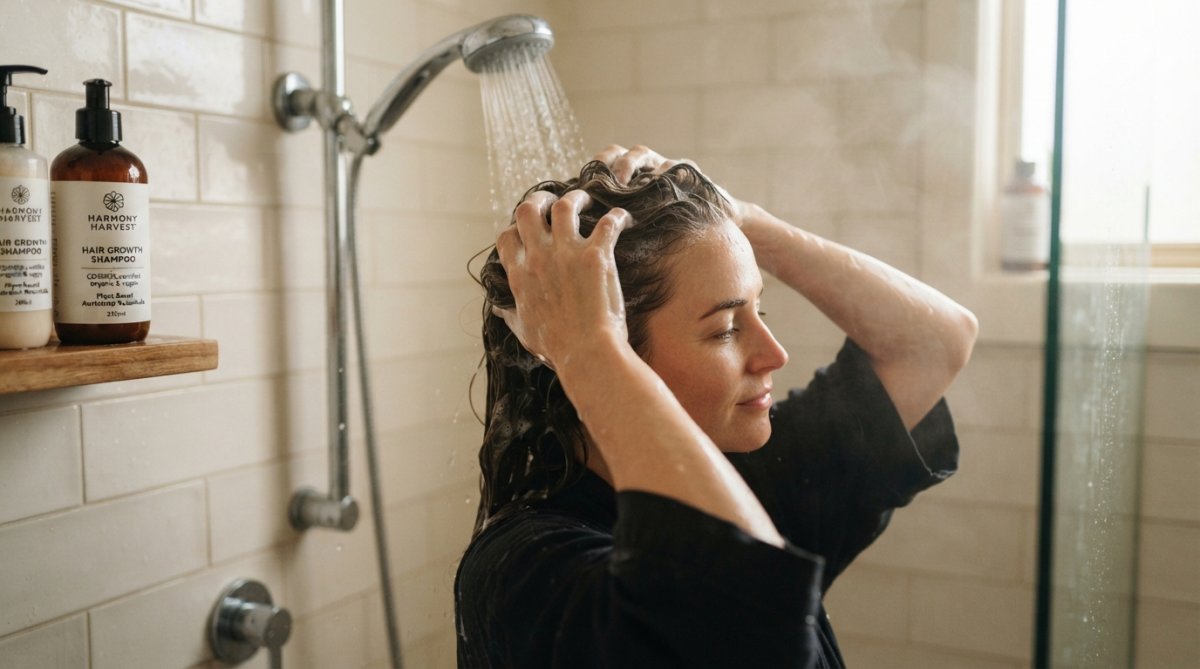
Start with a scalp massage before shampooing. Spend 1-2 minutes using your fingertips to gently massage your scalp in circular motions. This primes the scalp for better absorption and increases blood flow.
Wet your hair thoroughly with lukewarm water, not hot, which can strip oils and irritate the scalp. Apply a coin-sized amount of shampoo and focus on the scalp, not the hair lengths. Massage the scalp gently for 2-3 minutes, working the shampoo through with your fingertips.
Rinse thoroughly with cool water to seal the hair cuticle and improve shine. Apply a lightweight conditioner to the lengths and ends, but avoid the scalp. Leave the conditioner on for 1-2 minutes, then rinse with cool water.
Consistency matters more than intensity. Using a shampoo for hair growth 3-4 times per week is more effective than daily use, which can over-strip the scalp. Most people see visible improvements in density and shedding within 8-12 weeks of consistent use.
Ingredients to avoid that weaken hair resilience
Sulfates (sodium lauryl sulfate and sodium laureth sulfate) are harsh surfactants that strip the scalp's natural oils and damage the hair cuticle. Silicones (dimethicone, cyclomethicone) coat the hair and trap moisture, preventing nutrient absorption. Over time, silicone buildup makes hair weak and prone to breakage.
Parabens are synthetic preservatives that can disrupt the scalp microbiome and trigger contact dermatitis. Propylene glycol draws moisture from the scalp, paradoxically making hair drier over time. Synthetic fragrances are common allergens and sources of scalp irritation.
A shampoo for hair growth should be free from all of these. If you're switching from a conventional shampoo, expect a transition period of 1-2 weeks where your hair may feel slightly greasier. This is normal, your scalp is rebalancing after years of stripping. Stick with it, and improvement will be noticeable.
Choosing the Right Formula for Your Hair Type
Not all shampoos for hair growth are the same. Your hair type and scalp condition should guide your choice.
For fine or thin hair, choose a lightweight shampoo for hair growth that won't weigh hair down. Look for formulations with caffeine and rosemary. Avoid heavy oils or butters in the shampoo itself; these belong in a separate conditioner applied only to lengths.
For thick or coarse hair, you can tolerate richer formulations. A shampoo for hair growth with more hydrolysed keratin and plant oils will provide the nourishment coarse hair needs to stay resilient.
For oily scalps, choose a clarifying shampoo for hair growth formulated with rosemary and mild plant-based surfactants. Avoid heavy conditioners; use a lightweight leave-in conditioner only on the lengths if needed.
For dry scalps, look for a nourishing shampoo for hair growth with plant oils and proteins. Dry scalps often produce excess sebum because they're dehydrated. A properly hydrating shampoo can actually reduce oiliness over time.
Sensitive scalps require a hypoallergenic shampoo for hair growth free from synthetic fragrance, sulfates, and common irritants. A COSMOS-certified organic formula is your safest bet.
The Role of Internal Nutrition in Hair Growth
A shampoo for hair growth works best when paired with proper nutrition. Hair is made of protein, and follicles need specific vitamins and minerals to function.
Biotin deficiency directly weakens hair and increases shedding. Biotin is found in eggs, almonds, salmon, and sweet potatoes. Zinc is essential for follicle health and immune function; deficiency is linked to telogen effluvium (sudden shedding). Iron deficiency also causes hair loss, particularly in menstruating individuals. Vitamin D deficiency correlates with hair loss across multiple studies.
If you're using a shampoo for hair growth and not seeing results after 12 weeks, consider whether your nutrition is supporting follicle health. A simple blood test can identify deficiencies. Many people find that addressing nutritional gaps alongside a good shampoo for hair growth produces faster, more dramatic results than either intervention alone.
Hydration also matters. Hair and scalp need adequate water intake to maintain elasticity and support nutrient transport. Aim for at least 2 litres of water daily.
Hair thickness and density are built over months, not weeks. A shampoo for hair growth is a foundational tool, but it works best as part of a complete approach: gentle cleansing, scalp stimulation, proper nutrition, and consistency.
If you're ready to support your hair growth with a formula designed for scalp health, explore Harmony Harvest's Hair Care collection. Our COSMOS-certified organic and vegan shampoos are formulated with rosemary, biotin, and plant-based keratin to stimulate follicles naturally and reduce shedding. Every product in our range is cruelty-free and crafted from pure botanicals, no synthetic detergents, no silicones, no parabens. Discover the difference that truly clean, nourishing ingredients can make for your hair.
Frequently Asked Questions
What ingredients should I look for in a shampoo for hair growth?
Look for rosemary oil, which improves scalp circulation and follicle activation; biotin for hair density and strength; hydrolyzed keratin to reinforce hair shafts; and caffeine-infused formulas that stimulate the anagen phase of the hair cycle. Organic, plant-based ingredients reduce scalp inflammation and support a healthy microbiome, which strengthens root systems and reduces hair shedding. Avoid harsh sulphates and synthetic detergents that compromise the scalp pH balance and weaken hair resilience.
How can I improve my scalp health for better hair growth?
Maintain scalp pH balance by using gentle, formulations designed for your hair type. Massage your scalp regularly to boost circulation and follicle activation. Choose products free from synthetic chemicals that trigger inflammation. Support your scalp microbiome by avoiding over-washing and using nourishing ingredients like rosemary oil and botanical extracts. Combine topical care with internal nutrition, biotin, vitamin D, and iron support the hair growth cycle from within, promoting thicker density and reducing telogen phase shedding.
Do hair growth shampoos really work?
Yes, when formulated with active ingredients and used consistently. Hair growth shampoos work by stimulating scalp circulation, strengthening hair follicles, and reducing breakage and shedding. Results depend on your hair cycle phase, consistency of use, and overall scalp health. Formulations containing rosemary, biotin, and keratin show improvements in hair density and resilience. However, no topical product alone reverses significant hair loss, combine shampoo with scalp massage, proper nutrition, and a supportive post-wash routine for best outcomes.
Are botanical ingredients effective for hair thickness?
Yes, botanical ingredients like rosemary oil, plant-based proteins, and organic extracts are effective for building hair thickness and density. Rosemary stimulates scalp circulation and follicle activation, while plant-derived keratin and biotin strengthen the hair shaft and reduce breakage. Organic formulations avoid harsh chemicals that damage hair texture and compromise the scalp microbiome, allowing natural thickening to occur over time. COSMOS-certified organic shampoos combine these benefits without synthetic actives, supporting both immediate volumising effects and long-term hair resilience.
This article was written using GrandRanker
Best Sellers


Read more

Simplify Your Beauty Routine With Organic Products
Simplify beauty routine organic: Learn how to simplify your beauty routine with organic products in 3 easy steps. Discover minimalist skincare that works.
Read more
Best Vegan Face Moisturiser: Top Picks for 2026
Discover the best vegan face moisturisers for hydration and anti-ageing. Compare COSMOS-certified organic options, sensitive skin formulas, and.
Read more