


Best Vegan Face Moisturiser: Top Picks for 2026
Table of Contents
- What Makes a Vegan Face Moisturiser Different
- Harmony Harvest Moisture Cream: Our Top Pick for Vegan Face Moisturiser
- Best Vegan Skincare for Sensitive Skin
- Key Ingredients to Look for in Vegan Face Moisturisers
- How to Transition to a Vegan Skincare Routine
- Day Creams vs. Night Creams: Finding Your Vegan Match
- Conclusion
Last Updated: August 29, 2026
Finding the right vegan face moisturiser can feel overwhelming, especially when distinguishing genuine organic certification from marketing hype. Many consumers struggle to trust skincare claims, and that's exactly what this guide addresses.
At Harmony Harvest, we've formulated vegan face moisturisers that prove plant-based skincare doesn't compromise on results. This guide covers the best vegan face moisturisers available, how to choose one for your skin type, and what separates authentic COSMOS-certified products from greenwashing.
What Makes a Vegan Face Moisturiser Different
A vegan face moisturiser excludes all animal-derived ingredients: no lanolin, beeswax, collagen, or carmine. Plant-based moisturisers work through humectants (ingredients that draw water into skin), emollients (oils and butters that seal hydration), and occlusives (protective barriers that prevent water loss).
Most conventional moisturisers rely on synthetic actives like petrolatum or dimethicone. Vegan alternatives achieve the same barrier function using plant oils, jojoba, rosehip, avocado, hemp seed, which also deliver antioxidants and essential fatty acids. Your moisturiser nourishes your skin with botanical extracts, not just hydrating it.
Well-formulated vegan moisturisers absorb quickly and leave a soft, hydrated finish. A poorly formulated one sits on your skin like oil. That's the difference between genuine skincare science and trend-driven products.
COSMOS-certified organic vegan moisturisers guarantee that no animal ingredients were used and that the entire supply chain, from botanicals to packaging, meets strict environmental and ethical standards. This certification is the gold standard for transparency.
Harmony Harvest Moisture Cream: Our Top Pick for Vegan Face Moisturiser
When you're looking for a vegan face moisturiser that delivers hydration, anti-ageing, barrier repair, and genuine certification, Harmony Harvest Moisture Cream stands out. Both our Rosehip and Lavender formulations are COSMOS-certified organic and vegan, crafted from pure Australian botanicals, and designed to work for every skin type.
Moisture Cream Rosehip
Harmony Harvest Moisture Cream Rosehip is formulated for anti-ageing and skin renewal. Rosehip oil is rich in vitamin A, vitamin C, and essential fatty acids, all proven to stimulate natural collagen production and smooth fine lines (peer-reviewed research). These compounds work at a cellular level to support your skin's regenerative capacity.
The Rosehip formula deeply hydrates and rejuvenates skin whilst promoting a smooth, radiant glow. It's particularly effective for mature skin or anyone concerned with loss of elasticity. Because it's COSMOS-certified organic and vegan, you're getting pure plant nutrition without synthetic preservatives or detergents that compromise your skin barrier.
Many people transitioning to vegan skincare worry they'll lose efficacy.
Moisture Cream Lavender
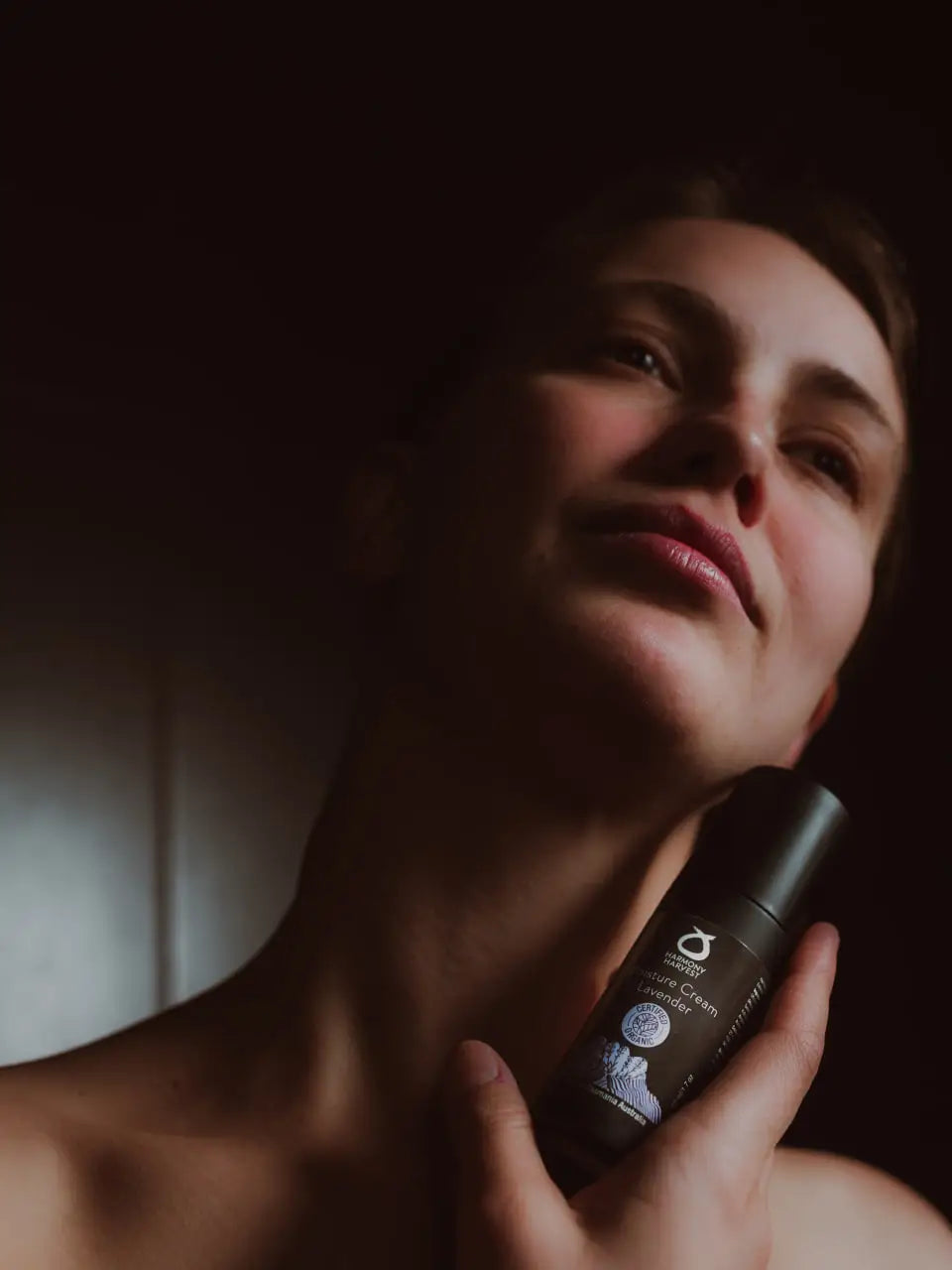
Harmony Harvest Moisture Cream Lavender prioritises calm and barrier repair. Lavender is renowned for its soothing properties, making this formula ideal for sensitive, reactive, or easily irritated skin. If your skin barrier has been compromised by harsh actives or environmental stress, the Lavender formula actively supports repair and restoration.
This vegan face moisturiser supports a strong, healthy skin barrier whilst providing deep hydration. The lavender botanical extract works alongside plant-based emollients to create a protective seal that locks moisture in without feeling heavy.
For anyone with eczema-prone, rosacea-prone, or sensitised skin, this is the formula to reach for. The scent comes entirely from the lavender botanical itself, making it gentler for reactive skin.
Best Vegan Skincare for Sensitive Skin
Sensitive skin requires genuine barrier support and anti-inflammatory botanical extracts. The best vegan moisturisers for sensitive skin prioritise fragrance-free formulations, non-comedogenic plant oils, and proven soothing ingredients like lavender, chamomile, and calendula.
When choosing a vegan face moisturiser for sensitive skin, look for products that list botanical extracts transparently. Specific ingredients like "chamomile extract" or "calendula infusion" signal formulations built on skincare science rather than marketing appeal.
Many people with sensitive skin avoid moisturiser altogether, believing it will trigger breakouts. This is a costly mistake. A compromised skin barrier is the root cause of sensitivity and inflammation. The right vegan face moisturiser actually heals your barrier, reducing redness and reactivity over time.
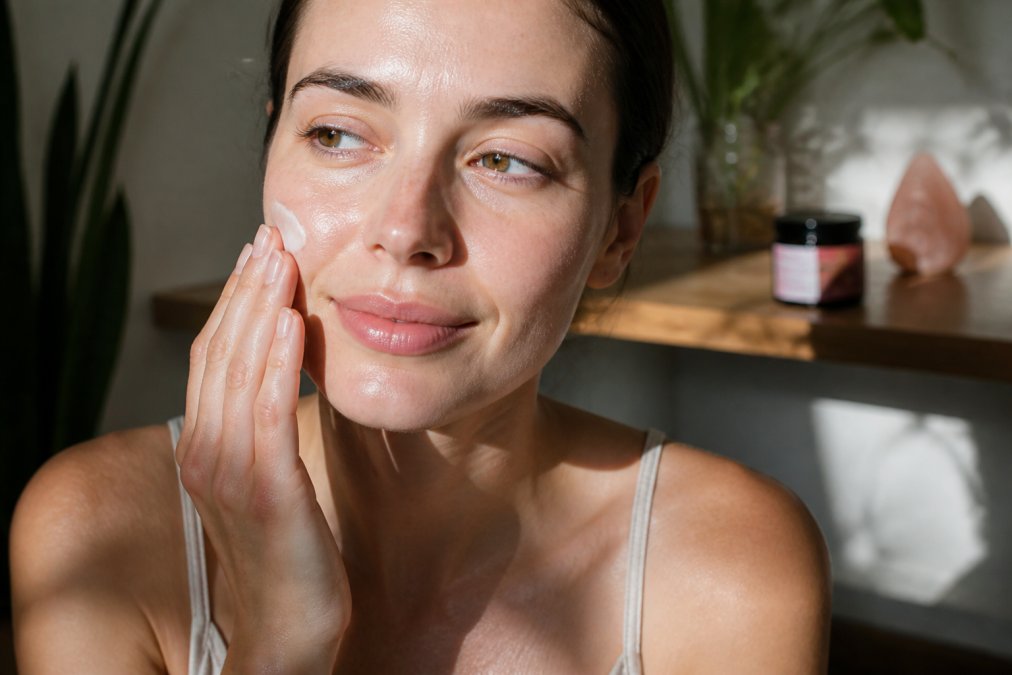
Harmony Harvest Moisture Cream Lavender is specifically formulated for this need. The lavender botanical reduces inflammation, whilst the plant-based emollients (jojoba, avocado, hemp seed oils) restore barrier function without triggering congestion.
The key difference between a generic "sensitive skin" moisturiser and an effective one is ingredient transparency and certification. A COSMOS-certified organic vegan moisturiser guarantees that every ingredient has been vetted for purity and that no synthetic irritants are hiding in the formulation.
Key Ingredients to Look for in Vegan Face Moisturisers
Understanding what's in your moisturiser transforms you from a passive consumer into an informed buyer. High-performance vegan moisturisers balance three functional layers: humectants (water-binding), emollients (nourishment), and occlusives (barrier seal).
Hyaluronic Acid (plant-derived): This humectant holds up to 1000 times its weight in water, drawing moisture deep into your skin's layers. Vegan formulations use plant-derived hyaluronic acid from fermented plant sugars rather than rooster combs, delivering identical hydration benefits with ethical sourcing.
Rosehip Oil: Rich in vitamin A, vitamin C, and linoleic acid, rosehip works through multiple pathways. Vitamin A stimulates collagen synthesis, making it effective for fine lines and loss of elasticity (peer-reviewed research). Vitamin C acts as an antioxidant, protecting against free radical damage. Linoleic acid supports skin barrier integrity. Rosehip absorbs within 10-15 minutes, making it suitable for both day and night use.
Jojoba Oil: Structurally similar to skin's natural sebum, jojoba is non-comedogenic and deeply hydrating without clogging pores. It penetrates the outer skin layer within minutes, delivering vitamin E and antioxidants directly to where barrier repair happens. Unlike heavier plant oils, jojoba integrates into the skin's lipid barrier, making it ideal for combination skin. vegan makeup products.
Lavender Extract: Anti-inflammatory at the cellular level, lavender reduces pro-inflammatory responses and calms reactive skin. Lavender also supports barrier repair by promoting ceramide production, essential for maintaining the skin's protective seal.
Avocado Oil: High in monounsaturated fatty acids and vitamins A, D, and E, avocado oil penetrates deeply without leaving residue. The fatty acid profile closely mirrors the lipids found in healthy skin barriers, making it exceptionally effective for barrier repair.
Plant-Based Emollients vs. Synthetic Alternatives: Synthetic emollients like dimethicone create a barrier quickly and feel lightweight initially, but they sit on the skin surface and don't integrate into the lipid barrier. Plant oils take slightly longer to absorb (10-20 minutes versus 2-3 minutes for synthetics) but deliver additional nutritional benefits and are fully biodegradable. For someone prioritising both efficacy and environmental responsibility, plant-based emollients are the stronger choice.
Reading the Ingredient List Strategically: Vegan moisturisers should list active botanicals by their specific extract form ("rosehip seed oil", "lavender extract", "calendula infusion") rather than vague terms like "plant-based blend". Specific naming signals intentional ingredient selection. Harmony Harvest Moisture Cream formulations list every botanical extract transparently.
COSMOS certification means an independent auditor has verified every claim, from ingredient sourcing to manufacturing practices. Harmony Harvest Moisture Cream formulations carry this certification, giving you absolute confidence in ingredient integrity.
How to Transition to a Vegan Skincare Routine
Switching to a fully vegan skincare routine doesn't mean overhauling your entire regimen overnight. A gradual transition reduces the risk of irritation and helps you identify which products your skin genuinely needs.
Your skin barrier needs 4-6 weeks to fully adjust to new formulations (peer-reviewed research). During this period, you may experience temporary dryness, slight sensitivity, or minor breakouts as your skin recalibrates. This is normal and doesn't mean the vegan product isn't working.
Week 1-2: Introduce the Moisturiser Start by replacing your current moisturiser with a vegan face moisturiser. Use it twice daily and observe how your skin responds. If you're transitioning from a synthetic moisturiser to a plant-based one, your skin may feel slightly different initially.
Climate Consideration: In humid climates, plant-based moisturisers absorb faster and feel lighter, making them ideal for year-round use. In drier climates, you may need a slightly heavier application or richer formulation at night. Harmony Harvest Moisture Cream Rosehip works across both climate zones, but in very dry conditions, applying it to damp skin immediately after cleansing maximises hydration retention.
Week 3-4: Swap Your Cleanser Once your moisturiser is established, replace your cleanser with a gentle, vegan alternative. Avoid stripping cleansers that leave your skin tight; look for cream or milk cleansers that remove makeup and impurities without compromising your barrier.
Week 5-6: Add a Targeted Serum or Oil (Optional) If your skin feels dry or you're concerned with anti-ageing, introduce a vegan serum or facial oil. However, this step is optional, many people find a quality vegan moisturiser is sufficient on its own. If you have a compromised or reactive skin barrier, skip this step during the transition period.
Week 7+: Evaluate and Refine By week 7, you have a solid sense of what your skin needs. At this point, you can introduce additional products without overwhelming your skin barrier.
Troubleshooting Common Transition Reactions:
Temporary dryness: This usually indicates your skin is adjusting to a different occlusive profile. Continue use for 2 weeks; the dryness typically resolves as your barrier adapts.
Minor breakouts: Ensure your cleanser is removing all product residue. Harmony Harvest Moisture Cream uses non-comedogenic plant oils, so this reaction is usually temporary as your skin adjusts.
Redness or sensitivity: If you experience persistent redness, switch to Harmony Harvest Moisture Cream Lavender, which is specifically formulated to support barrier repair. Use this formulation for 3-4 weeks before introducing other products.
The Biggest Mistake: Product Overload Many people introduce too many products simultaneously, then blame the vegan formulations when their skin reacts. A minimal routine, cleanser, moisturiser, and sunscreen, is enough for most people. Harmony Harvest Moisture Cream works beautifully as a standalone moisturiser.
Day Creams vs. Night Creams: Finding Your Vegan Match
The distinction between day and night moisturisers reflects genuine differences in how your skin functions across the 24-hour cycle.
Day Creams are lightweight, fast-absorbing, and compatible with makeup and sunscreen. They typically contain antioxidants like vitamin C or green tea extract to protect against environmental stressors and free radicals.
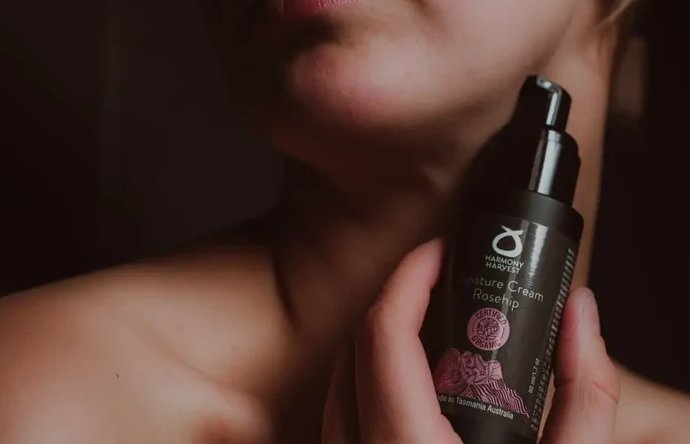
Harmony Harvest Moisture Cream Rosehip works beautifully as a day cream. It absorbs quickly, provides lasting hydration, and the vitamin A and C content offer antioxidant protection without creating a barrier that prevents sunscreen application.
Night Creams can be richer and more occlusive because you're not applying makeup or sunscreen over them. Night is when your skin's regenerative processes peak, so night creams often contain ingredients that support cellular renewal.
For most people, a single versatile vegan face moisturiser works for both day and night. Harmony Harvest formulations are designed this way, lightweight enough for daytime use but nourishing enough to support overnight repair. If your skin is very dry or mature, you might apply a slightly heavier layer at night, but you don't need two separate products.
Conclusion
Choosing a vegan face moisturiser comes down to three non-negotiables: genuine COSMOS-certified organic certification, transparent ingredient lists, and formulations built on botanical actives rather than marketing hype.
Harmony Harvest Moisture Cream Rosehip and Harmony Harvest Moisture Cream Lavender meet every one of these criteria. Both are COSMOS-certified organic and vegan, formulated with pure Australian botanicals, and designed to deliver real results, whether your priority is anti-ageing hydration or sensitive skin barrier repair.
Your skin deserves nourishment without compromise. Explore the full Facial Care collection from Harmony Harvest, where every product is COSMOS-certified organic, vegan, and cruelty-free.
Frequently Asked Questions
Q: What is the best vegan face moisturiser?
A: Harmony Harvest Moisture Cream Rosehip and Harmony Harvest Moisture Cream Lavender are top choices for vegan face moisturisers. Both are COSMOS-certified organic and vegan, formulated with Australian botanicals to deeply hydrate and support skin barrier health. They're free from synthetic detergents and harsh chemicals, making them ideal for those seeking genuine plant-based skincare without greenwashing.
Q: How can I tell if a moisturiser is truly vegan and cruelty-free?
A: Look for third-party certifications like COSMOS-certified organic, which guarantees the product is vegan and ethically produced. Check ingredient lists for animal-derived ingredients like lanolin, beeswax, or carmine. Reputable brands clearly state their certifications on packaging and websites. Harmony Harvest products carry COSMOS certification, providing transparent assurance of their vegan and cruelty-free credentials.
Q: Are COSMOS-certified organic products better for sensitive skin?
A: COSMOS certification ensures products are free from synthetic pesticides, heavy metals, and harmful chemicals, making them generally safer for sensitive skin. The rigorous standards mean fewer potential irritants. However, sensitive skin still varies by individual, so patch-test first. Plant-based formulas like Harmony Harvest's are designed to support skin barrier repair, which is crucial for sensitive skin health.
Q: What ingredients should I avoid in a vegan face moisturiser?
A: Avoid synthetic fragrances, parabens, phthalates, mineral oils, and silicones, which can irritate sensitive skin and disrupt the skin barrier. Steer clear of animal-derived ingredients like lanolin or carmine. Some plant oils can be comedogenic for acne-prone skin. Choose moisturisers with humectants like hyaluronic acid and emollients from botanical sources. COSMOS-certified products eliminate most harmful synthetics by design.
Q: How do I choose the right vegan moisturiser for my skin type?
A: Match your moisturiser to your skin's needs: dry skin benefits from rich emollients and plant oils; oily skin needs lightweight, fast-absorbing hydration; sensitive skin requires fragrance-free, barrier-repair formulas; combination skin works well with balanced hydration. Consider whether you need day or night cream properties. Harmony Harvest offers options suited to various skin types, all formulated with botanical actives and hyaluronic acid for targeted hydration.
Best Sellers
Read more
Shampoo for Hair Growth: Science & Scalp Care
Discover how shampoo for hair growth works with key ingredients like rosemary and biotin. Learn scalp health practices and organic formulas for thicker.
Read more
Best Hair Conditioner: Find Your Perfect Match
Discover the best hair conditioner for your needs. Compare top options for dry, fine, and colour-treated hair. Learn how to choose and apply conditioner.
Read more