



Simplify Your Beauty Routine With Organic Products
Table of Contents
- Why Simplify Your Beauty Routine With Organic Products
- Understanding Vegan Skincare and Clean Beauty Labels
- The 3-Step Minimalist Skincare Routine
- How to Transition to Natural Skincare Without Disruption
- Patch Testing and Safety Protocols for Organic Products
- Identifying Your Skin Type for a Tailored Organic Approach
- Seasonal Adjustments to Your Simplified Routine
- Conclusion
Why Simplify Your Beauty Routine With Organic Products
The skincare industry thrives on complexity. Shelves overflow with serums, essences, toners, and treatments, yet more products rarely equal better skin. Simplifying your beauty routine with organic products offers a different path: fewer, carefully chosen ingredients deliver real results without synthetic chemicals or unnecessary steps.
At Harmony Harvest, we believe that the most successful skincare journeys aren't the most complicated ones. They're built on understanding your skin's actual needs and using clean, plant-based formulas that work together. When you strip away the marketing noise and focus on what your skin genuinely requires, cleansing, treating, and protecting, you create space for organic ingredients to do their job effectively.
The shift toward simplification also addresses a growing concern: sensitivity and barrier damage. Many conventional products contain synthetic detergents that strip the skin, forcing you to use more products to repair the damage. Organic formulations work with your skin's natural lipid barrier rather than against it, meaning you need fewer steps to achieve visible results.
The Australian Consumer Law guidelines on skincare claims emphasise the importance of transparency in beauty products, which aligns perfectly with the clean beauty movement. When you choose COSMOS-certified organic products, you're selecting formulas that meet rigorous environmental and ingredient standards, no greenwashing, no hidden synthetics.
Understanding Vegan Skincare and Clean Beauty Labels
Vegan skincare means the formula contains no animal-derived ingredients and was not tested on animals. Clean beauty refers to products free from synthetic chemicals, heavy metals, and harmful preservatives. However, these terms aren't always regulated, which is why certification matters.
COSMOS-certified organic products meet the strictest standards in the industry. Unlike products simply labelled "natural" or "organic," COSMOS certification requires third-party verification of every ingredient, sustainable sourcing practices, and ethical manufacturing. This distinction is crucial when simplifying your routine, you want to trust that what you're using is genuinely what the label claims.
Many people assume vegan skincare means less effective formulas. In reality, plant-based ingredients like cold-pressed oils, botanical extracts, and herbal essences deliver profound hydration and antioxidant protection through nourishment rather than chemical manipulation, often resulting in gentler, more sustainable results over time.
Understanding these labels also helps you avoid greenwashing. A product claiming to be "natural" might still contain synthetic preservatives. A "clean" label might omit one category of chemicals whilst including others. COSMOS-certified organic products eliminate this ambiguity, the certification is your assurance that the formula is genuinely free from synthetic ingredients and harmful additives.
The 3-Step Minimalist Skincare Routine
The foundation of a simplified beauty routine with organic products rests on three essential steps: cleanse, treat, and protect. This framework mirrors how dermatologists approach skincare because it addresses the skin's actual physiological needs. Every step serves a distinct purpose, and skipping any one compromises your results.
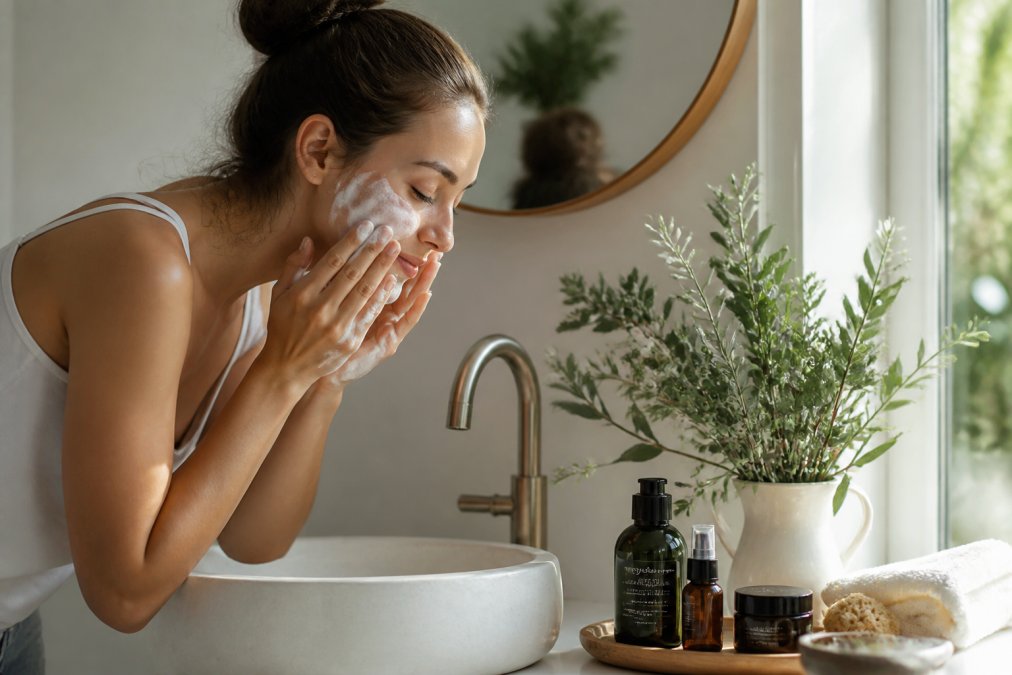
Step 1: Cleanse With a Gentle, Synthetic-Free Formula
Cleansing removes environmental debris, excess sebum, and dead skin cells without stripping your moisture barrier. The key is choosing a gentle cleanser that respects your skin's natural pH balance.
Synthetic-free cleansers avoid harsh sulfates and detergents that disrupt the skin's lipid barrier. Instead, they use plant-derived surfactants or oil-based formulas that dissolve impurities without creating that tight, squeaky-clean feeling that signals barrier damage. For most skin types, a gentle cream cleanser or oil-based formula works best.
Cleanse twice daily: morning and evening. Morning cleansing removes overnight oil buildup and prepares skin for treatment products. Evening cleansing is non-negotiable, it removes the day's accumulated grime and allows your skin to repair itself during sleep. If you wear makeup, consider a two-step cleanse: oil-based cleanser first to dissolve makeup, followed by a gentle water-based cleanser to remove residue.
Step 2: Treat With Botanical Serums and Essences
After cleansing, your skin is primed to absorb active ingredients. Serums and essences deliver concentrated botanical extracts, antioxidants, and hydrating compounds directly into the epidermis.
Botanical serums are lightweight formulas packed with plant-based actives, rosehip oil for vitamin A, green tea extract for antioxidants, or plant-derived hyaluronic acid for hydration. Essences, common in Asian skincare traditions, are hydrating toners that prepare skin to absorb subsequent products more effectively. Together, they address specific concerns like dryness, sensitivity, or early signs of ageing without synthetic peptides or chemical actives.
Apply serums and essences to damp skin; moisture helps them penetrate more effectively. Use a few drops and press gently into the skin rather than rubbing. Allow 30 seconds for absorption before moving to the final step. This treatment phase is where you customise your routine to your skin type: dehydrated skin benefits from hydrating essences, whilst mature skin responds well to antioxidant-rich serums.
Step 3: Protect With Natural Lipids and Sun Care
The final step locks in hydration and protects against environmental stressors through two components: a moisturiser containing natural lipids and daily sun protection.
Natural lipids, plant oils and butters like jojoba, argan, and shea, mimic your skin's own sebum composition, making them ideal for barrier repair. They seal in hydration whilst providing anti-inflammatory and antioxidant benefits. Even oily skin benefits from the right lipid-rich moisturiser; the key is choosing lightweight formulas that won't clog pores.
Sun protection is non-negotiable, regardless of your skin type or climate. UV exposure causes cumulative damage: DNA mutations in skin cells, collagen breakdown, and hyperpigmentation (peer-reviewed research). A daily broad-spectrum SPF 30 or higher protects against both UVA and UVB rays (cancer.gov). Choose mineral or hybrid formulas that sit on the skin's surface rather than absorbing into it, reducing the risk of irritation.
How to Transition to Natural Skincare Without Disruption
Switching to organic products doesn't mean ditching your current routine overnight. Abrupt changes often trigger irritation, redness, or a temporary "purge" as your skin adjusts. A gradual transition allows your skin barrier to adapt whilst you identify which products work best for you.
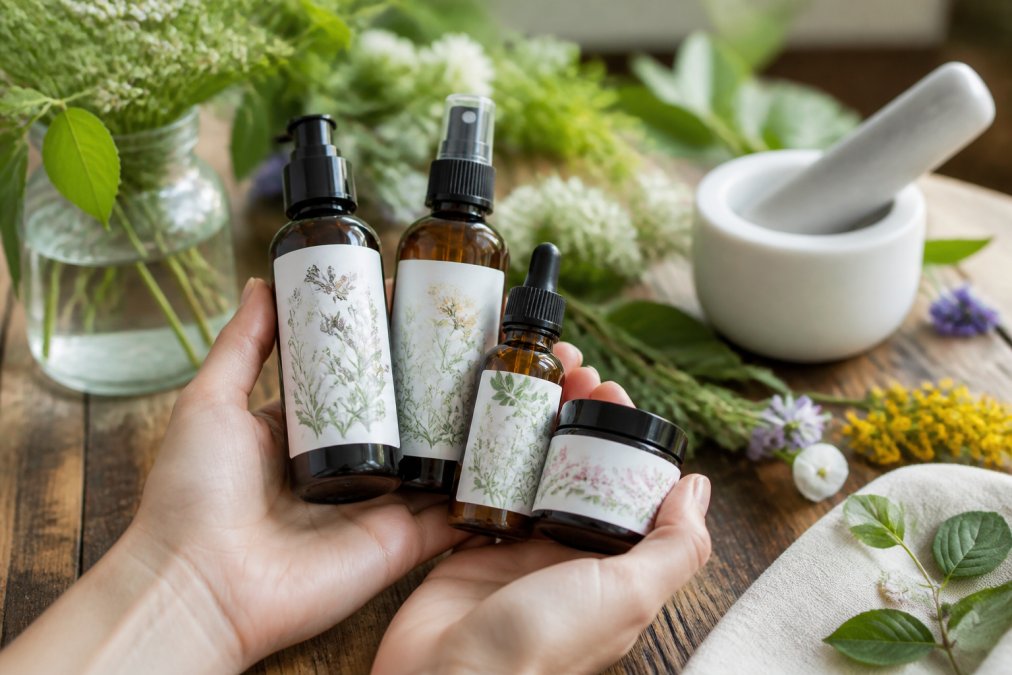
Start by introducing one new product at a time, ideally every 7-10 days. Begin with the cleanser, as it's the least likely to trigger sensitivity since it rinses off. Use it for a full week before introducing a serum or essence. This staggered approach lets you identify which products your skin loves and which ones cause irritation. simplify your daily routine.
During transition, your skin may appear slightly worse before it improves. This is normal. Organic products don't contain silicones that create false smoothness, so your skin's actual texture becomes visible. You might notice congestion as your pores release trapped synthetic residue from previous products. This typically resolves within 2-4 weeks as your skin barrier heals.
Many people find that simplifying to organic products actually reduces sensitivity over time. Conventional products often contain fragrance, essential oils at high concentrations, or chemical preservatives that irritate sensitive skin. When you remove these triggers and replace them with gentle, plant-based alternatives, your skin's inflammation decreases and its natural resilience improves.
Keep a simple log during transition: note which products you've introduced, any reactions you observe, and how your skin feels. This helps you identify patterns, perhaps your skin loves botanical serums but reacts to certain essential oils, or thrives with oil-based cleansers but not foaming ones.
Patch Testing and Safety Protocols for Organic Products
Even organic, plant-based products can trigger reactions in sensitive or compromised skin. Patch testing is your first line of defence against unexpected irritation, especially when introducing new formulas.
Patch testing involves applying a small amount of the product to a discreet area, typically the inner arm or behind the ear, and waiting 24-48 hours to observe any reaction. For facial products, patch test on the jawline or temple first. Apply the product as you would use it, and observe for itching, redness, swelling, or burning sensations over the next 48 hours.
If you have a history of severe reactions or compromised skin barrier, introduce only one new product every two weeks. This extended timeline gives your skin maximum opportunity to adapt and helps you pinpoint exactly which ingredient caused a reaction if one occurs.
Certain botanical ingredients are known sensitisers for some people. Essential oils, whilst natural, are highly concentrated and can irritate sensitive skin. Citrus oils, cinnamon, and mint are common culprits. If you have reactive skin, start with fragrance-free formulas or those with mild botanical extracts like chamomile or aloe.
Identifying Your Skin Type for a Tailored Organic Approach
Simplifying your routine begins with honest assessment of your skin type. Understanding whether your skin is oily, dry, combination, or sensitive guides every subsequent choice.
Oily skin produces excess sebum and often appears shiny, especially in the T-zone. It's prone to congestion and breakouts. Lightweight serums, gel-based moisturisers, and mattifying mineral sunscreens work best. You still need hydration; depriving oily skin of moisture often triggers more oil production. Focus on lightweight, water-based formulas.
Dry skin feels tight, appears dull, and may show visible flaking or rough patches. It needs rich, nourishing products. Oil-based cleansers, hydrating essences, and lipid-rich moisturisers are essential. Don't shy away from facial oils; they're exactly what dry skin needs to restore its barrier.
Combination skin is oily in some zones (typically the T-zone) and dry or normal elsewhere. This requires a flexible approach: a gentle cleanser suitable for all areas, followed by targeted treatment. You might use a hydrating essence on dry areas and a lightweight serum on oily zones, then finish with a balancing moisturiser.
Sensitive skin reacts easily to products, environmental changes, or stress. It's often characterised by redness, reactivity, and a compromised barrier. Sensitive skin benefits most from simplification; fewer products mean fewer potential irritants. Focus on fragrance-free, hypoallergenic formulas with soothing botanical extracts like chamomile, oat, or calendula.
Many people discover their true skin type only after switching to organic products. Conventional products often mask your skin's actual needs with silicones, heavy oils, or astringent ingredients. Once you remove these, your skin's genuine type becomes clear.
Seasonal Adjustments to Your Simplified Routine
Your skin's needs shift with the seasons. Rather than overhauling your entire routine, make strategic seasonal adjustments.
During warmer months, your skin produces more sebum and may feel more hydrated. You might reduce the richness of your moisturiser, swap heavier oils for lightweight serums, or increase sun protection frequency. If you're spending more time outdoors, ensure your SPF application is generous and reapplied every two hours after water exposure or sweating.
In cooler months, your skin loses moisture more rapidly due to lower humidity and indoor heating. This is when richer moisturisers, facial oils, and hydrating essences become essential. You might introduce an additional hydrating layer or switch to a creamier cleanser that doesn't strip moisture. Sun protection remains critical; winter sun reflects off water and snow, intensifying UV exposure.
Spring and autumn are transition periods when your skin may fluctuate between needs. Pay attention to how your skin responds and adjust accordingly.
Building Your Simplified Routine: A Practical Framework
The beauty of simplification is that it's flexible. Here's a practical framework for building your own three-step routine tailored to your skin and lifestyle.
Morning Routine (5 minutes):
- Cleanse with a gentle, synthetic-free formula suited to your skin type
- Apply a hydrating serum or essence (optional if your skin feels adequately hydrated)
- Moisturise with a lightweight formula appropriate to your skin type
- Apply broad-spectrum SPF 30+ daily, without exception
Evening Routine (10 minutes):
- Cleanse thoroughly to remove the day's accumulated debris
- Apply a treatment serum or essence targeting your specific concern
- Moisturise with a richer formula if needed, or the same lightweight moisturiser as morning
This framework requires only 3-4 products: a cleanser, one treatment product, a moisturiser, and sunscreen. Everything else is optional and should only be added if your skin genuinely needs it.
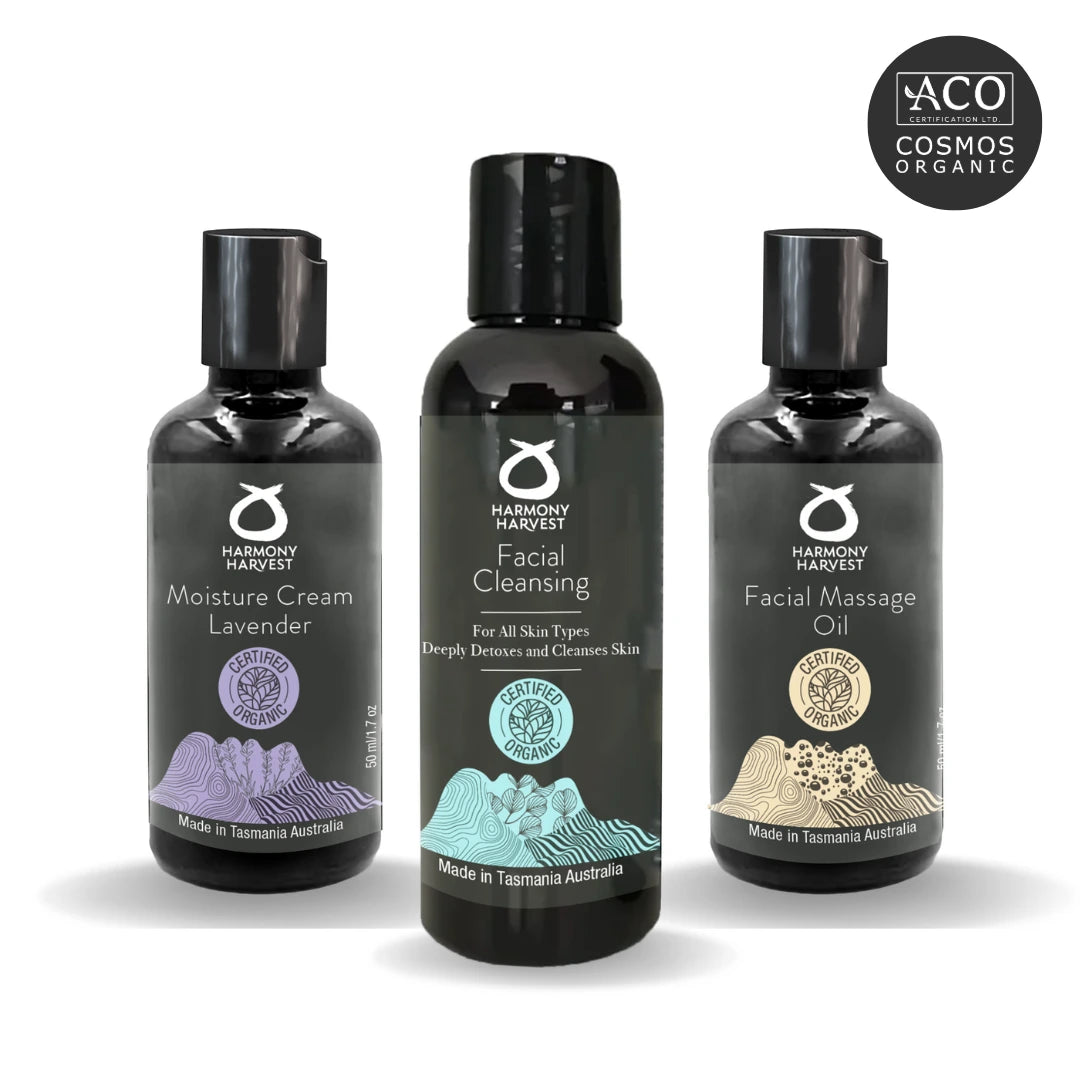
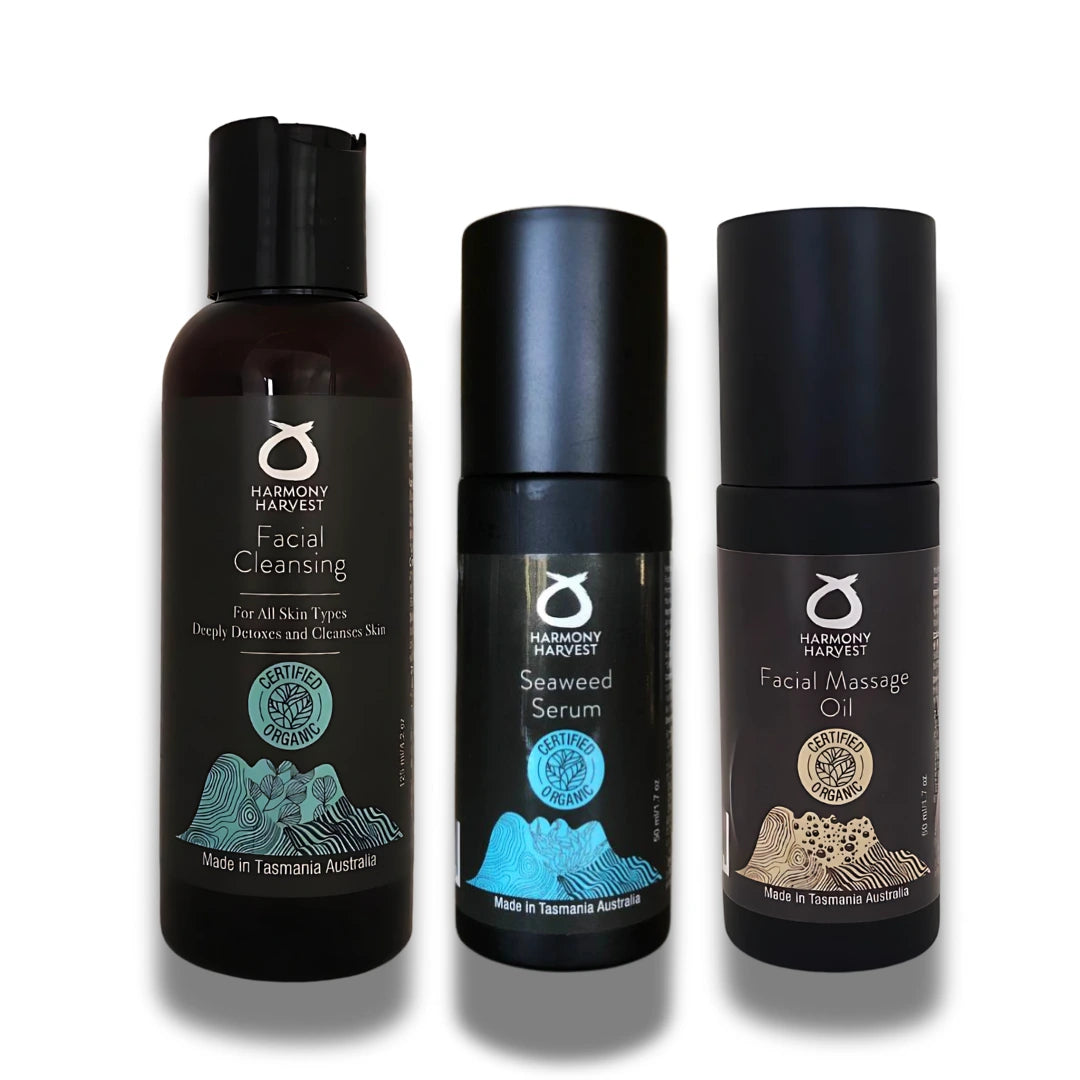
The Harmony Harvest 30 Day Organic Vegan Skincare set is designed around this exact framework. It includes a gentle cleanser, hydrating essence, nourishing serum, and lightweight moisturiser, everything you need to start simplifying with COSMOS-certified organic, vegan formulas. Pricing depends on quantity, dates, and delivery. Visit https://www.harmonyharvest.com/products/30-day-vegan-skincare-set for current prices. Renewed skin in 60 days or your money back.
Simplifying your beauty routine with organic products isn't about using fewer products for minimalism's sake, it's about choosing formulas that work efficiently, respect your skin's natural barrier, and deliver visible results without synthetic chemicals or unnecessary steps. When you focus on the essentials, cleansing, treating, and protecting with COSMOS-certified organic ingredients, your skin often responds with clarity, resilience, and a radiant glow.
Ready to experience the difference? Explore Harmony Harvest's Facial Care collection, where every product is COSMOS-certified organic, vegan, and cruelty-free. Each formula is crafted to support your skin's natural health, whether you're beginning your simplification journey or refining an existing routine.
Frequently Asked Questions
Q: What is the simplest organic skincare routine I can follow?
A: The most effective simplified beauty routine with organic products follows three core steps: cleanse, treat, and protect. Start with a gentle, synthetic-free cleanser to remove impurities without stripping your skin's natural lipid barrier. Follow with a botanical serum or essence containing antioxidants and plant-based hydration. Finish with a nourishing moisturiser and sun protection. This minimalist approach supports your skin's dermatological health whilst avoiding unnecessary steps that can overwhelm sensitive or reactive skin.
Q: How do I know if vegan skincare is actually better for my skin?
A: Vegan skincare eliminates animal-derived ingredients like lanolin and carmine, making it suitable for those with sensitivities or ethical concerns. What matters most is whether the formula supports your moisture barrier and skin type. Look for COSMOS-certified organic vegan products that use cold-pressed oils, botanical extracts, and plant-based hydrators rather than synthetic alternatives. The key differentiator is ingredient quality and formulation integrity, not the 'vegan' label alone. Test products on a small patch of skin first to ensure compatibility.
Q: How long does it take to transition to a natural skincare routine?
A: Most skin adapts to natural, organic products within 4 to 8 weeks. During transition, your skin may experience a brief adjustment period as it rebalances after years of synthetic ingredients. Start by replacing one product at a time—typically the cleanser first—and allow 2 to 3 weeks before introducing the next item. This gradual approach helps you identify which organic products work best for your skin type and minimises irritation. Patch testing each new product on a small area beforehand is essential to avoid unexpected reactions.
Q: What ingredients should I avoid in organic skincare products?
A: Avoid synthetic detergents, parabens, phenoxyethanol, and silicones, even in products marketed as 'natural.' Check labels for essential oils if you have sensitive skin, as some can trigger irritation or photosensitivity. Watch for vague terms like 'fragrance' or 'parfum,' which may hide synthetic compounds. Instead, choose COSMOS-certified organic products that clearly list botanical extracts, cold-pressed oils, and plant-based hydrators. Patch test any new product first, especially if your skin is prone to pore congestion or barrier damage.
Best Sellers

Read more

COSMOS Organic Certification: A 2026 Guide
Understand COSMOS organic certification: standards, benefits, and how to identify truly certified products. Learn what makes COSMOS different. Discover.
Read more
Shampoo for Hair Growth: Science & Scalp Care
Discover how shampoo for hair growth works with key ingredients like rosemary and biotin. Learn scalp health practices and organic formulas for thicker.
Read more