

Best Organic Shampoo Guide: How to Choose for Your Hair
Table of Contents
- What Makes a Shampoo Truly Organic?
- Why Choose Organic Shampoo? The Real Benefits
- Ingredients to Avoid in Conventional Shampoos
- How to Choose Natural Shampoo for Hair Type
- The Best Organic Scalp Treatment for Lasting Health
- Surviving the Transition: Tips for Switching to Natural Hair Care
- Conclusion: Your Path to Healthier Hair
- Frequently Asked Questions
Last Updated: September 8, 2026
Choosing the best organic shampoo often feels like navigating a maze of marketing claims, but a truly certified product transforms hair health from the root. An organic shampoo is formulated with plant-based ingredients grown without synthetic pesticides and excludes harsh detergents and artificial chemicals. At Harmony Harvest, we craft our entire range to meet strict COSMOS-certified organic and vegan standards. Below, we'll show you how to select the right formula for your hair type and why making the switch pays off.
What Makes a Shampoo Truly Organic?
A shampoo earns the "organic" label only through rigorous certification, not clever marketing. True certification demands that a significant percentage of agricultural ingredients come from organic farming, and that the final product avoids synthetic preservatives, dyes, and fragrances. The COSMOS standard is among the most respected globally, requiring brands to meet strict environmental and ethical benchmarks throughout production. When you see this certification, you know the product contains genuine botanical extracts rather than token amounts of "natural" ingredients mixed with a chemical base.
Many products claim to be natural while still relying on sulfates and parabens. Genuine organic formulations use gentler plant-derived surfactants that clean without disrupting the scalp's natural oil balance. This matters because your scalp absorbs whatever you apply, and a certified organic shampoo supports overall wellness rather than introducing toxins to your routine.
Why Choose Organic Shampoo? The Real Benefits
Switching to an organic shampoo delivers noticeable improvements in hair hydration, scalp comfort, and long-term hair density. Conventional formulas often contain sulfates that create a rich lather but leave the hair cuticle rough and prone to breakage. Organic alternatives cleanse gently, preserving moisture retention and enhancing natural shine and hair elasticity over time.
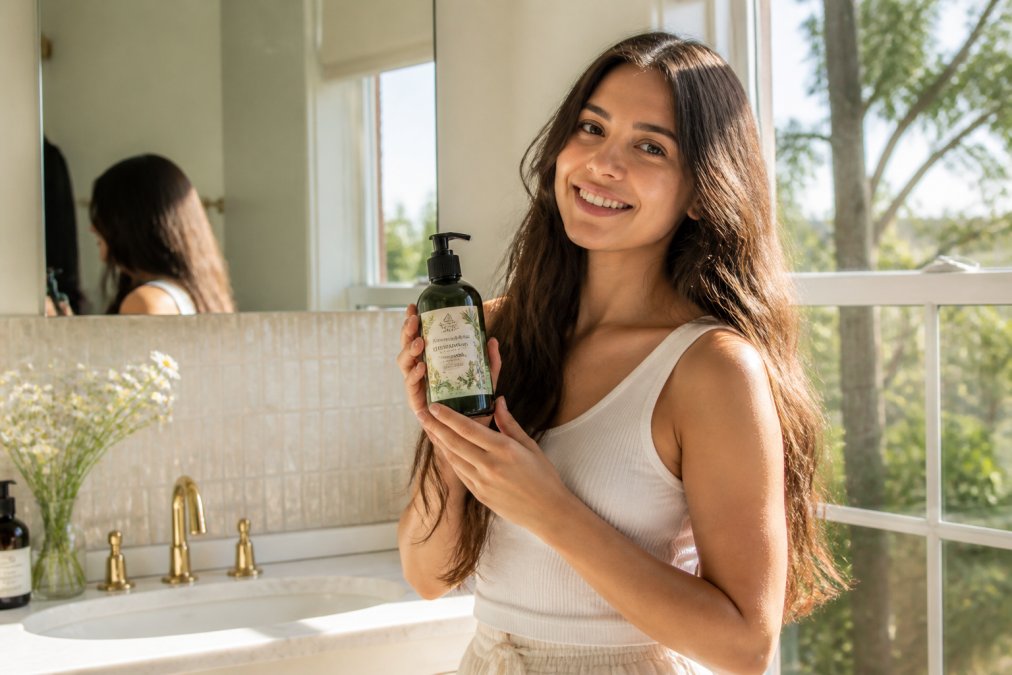
The benefits extend to your overall health and the planet. By choosing plant-based, biodegradable formulas, you reduce exposure to synthetic fragrances and support sustainable sourcing. Many with sensitive scalps find organic options reduce irritation and flakiness, as botanical extracts calm inflammation rather than trigger it.
Ingredients to Avoid in Conventional Shampoos
Knowing which ingredients to avoid is the first line of defence for your hair and scalp, but understanding why they cause problems helps you make informed choices. Here is a closer look at the most common offenders.
Sulfates: The Harsh Cleaners
Sulfates, typically listed as sodium lauryl sulfate (SLS) or sodium laureth sulfate (SLES), are anionic surfactants incredibly effective at removing oil and dirt, which is why they create that rich lather. However, these molecules are small enough to penetrate the hair shaft and strip away natural lipids and proteins. When the cuticle is left rough, hair loses moisture quickly, leading to frizz and tangles. For colour-treated hair, sulfates accelerate fading by opening the cuticle and allowing dye molecules to escape.
Parabens: The Preservative Question
Parabens (methylparaben, propylparaben, butylparaben) prevent microbial growth in water-based products. Their issue lies in their ability to mimic oestrogen, flagging them as potential endocrine disruptors. A 2004 study by Darbre et al. detected parabens in breast tumour tissue, raising questions never fully resolved (PubMed). Many consumers and brands therefore avoid them, opting for natural preservatives like grapefruit seed extract or potassium sorbate.
Silicones: The Illusion of Smoothness
Silicones (ingredients ending in '-cone', like dimethicone) coat the hair in a plastic-like film for instant smoothness. Over time, these non-biodegradable polymers build up, preventing moisture and nutrients from penetrating. This buildup can weigh down fine hair and lead to scalp irritation. Unlike natural oils, silicones do not wash away with gentle cleansers, often requiring harsh sulfates to remove, creating a vicious cycle of damage and dependency.
Synthetic Fragrances and Phthalates
The term 'fragrance' on a label can legally hide dozens of undisclosed chemicals, including phthalates, known endocrine disruptors. For many, synthetic fragrances are the primary trigger for scalp contact dermatitis. A truly organic shampoo avoids this by using essential oils for scent, which offer therapeutic benefits for the scalp.
The Bottom Line on Ingredients
When you scan a label, you are reading a list of decisions the formulator made. Choosing plant-derived surfactants, natural preservatives, and botanical extracts respects your body's biology. This is why Harmony Harvest formulates every product to meet the strict COSMOS-certified organic and vegan standard. By avoiding harsh chemicals, you allow your scalp to find its natural balance, the true foundation of healthy hair growth.
How to Choose Natural Shampoo for Hair Type
Selecting the right organic shampoo depends on understanding your hair's specific needs, including its porosity. Hair porosity refers to how well your hair absorbs and retains moisture, which influences which ingredients will benefit you most. Identify your primary concerns, excess oil, dryness, damage, or a sensitive scalp, then match those needs to targeted natural formulations.
| Hair Type | Primary Concern | Key Ingredients to Look For | Best Formula Type |
|---|---|---|---|
| Oily | Excess sebum production | Rosemary, chamomile, citrus | Lightweight, detoxifying |
| Dry/Damaged | Moisture loss, breakage | Coconut, shea, aloe vera | Rich, hydrating |
| Fine | Flatness, product buildup | Volumising botanicals, proteins | Clarifying, lightweight |
| Colour-Treated | Fading, dryness | Colour-safe, UV protection | Gentle, sulfate-free |
| Sensitive Scalp | Irritation, redness | Calendula, oatmeal, tea tree | Hypoallergenic, fragrance-free |
Oily Hair and Scalp
Oily hair results from overactive sebum production, often triggered by harsh shampoos that strip the scalp and cause it to produce more oil. A gentle organic shampoo helps regulate this cycle by cleansing without over-drying. Look for balancing botanicals like rosemary and chamomile. The Harmony Harvest Rosemary and Chamomile Shampoo and Conditioner, part of our COSMOS-certified organic range, is formulated to address excess oil while maintaining healthy moisture levels.
Dry, Damaged, or Colour-Treated Hair
Dry and damaged hair craves deep hydration, making rich, nourishing formulas essential. Ingredients like coconut oil, shea butter, and aloe vera provide intense moisture and help restore the cuticle. Colour-treated hair requires extra gentleness, so choose a sulfate-free, colour-safe option. Pairing your shampoo with a matching conditioner enhances moisture retention and protects against colour loss.
Fine Hair and Sensitive Scalps
Fine hair needs lightweight formulas that cleanse without heavy residue. Avoid rich oils and butters in favour of volumising botanicals and gentle proteins. For sensitive scalps, choose fragrance-free options with calming ingredients like calendula or oatmeal. A gentle, hypoallergenic shampoo helps maintain a balanced scalp environment.
The Best Organic Scalp Treatment for Lasting Health
Healthy hair begins with a healthy scalp, making a dedicated organic scalp treatment a wise addition. The scalp is skin and deserves the same care as your face. A targeted treatment can address dryness, flakiness, or excess oil while promoting better circulation to the hair follicle.
Harmony Harvest offers a complete scalp treatment set designed to complement your organic shampoo routine. This set works to balance the scalp's microbiome, reduce irritation, and create the optimal environment for hair growth. When paired with the COSMOS-certified organic Rosemary and Chamomile Shampoo and Conditioner, you establish a comprehensive, certified organic hair care ritual that supports scalp health and encourages stronger, more resilient hair over time.
Surviving the Transition: Tips for Switching to Natural Hair Care
The 'detox' phase is the single biggest reason people give up on organic shampoo. They switch, experience unusual hair, and conclude the product doesn't work. In reality, this phase is a sign that your hair is healing. Here is a guide to navigating this period.
Why Does the 'Waxy' Phase Happen?
Conventional shampoos use sulfates to strip the hair of its natural sebum, causing your scalp to overproduce oil to compensate. When you switch to a gentle, plant-based cleanser, it does not strip the hair aggressively. This means your scalp is still overproducing oil while residual buildup from silicones is slowly released, leaving hair feeling heavy or waxy.
This is not a sign of failure, it is a sign of rebalancing. The scalp typically needs two to four weeks to regulate its sebum production (peer-reviewed research). During this time, the hair is essentially detoxifying from years of chemical coating.
Practical Troubleshooting for the Transition Period
1. Double Cleansing is Your Friend
If your hair feels greasy by day two, try washing twice in one session. The first wash breaks down surface oils and buildup, while the second allows active botanicals to penetrate the hair shaft. This technique from the curly girl method is highly effective during transition.
2. Brush Before You Wash
Use a natural bristle brush to distribute your scalp's oils from root to tip before you shower. This pre-brushing helps to break up the oil at the root and conditions the drier ends of your hair naturally, meaning your shampoo has less work to do.
3. The Role of Water Quality
Hard water, high in calcium and magnesium, is a silent enemy of natural hair care (usgs.gov). These minerals react with fatty acids in gentle surfactants to form a sticky residue. If you have hard water, your organic shampoo may not lather well and hair may feel stiff. A shower filter can help, or a final rinse with filtered water can remove mineral deposits.
4. Weekly Clarifying Rinse
To ease the transition, incorporate a gentle clarifying treatment once a week. Try an apple cider vinegar (ACV) rinse: mix one to two tablespoons of raw, unfiltered ACV with a cup of water, pour over hair after washing, and leave for a minute before rinsing. ACV lowers the scalp's pH, smooths the cuticle, and dissolves mineral buildup without stripping natural oils.
5. Adjust Your Washing Frequency
During transition, you may need to wash more frequently than before. This is perfectly fine. As your scalp rebalances, you can extend time between washes. Listen to your hair, if it feels oily, wash it. Do not 'power through' the grease, as this can lead to scalp irritation.
When to Expect Results
Most people notice a shift in texture and oil production after the four-week mark. By week six to eight, hair often looks healthier and shinier. The key is patience. The Harmony Harvest Rosemary and Chamomile Shampoo and Conditioner, part of our COSMOS-certified organic range, is gentle enough for this period. Pairing it with our specialised Scalp Treatment set can soothe the scalp and support rebalancing. Remember, you are retraining your body to care for itself naturally.
Conclusion: Your Path to Healthier Hair
Making the switch to organic hair care is a commitment to your long-term health and the environment, but it requires patience during the initial transition. The right certified organic shampoo, paired with a nourishing conditioner and targeted scalp treatment, creates a foundation for stronger, shinier, more resilient hair. At Harmony Harvest, we recommend exploring our complete Hair Care collection, featuring the COSMOS-certified organic Rosemary and Chamomile Shampoo and Conditioner alongside our specialised Scalp Treatment set. Every product in our hair care range is certified organic, vegan, and cruelty-free, crafted with pure Australian botanicals to support healthy hair at every stage of life. Get started with Harmony Harvest and give your hair the clean, nurturing care it deserves.
Frequently Asked Questions
What is the best organic shampoo for hair?
The best organic shampoo for your hair depends on your specific hair type and scalp needs. Look for a formula that is COSMOS-certified organic, such as the Harmony Harvest Rosemary and Chamomile Shampoo. This certification ensures the product meets strict standards for organic content and sustainable practices. Consider your primary concern, whether it's dryness, oiliness, or a sensitive scalp, and choose a shampoo with botanical ingredients that address that issue without harsh sulfates or synthetic fragrances.
How can I tell if my shampoo is truly organic?
Don't rely on marketing claims alone. Look for a third-party certification seal on the label, such as COSMOS-certified organic. This certification verifies that the product contains a high percentage of organic ingredients and adheres to strict environmental and production standards. Check the ingredient list for plant-based cleansers and botanical extracts, and be wary of products that still contain sulfates, parabens, or synthetic fragrances despite claiming to be 'natural'.
Is organic shampoo better for sensitive scalps?
Yes, for many people, an organic shampoo is gentler on sensitive scalps. Certified organic formulas avoid harsh detergents like sulfates, synthetic fragrances, and preservatives that can strip natural oils and cause irritation. Instead, they use plant-based surfactants and soothing botanical extracts like chamomile, which help calm the scalp and maintain its natural balance. If you experience itching or redness, switching to a COSMOS-certified organic shampoo can be a positive step, though it's always wise to patch-test a new product first.
What ingredients should I avoid in conventional shampoos?
When choosing a healthier shampoo, avoid sulfates (like SLS and SLES), which are harsh detergents that can strip moisture. Steer clear of parabens, used as preservatives, and phthalates, often found in synthetic fragrances. Silicones can cause product buildup over time, weighing hair down. Synthetic dyes and formaldehyde-releasing preservatives are also best avoided. Choosing a COSMOS-certified organic shampoo ensures you bypass these potentially irritating ingredients in favour of plant-based alternatives.
Best Sellers

Read more

How to Prevent Hair Thinning Naturally at Home
Discover how to prevent hair thinning naturally at home with scalp massage, hair-friendly foods, and simple daily habits. Start your gentle hair care.
Read more
Gentle Hair Care Routine for Fine Hair That Works
Build a gentle hair care routine for fine hair with scalp care, lightweight products, and volume-boosting techniques. Discover organic solutions for fine.
Read more