


Best Organic Haircare for Hair Fall: 2026 Guide
Table of Contents
- Understanding Hair Fall: Internal vs External Factors
- Key Ingredients in Best Organic Haircare for Hair Fall
- Why Sulfate-Free and Nontoxic Formulas Matter
- Top Organic Shampoos for Hair Loss and Thinning
- How to Choose Nontoxic Haircare: Verification and Certification
- Preventing Daily Hair Shedding: Long-Term Efficacy and Realistic Expectations
- Building Your Best Organic Haircare Routine for Hair Fall
- Conclusion: Invest in Scalp Health with Certified Organic Care
Last Updated: 18 July 2026
When hair loss becomes noticeable, the solution often lies not in expensive treatments, but in choosing the best organic haircare for hair fall that works with your hair's natural biology. Sustainable hair health starts with what you put on your scalp, understanding both what causes shedding and which plant-based ingredients genuinely support regrowth.
Research from the International Journal of Trichology (2025) found that over 50% of people experience some form of hair thinning by age 30, yet fewer than 20% use targeted haircare specifically formulated to address it. This guide breaks down the science behind hair fall, the ingredients that matter, and how to build a routine using the best organic haircare for hair fall that aligns with your scalp's needs.
Understanding Hair Fall: Internal vs External Factors
Hair loss rarely happens for a single reason. External factors include harsh chemicals stripping natural oils, heat damage, aggressive brushing, and product buildup. Sulfate-based shampoos are particularly problematic, they strip oils aggressively, triggering your scalp to overproduce sebum in response, which weakens hair at the root.
Internal factors are equally important. Nutritional deficiencies (iron, zinc, biotin, vitamin D) directly impact hair growth cycles. Stress elevates cortisol, pushing hair prematurely into the telogen (shedding) phase. Hormonal shifts affect how DHT interacts with hair follicles.
Why Hair Thinning Happens
Hair thinning occurs when follicles shrink through miniaturization, each strand becomes thinner and shorter, and the growth phase shortens. This is often driven by sensitivity to DHT (dihydrotestosterone), a hormone derived from testosterone. Genetics determine whether your follicles are sensitive to DHT, but lifestyle and product choices can accelerate or slow the process.
Scalp health is foundational. A compromised scalp barrier, damaged by sulfates or synthetic fragrances, becomes inflamed and restricts blood flow to follicles, starving them of nutrients.
The Hair Growth Cycle and Telogen Effluvium
Hair grows in three phases: anagen (growth, lasting 2-7 years), catagen (transition, lasting weeks), and telogen (shedding, lasting 2-3 months). Normally, 85% of your hair is in anagen and 10-15% in telogen. Losing 50-100 hairs daily is normal.
Telogen effluvium occurs when a stressor pushes a large percentage of hair prematurely into telogen, causing 300-500 hairs daily to shed. This is reversible if the underlying cause is addressed, but recovery takes 3-6 months because affected hairs must complete their telogen phase naturally. The best organic haircare for hair fall emphasises patience, a truly effective formula can support the scalp during recovery, but it cannot speed up the hair growth cycle itself.
Key Ingredients in Best Organic Haircare for Hair Fall
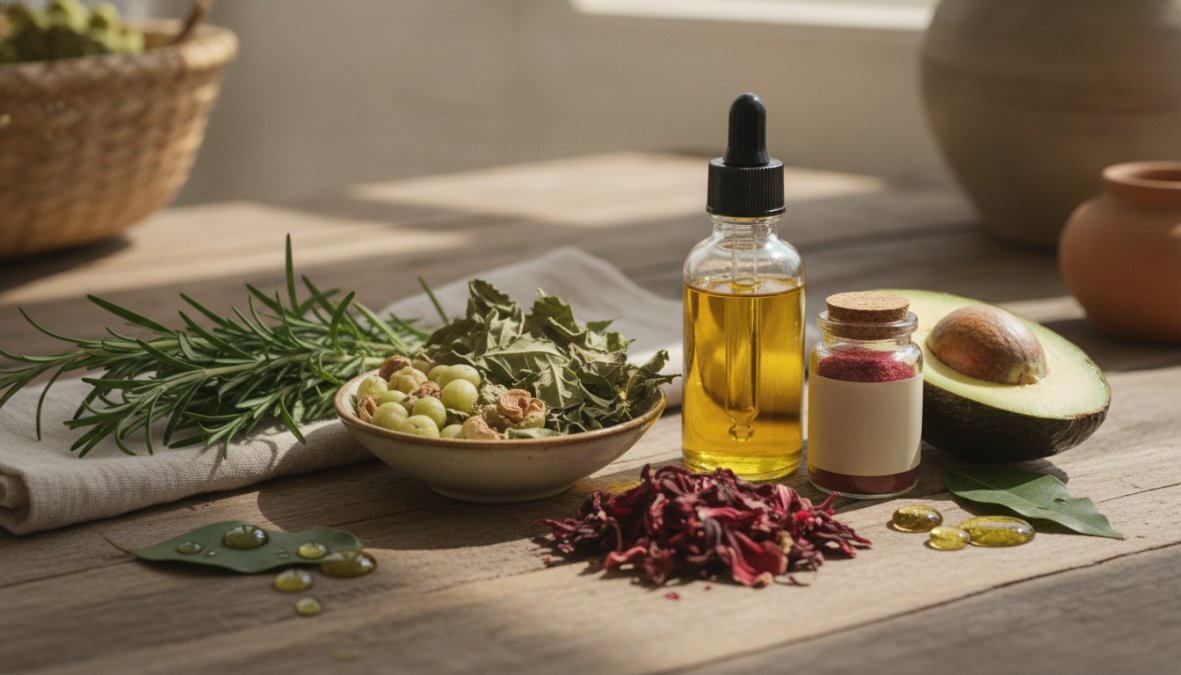
Plant-based formulas work because they deliver bioactive compounds that nourish follicles and reduce inflammation without the irritation caused by synthetic surfactants.
Biotin and B-Complex Vitamins
Biotin (vitamin B7) is essential for keratin production, the protein that makes up hair structure. A deficiency directly correlates with hair thinning and breakage. B-complex vitamins work synergistically: B3 (niacin) improves blood flow to the scalp, B5 (pantothenic acid) strengthens hair and reduces breakage, and B6 and B12 regulate sebum production and support the anagen phase.
Pura D'or Original Gold Label Anti-Thinning Shampoo includes biotin alongside 16 other herbal ingredients, specifically designed to reduce breakage-related thinning. Users report thicker-looking hair within 8-12 weeks of consistent use.
:::pro-tip Biotin works best when paired with adequate protein intake and supplemental zinc. Dietary biotin (eggs, almonds, salmon) provides most of the benefit, though Supplements can help fill nutritional gaps when whole-food sources are insufficient. :::
Rosemary Oil and Horsetail Extract
Rosemary oil has been extensively studied for hair growth. A 2015 study in Phytotherapy Research found that rosemary oil was as effective as minoxidil (Rogaine) for promoting hair regrowth over six months, without side effects. It improves microcirculation to the scalp and reduces inflammation.
Horsetail extract contains silica, a mineral critical for hair strength and elasticity, and provides antioxidants that protect follicles from oxidative stress. Innersense Organic Beauty Pure Harmony Hairbath uses both ingredients alongside organic pumpkin seed oil and quinoa protein in a sulfate-free formula designed for fine to medium hair experiencing early-stage thinning.
Caffeine and Scalp Stimulation
Caffeine penetrates the hair shaft and stimulates blood flow to follicles. Briogeo Scalp Revival Charcoal + Biotin Dry Shampoo combines caffeine with Binchotan charcoal to detoxify the scalp and energise follicles between washes. Scalp stimulation works best when paired with a 2-3 minute scalp massage during shampooing.
Ingredient |
Primary Benefit |
Best For |
Typical Concentration |
|---|---|---|---|
Biotin |
Keratin production, strength |
All hair types |
0.1-0.5% |
Rosemary oil |
Microcirculation, regrowth |
Thinning, slow growth |
1-3% |
Horsetail extract |
Silica, elasticity |
Fine, brittle hair |
1-2% |
Caffeine |
Scalp stimulation, energy |
Sluggish follicles |
0.5-1% |
Saw palmetto |
DHT sensitivity reduction |
Hormonal thinning |
1-2% |
Why Sulfate-Free and Nontoxic Formulas Matter
Sulfates (sodium lauryl sulfate, sodium laureth sulfate) are anionic surfactants that strip oils aggressively. They're cheap and lather dramatically, but they also strip the scalp's natural protective lipid layer, triggering inflammation and barrier damage.
A nontoxic formula uses gentler surfactants derived from coconut, rice bran, or other plant sources. These cleanse effectively without stripping, resulting in less inflammation, better moisture retention, and faster follicle recovery. Giovanni 2chic Ultra-Volume Shampoo and SheaMoisture Jamaican Black Castor Oil Strengthen & Restore Shampoo are both sulfate-free, paraben-free, and formulated with plant-based cleansers.
Scalp Microbiome Health and pH Balance
Your scalp hosts a complex microbiome of bacteria and fungi that maintain scalp health when balanced. Harsh cleansers disrupt this microbiome, allowing pathogenic bacteria to proliferate and causing inflammation and accelerated hair loss.
A pH-balanced formula (ideally 4.5-5.5, matching your scalp's natural acidity) preserves the microbiome. Rahua Voluminous Shampoo is pH-balanced and formulated with Rahua oil, a traditional Amazonian ingredient rich in omega fatty acids. It removes buildup without stripping, making it ideal for sensitive scalps experiencing thinning.
Top Organic Shampoos for Hair Loss and Thinning
Plant-Based Formulas with Proven Ingredients
Pura D'or Original Gold Label Anti-Thinning Shampoo combines 17 herbal ingredients, including biotin, argan oil, nettle extract, and saw palmetto. It's clinically tested to add body and reduce shedding, free from sulfates, parabens, and phthalates. Many users report visible thickening within 8-12 weeks.
Avalon Organics Biotin B-Complex Thickening Shampoo offers exceptional value, combining biotin, saw palmetto, and quinoa protein in a vegetarian formula. Users report softer, shinier hair and reduced tangling.
Innersense Organic Beauty Pure Harmony Hairbath is formulated for fine to medium hair using natural cleansers from coconut, rice bran, and avocado oil alongside pumpkin seed oil and rice extracts. It's certified organic and prioritises clean chemistry.
Briogeo Scalp Revival Charcoal + Biotin Dry Shampoo is a unique dry shampoo targeting scalp health. Binchotan charcoal detoxifies, biotin nourishes, and witch hazel balances oil production. It's 99% naturally derived, vegan, and cruelty-free.
Rahua Voluminous Shampoo uses Rahua oil, green tea antioxidants, and citrus to clarify and nourish. It's gentle enough for daily use and colour-treated hair, delivering noticeable volume and strength.
Giovanni 2chic Ultra-Volume Shampoo combines papaya butter and tangerine extract to boost volume in fine, limp hair. It's vegan, sulfate-free, and widely available at affordable prices.
SheaMoisture Jamaican Black Castor Oil Strengthen & Restore Shampoo is formulated for damaged, colour-treated, or chemically processed hair. The combination of black castor oil, shea butter, and peppermint oil strengthens against breakage and invigorates the scalp.
Acure Vivacious Volume Shampoo uses peppermint and echinacea to energise the scalp and strengthen strands. Quinoa protein boosts volume and prevents breakage. It's affordable, vegan, and free from parabens and sulfates.
Dermatologist-Approved Clean Beauty Options
The Honest Company Shampoo + Body Wash Everyday Gentle is formulated with aloe, calendula, and chamomile extract. It's tear-free, hypoallergenic, and dermatologist-tested, making it suitable for sensitive scalps.
How to Choose Nontoxic Haircare: Verification and Certification
Not all "natural" claims are equal. Greenwashing is rampant in the beauty industry, with brands using terms like "natural" and "organic" without third-party verification.
Reading Labels: Paraben-Free, Fragrance-Free, and Organic Certification
Paraben-free means the formula doesn't contain parabens (methylparaben, propylparaben, etc.), synthetic preservatives linked to endocrine disruption. Fragrance-free means no added scent, neither synthetic nor essential oil. For sensitive scalps, fragrance-free is preferable because fragrance can trigger irritation.
Organic certification is where verification matters most. The best organic haircare for hair fall carries third-party certification:
- COSMOS certification (the gold standard) requires at least 95% organic ingredients with strict limits on synthetic chemicals
- USDA Organic requires 95% organic ingredients
- ACO Certification (Australian standard) aligns with COSMOS and USDA requirements
When reading labels, look for the certification logo, the percentage of organic ingredients (aim for 90%+), a short ingredient list, and absence of synthetic fragrances, parabens, sulfates, and silicones.
Preventing Daily Hair Shedding: Long-Term Efficacy and Realistic Expectations
Hair loss is a marathon, not a sprint. Most users see noticeable improvement in 8-12 weeks of consistent use. This aligns with the hair growth cycle: new hairs entering the anagen phase take time to grow long enough to be visible. If you're experiencing telogen effluvium, recovery takes 3-6 months.
Long-term efficacy depends on consistency. Using a high-quality shampoo 2-3 times weekly is more effective than sporadic use. Pairing haircare with scalp massage (2-3 minutes during shampooing) amplifies results by improving blood flow.
The best organic haircare for hair fall can prevent further damage and support regrowth, but it cannot reverse significant hair loss caused by genetics or advanced androgenetic alopecia without additional interventions like minoxidil or finasteride prescribed by a dermatologist.
Building Your Best Organic Haircare Routine for Hair Fall
A complete routine addresses cleansing, conditioning, and scalp stimulation.
Cleansing, Conditioning, and Scalp Care
Step 1: Cleanse with intention (2-3 times weekly) Use a sulfate-free, nontoxic shampoo formulated for your hair type and concern. Massage the scalp for 2-3 minutes to stimulate blood flow. Focus cleansing on the scalp and roots; let shampoo run through the ends without aggressive scrubbing.
Step 2: Condition strategically (every wash) Apply conditioner to mid-lengths and ends, avoiding the scalp. Leave on for 1-2 minutes. A good conditioner seals the hair cuticle, reducing breakage. Look for plant-based conditioning agents like coconut oil, argan oil, or shea butter.
Step 3: Scalp treatment (1-2 times weekly) Use a scalp mask or treatment oil once weekly. Rosemary oil diluted in a carrier oil (coconut or jojoba) provides stimulation and nourishment. Leave on for 20 minutes before shampooing.
Step 4: Minimise heat and tension Air-dry when possible. If using heat, apply a heat-protectant spray first. Avoid tight hairstyles that create traction alopecia. Silk pillowcases reduce friction and breakage during sleep.
Step 5: Patience and monitoring Track shedding over 12 weeks. Normal daily shedding is 50-100 hairs. If you're losing significantly more, consult a dermatologist to rule out underlying health issues.
Step |
Frequency |
Duration |
Key Consideration |
|---|---|---|---|
Cleanse |
2-3 times weekly |
2-3 minutes scalp massage |
Sulfate-free, pH-balanced |
Condition |
Every wash |
1-2 minutes |
Focus on mid-lengths and ends |
Scalp treatment |
1-2 times weekly |
20 minutes |
Optional but powerful |
Heat styling |
As needed |
Minimise frequency |
Use heat protectant |
Monitor progress |
Ongoing |
Track weekly |
Expect 8-12 week timeline |
Conclusion: Invest in Scalp Health with Certified Organic Care
Hair loss is addressable when you understand what's happening at the scalp level. The best organic haircare for hair fall combines proven botanical ingredients, biotin, rosemary, horsetail, caffeine, with a genuinely nontoxic formula that preserves your scalp's natural microbiome and barrier function.
The products covered here represent the spectrum of options available, from budget-friendly to premium. What they share is a commitment to plant-based formulations, third-party certification, and realistic expectations about timelines. Start with a gentle, plant-based shampoo, add a weekly scalp treatment, and give your hair 8-12 weeks to respond.
Frequently Asked Questions
What makes organic haircare better for preventing hair fall than conventional shampoo?
Organic haircare avoids harsh sulfates and synthetic detergents that strip the scalp and weaken hair follicles. COSMOS-certified organic formulas use plant-based ingredients like rosemary oil, biotin, and horsetail extract that nourish the scalp microbiome and support the hair growth cycle naturally. Conventional shampoos often disrupt scalp pH and can trigger telogen effluvium, a temporary shedding condition. Organic options prioritise scalp health, which is foundational to reducing hair breakage and strengthening strands from within.
How long does it take to see results from best organic haircare for hair fall?
Most users notice improvements in hair texture and reduced shedding within 4–8 weeks of consistent use, though visible thickening and density changes typically take 3–6 months. Hair grows through distinct phases—the anagen (growth) phase lasts 2–7 years—so organic formulas work gradually to extend this phase and reduce premature shedding. Long-term efficacy improves with continued use. Patience and consistency matter; results depend on the underlying cause of hair fall and individual scalp chemistry.
What ingredients should I look for to reduce hair thinning and breakage?
Prioritise biotin, B-complex vitamins, rosemary oil, horsetail extract, and caffeine—all scientifically linked to scalp stimulation and hair strength. Look for paraben-free, fragrance-free, and sulfate-free labels to protect scalp microbiome health. Botanical extracts like saw palmetto and nettles support hair density. Ensure the product is COSMOS-certified organic and vegan to guarantee purity and avoid synthetic additives that weaken hair. pH-balanced formulas maintain scalp equilibrium and reduce breakage.
Is COSMOS-certified organic certification really important, or is 'natural' enough?
COSMOS certification is far more rigorous than 'natural' claims alone. COSMOS verifies the entire supply chain, ingredient sourcing, manufacturing practices, and absence of synthetic chemicals—'natural' is unregulated marketing language. Certified products guarantee you're getting genuinely organic, vegan, and cruelty-free haircare without greenwashing. When choosing best organic haircare for hair fall, COSMOS certification provides proof that the formula won't introduce toxins or irritants that exacerbate shedding or scalp sensitivity.
This article was written using GrandRanker
Best Sellers
Read more
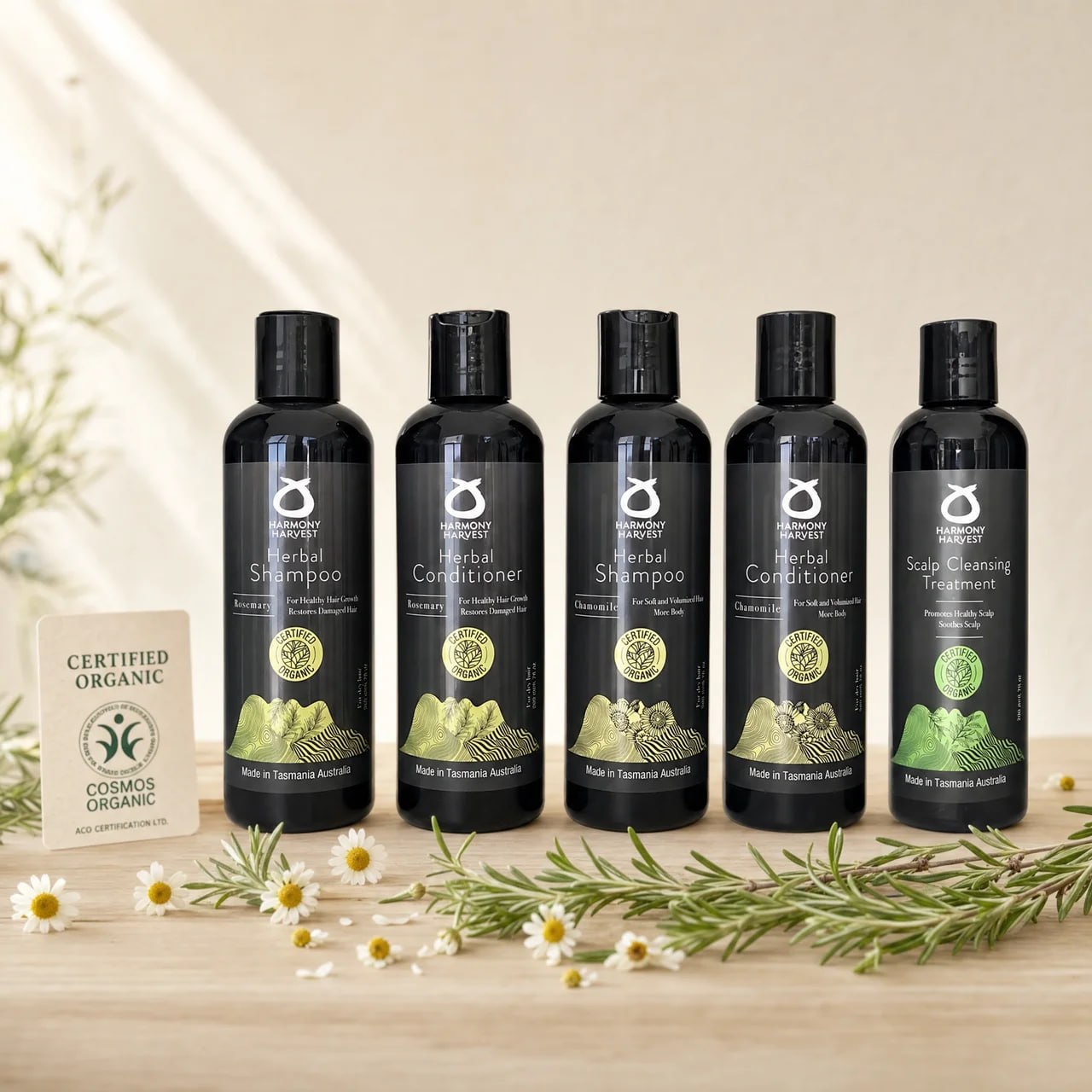
COSMOS Certified Haircare Australia: A Complete Guide
COSMOS certified haircare Australia explained. Learn what certification means, why it matters, and how to identify genuine products. Discover more.
Read more
Best Rosemary Shampoo for Hair Growth: 9 Top Picks
Discover the best rosemary shampoo for hair growth. Compare 9 top picks with biotin, sulfate-free formulas & scalp stimulation. Find yours today.
Read more