


Hair Loss: Causes, Treatments & Natural Care
Table of Contents
- Understanding Hair Loss and the Hair Growth Cycle
- Common Types of Hair Loss and Alopecia
- What Causes Hair Loss: Genetics, Hormones, and Health Factors
- Vitamin Deficiency Hair Loss and Nutritional Support
- Scalp Health Tips for Hair Strength and Growth
- Building a Natural Hair Care Routine That Works
- When to See a Doctor and Available Treatment Options
- Conclusion
Last Updated: August 15, 2026
Understanding Hair Loss and the Hair Growth Cycle
Hair loss affects many people at different life stages, yet most of us don't fully understand what's happening beneath the scalp. Your hair grows in cycles, and understanding these phases helps explain why hair loss occurs and what triggers it.
Hair loss happens when the natural growth cycle becomes disrupted. The hair growth cycle has three main phases: anagen (growth), catagen (transition), and telogen (resting). During the anagen phase, hair actively grows for two to seven years. The catagen phase lasts a few weeks, when hair stops growing. Finally, the telogen phase lasts several months, during which hair rests before shedding and new hair begins growing.
Most people shed 50 to 100 hairs daily as part of this natural cycle. When shedding exceeds this normal range, or when hair doesn't regrow properly, that's when hair loss becomes noticeable. This disruption can stem from stress, nutritional gaps, hormonal changes, or underlying health conditions. Understanding these patterns helps you recognise whether your hair loss is temporary or requires attention.
The American Academy of Dermatology's guide to hair loss outlines that the scalp contains approximately 100,000 hair follicles, each cycling independently. This means at any given time, some follicles are in growth phase while others are resting. When this balance shifts, you'll notice thinning or increased shedding.
Common Types of Hair Loss and Alopecia
Different patterns of hair loss point to different underlying causes. Recognising which type you're experiencing is the first step toward addressing it effectively.
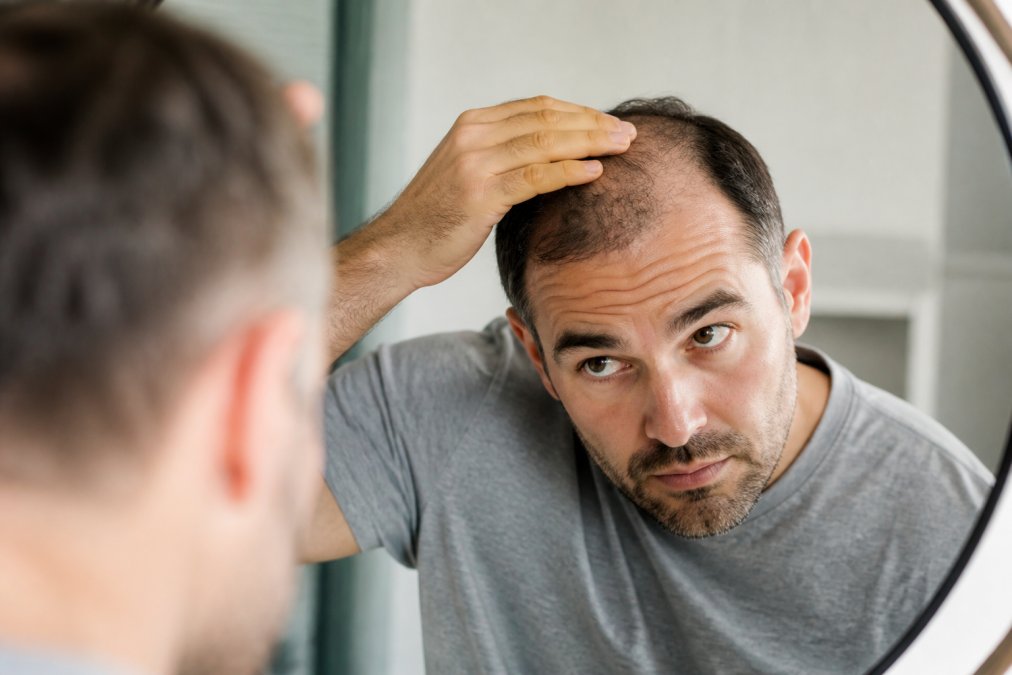
Androgenetic alopecia, commonly called male or female pattern baldness, is the most common form of hair loss. It's hereditary and involves sensitivity to androgens, a group of hormones. In this condition, hair follicles shrink over time, producing thinner strands until they stop producing visible hair altogether. This type typically shows a clear pattern: receding hairlines or thinning at the crown.
Telogen effluvium occurs when a large number of hair follicles enter the resting phase simultaneously, usually triggered by physical or emotional stress, illness, or major life changes. Unlike androgenetic alopecia, this type is often reversible. Hair typically regrows once the stressor is removed and the growth cycle normalises.
Anagen effluvium happens when something interrupts the active growth phase, causing hair to shed prematurely. This type is commonly associated with chemotherapy, severe infections, or toxic exposures. Hair loss in this case is more sudden and can affect the entire scalp.
Alopecia areata is an autoimmune disease where the body's immune system attacks hair follicles, resulting in patchy hair loss. This condition can appear suddenly and affect any part of the body with hair. Some people experience complete baldness, while others have small, isolated bald patches.
Other forms include scarring alopecia, where inflammation damages follicles permanently, and trichotillomania, a psychological condition involving hair pulling. Each type requires a different approach to treatment and management.
What Causes Hair Loss: Genetics, Hormones, and Health Factors
Hair loss rarely has a single cause. Most often, it results from a combination of genetic predisposition, hormonal changes, and lifestyle factors working together.
Genetics plays a significant role in androgenetic alopecia. If your parents or grandparents experienced hair loss, your risk increases substantially. However, genetics doesn't guarantee you'll lose hair, it simply makes you more susceptible. Environmental and lifestyle factors then determine whether that genetic risk actually manifests.
Hormonal imbalance is another major trigger. The hormone DHT (dihydrotestosterone) affects hair follicles in genetically predisposed individuals, causing them to shrink. Thyroid disorders, polycystic ovary syndrome (PCOS), and menopause can all disrupt hormonal balance and lead to hair loss. Women often notice increased shedding during hormonal transitions, particularly after pregnancy or during perimenopause.
Scalp inflammation and infection also contribute to hair loss. Conditions like seborrheic dermatitis or fungal infections compromise scalp health, creating an environment where hair struggles to grow. A compromised scalp barrier can trigger both telogen effluvium and localised thinning.
Stress, whether physical or emotional, shifts hair follicles into the telogen phase prematurely. This is why you might notice increased shedding after a major life event, prolonged illness, or sustained anxiety. The good news is that stress-related hair loss is usually temporary and reversible once stress levels decrease.
Nutritional deficiencies also play a critical role. Hair needs specific vitamins and minerals to grow strong and healthy.
Vitamin Deficiency Hair Loss and Nutritional Support
Hair is made of protein, and its growth depends on a range of micronutrients. When your diet lacks essential vitamins and minerals, hair growth suffers first, often before you notice other signs of deficiency.
Iron deficiency is one of the most common nutritional causes of hair loss, particularly in women of reproductive age. Iron carries oxygen to hair follicles, and without adequate iron, follicles can't function properly. This often manifests as telogen effluvium, where widespread shedding occurs. If you're experiencing unusual hair loss alongside fatigue or shortness of breath, iron levels are worth investigating.
Vitamin B12 deficiency affects hair health significantly. B12 supports red blood cell formation and energy production in follicles. Vegans and vegetarians are at higher risk, as B12 is primarily found in animal products. Supplementation or dietary adjustment can help restore hair growth once levels normalise.
Zinc deficiency impairs protein synthesis, which is essential for hair structure. Without adequate zinc, hair becomes brittle and sheds more easily. This mineral also supports immune function, so deficiency can trigger alopecia areata or worsen existing autoimmune conditions affecting hair.
Vitamin D plays a role in regulating the hair growth cycle. Research suggests that deficiency correlates with various types of alopecia. Since many people have insufficient vitamin D, especially in winter months or with limited sun exposure, supplementation may help support hair health.
Biotin (vitamin B7) is often marketed for hair health, and whilst biotin does support keratin production, deficiency is rare in people eating a balanced diet. However, supplementing biotin may provide modest benefits if your intake is low.
A nutrient-rich diet supports hair from the inside. Focus on protein-rich foods, leafy greens, nuts, seeds, and fatty fish. If you suspect nutritional deficiency, blood tests can confirm which nutrients need attention, allowing you to address the root cause rather than just treating symptoms.
Scalp Health Tips for Hair Strength and Growth
A healthy scalp is the foundation for strong hair. Without addressing scalp health, even the best hair care products will have limited impact.
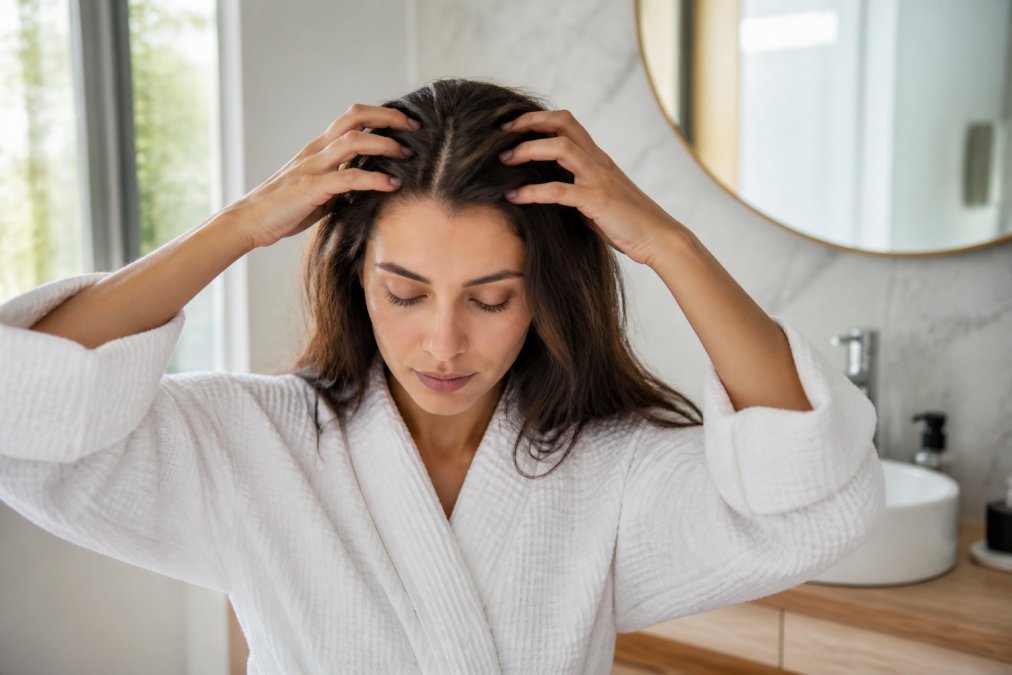
Scalp massage increases blood flow to hair follicles, delivering oxygen and nutrients more effectively. Spend a few minutes daily using your fingertips to massage your scalp in gentle circular motions. This simple practice costs nothing and can be done whilst watching television or during your morning routine. Consistent scalp massage may improve hair density over time by enhancing the follicle's nutrient supply.
Scalp cleansing removes buildup that blocks follicles and irritates the skin. However, over-washing strips natural oils that protect the scalp. Most people benefit from washing two to three times weekly with a gentle, sulfate-free cleanser. If you have oily hair, you might wash more frequently; if your scalp is dry, less frequent washing works better.
Avoid harsh chemical treatments that damage the scalp barrier. Frequent colouring, chemical relaxers, and harsh styling products can inflame the scalp and trigger hair loss. If you use these treatments, space them out and use nourishing products between applications to support scalp recovery.
Scalp inflammation often goes unnoticed until hair loss becomes obvious. Signs include redness, itching, flaking, or tenderness. If you experience these symptoms, switch to a gentle, anti-inflammatory cleanser and consider consulting a dermatologist. A healthy scalp feels calm and balanced, not irritated or uncomfortable.
Harmony Harvest's COSMOS-certified organic hair care range is formulated to support scalp health without harsh chemicals. Plant-based ingredients work gently to cleanse and nourish, creating an environment where hair can thrive.
Building a Natural Hair Care Routine That Works
A consistent, gentle hair care routine prevents damage and supports the conditions hair needs to grow strong.
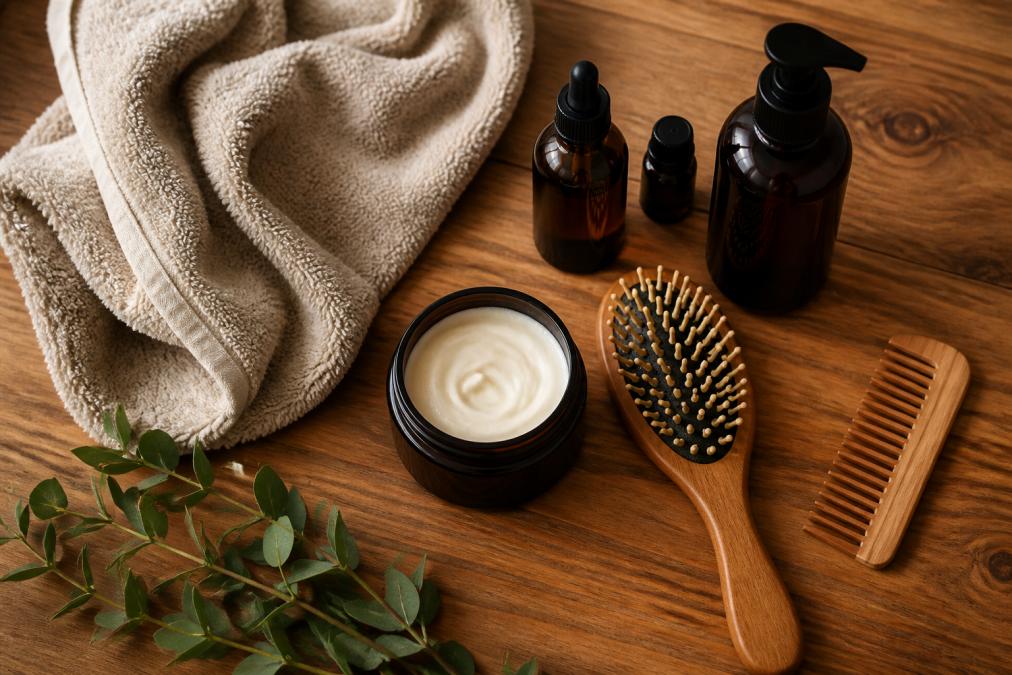
Start with a gentle cleanser suited to your hair type. Sulphate-free shampoos are gentler than conventional options, as sulphates strip natural oils and can irritate the scalp. Massage the cleanser into your scalp rather than roughly scrubbing, as aggressive washing damages the hair shaft and irritates follicles.
Conditioning is essential for hair strength. After shampooing, apply conditioner to the mid-lengths and ends of your hair, avoiding the scalp if your hair is fine or oily. Leave it on for a few minutes to allow deep hydration. Well-conditioned hair is less prone to breakage, which means longer hair and fuller appearance over time.
Weekly treatments amplify your routine's benefits. A nourishing hair mask or oil treatment once weekly provides intensive hydration and repairs damage from styling and environmental stress. Leave these treatments on for at least 10 to 15 minutes, or even overnight if your hair is very dry.
Minimise heat styling whenever possible. Blow dryers, flat irons, and curling tools damage the hair shaft, causing breakage and thinning appearance. When you do use heat, apply a heat-protective product first and use the lowest effective temperature. Air-drying is gentler and often produces better results.
Be gentle when your hair is wet, as wet hair is more fragile than dry hair. Use a wide-tooth comb rather than a brush, and detangle from the ends upward. Avoid tight hairstyles that pull on the scalp, as this can trigger traction alopecia, a form of hair loss caused by prolonged tension on follicles.
Natural, plant-based products support this routine without introducing harsh chemicals. Harmony Harvest's hair care collection is COSMOS-certified organic and vegan, designed to nourish hair whilst respecting both your scalp and the environment.
When to See a Doctor and Available Treatment Options
Sometimes hair loss signals an underlying health condition that requires professional evaluation. Knowing when to seek help prevents unnecessary worry and ensures you address serious causes promptly.
See a dermatologist if your hair loss is sudden, widespread, or accompanied by scalp pain, redness, or other symptoms. Rapid hair loss might indicate telogen effluvium, alopecia areata, or an infection requiring treatment. A dermatologist can perform a biopsy or pull test to determine the type of hair loss and recommend appropriate treatment.
Blood tests help identify nutritional deficiencies, thyroid disorders, hormonal imbalances, or autoimmune conditions. If you suspect your hair loss stems from a health issue rather than genetics or stress, testing provides clarity and direction for treatment.
Treatment options vary depending on the cause. For androgenetic alopecia, minoxidil (applied topically) and finasteride (taken orally) are the most established treatments, with evidence supporting their effectiveness in slowing hair loss and sometimes regrowing hair. These work best when started early and require ongoing use to maintain results.
Corticosteroids may help with alopecia areata by suppressing the autoimmune attack on follicles. Hair transplant surgery is an option for advanced androgenetic alopecia, moving hair from areas of dense growth to thinning areas. Laser therapy shows promise in some studies, though results vary.
For stress-related or nutritional hair loss, addressing the underlying cause often resolves the problem without additional treatment. Once stress decreases or nutritional deficiencies are corrected, hair typically regrows within several months as the growth cycle normalises.
A holistic approach combining medical treatment (if needed), nutritional support, scalp care, and stress management offers the best outcomes for most people experiencing hair loss.
Hair loss is often reversible when you address its root cause. Whether your hair loss stems from genetics, stress, nutrition, or scalp health, taking action now prevents further thinning and supports regrowth.
Start by examining your scalp health and hair care routine. Gentle cleansing, consistent nourishment, and stress management create the foundation for stronger hair. If you're concerned about nutritional gaps, consider adjusting your diet or consulting a healthcare provider about testing.
Explore Harmony Harvest's COSMOS-certified organic hair care collection, formulated with pure Australian botanicals to support scalp health and hair strength naturally. Our vegan, cruelty-free range nourishes your hair without harsh chemicals, making it safe for the whole family.
Frequently Asked Questions
How can I tell the difference between normal shedding and hair loss?
Shedding 50-100 hairs daily is normal as part of your hair cycle. Hair loss becomes concerning when you notice thinning patches, visible scalp, or significantly more hair in your brush or shower. If you're losing more than 100 hairs daily for several weeks, or noticing bald patches, consult a GP. Keep track of when hair loss started and any other symptoms to help with diagnosis.
Which vitamin deficiency causes hair loss?
Iron, zinc, vitamin B12, and vitamin D deficiencies are commonly linked to hair loss. Iron deficiency can disrupt the hair growth cycle, while zinc supports hair follicle health. Vitamin B12 is essential for cell division in hair roots, and low vitamin D has been associated with alopecia. A blood test from your GP can identify specific deficiencies. Addressing nutritional gaps through diet or supplements may help restore hair health.
How can I support scalp health during hair loss?
Gentle scalp massage increases blood flow to follicles and can be done daily for 5-10 minutes. Use your fingertips rather than nails to avoid irritation. Keep your scalp clean with a mild, nourishing shampoo and avoid harsh chemicals that damage the scalp barrier. Stay hydrated, manage stress, and ensure adequate sleep—all support scalp health. Consider using COSMOS-certified organic hair care products that provide natural nourishment without synthetic irritants.
Why is androgenetic alopecia more common in women than people realise?
Androgenetic alopecia (pattern hair loss) affects women differently than men—it typically causes overall thinning rather than distinct bald patches. Many women don't recognise it as alopecia because the pattern is subtle. Hormonal changes during menopause, pregnancy, or due to polycystic ovary syndrome can trigger or worsen it. Genetics play a role from both parents. Women often delay seeking help because the condition is less visible, but early intervention can slow progression.
Best Sellers

Read more

Does Organic Hair Growth Shampoo Actually Work?
Explore whether organic hair growth shampoo delivers real results. Learn how plant-based ingredients support scalp health and hair density naturally.
Read more
Dry Hair: Causes, Treatments & Moisture Routines
Discover why your hair feels parched and how to restore moisture. Learn causes, treatments, and routines that actually work for dry hair.
Read more