


Natural Remedies for Hair Fall: Evidence-Based Solutions
Table of Contents
- Understanding the Causes of Hair Fall
- Essential Oils for Hair Growth and Scalp Health
- Vitamins for Hair Fall: Nutritional Solutions
- Scalp Massage for Hair Growth: Techniques and Benefits
- Natural Oils and Botanical Remedies for Hair Fall
- DIY Formulation Safety and Evidence-Based Ranking
- Natural Remedies for Hair Fall: Practical Implementation
- Conclusion
Natural Remedies for Hair Fall: Evidence-Based Solutions
Last Updated: July 15, 2026
Hair fall affects millions of people, yet many dismiss it as inevitable. Natural remedies for hair fall exist with substantial evidence supporting their use. At Harmony Harvest, we've researched plant-based approaches that address the root causes of hair loss rather than simply masking symptoms.
Understanding the Causes of Hair Fall
Hair loss is a symptom with multiple underlying causes. The hair growth cycle consists of three phases: anagen (growth), catagen (transition), and telogen (shedding). When this cycle becomes disrupted, excessive shedding occurs.
Common triggers include nutritional deficiencies, hormonal imbalances, stress, scalp inflammation, and oxidative stress. Some people experience hair thinning from DHT sensitivity (a hormone-related mechanism), while others lose hair due to iron deficiency or inadequate protein intake. The distinction matters because a remedy that works for one person may do nothing for another.
Nutritional Deficiencies and Hair Loss
Hair follicles demand consistent nutrient supply. Without adequate iron, zinc, selenium, and B vitamins, hair roots weaken and shed prematurely. Iron deficiency is particularly common in women and vegetarians; low iron directly impairs the hair growth cycle by reducing oxygen delivery to follicles.
Hair is primarily composed of keratin, a structural protein. If your diet lacks sufficient protein, your body deprioritises hair maintenance. Most people need 0.8-1.0 grams of protein per kilogram of body weight daily; those with significant hair loss may benefit from the higher end of this range.
Biotin (vitamin B7) and folate support hair shaft strength. Vitamin D deficiency correlates with alopecia and telogen effluvium (stress-induced shedding).
Hormonal vs. Nutritional Hair Loss
Understanding whether your hair fall is hormonal or nutritional changes your approach entirely. Hormonal hair loss, particularly androgenetic alopecia (pattern baldness), involves sensitivity to DHT and genetic predisposition. Nutritional hair loss typically develops gradually and responds quickly to dietary correction, often within 8-12 weeks once nutrient levels normalise.
If you've experienced sudden shedding after poor nutrition, stress, or illness, nutritional deficiency is likely. If your hair loss follows a family pattern and worsens despite good nutrition, hormonal factors probably dominate.
| Hair Loss Type | Primary Cause | Timeline to Results | Best First Step |
|---|---|---|---|
| Nutritional | Iron, protein, vitamin deficiency | 8-12 weeks | Dietary audit and supplementation |
| Hormonal (androgenetic alopecia) | DHT sensitivity + genetics | 6-12 months | Dermatologist consultation |
| Stress-induced (telogen effluvium) | Acute physical or emotional stress | 3-6 months | Stress reduction + nutrition |
| Scalp inflammation | Poor scalp health, product irritation | 4-8 weeks | Scalp massage, botanical oils |
Essential Oils for Hair Growth and Scalp Health
Essential oils have been used in traditional medicine for centuries, and modern research increasingly validates their efficacy. These concentrated plant extracts contain active compounds that stimulate blood flow, reduce inflammation, and create an environment where hair follicles thrive.
Essential oils must be diluted in carrier oils before applying to skin. Undiluted application can cause irritation.
Rosemary Oil and DHT Blockers
Rosemary oil stands out as one of the most studied essential oils for hair growth. Research suggests it improves scalp circulation, reduces inflammation, and potentially blocks DHT conversion at the hair follicle level. The active compounds, cineole and camphor, penetrate the scalp and stimulate follicles directly.
Mix 5-10 drops of rosemary essential oil into 30 millilitres of coconut oil or jojoba oil. Apply to your scalp using gentle massage motions, focusing on areas of thinning. Leave on for 15-20 minutes, then shampoo thoroughly. Perform this treatment 2-3 times weekly.
Peppermint oil offers similar benefits, with evidence suggesting it may increase follicle size. Lavender oil reduces scalp inflammation and improves circulation.
Application Methods and Safety Profile
The safest method is diluted topical application. Never apply undiluted essential oils directly to your scalp, as this risks contact dermatitis.
Perform a patch test before full scalp application. Apply diluted oil behind your ear and wait 24 hours. If no irritation develops, proceed with full application. If you're pregnant, nursing, or taking medications, consult a healthcare provider before regular use.
Vitamins for Hair Fall: Nutritional Solutions
Supplementation becomes necessary when dietary intake falls short. Not all hair loss supplements are equal; some have strong evidence, others rely on marketing hype.
Iron Deficiency and Protein Intake
Iron deficiency anaemia is a leading nutritional cause of hair loss, particularly in menstruating women. If your ferritin levels are below 30 nanograms per millilitre, iron supplementation should be your first intervention. Iron supports haemoglobin production, which carries oxygen to hair follicles.
Iron supplementation requires medical oversight. Work with a healthcare provider to test your iron status and determine appropriate dosing. Typical supplementation ranges from 15-65 milligrams daily, depending on your deficit.
Protein intake directly impacts hair shaft strength and growth rate. Aim for 1.2-1.6 grams of protein per kilogram of body weight if experiencing significant hair loss.
Melatonin and Antioxidant Support
Melatonin functions as a potent antioxidant and may support hair growth by reducing oxidative stress at the follicle level. Typical supplemental doses range from 1-5 milligrams taken in the evening.
Vitamin E, selenium, and vitamin C work synergistically as antioxidants, protecting hair follicles from free radical damage. Vitamin E enhances blood flow and reduces scalp inflammation. A daily dose of 400 IU is generally considered safe and effective.
Biotin (vitamin B7) strengthens the hair shaft and may reduce breakage. Dosing typically ranges from 2.5-5 milligrams daily.
Scalp Massage for Hair Growth: Techniques and Benefits
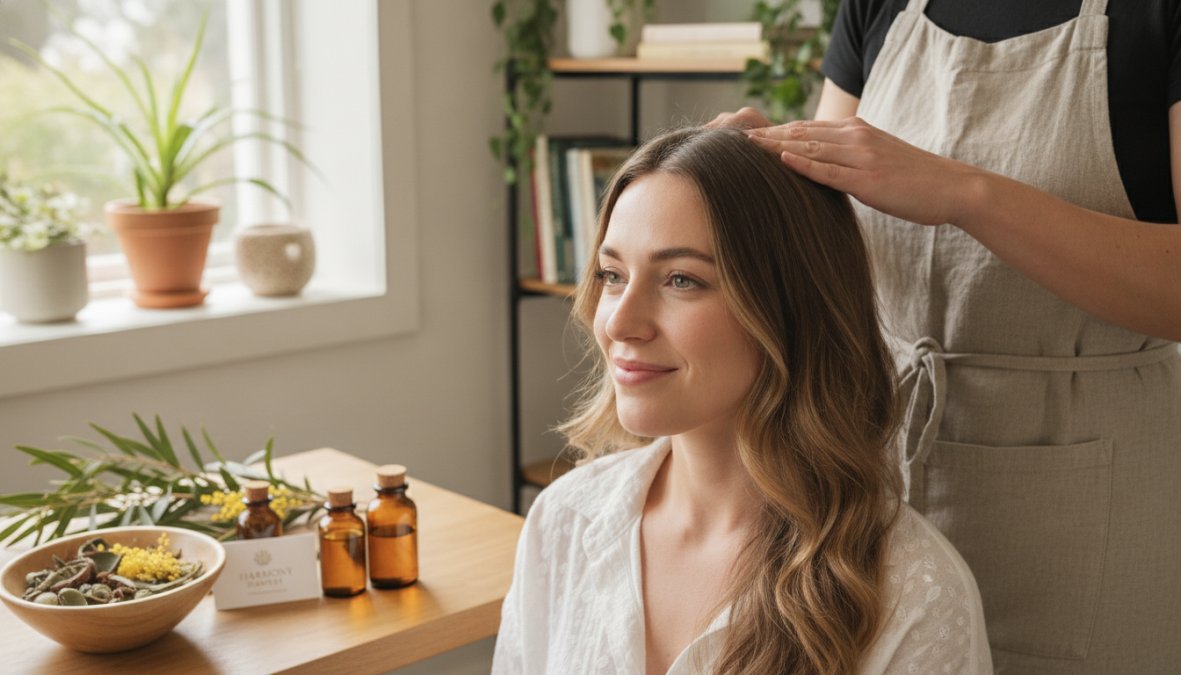
Scalp massage increases blood flow to hair follicles, delivering oxygen and nutrients whilst removing metabolic waste products. Regular massage also reduces tension in scalp muscles, which can restrict circulation.
How to Perform Effective Scalp Massage
Begin with dry or lightly damp hair. Using your fingertips (not nails), apply gentle pressure to your scalp using small circular motions. Start at your hairline and work backwards towards the crown, then move to the sides and back of your head.
The pressure should feel firm but comfortable. Light to moderate pressure is more effective than aggressive pressure, which can reduce blood flow through compression.
Spend 5-10 minutes on this process. You can perform it whilst shampooing, after showering, or before bed. Consistency matters more than intensity, daily or near-daily massage produces better results than occasional intensive sessions.
Frequency and Expected Results
Daily scalp massage for 5-10 minutes is ideal. However, 4-5 times weekly still produces significant benefits. Most people notice improved scalp sensation within 1-2 weeks. Visible improvements in hair density and shedding typically emerge within 8-12 weeks of consistent practice.
Scalp massage works best when combined with nutritional support, botanical oils, and stress management.
Natural Oils and Botanical Remedies for Hair Fall
Plant-based oils and herbal extracts contain bioactive compounds that address multiple mechanisms of hair loss simultaneously. Unlike single-mechanism pharmaceuticals, botanical remedies often work through several pathways: improving circulation, reducing inflammation, blocking DHT, and nourishing the hair shaft.
Coconut Oil, Castor Oil and Aloe Vera
Coconut oil penetrates the hair shaft and reduces protein loss, preventing breakage and brittleness. It also has antimicrobial properties that support scalp health. Apply to damp hair, focusing on roots and scalp. Leave on for 20-30 minutes (or overnight), then shampoo thoroughly.
Castor oil is thicker and more occlusive. It contains ricinoleic acid, which may reduce scalp inflammation and improve circulation. Mix it with a lighter oil like jojoba to improve spreadability.
Aloe vera reduces scalp inflammation and creates an optimal environment for hair growth. Apply fresh aloe vera gel directly to your scalp, massage gently, and leave on for 15-20 minutes before rinsing.
Herbal Extracts: Fenugreek, Hibiscus and Onion Juice
Fenugreek seeds contain compounds that may strengthen hair roots and reduce DHT sensitivity. Soak fenugreek seeds overnight, grind into a paste, and apply to your scalp. Leave on for 30 minutes, then rinse. Perform this treatment 1-2 times weekly.
Hibiscus flowers are rich in amino acids and vitamin C, both essential for hair strength. Make a paste from dried hibiscus petals and coconut oil, apply to your scalp and hair, and leave on for 20 minutes before shampooing.
Onion juice has gained attention for its sulphur content and potential to improve blood circulation. Blend a raw onion, strain the juice, and apply directly to your scalp. Leave on for 15 minutes, then shampoo thoroughly. Use once or twice weekly.
DIY Formulation Safety and Evidence-Based Ranking
Creating your own hair remedies allows customisation and cost savings, but safety matters. The most evidence-based natural remedies, ranked by clinical support and practical efficacy:
- Scalp massage - consistent evidence for improved circulation and reduced shedding
- Rosemary oil (diluted) - multiple studies supporting follicle stimulation and DHT reduction
- Nutritional supplementation - iron, protein, and vitamin D address root causes for nutritional hair loss
- Aloe vera - reduces inflammation and supports optimal scalp environment
- Castor and coconut oils - improve hair shaft quality and reduce breakage
- Fenugreek and hibiscus - traditional use with emerging evidence
- Onion juice - some evidence but limited studies; strong smell limits compliance
When to Seek Professional Medical Intervention
Natural remedies work best for nutritional hair loss, stress-induced shedding, and mild to moderate androgenetic alopecia. However, some conditions require professional assessment:
- Sudden hair loss (more than 100 hairs daily) developing over weeks
- Patchy hair loss or bald spots (suggesting alopecia areata, an autoimmune condition)
- Hair loss accompanied by fatigue, weight changes, or other systemic symptoms
- Severe androgenetic alopecia in young people
- Hair loss unresponsive to natural remedies after 4-6 months
A dermatologist can perform scalp examination, blood tests, and potentially scalp biopsy to identify underlying causes. Natural remedies and medical treatments aren't mutually exclusive. Combining them often produces better results than either alone. Always inform your dermatologist about supplements and topical treatments you're using.
Natural Remedies for Hair Fall: Practical Implementation
Understanding remedies intellectually differs from implementing them consistently. Most people fail not because the remedies don't work, but because they abandon them after weeks when results aren't visible.
Common Mistakes to Avoid
Expecting overnight results. Hair growth takes time. Even if you correct the underlying problem today, visible improvement requires 8-12 weeks minimum.
Applying too much product. More oil doesn't mean better results; it means scalp buildup and irritation. Use modest amounts: 5-10 drops of essential oil diluted in carrier oil, or a coin-sized amount of aloe vera gel.
Inconsistent application. Sporadic treatment produces sporadic results. Daily or near-daily consistency matters far more than occasional intensive treatments.
Ignoring nutrition. You cannot oil your way out of iron deficiency or protein insufficiency. Topical treatments support but don't replace nutritional foundations.
Using irritating products simultaneously. If you're applying essential oils to your scalp, avoid harsh sulphate-based shampoos that strip natural oils. Switch to gentle, plant-based cleansers.
Building Your Hair Health Routine
A sustainable routine integrates multiple approaches without becoming overwhelming:
Week 1-2: Foundation
- Assess your nutrition: protein intake, iron status, vitamin D levels
- Begin daily scalp massage (5 minutes)
- Switch to a gentle, sulphate-free shampoo
Week 3-4: Add botanical support
- Introduce rosemary oil or aloe vera treatments 2-3 times weekly
- Begin supplementation if iron or vitamin D are deficient (with medical guidance)
- Increase protein intake by one palm-sized serving daily
Week 5-8: Optimise and monitor
- Continue all above practices
- Add a second botanical oil or herbal treatment if desired
- Reduce stress through meditation, exercise, or other practices
Week 9-12: Assess progress
- Evaluate shedding: is it decreasing?
- Check hair texture: is it stronger, shinier?
- Look for new growth: are baby hairs visible at your hairline?
- If minimal progress, consult a dermatologist
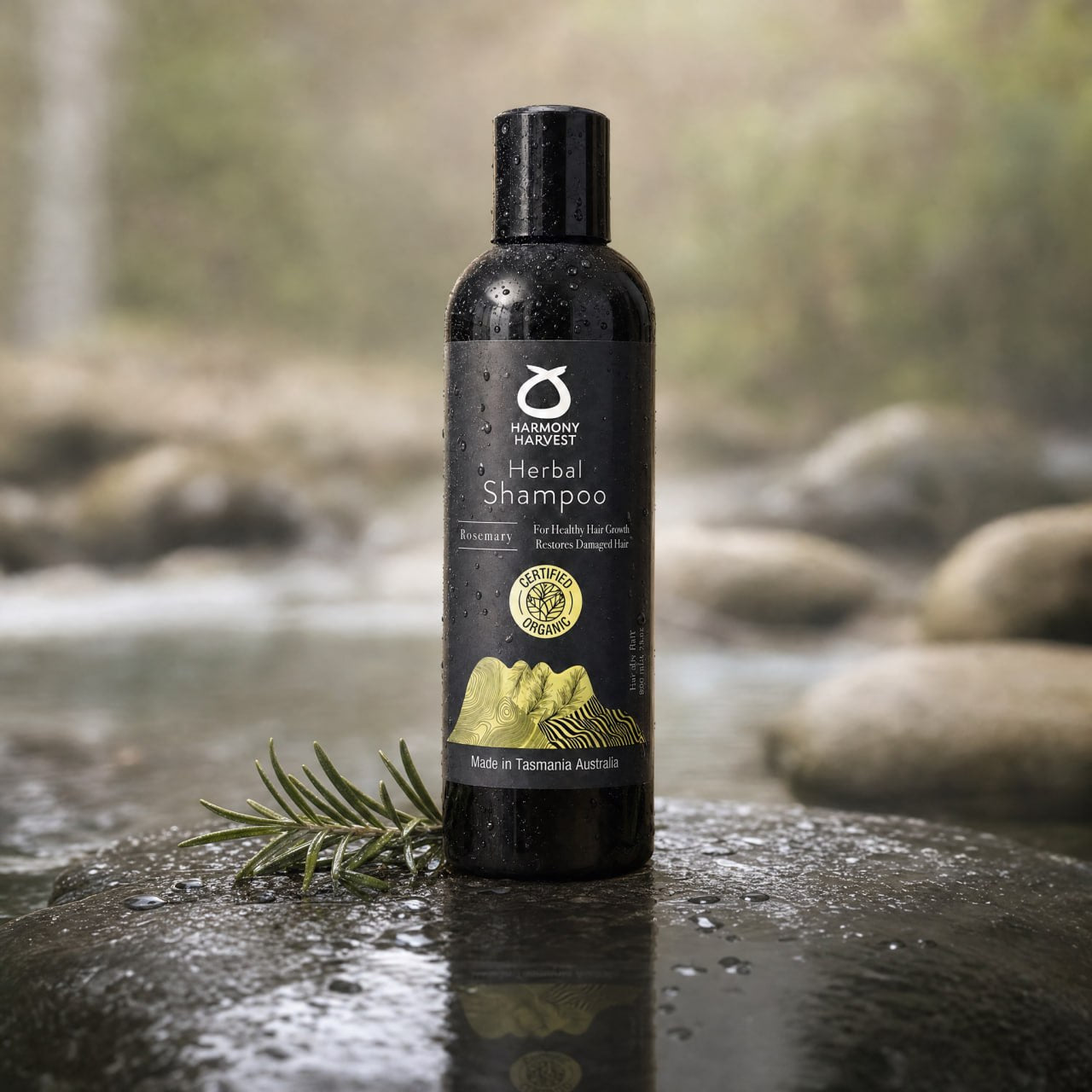
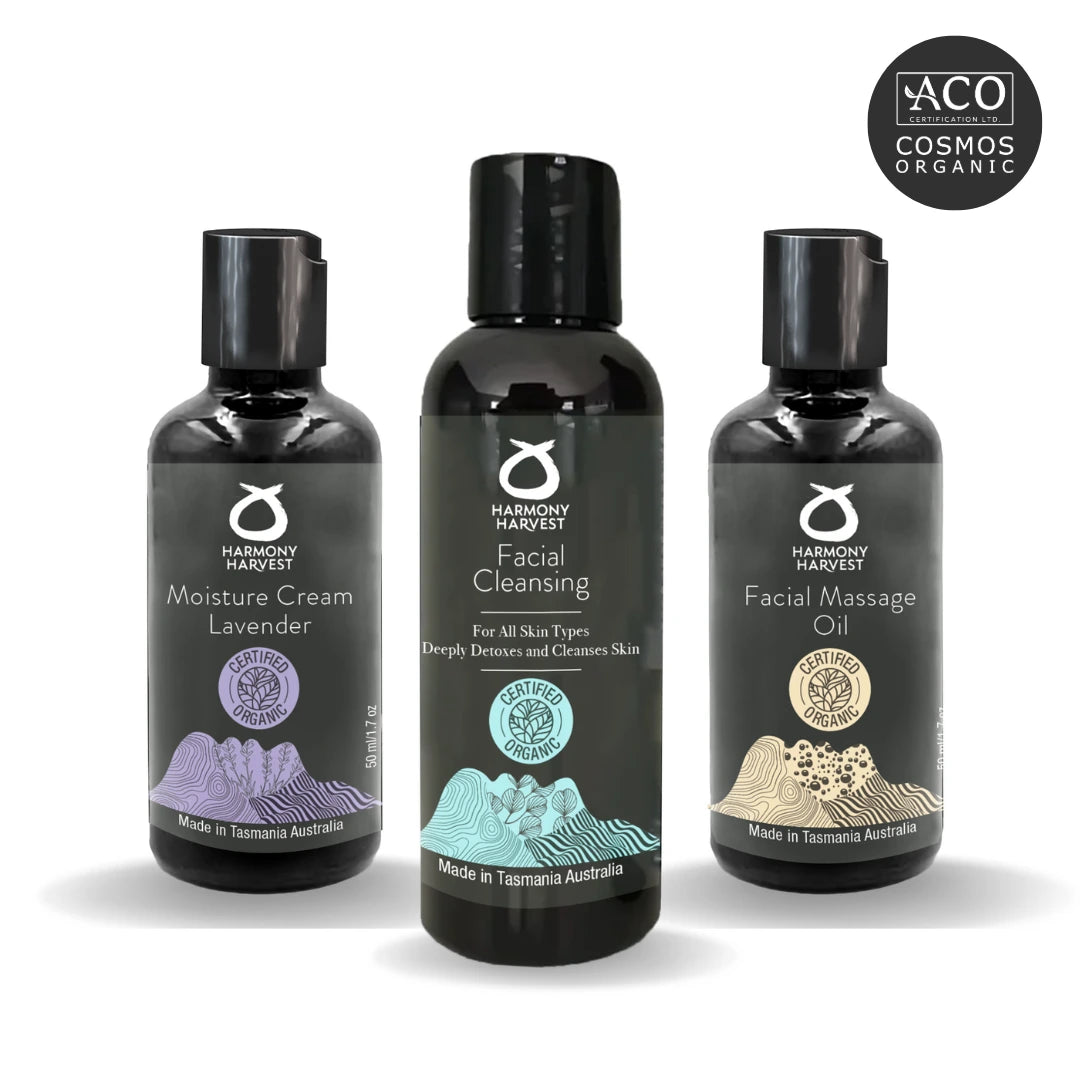
Harmony Harvest's Hair Care collection includes COSMOS-certified organic, vegan products formulated specifically to support scalp health and hair vitality.
Conclusion
Natural remedies for hair fall address root causes rather than simply masking symptoms. Whether your hair loss stems from nutritional deficiency, hormonal factors, or scalp health, evidence-based approaches exist: scalp massage, botanical oils, targeted supplementation, and dietary optimisation.
The most effective strategy combines multiple approaches: assess your nutrition, perform daily scalp massage, apply botanical oils consistently, and manage stress. Results take time, but most people see meaningful improvements within 8-12 weeks of consistent practice.
Start with the foundations: nutrition and scalp massage. These cost little and require only consistency. Once you've established these habits, add botanical support tailored to your specific situation.
Harmony Harvest's Hair Care collection provides COSMOS-certified organic, vegan products designed to support your natural remedies and scalp health journey. Our plant-based formulas work alongside the techniques and nutritional approaches outlined here, delivering concentrated botanical nutrients without synthetic additives or harsh chemicals.
Frequently Asked Questions
What are the most effective natural remedies for hair fall?
The most effective natural remedies for hair fall include rosemary essential oil (which may support hair follicles and scalp health), scalp massage to improve circulation, adequate protein intake, and botanical extracts like fenugreek and hibiscus. Combining these approaches, addressing both nutritional deficiencies and topical care, tends to yield better results than relying on a single remedy. Results vary individually, and consistency is key.
How can essential oils for hair growth help reduce hair thinning?
Essential oils like rosemary may help reduce oxidative stress and inflammation around hair roots, supporting the hair growth cycle. When diluted properly and applied to the scalp through massage or topical application, they can improve scalp health and potentially strengthen the hair shaft. Always dilute essential oils in a carrier oil before use, and perform a patch test first to check your safety profile for any sensitivities.
What deficiency causes hair fall, and how do vitamins help?
Iron deficiency, low protein intake, and insufficient B vitamins are common nutritional factors linked to hair fall. These nutrients support hair follicles and the growth cycle. Vitamins for hair fall, including iron, zinc, and B-complex vitamins, help nourish hair roots from within. If you suspect a deficiency, consult a healthcare provider for testing and personalised supplementation advice.
Can scalp massage for hair growth really work, and how often should I do it?
Scalp massage may improve blood flow to hair follicles and reduce tension, supporting overall scalp health. Gentle massage for 5-10 minutes, 3-4 times per week, is a safe starting point. Consistency matters more than intensity. While clinical efficacy varies, many people report improved scalp comfort and reduced shedding. Pair it with nutrient-rich diet and topical remedies for best results.
Are there any Harmony Harvest products that support natural hair health?
Yes, Harmony Harvest offers a dedicated Hair Care collection formulated with COSMOS-certified organic, vegan botanicals designed to support scalp health and hair vitality. These plant-based formulas are free from synthetic detergents and harsh chemicals, making them gentle for regular use alongside natural remedies. Visit the Hair Care collection to explore options that complement your natural hair fall routine.
This article was written using GrandRanker
Best Sellers

Read more
Australian Haircare Brands: A 2026 Guide
Discover the best Australian haircare brands for every hair type. Learn what makes them unique, eco-conscious, and why they're worth trying.
Read more
COSMOS Certified Haircare Australia: A Complete Guide
COSMOS certified haircare Australia explained. Learn what certification means, why it matters, and how to identify genuine products. Discover more.
Read more