


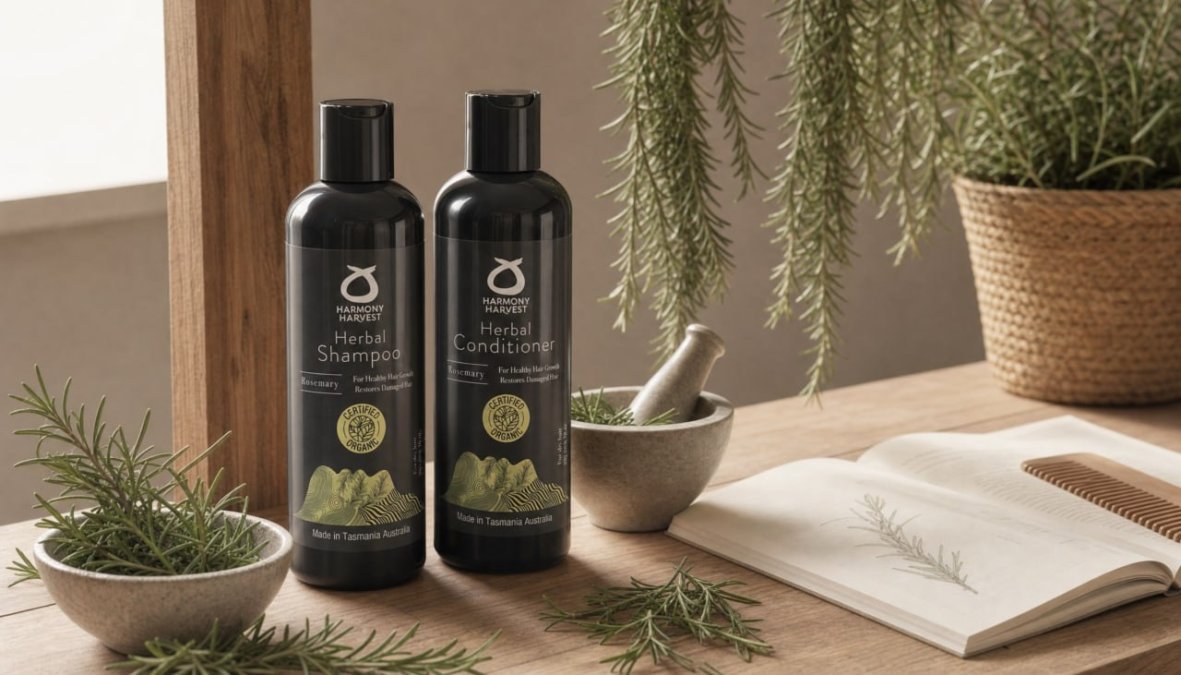
Australian Haircare Brands: A 2026 Guide
Table of Contents
- What Makes Australian Haircare Brands Stand Out
- Natural Australian Haircare: Ingredient Transparency and Sourcing
- Australian Haircare for Curly Hair: Hydration and Texture Care
- Vegan Australian Haircare: Cruelty-Free Beauty Without Compromise
- Australian Haircare Brands for Thinning Hair: Strengthening and Growth Support
- Choosing the Right Australian Haircare Brand for Your Hair Type
- Common Mistakes to Avoid When Switching to Australian Haircare
- Conclusion
Last Updated: July 15, 2026
What Makes Australian Haircare Brands Stand Out
Australian haircare brands offer distinct advantages grounded in local expertise, native botanicals, and sustainable practices that international competitors cannot match. Consumers increasingly seek haircare solutions reflecting their values: environmental responsibility, ingredient transparency, and genuine efficacy. These brands deliver solutions rooted in both science and nature, whether addressing curly hair hydration, thinning hair strengthening, or vegan formulas aligned with ethical values.
Native Botanicals and Local Sourcing
Australian haircare brands rest on native botanicals thriving in the country's distinctive climate and used for centuries by Indigenous peoples. Ingredients like kakadu plum, Davidson plum, and native finger limes deliver potent antioxidants and vitamin C that strengthen hair follicles and promote scalp health. Local sourcing supports sustainable farming practices and reduces carbon footprint from international ingredient shipping.
Local sourcing also means fresher ingredients with full potency retained from harvest to formulation. Direct relationships between brands and growers create transparency consumers increasingly demand, allowing you to trace ingredient origins and understand cultivation practices.
Sustainable Packaging and Eco-Conscious Practices
Leading Australian haircare brands demonstrate genuine commitment to reducing environmental impact through recyclable or compostable packaging, eliminated plastic components, and refill programs encouraging container reuse. Some offer concentrated formulas reducing packaging volume while delivering equivalent applications.
This eco-conscious approach extends to manufacturing: water-efficient production methods, renewable energy sources, and waste-reduction initiatives significantly lower environmental footprint compared to mass-market competitors.
Natural Australian Haircare: Ingredient Transparency and Sourcing
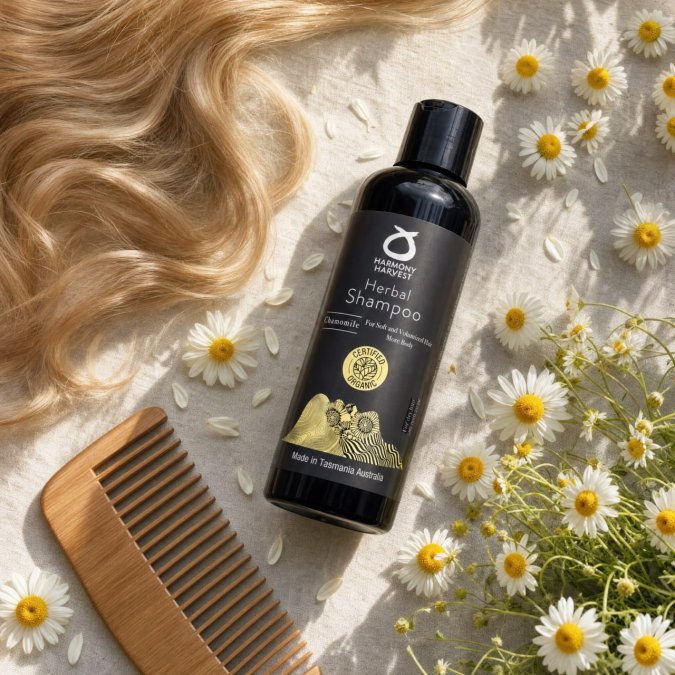
Natural Australian haircare emphasises clean formulations built on botanical extracts, plant-based proteins, and mineral compounds rather than synthetic detergents and chemical additives. Transparency means manufacturers openly disclose every ingredient, explain its purpose, and provide evidence of safety and efficacy.
Why Ingredient Transparency Matters
Choosing an Australian haircare brand prioritising transparency offers concrete advantages: identifying potential allergens before use, understanding exactly what you're paying for, and building trust in product quality. Many conventional haircare products contain sulphates, parabens, and synthetic fragrances that strip natural oils, damage the scalp barrier, and accumulate over time. Australian haircare brands committed to clean beauty eliminate these ingredients, using plant-based cleansers, natural preservatives like vitamin E, and essential oils delivering both fragrance and therapeutic benefits. Beyond Hair Care, many Australian beauty brands extend this philosophy to Facial Care and Body Care, ensuring consistency across your entire skincare routine.
Reading Labels and Identifying Clean Formulas
Start with the ingredient list; the first five items indicate what the product actually contains. Look for recognisable botanical names: Elaeis guineensis (coconut oil), Ricinus communis (castor oil), Aloe barbadensis (aloe vera). Avoid red flags: sulphates (sodium lauryl sulphate), parabens (methylparaben, propylparaben), silicones (dimethicone), and vague "fragrance" declarations. Check for COSMOS-certified organic products and cruelty-free certifications ensuring no animal testing.
Ingredient Type |
What to Look For |
What to Avoid |
Why It Matters |
|---|---|---|---|
Cleansers |
Coconut-derived, plant-based |
Sulphates |
Protects natural hair oils |
Conditioning |
Plant butters, oils, proteins |
Silicones |
Allows moisture absorption |
Preservatives |
Vitamin E, rosemary extract |
Parabens |
Reduces chemical accumulation |
Fragrance |
Essential oils, named botanicals |
Generic "fragrance" |
Transparency and skin safety |
Australian Haircare for Curly Hair: Hydration and Texture Care
Curly hair demands specialised care addressing its unique structure. Moisture travels down straight hair easily but curls trap moisture at the root whilst ends remain dry. Australian haircare brands designed for curly hair formulate to define curls, hydrate deeply, and support natural texture.
Key Ingredients for Curl Definition
Curly hair thrives with ingredients providing slip, moisture retention, and protein balance. Look for shea butter, coconut oil, and plant-based proteins like quinoa or rice protein coating the hair shaft and reducing frizz. Kakadu plum offers exceptional benefits; its vitamin C content strengthens hair structure, reducing breakage particularly problematic in curls.
Aloe vera hydrates without heaviness, essential for curls easily weighed down. Glycerin and vegetable-derived humectants draw moisture from air into hair, maintaining hydration in dry environments.
Vegan Australian Haircare: Cruelty-Free Beauty Without Compromise
Vegan Australian haircare rejects animal-derived ingredients like keratin, lanolin, or carmine whilst ensuring no animals suffered in development or testing. Plant-based alternatives often outperform conventional counterparts: vegan proteins from pea, hemp, or coconut strengthen hair as effectively as animal-derived keratin and absorb more readily.
Plant-based conditioning agents like jojoba oil, argan oil, and shea butter provide deep hydration comparable to lanolin-based products. Vegan haircare also tends gentler on sensitive scalps. Choosing vegan aligns with environmental values; plant-based ingredients require less land, water, and resources than animal agriculture.
Australian Haircare Brands for Thinning Hair: Strengthening and Growth Support
Thinning hair demands targeted intervention. Australian haircare brands formulated for hair density focus on strengthening individual strands, supporting scalp health, and creating environments where hair grows robustly.
Ingredients That Support Scalp Health and Hair Density
A healthy scalp is the foundation of dense, strong hair. Look for biotin supporting keratin production, niacinamide improving scalp circulation, and caffeine stimulating blood flow to follicles. Plant-based proteins coat the hair shaft and reinforce structure, reducing breakage. Zinc and iron support healthy growth cycles through plant-based sources like pumpkin seed oil or nettle extract.
Tea tree oil maintains scalp health through antimicrobial and anti-inflammatory properties, whilst rosemary extract stimulates circulation. A clean, balanced, well-nourished scalp environment supports stronger, longer-lasting hair. For comprehensive hair health support, some people also incorporate Supplements designed to nourish hair from within, complementing topical haircare treatments.
Choosing the Right Australian Haircare Brand for Your Hair Type
Matching your specific hair needs with a brand's formulation philosophy and ingredient profile ensures effectiveness. Identify your primary concern: curl definition, thinning hair, colour protection, or scalp health. Assess secondary characteristics: texture (fine, medium, thick), porosity, and whether hair is naturally dry, oily, or balanced.
Start with a shampoo and conditioner pairing from the same brand, formulated to work together. Use consistently for at least two weeks before evaluating results. Many Australian haircare brands offer sample sizes or starter kits for testing before full-size commitment.
When evaluating value, consider cost per application rather than bottle price. Concentrated formulas requiring small amounts per wash may cost more upfront but last significantly longer. Mid-range Australian haircare brands typically offer excellent value, delivering professional-grade results without luxury pricing.
Hair Concern |
Best Approach |
Expected Timeline |
Routine Frequency |
|---|---|---|---|
Curly hair definition |
Hydrating shampoo + curl cream |
2-3 weeks |
Daily or every other day |
Thinning hair |
Strengthening shampoo + scalp treatment |
4-6 weeks |
3-4 times weekly |
Colour-treated hair |
Sulphate-free shampoo + colour mask |
1-2 weeks |
2-3 times weekly |
Sensitive scalp |
Gentle cleanser + soothing treatment |
2-3 weeks |
3-4 times weekly |
Common Mistakes to Avoid When Switching to Australian Haircare
Transitioning to new Australian haircare often triggers an adjustment period. The most common mistake is switching products too frequently; hair needs 2-4 weeks to adapt. During this period, you might notice temporary changes: increased volume as silicone buildup washes away, initial dryness as scalp adjusts oil production, or temporary frizz as hair rebalances moisture. These indicate the product is working.
Another frequent error involves using too much product. Australian haircare brands often feature concentrated formulas requiring smaller amounts than conventional products. Start with half the normal amount, then adjust based on results.
Avoid mixing Australian haircare brands indiscriminately; different brands formulate with different pH levels and philosophies. Stick with one brand's system for 4-6 weeks before adding products from another. Consistency matters more than constant experimentation.
Conclusion
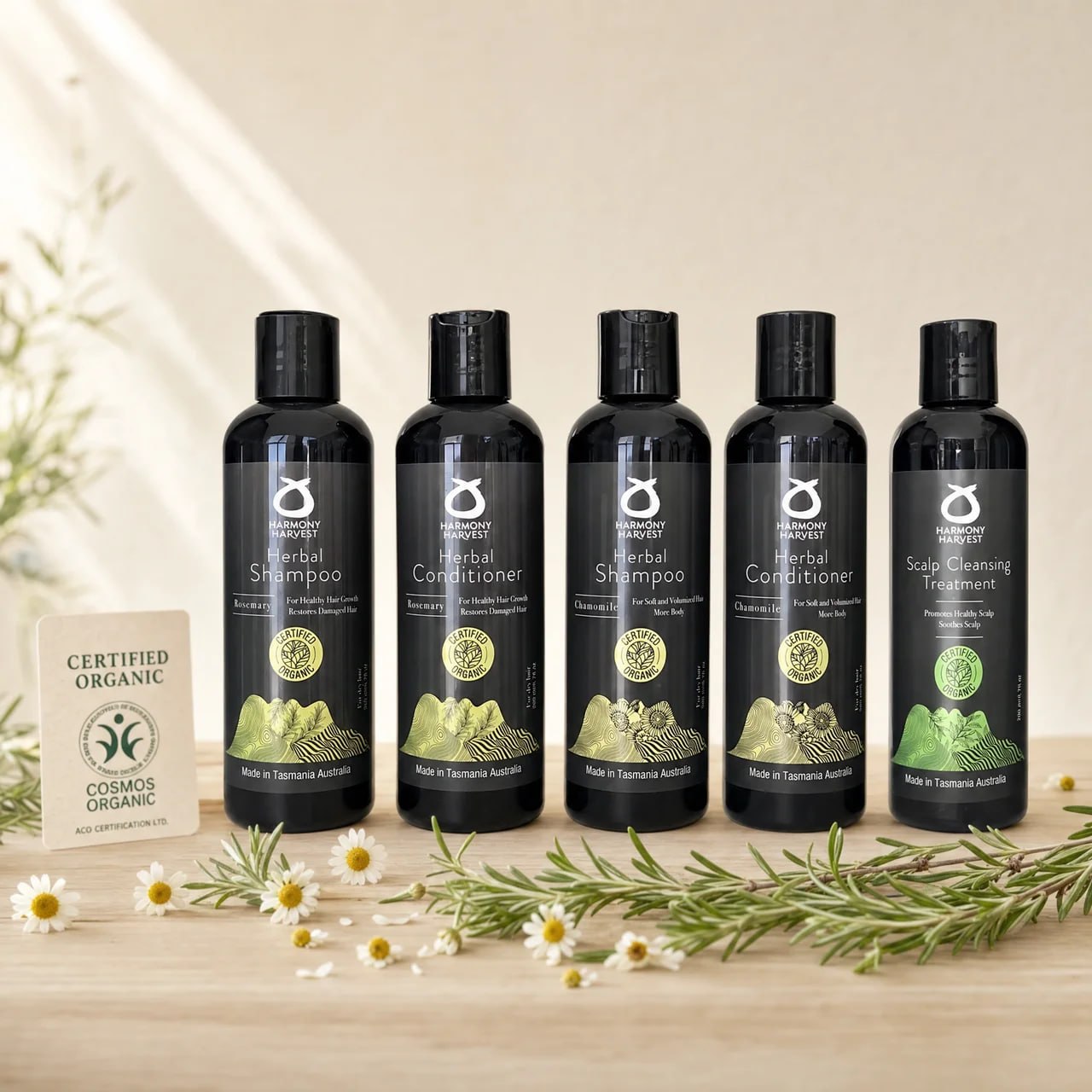
Finding the right Australian haircare brand requires understanding your hair's specific needs, researching ingredient transparency, and committing to a consistent routine. The Australian haircare industry offers exceptional options built on native botanicals, sustainable practices, and genuine commitment to clean beauty. COSMOS-certified organic, vegan formulations deliver salon-quality results without compromise, crafted from pure Australian botanicals and free from harsh chemicals.
Frequently Asked Questions
What are the key differences between Australian haircare brands and mainstream products?
Australian haircare brands often prioritise native botanicals, sustainable sourcing, and transparent ingredient lists. Many are COSMOS-certified organic and vegan, avoiding sulphates, parabens, and synthetic detergents. They typically focus on scalp health, hair repair, and colour-safe formulations whilst maintaining eco-conscious packaging. This commitment to clean beauty and local manufacturing sets them apart from mass-market alternatives.
Are Australian haircare brands suitable for sensitive scalps and thinning hair?
Yes, many Australian haircare brands formulate specifically for sensitive scalps and thinning hair. They use gentle, plant-based ingredients that support scalp health and hair density without harsh chemicals. Look for products containing native botanicals known to strengthen hair and promote growth. Always check ingredient transparency and patch-test before full use to ensure compatibility with your hair type.
What makes vegan Australian haircare different from conventional options?
Vegan Australian haircare excludes animal-derived ingredients and is never tested on animals, making it cruelty-free. These formulas often use plant-based alternatives that are equally effective at hydration, repair, and styling. Many vegan Australian brands combine this ethical approach with COSMOS-certified organic certification, ensuring both your hair and the environment benefit from your choice.
How do I build a complete haircare routine using Australian brands?
Start by identifying your hair type and primary concern—whether curly hair needing hydration, thinning hair requiring growth support, or colour-treated hair needing protection. Choose a shampoo and conditioner suited to your concern, then add targeted treatments like hair masks or serums for extra repair. Ensure products are sulphate-free and paraben-free to protect your hair barrier. Consistency matters more than product count; a simple, quality routine beats complex routines with mediocre products.
Best Sellers
Read more
Australian Organic Haircare Brand: Growing Healthy Hair Naturally
Discover why Australian organic haircare brands protect your scalp barrier. Learn how COSMOS-certified products prevent hair loss naturally.
Read more
Natural Remedies for Hair Fall: Evidence-Based Solutions
Discover natural remedies for hair fall backed by science. Learn essential oils, scalp massage, vitamins and botanical treatments that actually work.
Read more