


Is Plant-Based Skincare Effective for Wrinkles?
Table of Contents
- Is Plant-Based Skincare Effective for Wrinkles? The Honest Answer
- Natural Anti-Ageing Skincare Ingredients: What the Evidence Actually Shows
- Hyaluronic Acid Serum for Anti-Ageing: Hydration, Barrier and Fine Lines
- Plant-Based Skincare for Mature Skin: Elasticity, Firmness and Texture
- A Natural Skincare Routine for Mature Skin That You Will Actually Follow
- Realistic Timelines: What Visible Results Look Like at Four, Eight and Twelve Weeks
- Plant-Based vs Conventional Treatments: Where Each One Fits
- Safety, Allergies and Sensitive Skin: Getting the Basics Right
- Frequently Asked Questions
Last Updated: October 7, 2026
Is Plant-Based Skincare Effective for Wrinkles? The Honest Answer
Plant-based skincare can genuinely improve the look of wrinkles, but only when the formula contains actives that support collagen, hydration and barrier repair.
The short answer: yes, for fine lines, dryness and dullness. Less so for deep wrinkles that took decades to form.
Plant-based skincare is any topical routine built on botanical extracts, plant oils and plant-derived actives instead of synthetic ingredients. Vegan skincare goes a step further and excludes all animal-derived ingredients.
Where it works best is prevention and maintenance. Where it struggles is reversing structural damage.
Below, we break down the ingredients worth your money, the ones that are mostly marketing, and a simple routine that takes minutes a day.
Natural Anti-Ageing Skincare Ingredients: What the Evidence Actually Shows
Not all natural anti-ageing skincare ingredients are equal, and treating them as one category is the fastest way to waste money. The useful question is not "is it plant-based?" but "how strong is the human evidence, and for what outcome?"
Below is an honest ranking of the main categories by evidence quality, not by marketing volume.
How to Read Evidence Quality
Three things separate a well-proven botanical active from a hopeful one:
- Human studies, not lab-dish studies. A result in cultured cells or on skin explants does not automatically translate to a face.
- Duration. Barrier and hydration changes show up in days to weeks. Collagen-related changes need at least eight to twelve weeks of consistent use to be measurable.
- Outcome measured. "Improved appearance" is a weak endpoint. Look for measured hydration, elasticity, wrinkle depth or colour evenness.
Most botanical actives sit in the middle tier: reasonable human evidence for hydration, tone and barrier support, thinner evidence for structural wrinkle reduction.
Vitamin C and Botanical Antioxidants
Vitamin C is the most studied antioxidant in topical skincare, with decades of human research behind it. It supports collagen synthesis, brightens tone and defends against daily oxidative stress.
Plant sources include kakadu plum, rosehip and citrus extracts.
What most guides miss is stability. Vitamin C degrades in light and air, so packaging matters as much as the ingredient list.
Antioxidants help delay signs of ageing rather than erase them. Think of them as daily protection, not repair.
Plant Peptides and Collagen Support
Plant peptides are short chains of amino acids that signal skin to support its own collagen production. They do not replace collagen directly.
Vegan collagen is a marketing term worth understanding. True collagen is animal-derived, so "vegan collagen" usually means a blend of peptides and amino acids that support collagen rather than supply it.
Evidence here is promising but modest.
Ingredients that support collagen production include peptides, vitamin C and certain botanical extracts. Results build slowly over weeks, not days.
Botanical Extracts: Where the Evidence Is Thinnest
Green tea, ginseng, centella and similar extracts have long traditional use and reasonable antioxidant data. What they often lack is large, long, well-controlled human trials measuring wrinkle outcomes specifically.
That does not make them useless. It means they are best treated as supporting players, helpful for calming, hydrating and antioxidant protection, rather than as the headline active you pay a premium for.
A practical rule: if a product's main selling point is an exotic extract with no human wrinkle data, treat the claim with healthy scepticism.
The Honest Summary
- Strongest human evidence: vitamin C, niacinamide, broad-spectrum sunscreen
- Moderate evidence: plant peptides, hyaluronic acid, some botanical antioxidants
- Thinner evidence: most exotic botanical extracts for wrinkle reduction specifically
The pattern is consistent: plant-based actives are genuinely effective for hydration, tone, barrier support and antioxidant protection. For deep structural wrinkle reduction, the evidence is real but modest, and consistency over months matters more than any single hero ingredient.
Hyaluronic Acid Serum for Anti-Ageing: Hydration, Barrier and Fine Lines
Hyaluronic acid serum for anti-ageing works by holding water in the upper layers of skin.
It is one of the few ingredients where you may see a quick difference. Hydration is immediate.
Hyaluronic acid suits almost every skin type, including sensitive skin. It pairs well with vitamin C and peptides.
For best results, apply it to slightly damp skin and seal it with a moisturiser.
The ingredient supports the skin barrier, which is the outer layer that keeps water in and irritants out.
Plant-Based Skincare for Mature Skin: Elasticity, Firmness and Texture
Plant-based skincare for mature skin should target three things: elasticity, firmness and texture.
Skin elasticity is the ability to bounce back. Skin firmness is the underlying support.
No topical product rebuilds lost elasticity overnight.
Antioxidants help here. So does consistent hydration and gentle exfoliation with alpha hydroxy acids from botanical sources.
A common mistake is chasing firmness with harsh products. That damages the barrier and makes skin look older, not younger.
Slow, consistent care wins.
A Natural Skincare Routine for Mature Skin That You Will Actually Follow
A natural skincare routine for mature skin does not need ten steps. It needs three or four done consistently, in the right order, at the right frequency.
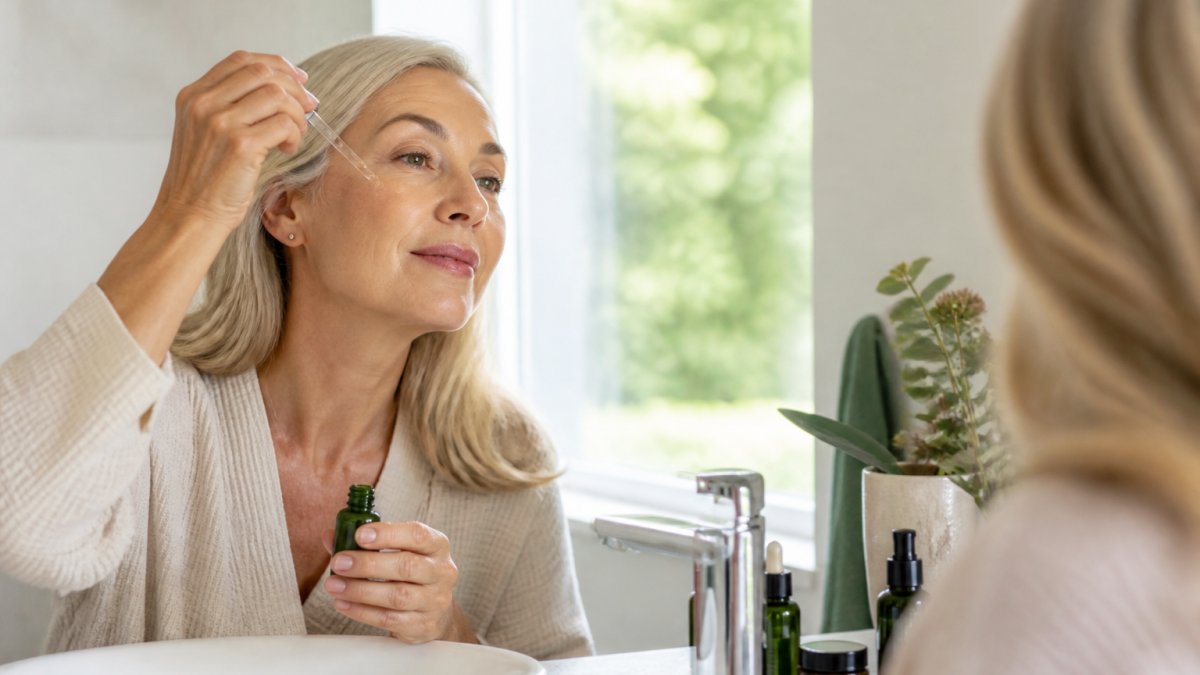
Complex routines fail because life gets busy. Simple ones survive.
The Morning Routine
- Gentle cleanser, a cream or gel cleanser that does not leave skin tight.
- Vitamin C serum, on clean, dry skin. This is your antioxidant layer for the day.
- Moisturiser, seals in hydration and supports the barrier.
- Sunscreen, broad-spectrum, SPF 50, every single morning, no exceptions.
Sunscreen is the single most effective anti-ageing step you can take. It protects everything else you are doing.
The Evening Routine
- Gentle cleanser, remove sunscreen and the day's buildup.
- Hyaluronic acid serum, apply to slightly damp skin so it has water to hold.
- Richer moisturiser or facial oil, seal the hydration in.
Application Order and Frequency
Apply products from thinnest to thickest. Serums before moisturisers, moisturisers before oils. Give each layer a moment to settle; rushing means pilling and wasted product.
Frequency matters more than intensity. Daily gentle care beats weekly harsh treatments.
- Vitamin C: daily, morning
- Hyaluronic acid: daily, morning or evening
- Plant-based retinol alternative: two to three nights per week to start, building slowly
- Botanical AHA exfoliation: once or twice weekly, evening only
- Sunscreen: daily, morning, reapplied if you are outdoors for long stretches
Introducing New Products Safely
Patch test any new product on your inner forearm for a few days before using it on your face. This one habit prevents most reactions.
Introduce one new product at a time and wait a week before adding the next. That way you know what caused any problem.
How to Track Whether It Is Working
Most people quit a good routine because they cannot see progress. A simple tracking habit fixes that.
- Take a photo in the same light, same angle, once every four weeks.
- Note two things only: how skin feels (tight, calm, comfortable) and how it looks (glow, evenness, line softness).
- Do not judge by daily mirror checks. Skin changes are gradual and easy to miss in real time.
If nothing has changed after twelve weeks of consistent use, that is useful information, it means the routine needs adjusting, not that plant-based skincare has failed.
Realistic Timelines: What Visible Results Look Like at Four, Eight and Twelve Weeks
Realistic timelines keep people going when the mirror is slow to cooperate. Here is what you can reasonably expect.
Timeframe |
What You May Notice |
What Is Happening |
|---|---|---|
1-2 weeks |
Softer, more hydrated skin |
Barrier and water levels improve |
4 weeks |
Brighter tone, plumper fine lines |
Antioxidants and hydration build |
8 weeks |
Smoother texture, calmer skin |
Collagen support begins to show |
12 weeks |
Firmer feel, softer appearance of lines |
Cumulative repair becomes visible |
Four weeks is when most people notice a difference in glow and hydration. Around eight weeks, texture and tone tend to improve.
By twelve weeks, the appearance of fine lines may soften. Deeper wrinkles will look less pronounced but will not disappear.
Consistency is the variable that matters most. Skipping days resets the clock.
Plant-Based vs Conventional Treatments: Where Each One Fits
Plant-based and conventional treatments are not enemies. They do different jobs and often work well together.
Conventional actives like prescription retinoids have stronger evidence for deep wrinkle reduction. They also carry more risk of irritation and sensitivity.
Plant-based formulas are gentler, better tolerated and easier to use long term. They suit sensitive skin and daily maintenance.
The practical split looks like this:
- Deep wrinkles: conventional actives have the stronger evidence
- Fine lines and texture: plant-based actives perform well
- Daily protection: antioxidants and sunscreen, always
- Sensitive or reactive skin: plant-based is usually the safer starting point
Many people use both, alternating nights to reduce irritation.
What matters is matching the tool to the job. A gentle botanical routine will not replace a dermatologist's plan for significant concerns.
Safety, Allergies and Sensitive Skin: Getting the Basics Right
Natural does not automatically mean safe. Botanical extracts can trigger allergies, and essential oils are a common culprit.
If your skin is reactive, introduce one new product at a time. Wait a week before adding the next.
Signs to stop using a product include persistent redness, stinging, swelling or a rash.
For anyone with a diagnosed skin condition, check with your doctor before starting a new routine.
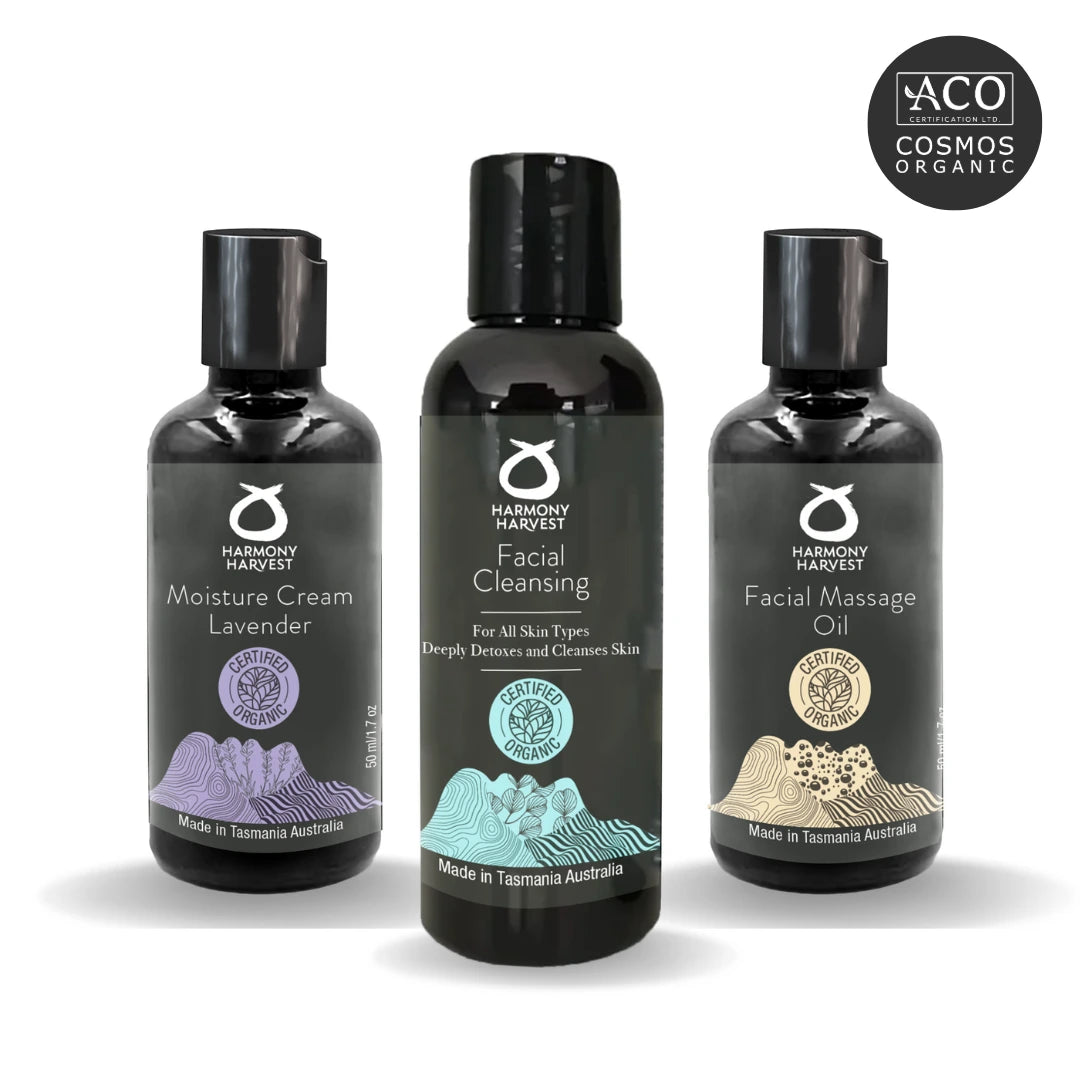
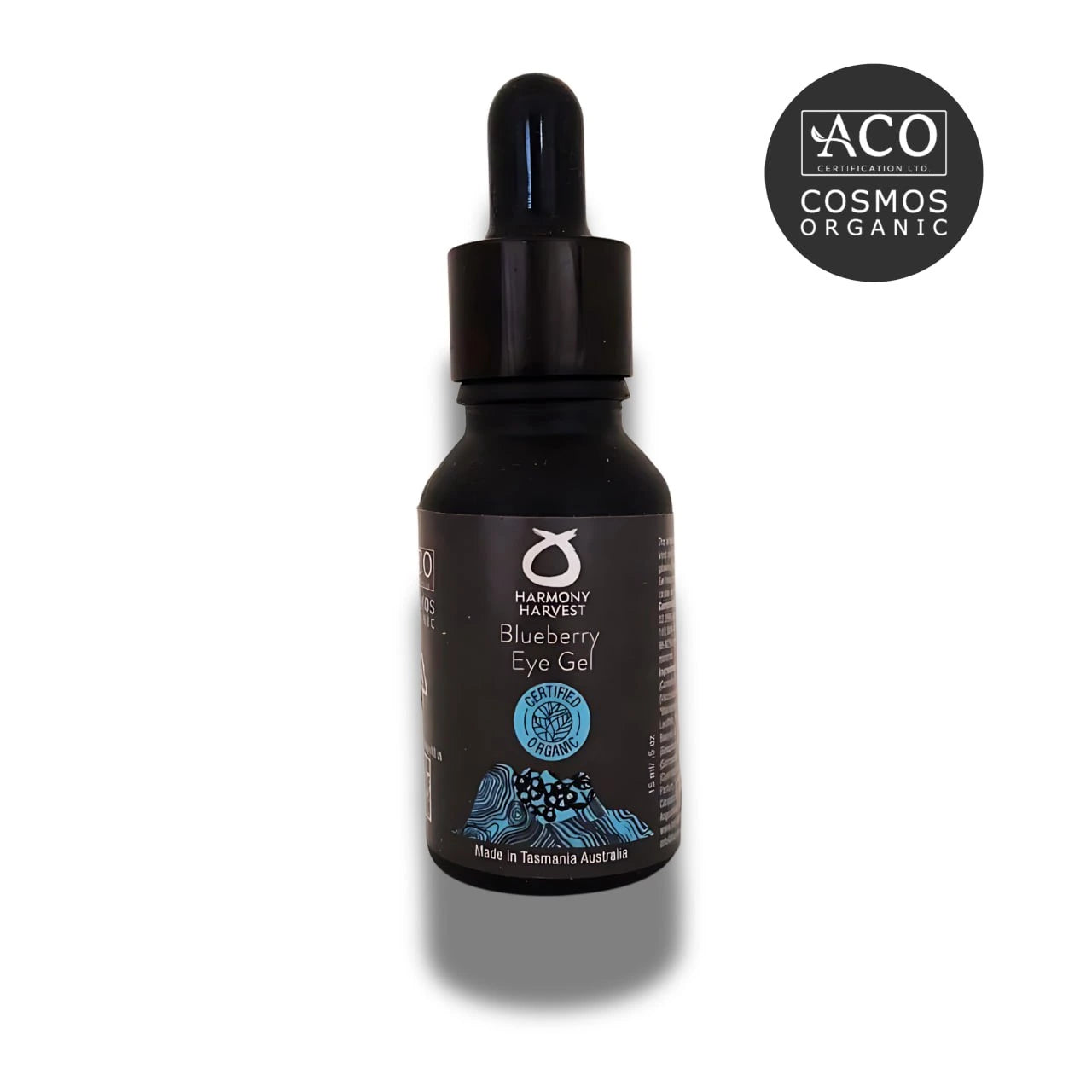
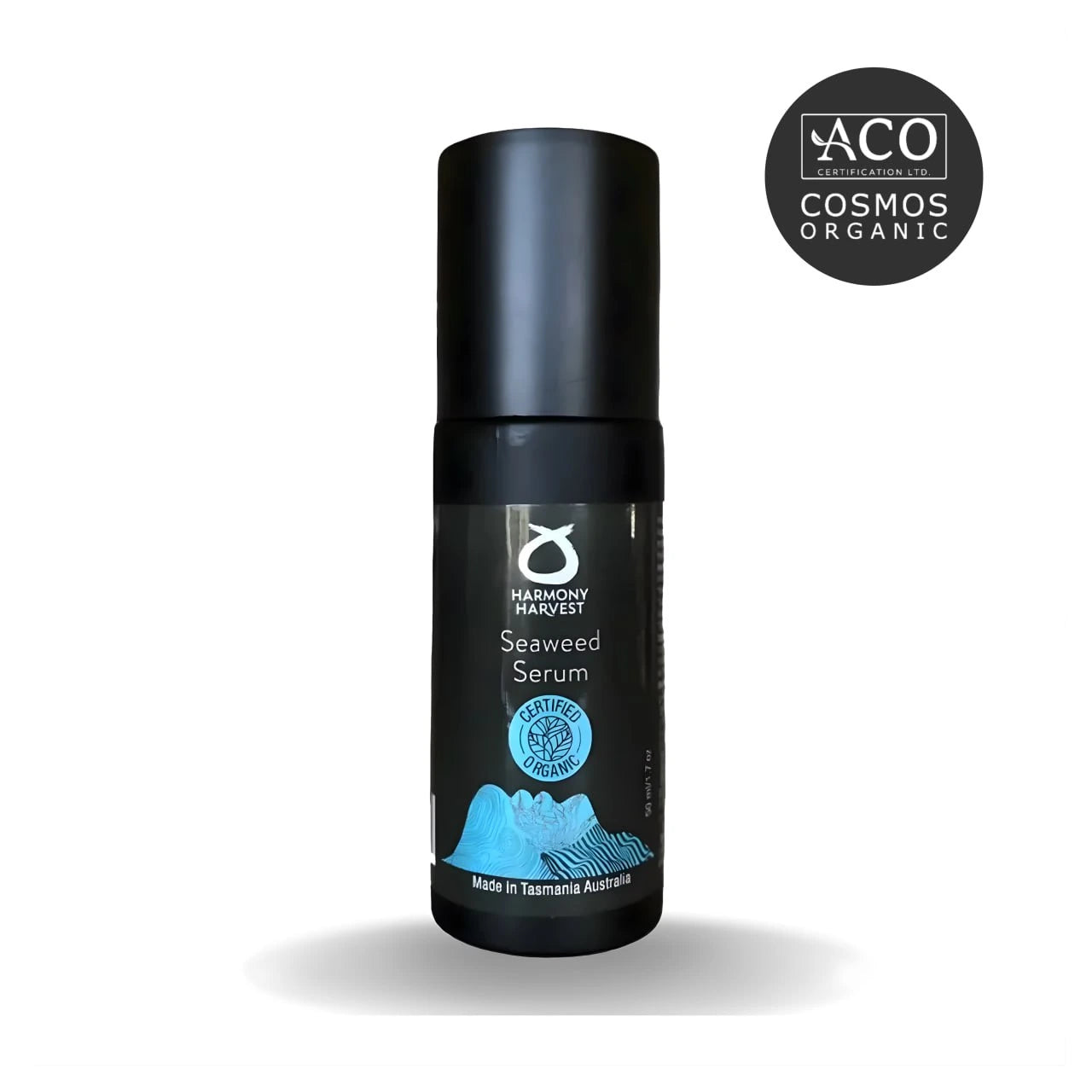
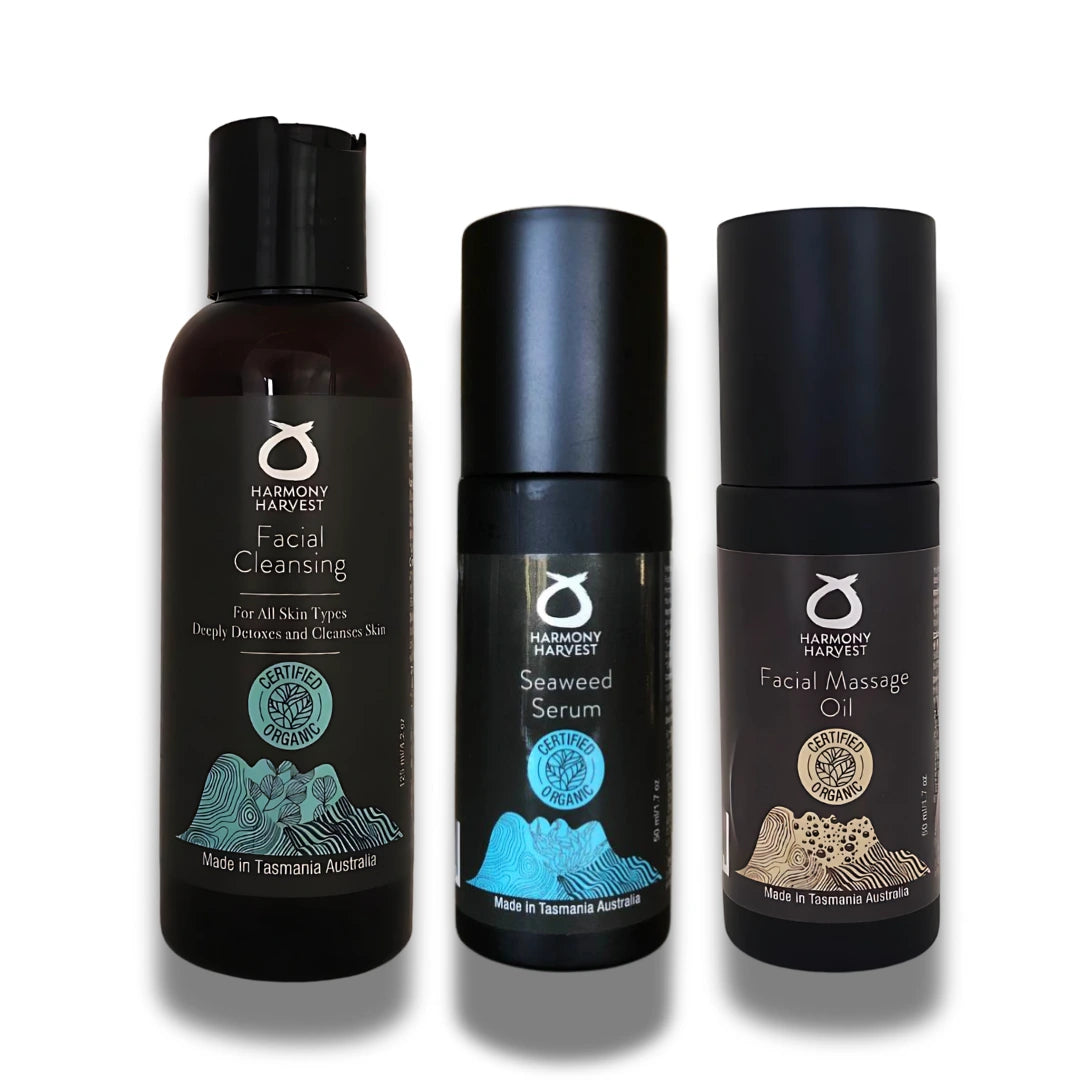
If you are building a routine from scratch, Harmony Harvest's Facial Care range is COSMOS-certified organic and vegan, and a gentle place to start with serums and moisturisers that slot into the steps above.
Gentle, consistent plant-based care supports skin over time. It works best as daily maintenance alongside sun protection, not as a replacement for medical treatment.
Frequently Asked Questions
Is plant-based skincare effective for wrinkles?
Plant-based skincare can improve the appearance of fine lines, mainly by supporting hydration, barrier function and antioxidant protection. Ingredients such as vitamin C, plant peptides and botanical extracts have shown measurable effects on skin smoothness and texture in published studies, often assessed over four to twelve weeks. It is not a replacement for prescription retinoids if you want deeper structural change, but as a daily, well-tolerated approach for mature skin it earns its place.
How long does it take to see results from a natural skincare routine for mature skin?
Most people notice better hydration and smoother texture within two to four weeks, because the skin barrier recovers relatively quickly. Changes to firmness, elasticity and the appearance of wrinkles typically take longer, with studies often running eight to twelve weeks. Consistency matters more than the number of products, so keep the routine simple and give it a full season before judging the outcome.
Which plant-based ingredients help keep mature skin hydrated?
Humectants such as hyaluronic acid and glycerin draw water into the upper layers, while plant oils and butters rich in fatty acids slow water loss. Botanical extracts with antioxidant activity, including green tea and other polyphenol-rich plants, also help protect the barrier from daily stress. Layering a hydrating serum under a richer cream or oil is usually the most effective combination for mature skin.
Can plant-based skincare replace retinol?
For many people with sensitive or reactive skin, a plant-based approach is a gentler daily option that still supports collagen and improves the look of fine lines over time. Retinol has stronger evidence for deeper wrinkle reduction, but it can cause irritation and requires gradual introduction. Some people use both, alternating nights, while others find a plant-based routine alone gives them the visible results they want.
Wrinkles are stubborn, and no single product erases them. What works is a simple routine you can keep up, built on ingredients that genuinely support your skin. At Harmony Harvest, our Facial Care collection is COSMOS-certified organic, vegan and cruelty-free, made with Australian botanicals to hydrate, support collagen and strengthen your skin barrier. Explore the Facial Care range and give your skin the gentle, consistent care it deserves.
Best Sellers
Read more
Natural Anti Aging Ingredients for Dry Skin: 2026 Guide
Discover natural anti aging ingredients for dry skin, from hyaluronic acid to plant oils, plus a simple routine to hydrate and soften fine lines.
Read more
Natural vs Organic Skincare Standards: 2026 Guide
Natural vs organic skincare standards explained: COSMOS Organic certification, label reading, and how to verify claims.
Read more