

Organic Shampoo Australia: What to Look For in 2026
Table of Contents
- Why Organic Shampoo in Australia Is Worth the Switch
- How to Read an Organic Shampoo Label: Certified Organic vs Natural
- Ingredients to Avoid in Shampoo (and What Replaces Them)
- How to Choose the Right Organic Shampoo for Your Hair Type
- Best Organic Shampoo for Dry Hair: What to Look For
- How to Transition to Natural Hair Care Without the Greasy Phase
- Sustainable Packaging and the Environmental Impact of Your Shampoo
- Frequently Asked Questions
Last Updated: September 11, 2026
Why Organic Shampoo in Australia Is Worth the Switch
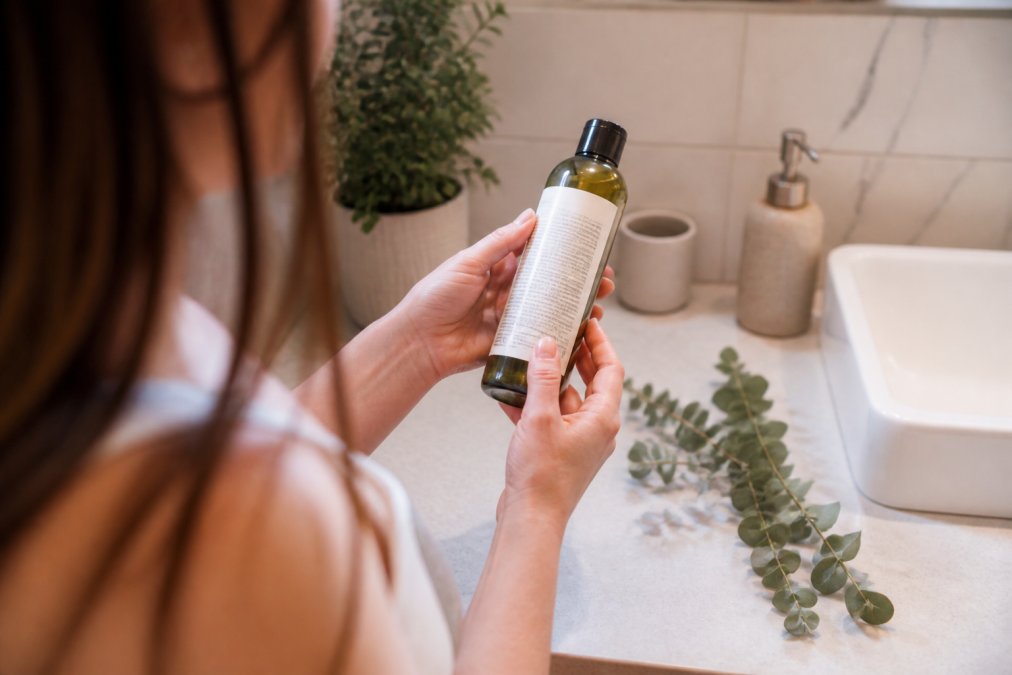
If you have stood in the haircare aisle turning bottle after bottle to read the back panel, you are not alone. Organic shampoo has moved from niche health stores into the mainstream, and for good reason: what you rinse through your scalp ends up in your body and in the waterways. This guide walks through how to read a label properly, which ingredients to avoid, and how to match a formula to your hair type.
The case for switching is simple. Conventional shampoos often rely on synthetic surfactants, silicones and synthetic fragrance to create lather and shine quickly. Organic formulas take a slower route, using plant-based ingredients and botanical extracts to cleanse without stripping the scalp's natural oils. The result is not an instant cosmetic fix but a scalp environment that supports healthier growth over time.
Below, we break down certification, ingredient lists, hair porosity, and the transition period most people quit too early. The goal is to help you tell a genuinely certified organic shampoo from a marketing claim.
How to Read an Organic Shampoo Label: Certified Organic vs Natural
"Natural" and "certified organic" are not interchangeable, and the gap between them is where most confusion lives. A product can call itself natural while still containing synthetic preservatives, and there is no single legal definition enforcing that word on a label.
Certified organic is different. It means an independent body has audited the supply chain, the ingredient percentages and the manufacturing process against a published standard (cosmos-standard.org). In practice, this is the only claim on a shampoo bottle you can verify rather than trust.
What COSMOS Certification Actually Confirms
COSMOS certification is an internationally recognised organic and natural cosmetics standard that verifies a product's organic content, manufacturing process and environmental footprint. It sets minimum thresholds for organic ingredients and restricts the synthetic materials a formula may contain.
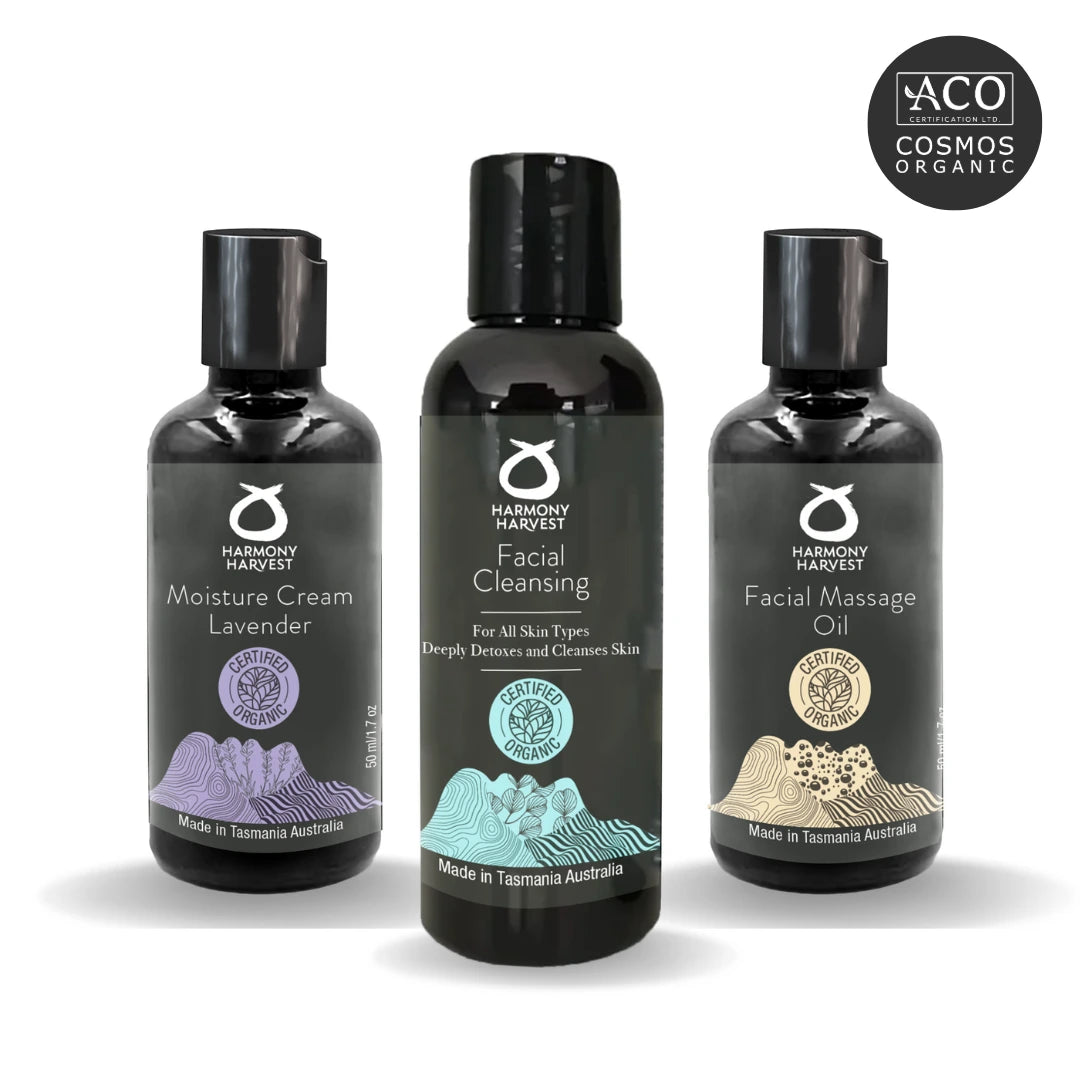
For a shampoo to carry COSMOS certification, the manufacturer must document every ingredient's origin, prove the organic percentage claimed, and submit to ongoing audits. That is a meaningfully higher bar than a brand simply describing itself as natural. Harmony Harvest's range is COSMOS-certified organic and vegan, which means the certification applies to the finished formula, not just a hero ingredient.
A Quick Ingredient Glossary for Hair Care
- Surfactants: the cleansing agents that lift oil and dirt. Plant-derived options like coco-glucoside are gentler than sulphates.
- Silicones: synthetic polymers that coat the hair cuticle for instant shine but can build up over time.
- Parabens: preservatives used to extend shelf life; many organic formulas replace them with naturally derived alternatives.
- Botanical extracts: plant-derived actives such as aloe, chamomile or eucalyptus that support scalp health and hair hydration.
- Essential oils: concentrated plant oils used for scent and scalp benefit, often replacing synthetic fragrance entirely.
Ingredients to Avoid in Shampoo (and What Replaces Them)
Sulphates, silicones, parabens and synthetic fragrance are the four ingredient groups most worth checking for. None of them are illegal, and plenty of people use them without issue. But if your scalp feels tight, itchy or irritated after washing, they are the first suspects.
The table below shows the common offenders, why formulators reach for them, and the plant-based alternatives used in certified organic formulas.
Ingredient to Avoid |
Why It's Used |
Organic Replacement |
|---|---|---|
Sulphates (SLS, SLES) |
Strong lather, deep oil removal |
Coco-glucoside, decyl glucoside |
Silicones |
Instant shine, smooth feel |
Plant oils, shea butter |
Parabens |
Preservative, long shelf life |
Naturally derived preservatives |
Synthetic fragrance |
Consistent scent, low cost |
Essential oils, botanical extracts |
Synthetic detergents |
Cheap cleansing base |
Plant-based surfactants |
What most guides miss is that "sulphate-free" alone does not make a shampoo good. A formula can drop sulphates and still lean on synthetic detergents and silicone for the same effect. The question is not which single ingredient is missing, but whether the whole formula is built on plant-based ingredients that support scalp health rather than mask it.
Why the Replacement Ingredients Behave Differently
The swap matters because the substitutes do not work the same way as the ingredients they replace. Understanding the mechanism helps you predict how a formula will feel on your hair.
- Coco-glucoside and decyl glucoside are non-ionic surfactants derived from coconut and corn. They lift oil by reducing surface tension rather than stripping the cuticle, which is why they lather less but leave the scalp barrier more intact.
- Shea butter and jojoba oil replace silicone's coating effect with a lipid layer that sits on the cuticle. Unlike silicone, plant oils can be absorbed and rinsed away rather than accumulating wash after wash.
- Naturally derived preservatives such as sodium benzoate and potassium sorbate keep a water-based formula stable without parabens. They tend to have a shorter effective window, which is one reason certified organic shampoos often carry a shorter shelf life.
- Essential oils and botanical extracts replace synthetic fragrance with volatile plant compounds. They also carry secondary scalp benefits, chamomile is traditionally used for calming, eucalyptus for a cooling, clarifying feel.
- Plant-based surfactants derived from coconut or sugar replace synthetic detergents as the cleansing base, so the entire formula is built on ingredients the scalp can recognise.
How to Choose the Right Organic Shampoo for Your Hair Type
The best organic shampoo for your hair is the one matched to your porosity and scalp condition, not the one with the longest ingredient list. Porosity describes how easily your hair absorbs and retains moisture, and it decides which formulas will actually work.
- Low porosity: tightly closed cuticles that resist moisture. Choose lightweight, non-heavy formulas and avoid too much protein.
- Medium porosity: the easiest to care for. Most balanced organic shampoos suit this hair type.
- High porosity: open cuticles that lose moisture fast. Look for richer botanical oils and deep hydration.
Scalp condition matters just as much. An oily scalp benefits from a detoxifying, clarifying wash, while a dry or sensitive scalp needs gentle, pH balanced cleansing without essential oils that sting.
Matching Formulas to Hair Porosity and Texture
Fine hair needs weightless hydration, so silicone-free and sulphate-free formulas that will not flatten volume work best. Thick or coarse hair can handle richer botanical extracts and oils without looking greasy. Curly and textured hair generally responds well to moisture retention and gentle cleansing that preserves the natural curl pattern.
If you colour-treat your hair, prioritise sulphate-free options, since harsh surfactants strip colour faster. Those with a sensitive or reactive scalp should look for synthetic fragrance-free formulas and patch test anything new on the inner arm first.
Best Organic Shampoo for Dry Hair: What to Look For
For dry hair, look for a shampoo built around moisture retention rather than maximum lather. Dry hair usually signals a scalp that is not producing enough oil, or a cuticle that cannot hold onto water. Aggressive cleansing makes both worse.
The ingredients that matter most for dry hair are:
- Plant oils and butters: shea, jojoba and similar plant butters restore softness without silicone.
- Humectants: aloe and glycerin draw water into the hair shaft.
- Gentle surfactants: plant-derived cleansers lift dirt without stripping the scalp's natural barrier.
- No synthetic fragrance: fragrance is a common trigger for scalp irritation on dry, reactive scalps.
A useful rule: if a shampoo leaves your hair squeaky-clean, it has probably stripped too much. Dry hair should feel soft and slightly conditioned straight out of the shower, not stripped and straw-like.
The best organic shampoo for dry hair prioritises moisture retention and gentle cleansing over lather. If it foams heavily, it is likely working against you.
How to Transition to Natural Hair Care Without the Greasy Phase
Learning how to transition to natural hair care is mostly about managing expectations for the first few weeks. When you stop using sulphates and silicones, your scalp often overproduces oil for a short period while it rebalances. This is the greasy phase, and it is temporary.
Here is how to get through it without giving up:
- Wash less often. Start by stretching washes from daily to every second day, then further if you can.
- Rinse thoroughly. Plant-based surfactants need more water and a little more massage to distribute.
- Use warm, not hot, water. Hot water strips the scalp and worsens oil production.
- Clarify once at the start. A single clarifying wash removes silicone build-up so the new formula can work.
- Give it four to six weeks. Scalp oil production typically settles within a month.
A Gentle Scalp Reset You Can Do at Home
A simple scalp reset supports the transition and is easy to do at home. Mix a tablespoon of fine sugar or ground oats with a little warm water and a few drops of a gentle botanical oil, then massage it into a damp scalp in slow circles for two minutes before shampooing. Rinse thoroughly and follow with your usual organic shampoo.
Do this once a week at most. Over-exfoliating irritates the scalp and defeats the purpose. If your scalp is inflamed or broken, skip the scrub entirely and let a gentle, fragrance-free formula do the work.
Sustainable Packaging and the Environmental Impact of Your Shampoo
What a shampoo is bottled in matters almost as much as what is inside it. The environmental impact of your hair care comes down to three things: the ingredients, the packaging, and how far the product travelled to reach you.
Most guides stop at "choose refillable." The more useful question is where the impact actually sits, because the three levers are not equally weighted.
Where the Impact Actually Sits
- Ingredients. Conventional surfactants and synthetic fragrance are petrochemical-derived, which means the carbon cost is front-loaded at production. Certified organic botanicals are grown rather than synthesised, and COSMOS certification requires the manufacturer to document the environmental footprint of the manufacturing process, not just the ingredient list.
- Packaging. A single durable bottle refilled many times displaces many single-use bottles. Concentrated formulas reduce shipping weight and therefore transport emissions per wash. Recyclable or compostable packaging closes the loop further, but only if the material actually enters a recovery stream where you live.
- Distance. A shampoo made with botanicals grown and processed locally travels a shorter distance to reach you than one assembled from imported ingredients. This is one reason Australian-made formulas can carry a lower transport footprint, though the ingredient sourcing still matters more than the final assembly point.
What to Look For on a Sustainability Claim
Sustainability claims are easy to make and hard to verify. A few practical checks:
- Is the claim audited? Certification bodies verify environmental claims against a published standard. Self-declared "eco-friendly" labels are not held to the same bar.
- Does the brand name the standard? A specific certification is more meaningful than a vague green logo.
- Can they tell you where the botanicals are grown? Supply-chain transparency is a reasonable proxy for whether the environmental claims have been checked.
- Is the packaging actually recoverable where you live? A compostable bottle is only lower-impact if it reaches a compost stream.
Harmony Harvest formulates with Australian botanicals and holds COSMOS-certified organic status across its range, which means the environmental claims are audited rather than self-declared. For readers weighing the switch, the COSMOS organic cosmetics standard sets out exactly what that certification requires, and the Australian Competition and Consumer Commission guidance on environmental claims explains what businesses may and may not say about sustainability.
Frequently Asked Questions
What should I look for in a high-quality organic shampoo?
Start with certification, not the word 'natural' on the front label. A COSMOS-certified organic shampoo has been independently audited for its organic content, manufacturing and sourcing. Then check the formula suits your hair type: sulphate-free surfactants for a gentler cleanse, plant-based ingredients such as botanical extracts and essential oils for nourishment, and no synthetic fragrance or silicone if you want a truly clean rinse. A short, readable ingredient list is usually a good sign.
How do I know if my shampoo is truly organic?
Look for a certification logo and a licence number, then verify it on the certifier's website. COSMOS certification requires a minimum percentage of organic ingredients and restricts the synthetics allowed in the formula, so it is far harder to fake than a marketing claim. If a bottle says 'organic' but lists no certifier, treat it as a conventional product with botanical extras. Harmony Harvest's hair care range is COSMOS-certified organic and vegan, so the claim is verifiable rather than implied.
Are organic shampoos suitable for all hair types?
They can be, but the formula matters more than the certification. Fine hair usually does best with a lightweight, sulphate-free cleanser that won't weigh it down, while dry or coarse hair benefits from richer botanical oils and butters. Curly and textured hair often needs a gentler cleanse with more moisture retention. If your scalp is reactive, choose a fragrance-free or essential-oil-light option and patch test first. Match the product to your hair type rather than assuming one organic shampoo suits everyone.
How long does it take to transition to natural hair care?
Most people notice their scalp and hair settling within two to four weeks, though it varies with how much silicone and synthetic residue has built up. During the transition, wash less often, rinse thoroughly with warm rather than hot water, and use a clarifying wash once at the start if your hair feels coated. Expect a brief greasy or flat phase, then improved scalp comfort and natural shine as your hair's moisture balance returns.
Best Sellers

Read more
Rosemary Shampoo: Benefits and How to Use It (2026 Guide)
Rosemary shampoo supports scalp health and stronger-looking hair. Learn the benefits and how to use rosemary shampoo in your routine. Explore the range.
Read more
COSMOS Certified vs Natural Haircare: What's the Difference?
COSMOS certified haircare vs natural labels: learn what certification really means, compare COSMOS Organic and Natural, and choose with confidence.
Read more