


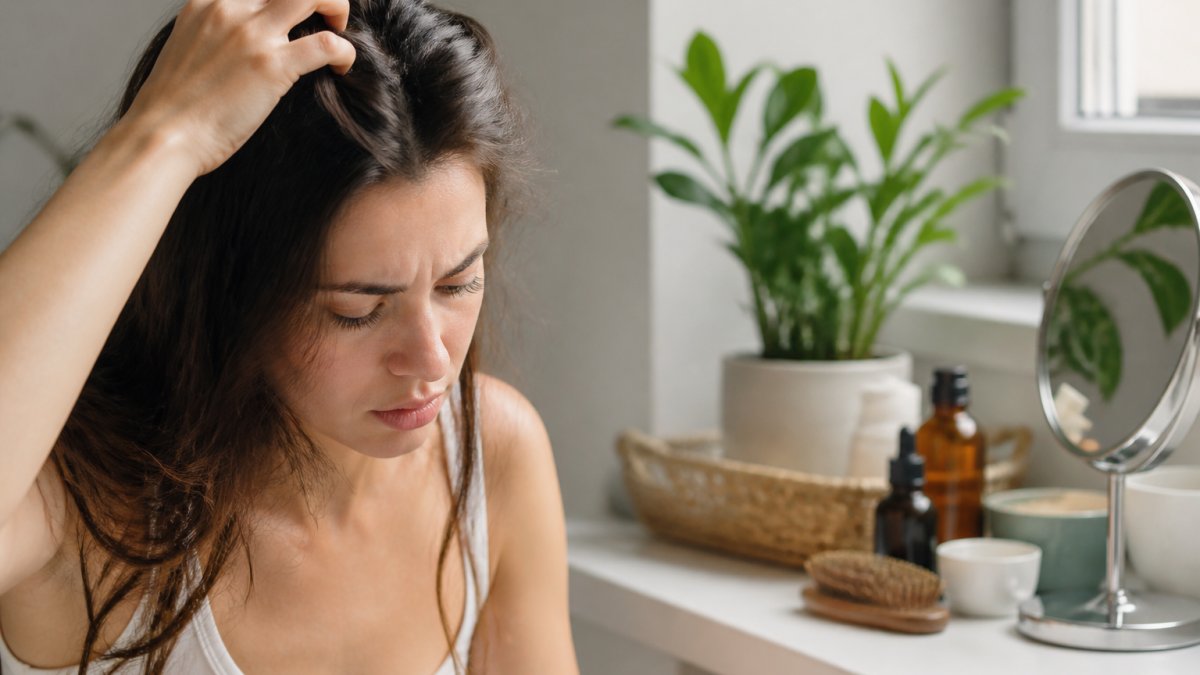
Does Diet Affect Itchy Scalp Health? A 2026 Guide
Table of Contents
- How the Scalp Responds to What You Eat
- Foods for Healthy Scalp: What to Put on Your Plate
- Vitamin Deficiency and Itchy Scalp: The Nutrient Gaps That Matter
- The Gut-Skin Axis and Scalp Inflammation
- Food Triggers, Blood Sugar and Scalp Sensitivity
- Elimination Diet Testing: A Structured Way to Find Triggers
- When Diet Alone Is Not Enough for Itchy Scalp Health
- Conclusion
- Frequently Asked Questions
Last Updated: September 28, 2026
How the Scalp Responds to What You Eat
Does diet affect itchy scalp health? Yes, and more directly than most people realise. The scalp is skin, and skin is built from what you eat. This guide from Harmony Harvest explains how nutrition shapes scalp comfort, and what to do about it.
Your scalp renews itself constantly, and every new cell needs protein, fats, zinc and B vitamins to form properly. When those building blocks run short, the scalp's barrier function weakens. The result is often itchiness, flaking and irritation long before anything shows on your face.
The scalp also hosts a dense network of sebaceous glands. These glands respond to hormones, blood sugar and inflammation, which is why what you eat can shift how oily, dry or reactive your scalp feels within weeks.
Below, we'll show you exactly how to connect the two, and which changes are worth making first.
Foods for Healthy Scalp: What to Put on Your Plate
Foods for healthy scalp support three things at once: barrier repair, blood circulation and manageable oil production. Oily fish, eggs, leafy greens, nuts, seeds and berries cover most of that ground.
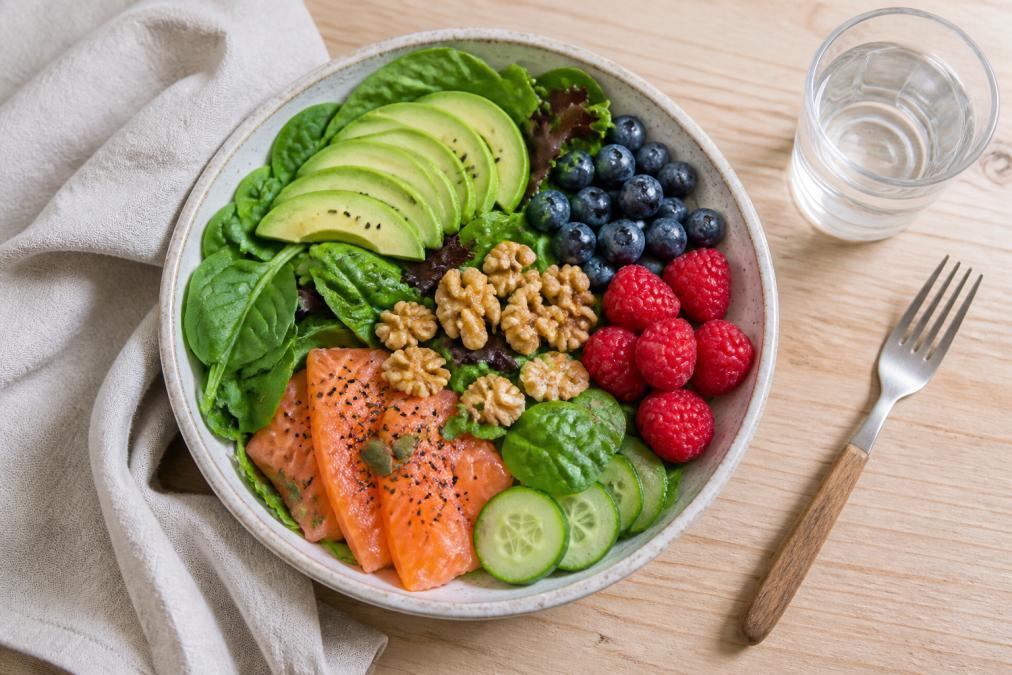
Prioritise these:
- Oily fish such as salmon and sardines for omega-3 fats, which help calm scalp inflammation
- Eggs and legumes for protein and biotin
- Pumpkin seeds and oysters for zinc
- Spinach and silverbeet for iron and folate
- Berries and citrus for vitamin C, which supports collagen and iron absorption
A common mistake is chasing one "miracle" food while ignoring overall variety. Consistency across the week matters more than any single ingredient.
Vitamin Deficiency and Itchy Scalp: The Nutrient Gaps That Matter
Vitamin deficiency and itchy scalp concerns overlap most clearly with four nutrients: vitamin D, zinc, iron and the B group. Each plays a distinct role in follicle health, sebum regulation and skin repair, and each produces a slightly different pattern of symptoms.
Vitamin D helps regulate the scalp's immune response and the turnover of skin cells. Keratinocytes, the cells that build the scalp's outer layer, carry vitamin D receptors, so low levels can slow barrier repair and leave the scalp more reactive. Low vitamin D is common among people who spend most of the day indoors, cover their skin for cultural or occupational reasons, or have darker skin tones that need longer sun exposure to synthesise the same amount. A common pattern is itchiness that worsens in winter.
Zinc supports tissue repair, wound healing and the regulation of the sebaceous glands. It also has a mild anti-inflammatory effect on the scalp. Deficiency often shows up as flaky, slow-healing skin, and because zinc is lost through sweating, athletes and people with digestive conditions that reduce absorption are more at risk.
Iron carries oxygen to the hair follicle. When iron stores (measured as ferritin) run low, the follicle receives less oxygen and nutrients, which can leave hair weak and the scalp uncomfortable. Menstruating women, vegetarians and vegans, and anyone with coeliac disease or heavy periods are more likely to run low. Ferritin can be low even when haemoglobin is normal, so a full iron panel matters more than a single reading.
B vitamins, particularly B12, B6, folate and biotin, support cell division and the metabolism of fats and proteins in the scalp. Biotin gets plenty of attention, but true deficiency is uncommon outside specific medical conditions, long-term antibiotic use, or a restricted diet. B12 deficiency is more common in vegans and in people over 60, because absorption declines with age.
What most guides miss is that these gaps rarely appear alone. A restrictive diet, poor absorption or a gut issue can lower several nutrients at once, and the symptoms overlap. That is why a single supplement rarely fixes a stubborn itchy scalp.
A food-first approach covers most of this ground: oily fish and eggs for vitamin D and B12, red meat, legumes and pumpkin seeds for zinc and iron, and leafy greens for folate. Pair plant iron with vitamin C (a squeeze of lemon, a handful of berries) to improve absorption, and keep tea and coffee away from iron-rich meals, as tannins reduce uptake.
The Gut-Skin Axis and Scalp Inflammation
The gut-skin axis describes the two-way relationship between your digestive system and your skin, including the scalp. An imbalanced gut microbiome can drive systemic inflammation that shows up as scalp irritation.
This is one of the angles most articles skip. The gut influences skin through immune signalling, nutrient absorption and the balance of bacteria across the body. When digestion is poor, the scalp is often one of the first places to complain.
Signs worth noting include bloating alongside scalp flare-ups, or irritation that worsens after antibiotics. Supporting gut health with fibre, fermented foods and adequate water is a reasonable first step.
Food Triggers, Blood Sugar and Scalp Sensitivity
Blood sugar swings are an underrated trigger for scalp sensitivity, and the mechanism is well understood. When you eat a meal high in refined carbohydrate, blood glucose rises quickly, insulin rises to match, and insulin in turn signals the ovaries and adrenal glands to produce more androgens. Androgens bind to receptors on the sebaceous glands and push them to produce more oil. More oil means more food for Malassezia, the yeast that lives on most scalps and is linked to seborrheic dermatitis. The result is itchiness, flaking and a scalp that feels greasy within a day of washing.
This is why a sugary breakfast can show up as a scalp flare by the afternoon, and why people with polycystic ovary syndrome or insulin resistance often notice scalp changes alongside other symptoms.
Common dietary triggers to watch include:
- Refined sugar and white flour products, which spike glucose fastest
- Excessive alcohol, which raises triglycerides and disrupts sleep
- Very high dairy intake in people who are sensitive, particularly skim milk
- Deep-fried and highly processed foods, which drive inflammation
- Very high caffeine intake, which can amplify stress hormones
It helps to separate two different reactions. A food intolerance is dose-dependent and delayed, often showing up 24 to 72 hours after eating, and it tends to cause bloating, scalp itchiness and flaking.
If you notice a consistent pattern between a specific food and your scalp, that is useful information to bring to a practitioner rather than a diagnosis in itself.
Elimination Diet Testing: A Structured Way to Find Triggers
Elimination diet testing is a structured process of removing suspected trigger foods, then reintroducing them one at a time to identify what causes symptoms. It works best with professional guidance.
Here's how to approach it:
- Keep a two-week food and symptom diary to spot patterns
- Remove the most likely suspects for three to four weeks
- Reintroduce one food every three days, noting any reaction
- Record scalp itchiness, flaking and oiliness daily
- Keep the results and review them with your GP or dietitian
When Diet Alone Is Not Enough for Itchy Scalp Health
Sometimes nutrition is only part of the picture. Persistent flaking, redness or scaling may point to seborrheic dermatitis or another dermatological condition that needs targeted treatment.
See a dermatologist or GP if you notice:
- Severe itching that disturbs sleep
- Patches of hair loss
- Crusting, weeping or open sores
- Symptoms that don't improve after several weeks of dietary changes
Conclusion
Diet genuinely shapes scalp comfort, but it works best alongside a gentle topical routine. Harmony Harvest offers COSMOS-certified organic, vegan and cruelty-free hair care made with Australian botanicals, free from synthetic detergents that can strip a sensitive scalp. Explore the Hair Care collection to support your scalp from the outside while you work on the inside.
Frequently Asked Questions
What foods can trigger scalp inflammation and itching?
Refined sugars, white flour products and heavily processed snacks can drive blood sugar swings that feed inflammation, which may show up as an irritated, flaky scalp. Some people also react to common allergens such as dairy, wheat or eggs. Keeping a simple food and symptom diary for two to three weeks helps you spot patterns before you change anything drastic. If a specific food lines up with flare-ups, that is worth discussing with your GP or an accredited dietitian.
What vitamin am I lacking if my scalp itches?
Low levels of vitamin D, zinc, biotin and the B vitamins are the ones most often linked to scalp problems, including a vitamin deficiency itchy scalp. Iron and essential fatty acids matter too. A blood test through your GP is the only reliable way to confirm a gap, because guessing leads to unnecessary supplements. Once you know your levels, a dietitian can help you fix them through food first, with supplements only where needed.
Is there a link between gut health and scalp irritation?
Yes. The gut-skin axis describes how the bacteria in your digestive tract influence inflammation elsewhere in the body, including your scalp. When gut bacteria are out of balance, inflammation can rise and skin barrier function can weaken. Fibre-rich vegetables, fermented foods and enough water support a healthier gut environment. If you have ongoing digestive symptoms alongside scalp itch, mention both to your doctor rather than treating them as separate issues.
How long does it take to see a change in scalp comfort after changing my diet?
Most people notice early shifts within two to four weeks, but a full picture usually takes eight to twelve weeks because skin and hair cycles move slowly. Stay consistent with the changes, keep tracking symptoms, and avoid judging results in the first fortnight. If your scalp is still itchy after three months of genuine dietary effort, book a review with your GP or a dermatologist to rule out conditions such as seborrhoeic dermatitis that need targeted treatment.
Best Sellers

Read more
How to Fix Damaged Hair Ends: A 2026 Repair Guide
Learn how to fix damaged hair ends with a diagnostic-led repair plan, from bond builders to deep conditioning. Discover stronger, softer hair today.
Read more
Benefits of COSMOS Certified Organic Haircare
Discover the benefits of COSMOS certified organic haircare, from scalp health to sustainability, and learn how to switch with confidence.
Read more