


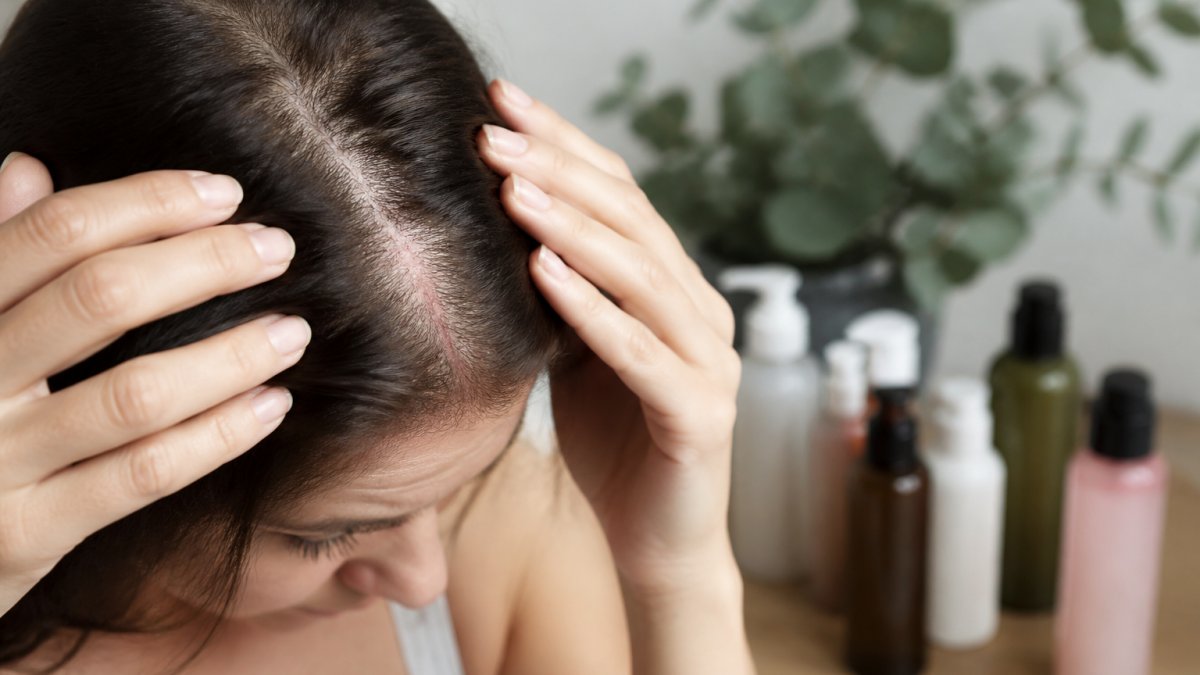
Common Scalp Irritants in Commercial Hair Products
Table of Contents
- Common Scalp Irritants in Commercial Hair Products: What to Watch For
- Surfactants and Sulfates
- Fragrances and Preservatives
- Hair Dye and Chemical Treatment Ingredients
- Signs of Allergic Reaction to Shampoo: Telling Irritation From Allergy
- How to Read a Shampoo Label for Scalp Irritants
- Best Practices for Choosing Gentle Hair Care
- Natural vs Synthetic Irritants: Does Plant-Based Always Mean Gentler?
- Cross-Reactivity: When One Allergy Triggers Another
- Conclusion
- Frequently Asked Questions
Last Updated: September 29, 2026
Common Scalp Irritants in Commercial Hair Products: What to Watch For
Scalp irritation from shampoo and dye is far more common than most people realise, and the culprits are usually the same handful of ingredients. This guide from Harmony Harvest explains the common scalp irritants in commercial hair products, how to spot a true allergy, and how to choose gentler formulas.
If your scalp stings, itches or flakes after washing, you are not imagining it. The reaction usually traces back to surfactants, fragrance or preservatives. Below, we break down what to avoid and how to read a label properly.
Scalp irritants are ingredients that trigger inflammation, itching or redness on the scalp, either through direct irritation or an immune response. The distinction matters, because the two reactions need different responses.
ASCIA information on cosmetic allergy
Surfactants and Sulfates
Surfactants are the cleansing agents that make shampoo foam, and some of the harshest ones strip the scalp's natural oils. Sodium lauryl sulfate is the most notorious, known for leaving skin feeling tight and reactive. Gentler options exist, including glucosides and other plant-derived cleansers, which lift oil without dismantling the scalp's barrier.
A common mistake is assuming "sulfate-free" means irritation-free. Some sulfate alternatives are just as aggressive.
Fragrances and Preservatives
Fragrance is the single most frequent cause of allergic contact dermatitis from cosmetics. A formula can list "fragrance" as one ingredient while hiding dozens of compounds beneath it. Balsam of Peru and fragrance mix are two recognised allergen groups worth knowing.
Preservatives matter too. Formaldehyde releasers slowly release small amounts of formaldehyde to stop bacterial growth, and they are a known sensitiser. Parabens and methylisothiazolinone are other common triggers.
Hair Dye and Chemical Treatment Ingredients
Permanent hair dye is one of the most allergenic products in the bathroom. Paraphenylenediamine, or PPD, is the pigment behind most lasting colour, and it is a well-documented sensitiser. Straightening treatments use ammonium thioglycolate, while bleaching powders rely on persulfate salts. Gel and acrylic nails bring acrylates into the mix, which can cross-react with dental and medical materials.
Reactions to dye are often delayed, appearing 24 to 72 hours after application. That delay is why patch testing matters.
Signs of Allergic Reaction to Shampoo: Telling Irritation From Allergy
Signs of an allergic reaction to shampoo typically include itching, redness and scaling that worsen with repeated use, rather than improving. The key difference is timing and pattern: irritation shows up quickly and stays local, while allergy builds over exposures and can spread.
Watch for scalp pruritus (persistent itching), erythema (redness), flaking, and burning. In severe cases, contact urticaria causes hives or swelling that needs urgent care.
Irritant Contact Dermatitis vs Allergic Contact Dermatitis
Irritant contact dermatitis is direct damage to the skin barrier. It stings on contact, stays where the product touched, and improves once you stop using it.
Allergic contact dermatitis is an immune response. It often appears on the second or third exposure, can spread beyond the scalp to the hairline, ears and neck, and may take weeks to settle even after you stop the product.
Symptoms to Track and When to See a Doctor
Keep a simple log: product used, date, and symptoms. Note whether the reaction was immediate or delayed. See a doctor if you have facial swelling, widespread rash, or symptoms that do not improve within a week of stopping the product. A dermatological evaluation with patch testing can identify the exact allergen.
How to Read a Shampoo Label for Scalp Irritants
Reading a label well comes down to knowing the order, the aliases, and the loopholes. Ingredients are listed by concentration, so anything near the top is present in meaningful amounts. Scan the first five ingredients first, then check the preservatives at the end, where sensitisers often hide.
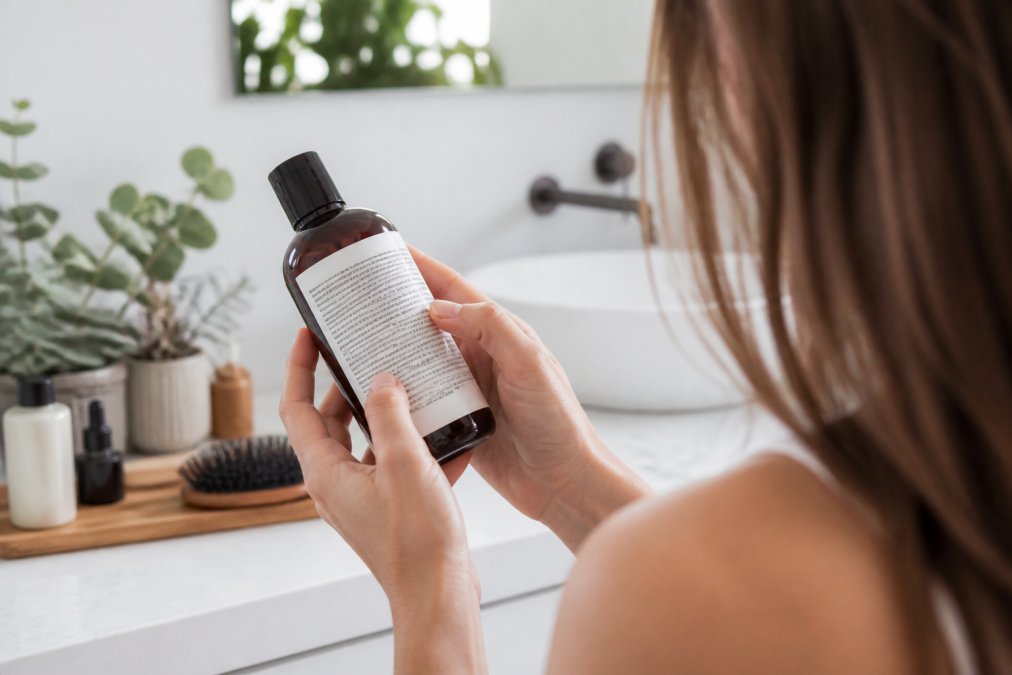
- Fragrance may be listed as parfum, aroma, essential oil blend, or a specific botanical name such as Lavandula angustifolia or Citrus limon.
- Formaldehyde releasers hide behind DMDM hydantoin, imidazolidinyl urea, diazolidinyl urea, quaternium-15, bronopol (2-bromo-2-nitropropane-1,3-diol) and sodium hydroxymethylglycinate.
- Isothiazolinones appear as methylisothiazolinone (MI), methylchloroisothiazolinone (CMI), or the pair combined as MCI/MI.
- Cocamidopropyl betaine, a common gentle-sounding surfactant, is itself a recognised sensitiser and may be listed under that name or as coco betaine.
- PPD in hair dye may be written as p-phenylenediamine, paraphenylenediamine, 1,4-benzenediamine, or CI 76060.
- Parabens include methylparaben, ethylparaben, propylparaben and butylparaben, sometimes grouped as paraben on marketing copy but always listed individually on the INCI panel.
Here is a quick label-reading checklist:
- Check the first five ingredients for harsh surfactants (SLS, SLES)
- Look for "fragrance", "parfum", "aroma" or botanical oil names anywhere on the list
- Scan for formaldehyde releasers: DMDM hydantoin, imidazolidinyl urea, quaternium-15, bronopol
- Note any "methylisothiazolinone" or "methylchloroisothiazolinone"
- Check for PPD or its synonyms if the product is a dye
- Confirm "hypoallergenic" is backed by a short, clear ingredient list
If a label lists "parfum" or "fragrance" without detail, you cannot know what is inside. For reactive scalps, fragrance-free is safer than "natural fragrance".
ASCIA information on cosmetic allergy
Best Practices for Choosing Gentle Hair Care
Best practices for choosing gentle hair care start with fewer ingredients and no fragrance. Choose shorter ingredient lists, avoid known sensitisers, and prioritise products with clear, verifiable certification rather than vague "natural" claims. pH balance matters too: a formula close to the scalp's natural acidity supports barrier function.
Patch Testing at Home Before You Commit
A home patch test takes minutes and saves weeks of discomfort. Apply a small amount behind your ear or on the inner forearm, leave it for 48 hours, and check for redness, itching or bumps. If nothing appears, test a small area of scalp before a full wash. Repeat for any new dye, especially PPD-based colour.
Natural vs Synthetic Irritants: Does Plant-Based Always Mean Gentler?
Plant-based does not automatically mean gentler. Essential oils, botanical extracts and natural preservatives can all trigger skin sensitisation, and some of the strongest allergens are entirely natural. Tea tree, citrus oils and lavender are common offenders.
Cross-Reactivity: When One Allergy Triggers Another
Some well-documented patterns to be aware of:
- PPD and related dyes. Paraphenylenediamine in permanent hair colour cross-reacts with para-amino compounds used in some textile dyes (often called azo dyes), with certain dark clothing and leather goods, and with para-aminobenzoic acid (PABA) and some related sunscreen filters. If you react to PPD, patch test new sunscreens and dark fabrics before extended contact.
- Nickel and cobalt. These two metals frequently travel together. A nickel sensitivity often comes with a cobalt sensitivity, which can show up in jewellery, belt buckles, scissors, hair clips and even some cosmetic pigments.
- Acrylates. Acrylate allergy from gel nails, acrylic nails or eyelash extensions can cross-react with acrylates in dental materials, bone cement and some medical adhesives. This is one of the few cross-reactivities worth flagging to your dentist before a procedure.
- Fragrance mix and balsam of Peru. These two are closely linked. A reaction to one often predicts a reaction to the other, and both can appear in products that market themselves as "natural" because they rely on botanical extracts.
- Isothiazolinones. Methylisothiazolinone and methylchloroisothiazolinone cross-react with each other, so a reaction to one usually means avoiding both.
- Cocamidopropyl betaine and related amidoamines. Sensitivity to this surfactant can extend to other amidoamine compounds used in some conditioners and cleansers.
If you react to one product, patch test related ones before use. Apply a small amount behind the ear or on the inner forearm, leave it for 48 hours, and check for redness, itching or bumps. Repeat for any new dye, especially PPD-based colour, and for any new sunscreen or nail product if you have a known dye or acrylate sensitivity.
Conclusion
Scalp reactions are frustrating, but they are usually traceable to a short list of ingredients once you know what to look for. Start by simplifying: fewer ingredients, no fragrance, and clear certification you can verify.
Frequently Asked Questions
What are the most common ingredients that cause scalp irritation?
The main culprits are sulfates like sodium lauryl sulfate, fragrance mixes, preservatives such as formaldehyde releasers, and hair dye ingredients including paraphenylenediamine. Surfactants strip the scalp's natural oils, while fragrance and preservatives are frequent allergens. If you have chemical sensitivity, check labels for these terms and look for products with shorter, simpler ingredient lists.
How can I tell if my hair product is causing an itchy scalp?
Watch for itching that starts or worsens after washing, along with redness, flaking, or a burning sensation. Symptoms may appear hours or even days after use. Try switching to a fragrance-free, sulfate-free shampoo for two weeks and note whether the itching eases. If it persists, see a doctor for a dermatological evaluation.
Are fragrance-free hair products better for sensitive scalps?
Yes, fragrance is one of the most common causes of allergic contact dermatitis on the scalp. Fragrance-free products avoid both added perfumes and masking fragrances, reducing your exposure to potential allergens. If you have a sensitive scalp or a history of reactions, choosing fragrance-free options is a smart first step.
What should I look for on a shampoo label if I have a sensitive scalp?
Look for short ingredient lists, no sulfates, no fragrance or masking fragrance, and no formaldehyde releasers. Terms like hypoallergenic and pH-balanced are helpful. Avoid botanical extracts if you have known plant allergies. When in doubt, patch test a small amount behind your ear before washing your full head.
Choosing hair care for a reactive scalp should not feel like a gamble. Harmony Harvest offers COSMOS-certified organic, vegan formulas free from artificial fragrance and harsh synthetic detergents, so you can cleanse without the guesswork. Explore the Hair Care collection to find a gentle, plant-based routine that respects your scalp's barrier.
Best Sellers
Read more
Benefits of COSMOS Certified Organic Haircare
Discover the benefits of COSMOS certified organic haircare, from scalp health to sustainability, and learn how to switch with confidence.
Read more
Plant-Based Peptides: The Science Explained
Discover the science behind plant-based peptides: how they signal skin repair, boost collagen and where to find them in COSMOS-certified organic formulas.
Read more