


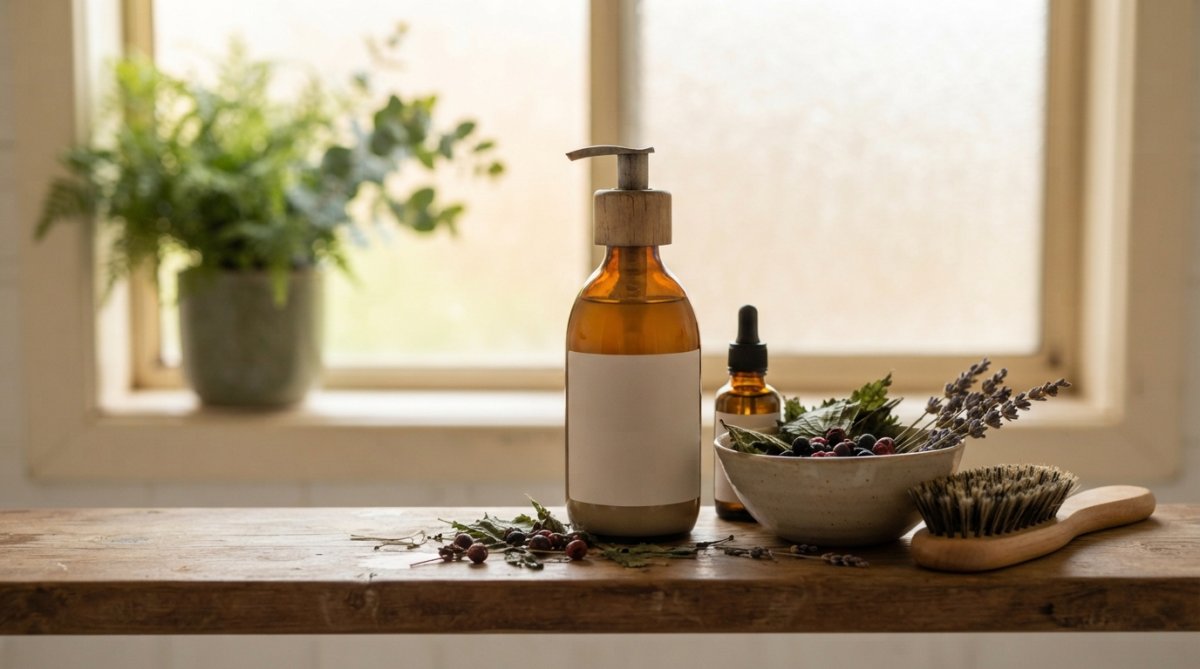
Organic Shampoo for Fine Hair: Volume & Regrowth
Table of Contents
- Why Fine Hair Needs a Different Approach
- What Causes Hair Thinning and Loss
- Natural Ingredients for Hair Thickening That Actually Work
- Organic Shampoo for Fine Hair: Key Ingredients to Seek Out
- Best Practices for Washing Fine Hair to Maximise Volume
- Organic vs. Synthetic Formulas: Why the Difference Matters
- Post-Wash Routine for Fine Hair Regrowth
- Conclusion
Last Updated: August 20, 2026
Why Fine Hair Needs a Different Approach
Fine hair demands a completely different strategy than thick or coarse hair types. Each strand is thinner, making it more prone to breakage, prone to weighing down under heavy products, and requiring careful handling throughout your wash routine. The right organic shampoo for fine hair can transform your results by focusing on volumising without adding weight, strengthening without stiffness, and nourishing without buildup. At Harmony Harvest, our COSMOS-certified organic and vegan formulations are engineered to support fine hair's unique needs while stimulating follicle health and promoting density from the scalp outward.
Fine hair often appears thinner because it lacks volume at the root and along the shaft. Hair density depends on a healthy scalp microbiome, adequate follicle stimulation, and consistent nourishment without chemical residue. The difference between a shampoo that works and one that merely cleans comes down to ingredient selection and formulation philosophy.
What Causes Hair Thinning and Loss
Hair thinning occurs when follicles spend too much time in the telogen (resting) phase or when the anagen (active growth) phase shortens. Fine hair is particularly vulnerable because each strand's reduced diameter means even modest hair loss becomes noticeable.
Scalp health directly influences whether follicles remain in the anagen phase long enough to produce strong, visible growth. A compromised scalp microbiome, disrupted by sulfate-based cleansers, synthetic fragrances, or silicone buildup, triggers inflammation that can prematurely push follicles into the telogen phase. This is why sulfate-free, paraben-free formulations matter: they preserve the scalp's natural ecosystem.
Chemical buildup represents another major culprit. Conventional shampoos often contain surfactants that leave residual coating on the hair shaft and scalp. For fine hair, this coating is catastrophic, it weighs strands down, blocks moisture absorption, and prevents the scalp from regulating sebum naturally. Over time, follicles respond by producing less resilient hair.
Nutritional deficiencies at the follicle level also contribute to thinning. Hair growth requires amino acids, antioxidants, and botanical compounds that stimulate circulation to the scalp. Organic formulations rich in botanical extracts deliver active compounds that support the follicle's capacity to produce thicker, more resilient strands throughout the anagen phase.
Natural Ingredients for Hair Thickening That Actually Work
The most effective botanical extracts for fine hair stimulate follicle activity without adding weight or buildup.
Caffeine-rich botanical extracts have demonstrated capacity to extend the anagen phase in follicles, meaning hairs spend more time actively growing. This translates to longer strands and visually denser-appearing hair. Caffeine increases blood flow to the scalp and directly stimulates follicle cells without the heaviness of protein-based thickeners.
Herbal extracts containing essential oils, particularly those with cineole and camphor compounds, improve scalp circulation and microbial balance. These botanical compounds create an environment where follicles thrive, reducing inflammation that would otherwise shorten the hair growth cycle.
Hydrolysed plant proteins can strengthen the hair shaft without the stiffness of animal-derived collagen. Smaller protein molecules penetrate and condition without leaving visible coating or flatness. Plant-based protein hydrolysates deliver strength without the aesthetic penalty fine hair experiences with heavier proteins.
Antioxidant-rich botanical extracts protect hair during the growth phase. Extracts high in polyphenols and flavonoids, found in plants like green tea, rosehip, and various seed oils, neutralise oxidative stress at the follicle level, meaning hair that grows is inherently more resilient.
Organic Shampoo for Fine Hair: Key Ingredients to Seek Out
When evaluating an organic shampoo for fine hair, ingredient selection separates effective products from those that simply avoid synthetic chemicals.
Botanical Extracts That Stimulate Follicles
Saw palmetto extract reduces the conversion of testosterone to DHT at the follicle level, helping preserve hair density over time. For fine hair, this means fewer follicles prematurely entering the telogen phase.
Ginseng root extract stimulates blood flow to hair follicles and contains compounds that activate follicle cells directly. The result is longer anagen phases and visibly thicker hair growth. Ginseng also helps regulate sebum production, preventing the scalp oiliness that can weigh fine hair down.
Nettle leaf extract provides bioavailable silica and minerals that strengthen the hair shaft from within. For fine hair, this internal strengthening prevents breakage that would otherwise make hair appear thinner. Nettle also supports scalp health through its anti-inflammatory and antimicrobial properties.
Scalp Health and Hair Density
Hair density begins at the scalp. A healthy scalp microbiome, free from inflammation and buildup, creates conditions where follicles produce thicker, longer-lasting hair.
pH-balanced formulations preserve the scalp's natural acid mantle, which protects against bacterial overgrowth and inflammation. Organic formulations formulated at pH 4.5-5.5 maintain scalp equilibrium, allowing the microbiome to self-regulate without the disruption that leads to inflammation and premature hair shedding.
Prebiotic botanical compounds, such as inulin from chicory root, feed beneficial bacteria on the scalp while inhibiting problematic microbes. This shifts the scalp microbiome toward a composition that supports healthy hair growth, resulting in less irritation, less shedding, and follicles that remain in the anagen phase longer.
Essential oil blends with antimicrobial and anti-inflammatory properties address scalp conditions that accelerate hair loss. A calm, balanced scalp is a scalp that produces denser hair.
Best Practices for Washing Fine Hair to Maximise Volume
How you wash fine hair matters as much as what you wash it with.
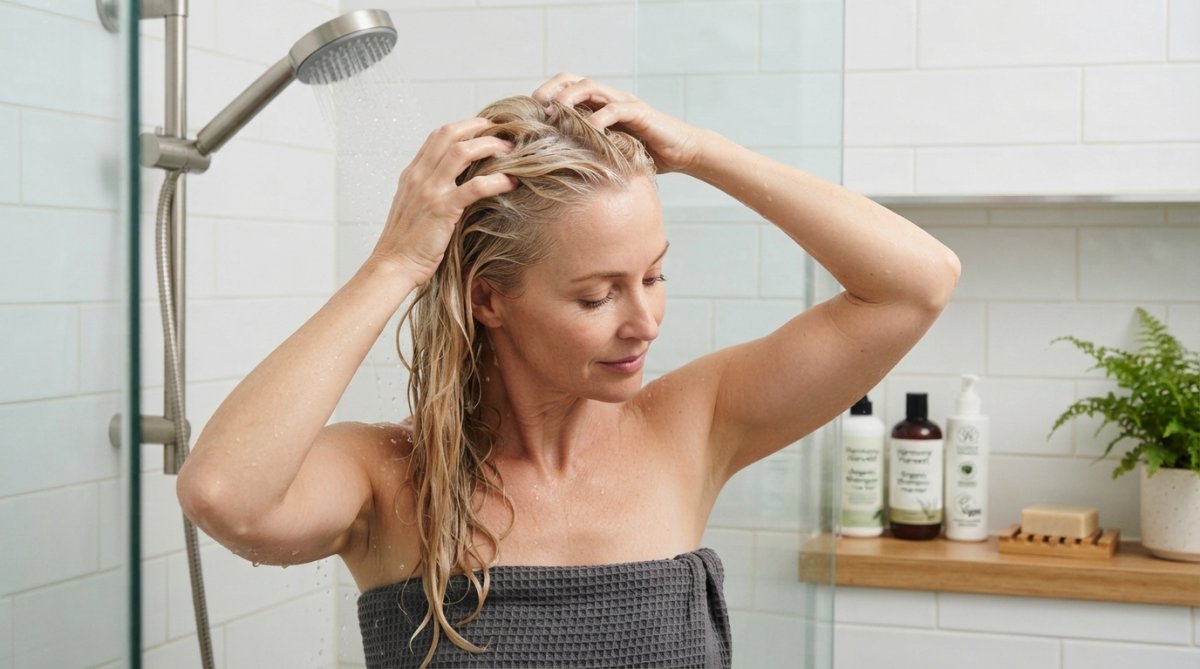
Start with a thorough pre-rinse using lukewarm water. This removes surface dust and loosens sebum without stripping the scalp. Lukewarm water is essential; hot water opens the hair cuticle and can cause fine strands to swell and become more prone to breakage. Cold water at the end seals the cuticle, creating a smoother surface that reflects light and appears thicker.
Apply shampoo to the scalp, not the length of your hair. Concentrate on the scalp with gentle, circular motions using your fingertips, never scrub or use your nails, as this can irritate the scalp and trigger inflammation. Massage for 60-90 seconds to stimulate scalp circulation. collagen for hair.
Use minimal product. A coin-sized amount is usually sufficient for fine hair. More product doesn't clean better; it increases the risk of residue and weighs hair down.
Rinse thoroughly with progressively cooler water. Incomplete rinsing leaves shampoo residue that clings to fine strands and flattens them. This is the most common mistake people make with fine hair.
Avoid vigorous towel-drying. Pat your hair gently or use a microfibre towel to absorb water without friction. Friction causes breakage in fine hair, which immediately undermines any volumising benefits from your shampoo.
Wash no more than three times weekly if possible. Frequent washing strips the scalp of natural oils, triggering compensatory sebum overproduction. Spacing washes allows the scalp microbiome to stabilise and sebum to distribute naturally along the hair shaft, creating the appearance of fuller, healthier hair.
Organic vs. Synthetic Formulas: Why the Difference Matters
For fine hair specifically, the difference in formulation philosophy produces measurable differences in how your hair looks and feels.
Synthetic shampoos rely on sulfate-based surfactants that strip the scalp aggressively, removing not just sebum and dirt but also the protective lipid layer that keeps your scalp healthy. For fine hair, this triggers a vicious cycle: the scalp overcompensates by producing excess sebum, hair appears limp and greasy faster, you wash more frequently, and the cycle intensifies.
Organic formulations use gentler surfactants derived from plant sources, such as coco-glucoside or decyl glucoside, that cleanse without stripping. Your scalp stabilises, sebum production normalises, and fine hair appears thicker because it's not weighed down by excess oil or residual product.
Synthetic shampoos often contain silicones that coat the hair shaft to create temporary smoothness. For fine hair, silicones are counterproductive. They accumulate with each wash, creating a coating that weighs strands down and blocks moisture absorption.
Organic formulations avoid silicones entirely, instead using lightweight plant oils and botanical conditioning agents that absorb into the hair rather than coating it. The result is hair that feels lighter and appears fuller.
Synthetic fragrances in conventional shampoos are often irritating to sensitive scalps, triggering inflammation that accelerates hair shedding. Organic formulations use essential oils and natural fragrance compounds that provide pleasant scent without inflammatory response.
COSMOS-certified organic shampoos undergo rigorous verification that they meet strict standards for ingredient sourcing, processing, and environmental impact. This certification means you're buying something that has been independently verified to meet genuine organic criteria. For fine hair, this guarantees the absence of synthetic actives that would otherwise compromise scalp health.
Post-Wash Routine for Fine Hair Regrowth
What you do after shampooing determines whether your hair benefits from the cleanse or loses ground to breakage and dryness.
Apply conditioner only to the mid-lengths and ends of your hair, never the scalp. Fine hair becomes oily at the roots because conditioner left on the scalp weighs strands down and prevents natural sebum distribution.
Use a lightweight conditioner formulated for fine hair. Look for conditioners labelled specifically for fine or thin hair, or those that emphasise "weightless" hydration. These formulations deliver moisture without the density that creates flatness.
Leave conditioner on for 2-3 minutes maximum. Fine hair absorbs moisture quickly, and longer contact time increases the risk of product buildup and weighing strands down.
Rinse conditioner thoroughly with cool water. Any residue left on fine hair will flatten it and create the appearance of oiliness. Cool water also helps seal the hair cuticle, creating a smoother surface that appears shinier and thicker.
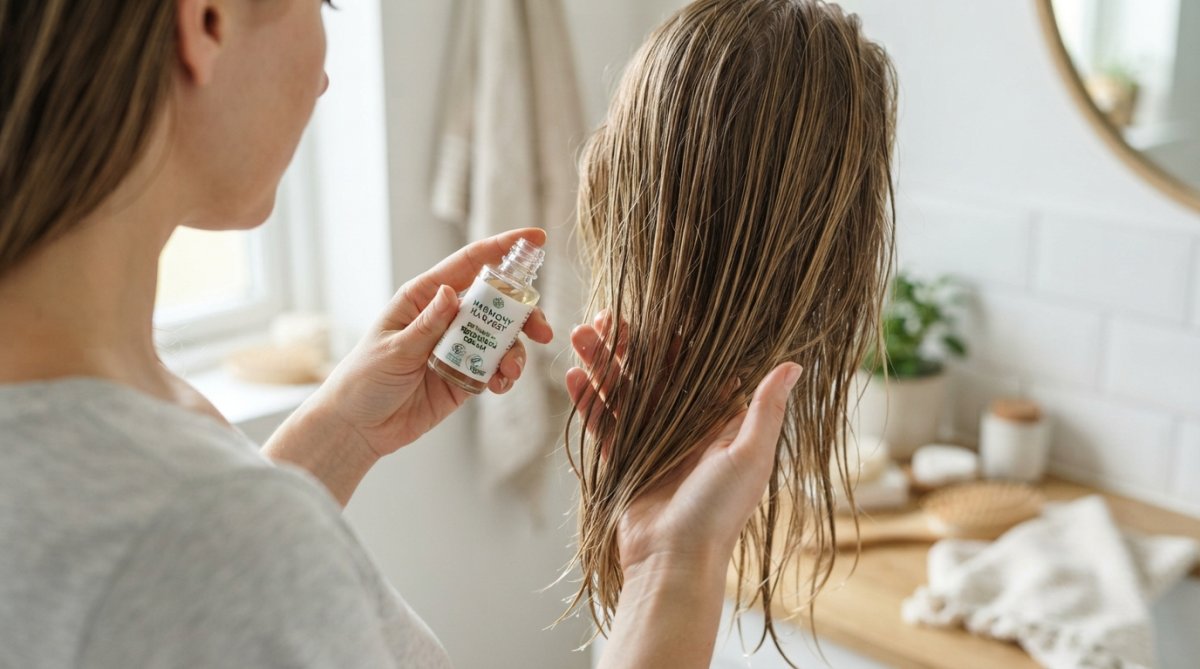
Apply a lightweight leave-in treatment or hair serum to damp hair, focusing on the mid-lengths and ends. For fine hair, serums with silicone-free formulations, often based on plant oils like jojoba, argan, or rosehip, deliver nourishment without coating. Apply sparingly; a few drops go a long way.
Avoid blow-drying immediately after washing if possible. Allowing hair to air-dry slightly reduces heat damage. If you do blow-dry, use a low heat setting and a concentrator nozzle to direct airflow, minimising frizz and breakage.
Style with minimal product. Fine hair doesn't need volumising powders or heavy styling creams. Choose lightweight formulations specifically designed for fine hair.
Fine hair responds powerfully to shampoos formulated with genuine understanding of its unique needs. The right organic shampoo for fine hair combines gentle cleansing that preserves scalp health with botanical actives that stimulate follicle activity and support hair density. When paired with proper washing technique and a thoughtful post-wash routine, you create conditions where fine hair grows thicker, breaks less, and maintains visible volume.
Harmony Harvest's Hair Care collection features COSMOS-certified organic and vegan formulations specifically designed to support fine, delicate strands while promoting scalp health and follicle stimulation. Our plant-based formulas avoid the synthetic surfactants and silicones that compromise fine hair, instead delivering nourishment through pure Australian botanicals. Explore our Hair Care range to discover shampoos formulated for your hair type, backed by genuine COSMOS-certified organic certification and cruelty-free practices, designed with your hair's regrowth and volume in mind.
Frequently Asked Questions
What ingredients should I look for in an organic shampoo for fine hair?
Look for volumising agents like plant-based proteins, botanical extracts that support scalp circulation, and clarifying ingredients that remove buildup without stripping moisture. Avoid sulfates and heavy silicones, which weigh fine hair down. Paraben-free, pH-balanced formulas with antioxidant-rich plant oils help strengthen the hair shaft and support the growth cycle. COSMOS-certified organic shampoos ensure you're getting pure, non-toxic ingredients without synthetic detergents.
Can organic shampoo actually help with hair regrowth?
Organic shampoos support regrowth by nourishing the scalp microbiome and creating conditions where hair follicles can thrive. Natural ingredients like botanical extracts improve scalp circulation and sebum regulation, which are essential for healthy follicle stimulation. While organic shampoo alone cannot reverse severe hair loss, consistent use of dermatologist-tested, plant-based formulas can reduce hair shedding, strengthen existing strands, and support the anagen phase of the growth cycle.
How often should I wash fine hair to maintain volume?
Fine hair typically benefits from washing 2-3 times per week rather than daily. Frequent washing strips natural oils that protect delicate strands and can increase hair breakage. When you do wash, use a sulfate-free, organic shampoo with weightless hydration. Between washes, dry shampoo or scalp treatments with essential oils can refresh hair and maintain root lift without additional moisture that would flatten fine hair.
How does COSMOS-certified organic shampoo differ from conventional volumising products?
COSMOS-certified organic shampoos contain no synthetic detergents, parabens, or chemical fillers that conventional volumisers rely on. Instead, they use natural clarifying and volumising agents from botanical sources, which clean without harsh buildup. Certified organic formulas are free from non-toxic synthetic ingredients, making them safer for sensitive scalps and colour-treated hair. They also support the hair growth cycle through plant-based nutrients rather than temporary cosmetic effects.
This article was written using GrandRanker
Best Sellers

Read more
Organic Shampoos for Thinning Hair: Dermatologist Tips
Organic shampoos thinning hair: Discover dermatologist-recommended organic shampoos for thinning hair. Learn what ingredients work, scalp health tips, and.
Read more
Vegan Shampoos for Thicker Hair: A Natural Guide
Vegan shampoos thicker hair: Discover how cruelty-free, vegan shampoos can naturally thicken fine hair. Learn which plant-based ingredients work best for.
Read more