


Rosemary Shampoo: Benefits, Use & Hair Growth Guide
Table of Contents
- What Is Rosemary Shampoo and Why It Matters for Hair Health
- Rosemary Oil for Hair Growth: What the Science Shows
- Key Ingredients in Natural Rosemary Shampoo Formulas
- How to Use Rosemary Shampoo for Best Results
- Rosemary Shampoo for Hair Loss and Thinning Hair
- Safety, Side Effects, and Scalp Sensitivity Considerations
- DIY Rosemary Infusion vs. Commercial Rosemary Shampoo
- Conclusion: Finding Your Ideal Rosemary Shampoo
Last Updated: July 14, 2026
What Is Rosemary Shampoo and Why It Matters for Hair Health
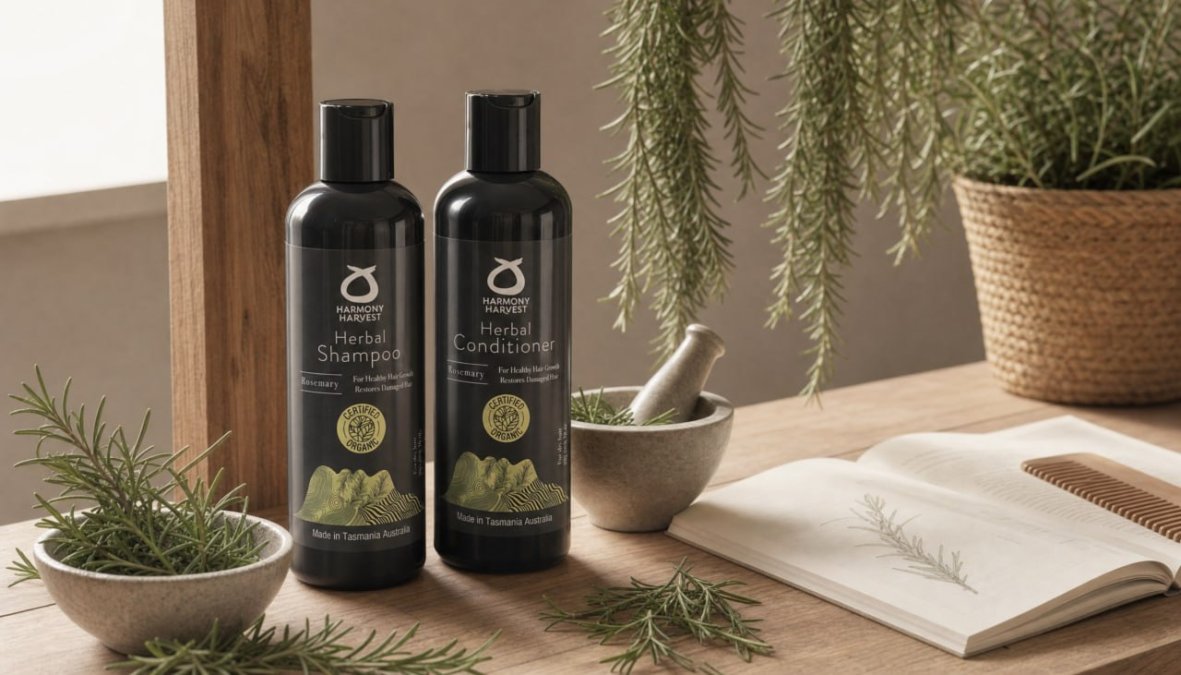
Rosemary shampoo bridges traditional botanical wisdom and modern hair science. This COSMOS-certified organic formulation harnesses rosemary essential oil to address common scalp and hair concerns like thinning, buildup, and dull shine. It cleanses effectively while nourishing the scalp and hair follicles, maintaining moisture balance unlike harsh conventional shampoos. Many people report improvements in scalp comfort, hair texture, and density within weeks of consistent use.
Below, we'll explore how rosemary works on your scalp, what ingredients separate effective formulas from marketing hype, and how to integrate this botanical powerhouse into your daily routine for maximum results.
How Rosemary Works on Your Scalp and Hair
Rosemary essential oil contains compounds, particularly cineole and camphor, that improve circulation and reduce inflammation. When applied through quality rosemary shampoo, these compounds invigorate the scalp environment, supporting stronger, healthier hair growth from the root. Improved blood flow to hair follicles means better nutrient delivery to the hair bulb, where growth originates. A well-formulated rosemary shampoo clarifies buildup whilst maintaining the pH balance your scalp needs to thrive.
Rosemary Oil for Hair Growth: What the Science Shows
Scientific interest in rosemary for hair care has grown steadily. Practitioners and researchers have documented that rosemary oil may support hair density and strength through improved scalp circulation and follicle health. Rosemary addresses multiple aspects simultaneously: it clarifies the scalp, improves circulation, reduces dandruff-related irritation, and nourishes the hair shaft. This multi-action approach explains why many people experience improvements across several hair concerns rather than just one isolated benefit.
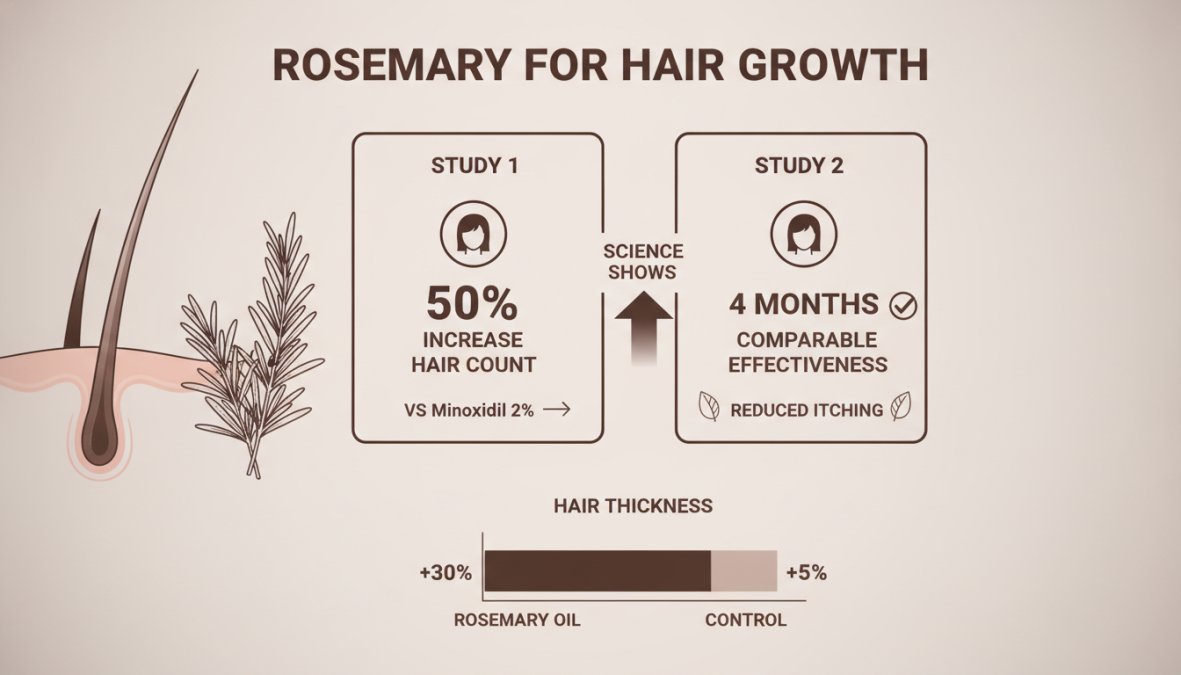
The significant advantage is that rosemary achieves these results through plant-based mechanisms rather than synthetic chemicals, making it meaningful for anyone sensitive to conventional shampoos or seeking a more natural approach.
Follicle Stimulation and Circulation Benefits
Healthy hair growth depends on strong blood flow to the scalp. Rosemary's warming properties help dilate blood vessels, increasing nutrient delivery to hair follicles and supporting the hair growth cycle. This improved circulation potentially extends the active growth phase and reduces premature shedding. Many users report thicker, more resilient hair after incorporating rosemary shampoo into their routine, a direct result of improved follicle function.
Scalp Health and Dandruff Control
Rosemary shampoo excels at maintaining scalp comfort and reducing dandruff through its natural antimicrobial and anti-inflammatory properties. A healthy scalp is the foundation for healthy hair. The clarifying action also removes product buildup from conventional conditioners and styling products that can suffocate the scalp and trap moisture. Using a rosemary formula with plant-based surfactants gently removes this residue whilst maintaining your scalp's natural protective barrier.
Key Ingredients in Natural Rosemary Shampoo Formulas
Not all rosemary shampoos are created equal. Premium formulas combine rosemary essential oil or extract with complementary botanicals and gentle cleansing agents that work synergistically. Look for formulas that include rosemary alongside nourishing botanical extracts like babassu oil, coconut oil, and hydrolysed proteins. The best formulas balance cleansing strength with nourishment.
Sulfate-Free and Plant-Based Surfactants
Sulfate-free formulas using plant-based surfactants clean hair without the harshness of sodium lauryl sulfate. These gentle cleansers remove oil and buildup whilst respecting your hair's natural moisture and scalp pH balance. Plant-based surfactants derived from coconut or other botanical sources are effective enough to remove product buildup yet gentle enough for daily use without causing dryness or irritation.
A quality rosemary shampoo will be explicitly labelled as sulfate-free and paraben-free. COSMOS-certified organic formulas ensure that every ingredient meets rigorous standards for purity and sustainability.
Complementary Botanical Extracts and Oils
Beyond rosemary, effective shampoos include supporting botanical extracts that amplify core benefits. Babassu oil provides lightweight moisture without weighing hair down. Coconut oil adds nourishment and seals the hair cuticle for improved shine. Hydrolysed proteins strengthen the hair shaft and improve elasticity, reducing breakage and promoting density.
|
Ingredient |
Primary Benefit |
Best For |
|---|---|---|
|
Rosemary oil |
Scalp stimulation, circulation |
Hair growth, thinning |
|
Babassu oil |
Lightweight conditioning |
Fine, thin hair |
|
Coconut oil |
Deep nourishment |
Dry, damaged hair |
|
Hydrolysed proteins |
Strength, elasticity |
Weak, breakage-prone hair |
|
Plant surfactants |
Gentle cleansing |
Sensitive scalp |
How to Use Rosemary Shampoo for Best Results
Using rosemary shampoo correctly maximises its benefits. The technique matters as much as the product itself.
Application Technique and Frequency
Wet your hair thoroughly with warm water to open the hair cuticle. Apply a coin-sized portion of rosemary shampoo directly to your scalp rather than your hair ends. Use your fingertips to massage the shampoo into your scalp in gentle circular motions for 60-90 seconds. This massage stimulates blood flow and allows rosemary's active compounds to interact with your scalp. Allow the shampoo to sit for 1-2 minutes before rinsing thoroughly with cool water to seal the hair cuticle.
For frequency, most people see optimal results using rosemary shampoo 3-4 times per week. This schedule provides enough stimulation and cleansing without over-stripping your scalp's natural oils. If your hair is particularly oily, you might use it more frequently initially, then reduce frequency as your scalp stabilises.
Combining with Your Hair Care Routine
Rosemary shampoo works best as part of a coordinated routine. After shampooing, use a gentle conditioner on your hair ends, not your scalp. Weekly treatments with a nourishing hair mask or oil treatment applied to mid-lengths and ends complement the scalp-focused benefits of rosemary shampoo, creating comprehensive improvement across your entire hair system.
Rosemary Shampoo for Hair Loss and Thinning Hair
Many people turn to rosemary shampoo because they're experiencing hair loss or noticeable thinning. The herb's follicle-stimulating properties make it a logical choice for anyone concerned about hair density. Improved scalp circulation and reduced inflammation create conditions where hair grows stronger and thicker.
For people with thinning hair, consistency matters most. After 8-12 weeks of regular use, many people report noticeably fuller hair and reduced shedding. The improvement is gradual because hair growth cycles are long.
Addressing Hair Density and Strength
Hair density improves when individual strands become thicker and when fewer hairs fall out prematurely. Rosemary shampoo addresses both mechanisms. The stimulation improves the health of active follicles, producing stronger strands. The anti-inflammatory and antimicrobial properties reduce scalp conditions that cause premature shedding. Pairing rosemary shampoo with conditioning treatments creates better results than shampoo alone.
People with thinning hair benefit from gentle styling practices: avoid tight hairstyles that create tension on the scalp and use a wide-tooth comb rather than a brush to minimise breakage.
Safety, Side Effects, and Scalp Sensitivity Considerations
Rosemary shampoo is generally well tolerated, but like any product, it can cause reactions in sensitive individuals. An initial adjustment period where your scalp feels different is normal and typically resolves within 1-2 weeks. Some people experience mild tingling or warming sensations, which is the intended circulation-stimulating effect. If uncomfortable, reduce application frequency or dilute the shampoo slightly.
True allergic reactions are rare but possible; if you experience itching, redness, or rash that worsens, discontinue use. If you have a known allergy to rosemary or other plants in the Lamiaceae family (mint, basil, oregano), avoid rosemary shampoo. If you're pregnant or nursing, check with your healthcare provider before using products with concentrated essential oils.
Patch test before committing to regular use: apply a small amount to your scalp, wait 24 hours, and observe for any adverse reactions.
DIY Rosemary Infusion vs. Commercial Rosemary Shampoo
Homemade rosemary infusions lack the formulation expertise and quality control of commercial products. The concentration of beneficial compounds varies dramatically depending on infusion time, rosemary freshness, and water temperature. Commercial rosemary shampoos are formulated by experts who understand exactly how much rosemary extract delivers optimal benefits without causing irritation.
Additionally, DIY formulations lack preservatives, making them prone to bacterial and fungal growth. A commercial product has been tested for safety, stability, and efficacy. For comprehensive, reliable results, a properly formulated rosemary shampoo delivers superior outcomes.
Conclusion: Finding Your Ideal Rosemary Shampoo
Choosing the right rosemary shampoo requires looking beyond marketing claims to actual formulation quality. The best products combine rosemary essential oil or extract with complementary botanical ingredients, gentle plant-based surfactants, and a commitment to purity standards like COSMOS certification.
Your ideal rosemary shampoo should address your specific hair concern whilst maintaining your hair's natural moisture balance. Give any rosemary shampoo at least 6-8 weeks before deciding whether it's working for you.
If you're ready to experience the scalp-stimulating and nourishing benefits of rosemary, Harmony Harvest offers a premium COSMOS-certified organic rosemary shampoo formulated with pure Australian botanicals and vegan ingredients. Our Herbal Shampoo with Rosemary combines rosemary essential oil with complementary plant-based surfactants and botanical extracts to support scalp health, follicle stimulation, and visible hair improvement. Explore our complete Hair Care collection, every product is COSMOS-certified organic, vegan, and cruelty-free, designed to help you achieve healthier, stronger hair naturally.
Frequently Asked Questions
Does rosemary shampoo actually help with hair growth?
Rosemary shampoo may support hair health by promoting scalp circulation and follicle stimulation, though results vary by individual. Regular use as part of a consistent hair care routine, combined with overall scalp health practices, offers the best potential for noticing improvements in hair texture and density over time.
How often should you use rosemary shampoo?
Most people benefit from using rosemary shampoo 2–3 times per week, depending on hair type and scalp condition. Those with oily scalps may use it more frequently, while those with dry or sensitive scalps may prefer once or twice weekly. Start with 2–3 times weekly and adjust based on how your hair and scalp respond.
Can I make my own rosemary shampoo at home?
While DIY rosemary infusions are possible, homemade versions lack the stabilising agents, pH balance, and safety testing of commercial formulas. Homemade preparations may also be prone to bacterial growth or inconsistent potency. Commercial rosemary shampoos, especially COSMOS-certified organic options, offer reliability and dermatological testing for safer, more effective results.
Is rosemary shampoo safe for colour-treated or sensitive hair?
Rosemary shampoo is generally safe for colour-treated hair, particularly sulfate-free, paraben-free formulas that minimise stripping. For sensitive scalps, patch-test first and choose gentle, plant-based formulations. If you experience scalp irritation, redness, or itching, discontinue use and consult a dermatologist to rule out sensitivity to rosemary or other botanical ingredients.
Best Sellers


Read more

Natural Ingredients for Mature Skin: 10 Proven Botanicals
Discover the best natural ingredients for mature skin. Learn how bakuchiol, rosehip oil, and antioxidants reduce fine lines and boost hydration.
Read more
Chamomile Shampoo: Benefits, Science & How to Use
Discover how chamomile shampoo brightens blonde hair, soothes sensitive scalps & clarifies build-up. Learn the science, ingredients & daily use tips.
Read more